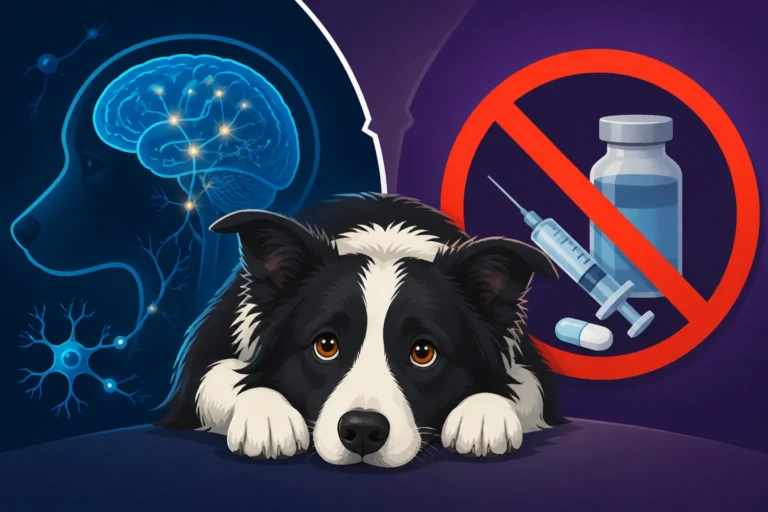
Loperamide and the MDR1 Border Collie
It’s a truly frightening moment when your beloved Border Collie suddenly falls ill, especially if you suspect it might be due to a medication that was supposed to help. Many Border Collie owners find themselves in a precarious situation, unknowingly administering common over-the-counter drugs that can turn toxic for dogs with a specific genetic mutation. This comprehensive guide will walk you through the critical information you need to understand Loperamide's dangers for an MDR1-affected Border Collie, how to prevent accidental poisoning, and ensure your furry companion stays safe and healthy.
Understanding the MDR1 Gene Mutation in Border Collies
The MDR1 gene mutation (now officially known as ABCB1) is one of those silent threats that many dog owners, even experienced ones, might not be fully aware of until a crisis hits. It’s not just a genetic anomaly; it's a critical piece of your Border Collie's health puzzle that can dramatically impact how their body handles certain medications, turning common, seemingly harmless drugs into potent toxins.
What is the MDR1 Gene and Its Role?
At its heart, the MDR1 gene is responsible for producing P-glycoprotein, a crucial protein pump found in various parts of your dog's body, including the blood-brain barrier, kidneys, liver, and intestines. Think of P-glycoprotein as a diligent bouncer at the club doors of these vital organs, particularly the brain. Its job is to pump out harmful substances, toxins, and many types of drugs, preventing them from accumulating to dangerous levels. For the brain, this is especially important; it keeps medications from crossing the blood-brain barrier and causing neurological issues.
When a Border Collie has the MDR1 mutation, this P-glycoprotein pump doesn't work correctly, or sometimes not at all. This means that certain drugs, which would normally be quickly flushed out or blocked from sensitive areas, are allowed to build up. The consequences can range from mild side effects to severe, life-threatening toxicity. It’s a silent condition because a dog with the mutation looks and acts completely normal until exposed to one of the contraindicated drugs. This gene deletion can be especially prevalent in herding breeds, though "Why Border Collies Carry MDR1 Less Than Collies" is a topic that delves into some of the nuances of breed-specific prevalence.
Why is Testing for MDR1 Critical?
You might be thinking, "My Border Collie seems fine, why bother testing?" And it's a fair question, especially with the multitude of health tests available today. However, knowing your dog's MDR1 status isn't just a recommendation; it's a vital safety measure. Without testing, you're essentially playing a game of Russian roulette every time your dog needs medication. Many veterinarians might not routinely test for MDR1 unless the breed is known to be at high risk or an adverse drug reaction has already occurred. This is why being a proactive owner is so important.
Testing is straightforward, usually involving a simple cheek swab that you can often do at home and send to a specialized lab. The results will clearly indicate if your dog is 'clear' (two normal copies of the gene), a 'carrier' (one normal, one mutated copy), or 'affected' (two mutated copies). Even carriers can exhibit drug sensitivities, so it's not just about fully affected dogs. Understanding "What the MDR1 Deletion Does to a Border Collie" fundamentally changes how you approach their healthcare. This simple test can literally be the difference between life and death for your dog when certain common medications are prescribed. For those wondering about the financial aspect, "What a Border Collie DNA Panel Costs" provides useful information on the investment required for such critical health insights.
Loperamide: A Common Drug with Hidden Dangers
Loperamide is a drug that many of us recognize from our own medicine cabinets. It's widely available, seemingly innocuous, and often the first thing we reach for when tummy troubles strike. But for a Border Collie, particularly one with the MDR1 mutation, this seemingly harmless medication can become incredibly dangerous.
What is Loperamide and Its Typical Use?
Loperamide, often sold under brand names like Imodium A-D, is an opioid-derived medication primarily used as an anti-diarrheal agent. In humans, it works by slowing down the movement of the gut, reducing the frequency and urgency of bowel movements. For dogs, veterinarians sometimes prescribe it for similar reasons – to manage acute diarrhea. It's generally considered safe for dogs without the MDR1 mutation when administered at appropriate doses under veterinary guidance.
The drug works by binding to opioid receptors in the intestinal wall, which decreases intestinal motility and secretions. This allows the intestines more time to absorb water and electrolytes, leading to firmer stools. When a dog has a simple case of dietary indiscretion or mild stress-induced diarrhea, and they are clear of the MDR1 mutation, a vet might suggest a low dose of loperamide as part of a treatment plan. However, this is precisely where the danger lies for MDR1-affected dogs.
The Mechanism of Toxicity for MDR1 Dogs
For dogs with the MDR1 mutation, the P-glycoprotein pump, which normally prevents loperamide from crossing the blood-brain barrier, is either faulty or absent. This means that when loperamide is given, it isn't effectively pumped out of the brain. Instead, it accumulates in the central nervous system, leading to profound neurological depression.
Since loperamide is an opioid, its accumulation in the brain results in opioid toxicity. Symptoms can appear rapidly and worsen quickly, transforming a simple anti-diarrheal into a neurotoxin. This is a classic example of "Which Drugs an MDR1 Border Collie Cannot Have" on a comprehensive list. The severity of the reaction often depends on the dosage given and whether the dog is a carrier or fully affected, but even a carrier can experience adverse effects. This highlights why it's so important to be aware of "The Border Collie Genetic Panel and What It Screens" – it's about much more than just breed standards; it's about life-saving knowledge.
The Dangerous Interaction: Loperamide and the MDR1 Border Collie
The interaction between Loperamide and an MDR1-mutant Border Collie isn't just about mild discomfort; it's a serious medical emergency that can quickly become life-threatening. The symptoms can be severe, and rapid intervention is crucial.
Recognizing the Signs of Loperamide Toxicity
If your MDR1-affected Border Collie accidentally ingests loperamide, or is unknowingly given it, you need to be vigilant for a specific set of symptoms. These often reflect central nervous system depression, as the drug builds up in the brain. The onset of these signs can vary depending on the dosage and your dog's individual sensitivity, but they typically manifest within hours of ingestion.
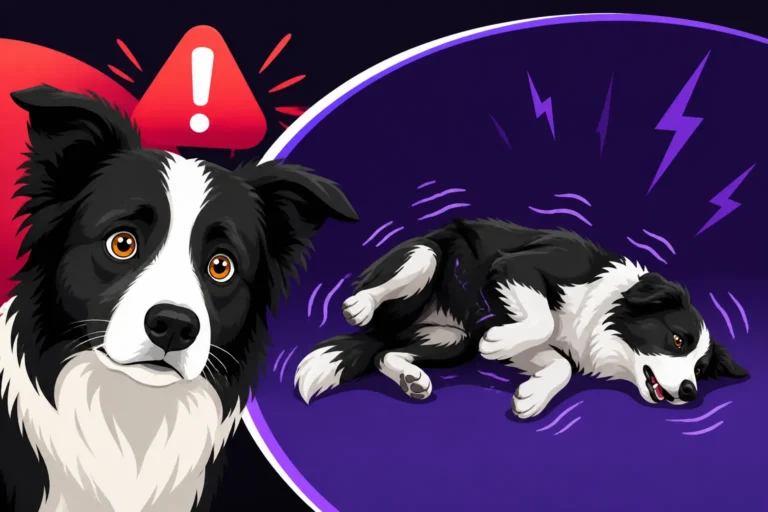
Initial signs might include mild lethargy or disorientation, but these can quickly escalate. You might observe a dog that is much more sedate than usual, almost excessively calm. This can progress to ataxia, a wobbly, uncoordinated gait, making them stumble or appear drunk. Their pupils may become dilated, or sometimes pinpoint, and they might start staring blankly into space. In more severe cases, you could see tremors, seizures, or even a coma. Respiratory depression is also a critical concern, where their breathing becomes shallow and slow, potentially leading to oxygen deprivation. It's a truly terrifying scenario for any pet parent, similar to observing "The Wobbling Gait a Collapsing Border Collie Shows" in other health crises.
| Symptom Category | Mild Signs | Moderate Signs | Severe Signs |
|---|---|---|---|
| Neurological | Lethargy, mild disorientation | Ataxia (wobbly gait), excessive sedation | Tremors, seizures, coma |
| Ocular | Dilated or pinpoint pupils | Blank stare, difficulty focusing | Unresponsive pupils |
| Respiratory | Slowed breathing rate | Shallow breathing | Severe respiratory depression, difficulty breathing |
| Gastrointestinal | Vomiting (less common) | Nausea | |
| Behavioral | Unusually quiet, unresponsive | Disorientation, loss of balance | Loss of consciousness |
What to Do in Case of Exposure
Time is of the essence if you suspect loperamide toxicity in your Border Collie. This is not a "wait and see" situation. Your first and most critical step is to immediately contact your veterinarian or an emergency veterinary clinic. Do not hesitate, even if the symptoms seem mild at first.
When you call, clearly state what happened: "My Border Collie, [Dog's Name], may have ingested loperamide. I am concerned about MDR1 toxicity." Provide as much information as possible: the estimated amount ingested, the time of ingestion, and any symptoms you've observed. If you know your dog's MDR1 status, communicate it clearly. The veterinary team will guide you on the next steps, which will almost certainly involve bringing your dog in for emergency treatment. They may induce vomiting if ingestion was very recent and your dog is still conscious and not showing severe neurological signs, but this should only be done under professional guidance. Activated charcoal might also be administered to help absorb any remaining drug in the digestive tract. Supportive care, including IV fluids, respiratory support, and medications to reverse opioid effects (like naloxone), will be critical to managing the crisis. Even if you're proactive about your dog's health, unforeseen medical emergencies are why many of us invest in pet insurance. Providers like Healthy Paws can offer a safety net when these frightening situations arise.
Safe Alternatives and Prevention for Your MDR1 Border Collie
Living with an MDR1-affected Border Collie, or even one of unknown status, requires a proactive and informed approach to their health care. Thankfully, there are many safe alternatives and preventative measures you can take to ensure your dog never faces the dangers of loperamide toxicity.
Safe Anti-Diarrheal Options for MDR1 Dogs
When your Border Collie experiences an upset stomach or diarrhea, the good news is that there are safe and effective ways to help them without resorting to drugs on the MDR1 contraindicated list.
- Probiotics and Prebiotics: These can help restore the natural balance of gut bacteria, which is often disrupted during episodes of diarrhea. Many veterinary-specific probiotic supplements are available, such as those from Purina Pro Plan Veterinary Diets Fortiflora or VetriScience.
- Bland Diet: A temporary diet of plain, boiled chicken (skinless, boneless) and white rice is often the first line of defense against diarrhea. This easily digestible meal can help settle the stomach and firm up stools.
- Fiber Supplements: Certain soluble fibers, like psyllium husk (e.g., Metamucil, without xylitol or other additives), can absorb excess water in the gut and provide bulk to stool. Always consult your vet for appropriate dosing.
- Anti-Nausea Medications: If nausea and vomiting accompany diarrhea, your vet might prescribe anti-emetics like Cerenia (maropitant citrate), which is generally safe for MDR1-affected dogs.
- Veterinary Consultations: Above all, always consult your veterinarian. They can determine the root cause of the diarrhea and recommend the most appropriate, MDR1-safe treatment plan. For general health and wellness, regular check-ups are key, and resources like "Yearly Bloodwork for a Border Collie" can help you stay on top of preventative care.
The Importance of MDR1 Testing and Communication
The single most crucial step you can take to prevent loperamide toxicity, and adverse reactions to many other drugs, is to get your Border Collie tested for the MDR1 gene mutation. This simple genetic test provides invaluable information that will inform every veterinary decision for the rest of your dog's life. "Running a Genetic Panel on a Pet Border Collie" is an investment in their long-term well-being.
Once you have the results, it's paramount to communicate them clearly to every veterinarian, veterinary technician, and emergency vet clinic your dog ever visits. Don't assume they already know or will check. Put it in writing. Ask them to "Flagging a Border Collie's MDR1 Status on Its Records" prominently. Some owners even create a laminated card for their dog's collar or carry a copy of the test results in their car. This proactive approach ensures that any medication prescribed or administered, from "Ivermectin and the MDR1 Border Collie" concerns to anesthesia, is carefully vetted for safety. Knowing "Which Drugs an MDR1 Border Collie Cannot Have" is just as important as knowing which ones they can safely receive.
Other Drugs to Be Wary Of
Loperamide is just one of many drugs that can pose a risk to MDR1-affected dogs. The list is extensive and includes common medications like certain chemotherapy drugs, some sedatives, and even some parasiticides.
| Drug Class | Examples of Risky Drugs (partial list) | Safe Alternatives (consult vet) |
|---|---|---|
| Anti-diarrheals | Loperamide (Imodium) | Probiotics, bland diet, fiber supplements |
| Parasiticides | Ivermectin, Selamectin (higher doses) | Milbemycin, Moxidectin (specific brands/doses) |
| Chemotherapy Agents | Vincristine, Vinblastine, Doxorubicin | Modified protocols, alternative agents |
| Sedatives/Anesthetics | Butorphanol, Acepromazine | Specific sedatives at reduced doses, close monitoring |
| Pain Relievers | (Certain opioids) | Other NSAIDs or pain management strategies |
This table is a simplified overview, and it is absolutely crucial to consult your veterinarian for a full list and to discuss any specific concerns regarding "Heartworm Prevention for an MDR1 Border Collie" or "Worming an MDR1 Border Collie Safely." Even something as routine as "Anesthesia Drugs an MDR1 Border Collie Should Avoid" becomes a critical discussion. Your vet can cross-reference the drug against your dog's MDR1 status to ensure safety. Having pet insurance, like policies from Healthy Paws, can also provide peace of mind regarding the often-higher costs associated with managing complex health needs or unexpected emergencies due to drug sensitivities.
Empowering Yourself as an MDR1 Border Collie Owner
Being the owner of an MDR1-affected Border Collie, or one whose status is unknown, means you become their most vital advocate. It's a journey of continuous learning and careful communication, but it's entirely manageable with the right knowledge and tools.
Building a Strong Partnership with Your Vet
Your veterinarian is your primary partner in managing your Border Collie's health, especially when the MDR1 mutation is a factor. Don't be afraid to ask questions and discuss your concerns openly. Before any procedure, surgery, or new medication, always bring up your dog's MDR1 status. Ask, "Is this drug safe for an MDR1-affected dog?" or "Are there any alternative medications if there's a risk?" A good vet will appreciate your proactive approach and work with you to ensure your dog receives the safest and most effective care.
If you ever feel a vet dismisses your concerns about MDR1, it might be worth seeking a second opinion, or finding a veterinary practice that is highly knowledgeable about genetic conditions in herding breeds. This partnership is critical because even common ailments like "Allergies in a Border Collie" might lead to medications that need careful consideration.
Proactive Management and Emergency Preparedness
Beyond testing and communication, proactive management in your daily life can make a huge difference. Keep all human medications, including over-the-counter drugs like loperamide, securely stored and out of your dog's reach. Even if your dog isn't usually a "chewer," a bottle dropped on the floor can quickly become a dangerous snack.
Consider creating an emergency kit for your Border Collie, including your vet's contact information, the nearest emergency clinic, and a copy of their MDR1 test results. Knowing "How Long a Border Collie Takes to Come Right Again" after an adverse event can be a long and stressful recovery, so prevention truly is the best medicine. Even for routine care, like "Grooming a Rough-Coated Border Collie," understanding their overall health profile ensures every aspect of their well-being is considered.
By taking these steps, you’re not just managing a genetic mutation; you’re embracing a holistic approach to your Border Collie's health that prioritizes their safety and longevity.
Disclaimer
The information provided in this article is for educational and informational purposes only and does not constitute veterinary advice. Always consult with a qualified veterinarian for any health concerns or before making any decisions about your pet's medical care.