Why Neuronal Ceroid Lipofuscinosis Has No Treatment
It’s absolutely heartbreaking to receive a diagnosis for your beloved Border Collie that carries such a heavy prognosis, especially when it’s something as devastating as Neuronal Ceroid Lipofuscinosis (NCL). Owners often feel lost, grasping for solutions, only to be met with the stark reality that there simply aren't any effective treatments available. This guide is here to shed light on why NCL remains untreatable, what it means for your dog, and how to navigate this incredibly difficult journey with understanding and compassion.
Understanding Neuronal Ceroid Lipofuscinosis in Border Collies
Neuronal Ceroid Lipofuscinosis (NCL) is not just one disease but a group of inherited neurodegenerative disorders that progressively affect the brain and nervous system. For Border Collies, it's particularly cruel, striking down active, intelligent dogs usually in the prime of their lives. When we talk about NCL, we're referring to a lysosomal storage disease, meaning there's a problem within the cells responsible for clearing out waste products. This leads to a toxic buildup, primarily of fatty substances (lipofuscins), within the neurons, essentially choking the brain's ability to function.
The Genetic Specifics and Forms of NCL
In Border Collies, the most recognized form of NCL is often linked to specific genetic mutations. While there are several types of NCL across different breeds, in Border Collies, researchers have identified mutations in genes like CLN5 or CLN8. These genes are responsible for producing vital proteins that facilitate the proper function of lysosomes – those cellular recycling centers. When a dog inherits two copies of a faulty gene (one from each parent, making it an autosomal recessive condition), these proteins aren't produced correctly, or at all. This genetic flaw is why The Border Collie Genetic Panel and What It Screens is so incredibly important for responsible breeders to undertake. Knowing the specific genetic mutation is key for diagnosis but, unfortunately, doesn't pave the way for a cure.
Recognizing the Symptoms and the Progressive Nature
The onset of NCL symptoms in Border Collies typically begins in early adulthood, often between 1 to 2 years of age, though it can vary. Owners might first notice subtle changes, which then progressively worsen. Initially, your dog might seem a little clumsy or uncoordinated, perhaps struggling with familiar tasks like jumping on the couch or navigating stairs. Over time, these motor skill deficits become more pronounced. You might observe a loss of vision, often subtle at first, leading to bumping into objects or an unwillingness to go into dim lighting.
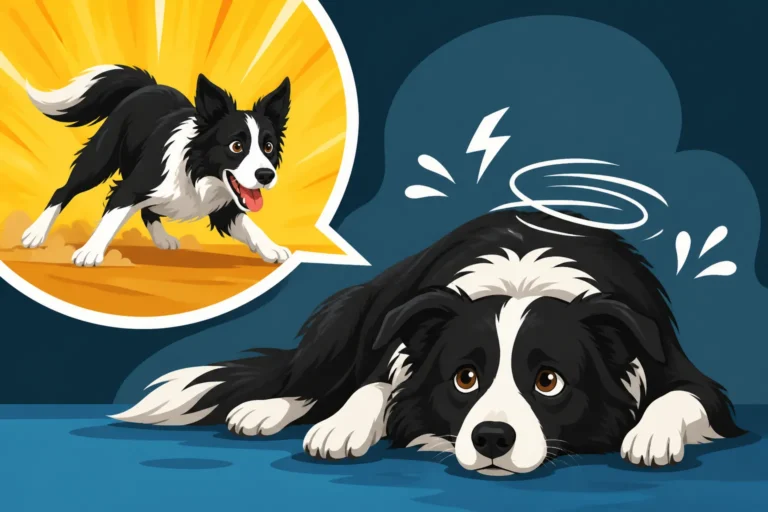
Behavioral changes are also a hallmark of NCL, ranging from increased anxiety or aggression to a noticeable decline in cognitive function. Your once brilliant, responsive Border Collie might seem confused, forget commands, or show inappropriate elimination. Seizures can also manifest as the disease progresses, adding another layer of challenge to an already difficult situation. The progression is relentless, and sadly, it leads to severe neurological impairment, ultimately diminishing the dog's quality of life until humane euthanasia becomes the only option. To understand more about the specifics of when these issues often start, you can look into The Age CL Symptoms Start in a Border Collie.
The Deep-Seated Reasons NCL Remains Untreatable
The lack of treatment for NCL isn't due to a lack of effort or interest from the veterinary and scientific communities. It stems from the incredibly complex nature of the disease itself, particularly its impact on the central nervous system. When dealing with a condition that systematically destroys brain cells, the hurdles to developing effective therapies are monumental.
The Insidious Mechanism of Lysosomal Storage Disorders
At its core, NCL is a lysosomal storage disorder. Imagine your dog's cells as tiny factories, each with a waste disposal unit called a lysosome. These lysosomes contain enzymes that break down cellular waste. In NCL, due to a genetic defect, one or more of these enzymes are missing or dysfunctional. This means the "waste" — the ceroid lipofuscins — isn't broken down and instead accumulates, becoming toxic to the cells, particularly neurons.
This accumulation doesn't just happen in a single spot; it occurs throughout the brain and nervous system, slowly poisoning the very cells that control everything from movement and sight to cognition and personality. The damage is diffuse and widespread, making it incredibly difficult to target with a single intervention, especially once symptoms are already present and significant cellular damage has occurred.
The Formidable Challenge of the Blood-Brain Barrier
One of the biggest obstacles in treating any neurological disease, including NCL, is the blood-brain barrier. This is a highly selective physiological barrier that protects the brain from harmful substances in the blood. While crucial for brain health, it also acts as a formidable gatekeeper, preventing most drugs, gene therapies, or enzyme replacement therapies from reaching the brain in sufficient concentrations to be effective.
Researchers are constantly looking for ways to bypass or temporarily open this barrier, but it’s a delicate balance. Any method that compromises the barrier too much could allow harmful substances in, causing more damage. Delivering a therapeutic agent to every affected neuron throughout the vast and intricate network of the brain is a challenge that current medical technology hasn't fully conquered, especially in a non-invasive, practical manner for widespread use.
The Irreversible Nature of Neurodegenerative Damage
By the time a Border Collie shows clinical signs of NCL, significant and often irreversible damage to brain cells has already occurred. Neurons, unlike many other cell types in the body, have a very limited capacity for regeneration. Once they die or are severely damaged, they're gone for good. This means that even if a therapy could halt the progression of the disease, it wouldn't be able to repair the existing damage or restore lost function.
This is a critical distinction: most research focuses on preventing the disease or slowing its progression before symptoms become severe, or in very early stages. For a dog already showing signs, the goal shifts to supportive care because reversing the neurological decline is simply beyond current capabilities. It’s a race against time that, with NCL, often starts long before anyone even knows the race has begun.
Current Approaches and Why They Fall Short of a Cure
Given the devastating nature of NCL and the lack of a cure, it's natural for owners to wonder what avenues are being explored and why they haven't yet yielded a breakthrough.
Symptomatic Management: A Band-Aid, Not a Solution
For Border Collies diagnosed with NCL, the current "treatment" protocol revolves entirely around symptomatic and supportive care. This means veterinarians focus on managing the specific signs your dog is experiencing, rather than addressing the underlying genetic defect or the progressive cellular damage.
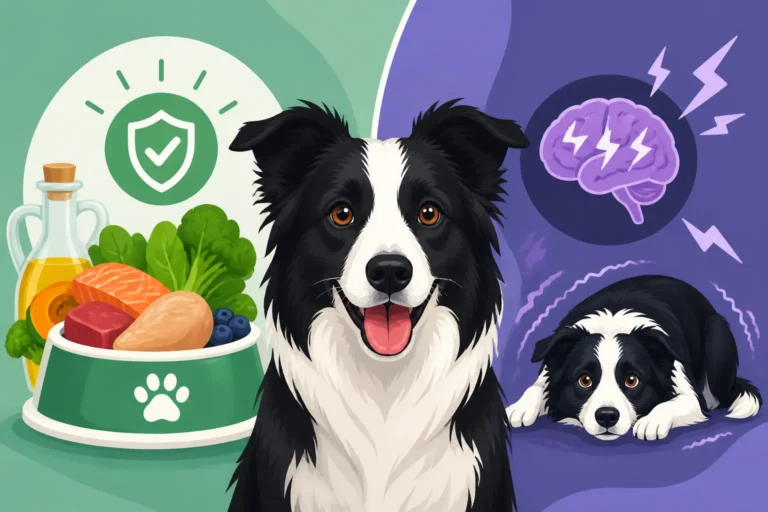
For example, if your dog is having seizures, anticonvulsant medications like phenobarbital or levetiracetam might be prescribed. These drugs can help reduce the frequency and severity of seizures, improving your dog's immediate comfort and safety. Similarly, if your dog is experiencing pain or extreme anxiety, palliative medications may be used. Dietary modifications, rich in antioxidants or specific fatty acids, are sometimes suggested in hopes of supporting brain health, but there's no strong evidence they halt NCL progression.
While these interventions can certainly improve the dog's quality of life for a period, they are, at best, a temporary reprieve. They don't slow the disease's relentless march or prevent further neurological deterioration. It's like trying to bail water from a sinking ship without patching the hole – it might keep you afloat for a while, but the underlying problem remains.
Experimental Therapies: Hope on the Horizon, But Distant
The scientific community is actively researching various experimental therapies for NCL, both in human and animal models. These include gene therapy, enzyme replacement therapy, and small molecule drugs designed to either replace the missing enzyme, correct the genetic defect, or prevent the accumulation of lipofuscins.
- Gene Therapy: This involves introducing a healthy copy of the defective gene into the cells to produce the correct enzyme. While promising, it faces immense challenges, particularly for brain delivery, as mentioned with the blood-brain barrier. Also, for gene therapy to be effective, it often needs to be administered very early, ideally before significant damage occurs. Once neurons are already lost, a new gene won't bring them back.
- Enzyme Replacement Therapy (ERT): This involves directly administering the missing enzyme. This approach has seen some success in other lysosomal storage disorders affecting organs outside the brain. However, for NCL, ERT faces the same hurdle of crossing the blood-brain barrier and reaching all the affected neurons throughout the brain and central nervous system.
- Small Molecule Drugs: Researchers are looking for small molecules that can cross the blood-brain barrier and either reduce the production of the toxic waste products or help clear them. These are complex to design and test, and again, their efficacy in reversing existing damage is a major concern.
While these research avenues offer glimmers of hope, they are still largely in experimental stages, often conducted in labs or on very specific animal models. Translating these complex therapies into safe, effective, and widely available treatments for dogs is a long and arduous process, potentially taking many years, if not decades. For Border Collies currently suffering from NCL, these distant hopes offer little immediate relief.
Navigating Life with an NCL-Affected Border Collie
Receiving an NCL diagnosis is devastating, and the reality that there’s no treatment can feel overwhelming. However, your Border Collie still needs your love, care, and support. The focus shifts entirely to maximizing their comfort and maintaining their quality of life for as long as possible.
Prioritizing Comfort and Safety in the Home
As your Border Collie's coordination, vision, and cognition decline, their environment needs to be adapted for their safety and comfort. This often means making changes around the house to prevent accidents.
- Remove hazards: Block off stairs, secure sharp furniture edges, and remove tripping hazards like rugs or loose cables.
- Consistent environment: Try to keep furniture and their routine consistent to minimize confusion. Dogs with vision loss rely heavily on memory and scent cues.
- Soft bedding: Ensure they have plenty of comfortable, easy-to-access bedding.
- Supervision: Close supervision becomes paramount, especially outdoors. A dog with impaired vision or coordination can easily get lost, injured, or wander into dangerous situations. Even a securely fenced yard may not be enough if their spatial awareness is compromised.
- Gentle exercise: Keep exercise routines short, on-leash, and on familiar, safe terrain. Avoid crowded places or situations that might overstimulate or confuse them.
Remember, your dog's world is shrinking, and you are their anchor. Being patient, understanding, and adapting to their changing needs will make a world of difference.
The Emotional Journey for Owners
Living with a Border Collie facing a terminal, untreatable neurological disease like NCL is an incredibly difficult emotional journey. You're watching a vibrant, intelligent companion slowly fade, losing their abilities and personality. It's okay to feel grief, anger, frustration, and profound sadness. These feelings are valid.
Lean on your support network, whether it's family, friends, or online communities of owners going through similar experiences. Talk to your veterinarian openly about your concerns, your dog's quality of life, and what to expect as the disease progresses. They can provide guidance on pain management, symptom control, and when it might be time to consider difficult decisions. Organizations like Healthy Paws, while primarily an insurance provider, do offer resources and support for pet owners facing severe health challenges, even if NCL itself isn't directly covered due to its genetic nature and typical early onset. Focus on making every day count, cherishing the moments you have, and providing as much love and comfort as possible.
The Critical Role of Genetic Testing and Responsible Breeding
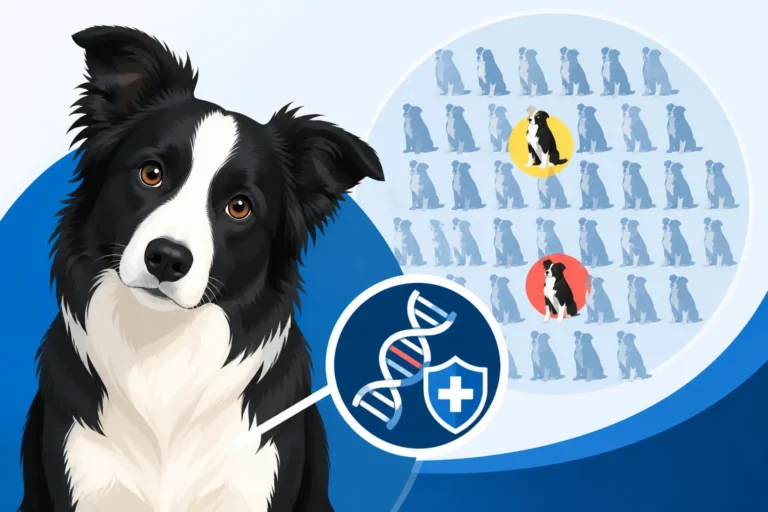
While there's no treatment for NCL once it manifests, there is a powerful tool to prevent it: genetic testing. NCL is an inherited condition, passed down from parents to offspring. If a dog carries one copy of the defective gene, they are a "carrier" and won't develop the disease themselves, but they can pass it on. If two carriers are bred together, each puppy in the litter has a 25% chance of inheriting two copies of the defective gene and therefore developing NCL. Understanding these inheritance patterns is vital. You can find more information about this in Carriers, Affected and Clear on a Border Collie Panel.
Responsible breeders are vigilant about testing their breeding stock for known genetic conditions, including NCL. Before breeding, they will run a comprehensive Which DNA Tests a Border Collie Breeder Should Have Run to ensure they are not inadvertently producing affected puppies. If a breeder discovers they have a carrier, they can make informed decisions about future pairings, ensuring they only breed that carrier to a "clear" dog (one that doesn't carry the gene) to avoid producing affected offspring. This way, while carriers still exist, the devastating disease itself is prevented. It's crucial for prospective puppy buyers to always Asking a Border Collie Breeder for Test Results to ensure they are bringing home a healthy puppy. Even if an insurer like Healthy Paws might not cover conditions present at birth or with a genetic predisposition, responsible breeding practices are the best defense against heartbreaking genetic diseases.
Genetic Testing & Breeding Decisions for NCL
| Test Result for Parent 1 | Test Result for Parent 2 | Offspring Probability (Approximate) | Breeding Recommendation |
|---|---|---|---|
| Clear | Clear | 100% Clear | Recommended |
| Clear | Carrier | 50% Clear, 50% Carrier | Acceptable (No affected pups) |
| Clear | Affected | 100% Carrier | Not Recommended (Increases carriers) |
| Carrier | Carrier | 25% Clear, 50% Carrier, 25% Affected | Strongly Discouraged (Produces affected pups) |
| Carrier | Affected | 50% Carrier, 50% Affected | Not Recommended (Produces affected pups) |
| Affected | Affected | 100% Affected | Never Recommended (All pups affected) |
This table clearly illustrates why breeders must know the genetic status of their dogs and make ethical breeding decisions. By diligently testing and avoiding pairings of two carriers or a carrier with an affected dog, the incidence of NCL can be significantly reduced, protecting future generations of Border Collies from this terrible disease. This proactive approach ensures that more Border Collies can live out their full potential and hopefully reach How Long a Border Collie Lives without being cut short by such a cruel condition.
Disclaimer
This article is intended for informational purposes only and does not constitute veterinary advice. If your Border Collie is showing signs of illness or distress, please consult with a qualified veterinarian immediately. They can provide an accurate diagnosis and recommend the most appropriate course of action for your pet's specific needs.