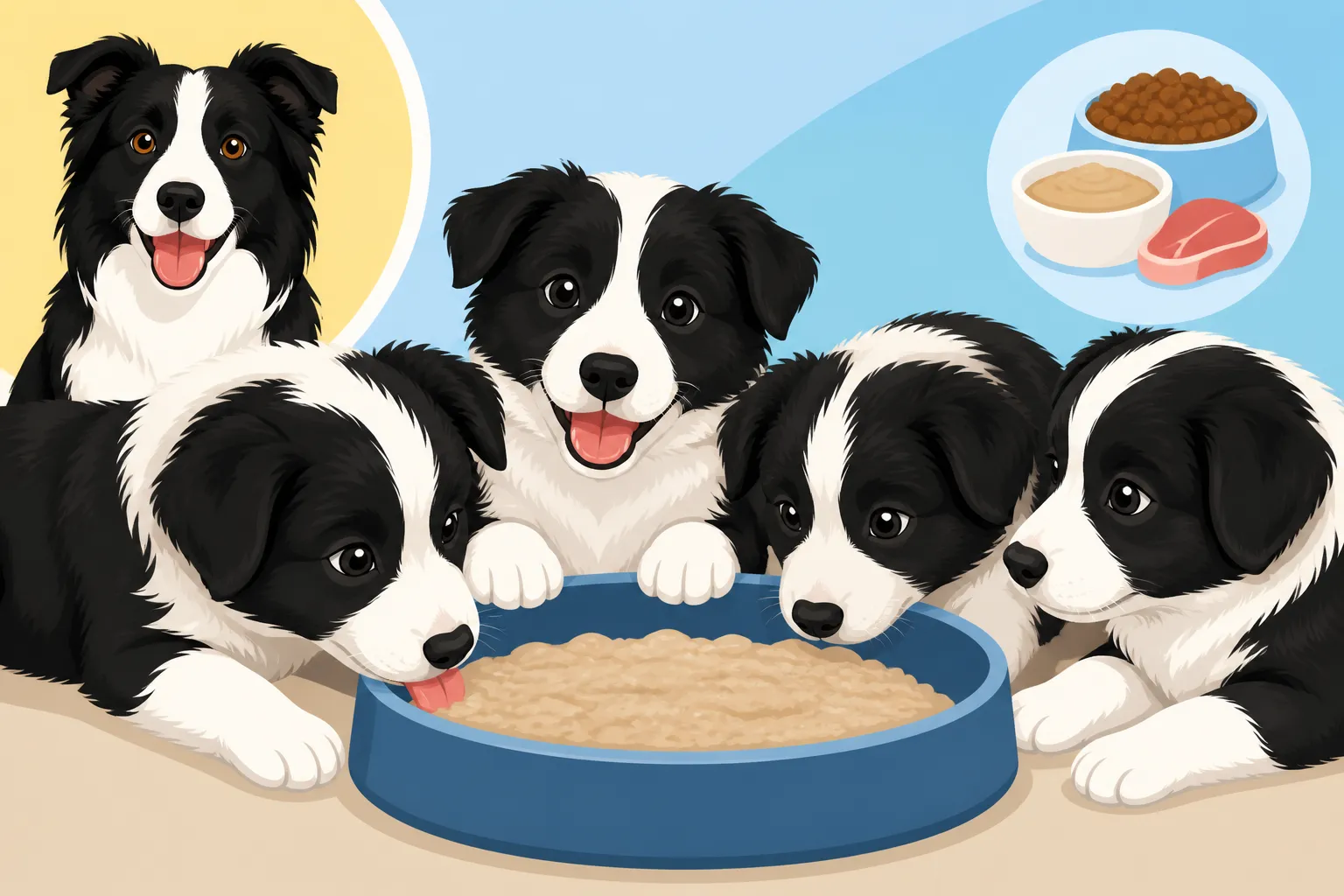
What a Border Collie Litter Eats at Four Weeks
Bringing a litter of Border Collie puppies into the world, or even just being responsible for their early care, comes with a unique mix of joy and a healthy dose of anxiety. One of the most common worries for new puppy parents, especially around the one-month mark, is figuring out what these energetic little bundles should be eating as they transition from mom's milk. This guide will walk you through the crucial steps of feeding a Border Collie litter at four weeks old, making sure they get the best start possible.
Understanding the Four-Week Mark: Why Solid Food Becomes Essential
At four weeks old, a Border Collie puppy is rapidly developing. Their eyes are open, their wobbly legs are gaining strength, and their little personalities are starting to shine through. While their mother's milk has been their sole source of nutrition up until now, it's around this time that her milk production naturally starts to decrease, and it simply can't keep up with the ravenous appetites and rapid growth demands of a bustling litter. This isn't a sign that mom is doing anything wrong; it's a natural biological shift preparing the puppies for the next stage of their lives.
Think of it like a human baby starting purees. They still get breastmilk or formula, but their bodies are signaling a need for more substantial nutrients to fuel all that crawling, playing, and learning. For Border Collie puppies, who are inherently active and have a high metabolic rate, that need is amplified. Their digestive systems are also maturing, becoming ready to process more complex foods than just milk. Neglecting this transition can lead to slower growth, nutritional deficiencies, and an overwhelmed mother. It's a pivotal moment in their development, laying the groundwork for their lifelong health.
Beyond the nutritional aspect, the introduction of solid food also plays a vital role in the puppies' social development and independence. It's often their first experience with independent eating, learning to lap, chew, and share a communal meal trough with their siblings. This can be a messy, chaotic, but ultimately enriching experience, teaching them valuable lessons about resource sharing and developing their sensory skills through taste and texture. It's about more than just calories; it's about fostering their journey towards becoming self-sufficient, well-adjusted dogs.
Crafting the Perfect Puppy Mush: What to Feed and How to Prepare It
When it comes to introducing solid food to four-week-old Border Collie puppies, the goal is to create a soft, palatable, and easily digestible "mush." This isn't the time for hard kibble straight out of the bag, no matter how good the brand. Their tiny teeth are just coming in, and their digestive systems are still delicate. The ideal first food is a high-quality puppy kibble specifically formulated for growth, mixed with warm water or puppy milk replacer until it reaches a gruel-like consistency. You want it smooth enough for them to lap up without choking, but thick enough that they can start to get a feel for chewing.
Many reputable puppy foods are excellent choices, focusing on appropriate protein, fat, and calcium levels for growing bodies. Look for brands that clearly state they are formulated for "growth" or "all life stages," rather than just adult maintenance. Some breeders might also incorporate a small amount of pureed canned puppy food for added palatability and moisture. Avoid adding human food scraps or anything with seasoning, as their systems simply aren't ready for it. Consistency is key here; you want to ensure they're getting balanced nutrition without upsetting their tummies.
Here’s a quick comparison of common starter food options for four-week-old Border Collie puppies:
| Food Type | Pros | Cons | Preparation Notes |
|---|---|---|---|
| High-Quality Puppy Kibble | Nutritionally balanced, widely available, easy to store. | Needs to be softened significantly for young puppies. | Soak with warm water or puppy milk replacer until soft and mushy. |
| Canned Puppy Food | Very palatable, high moisture content, easy to eat. | Can be more expensive, some brands less nutritionally dense alone. | Mix with kibble mush or serve small amounts on its own. |
| Puppy Milk Replacer | Familiar taste, good for reluctant eaters, extra hydration. | Not a complete food on its own, can cause loose stools if overused. | Use to soften kibble, or offer in a shallow dish alongside mush. |
| Cooked Rice (Plain) | Gentle on upset stomachs, adds bulk. | Lacks complete nutrition, should only be a small component if used. | Cooked until very soft, mixed in small amounts with complete food. |
When preparing the mush, always use warm (not hot) water. This helps release the aroma of the food, making it more appealing to the puppies, and it also aids in digestibility. If you're concerned about finding the right puppy food, ask your breeder what they use; they'll often have a tried-and-true method that works for their lines. You can also explore options on popular pet supply sites like Chewy or Amazon, reading reviews and ingredients carefully. Remember, even if you are considering a fresh food diet for an adult dog, like those offered by Ollie, the specific nutritional needs of a four-week-old puppy are different and require a vet-approved approach. Whether a Border Collie Puppy Can Eat Adult Food is a topic to save for much later.
Introducing Meals: The Nitty-Gritty of First Feedings
Okay, so you've got your perfectly prepared puppy mush. Now comes the fun part: getting it into the puppies! This stage is often messy, but it's vital for their health and development. Start by offering the mush in a shallow, wide dish that's easy for multiple puppies to access without piling on top of each other. A cookie sheet with a raised edge or a designated "puppy pan" works wonderfully. You'll want to choose a quiet, contained area for feeding, away from distractions, as these little ones are still learning.
At four weeks, you might start with two to three small meals a day. Don't expect them to dive in immediately; some puppies are naturally more adventurous than others. You might need to gently dab a little mush on their nose or fingers and let them lick it off to introduce the taste and texture. It won't be long before they catch on, and the sight of the food dish will become a signal for an enthusiastic feeding frenzy. Expect some to step in it, others to wear it, and all of them to make a glorious mess! This is all part of the learning process.
After about 10-15 minutes, remove any uneaten food to prevent spoilage and discourage casual grazing. Clean up the puppies and their feeding area thoroughly. This not only keeps things hygienic but also reinforces the idea that mealtime is a distinct event, helping to establish a routine. Over the next few weeks, you'll gradually increase the amount of solid food and reduce the mother's access for nursing, a process known as weaning. It's a dance between ensuring the puppies get enough and giving the mother a break. Monitoring their weight gain is crucial during this period. How Much a Border Collie Puppy Should Weigh can give you a benchmark, and regular checks will ensure they're thriving. As they grow, their feeding schedule will change; for more on this, you can check out How Often a Border Collie Puppy Is Fed.
Monitoring and Troubleshooting Common Feeding Challenges
Even with the best intentions, introducing solid food can come with a few hiccups. It's completely normal to have some puppies who are eager eaters and others who are a bit more hesitant. Observe them during and after meals. Are they all getting enough? Is anyone being pushed away from the food bowl consistently? These are important questions to consider to ensure every puppy in the litter is developing appropriately. Sometimes, a smaller or shyer puppy might need a little extra encouragement or even a separate, quieter feeding spot for a few minutes to ensure they get their fair share.
One common concern is digestive upset, particularly loose stools. This can happen if the new food is introduced too quickly or if the type of food isn't agreeing with a puppy's sensitive system. If you notice persistent diarrhea, it's essential to consult with your veterinarian. They can rule out any underlying health issues and offer guidance on dietary adjustments. Dehydration is a real risk with diarrhea, especially in small puppies. Ensure they have constant access to fresh water in a shallow bowl alongside their mush. Remember, your vet is your best resource for specific concerns, and it's always wise to discuss your weaning plan with them, especially for The Size of a Typical Border Collie Litter you might be handling.
Another challenge can be a puppy who simply refuses to eat the mush. If a puppy is otherwise active, alert, and gaining weight, they might just be a slow learner or particularly attached to mom's milk. Gentle encouragement, warming the food slightly, or trying a different brand of puppy kibble might help. However, if a puppy is lethargic, losing weight, or consistently refusing food for more than a day, that's a red flag. Prompt veterinary attention is crucial in such cases. The health and development of a four-week-old Border Collie puppy are incredibly dynamic, and addressing issues quickly can make all the difference. As they get older, their dietary needs will continue to evolve, and you'll want to transition them smoothly through their adolescence. Learn more about this by reading Feeding a Border Collie Puppy Through Fifteen Months.
Disclaimer
This article is for general informational purposes only and does not constitute professional advice. Laws, prices and regulations vary by location and change over time. Consult a qualified professional for guidance on your specific situation.