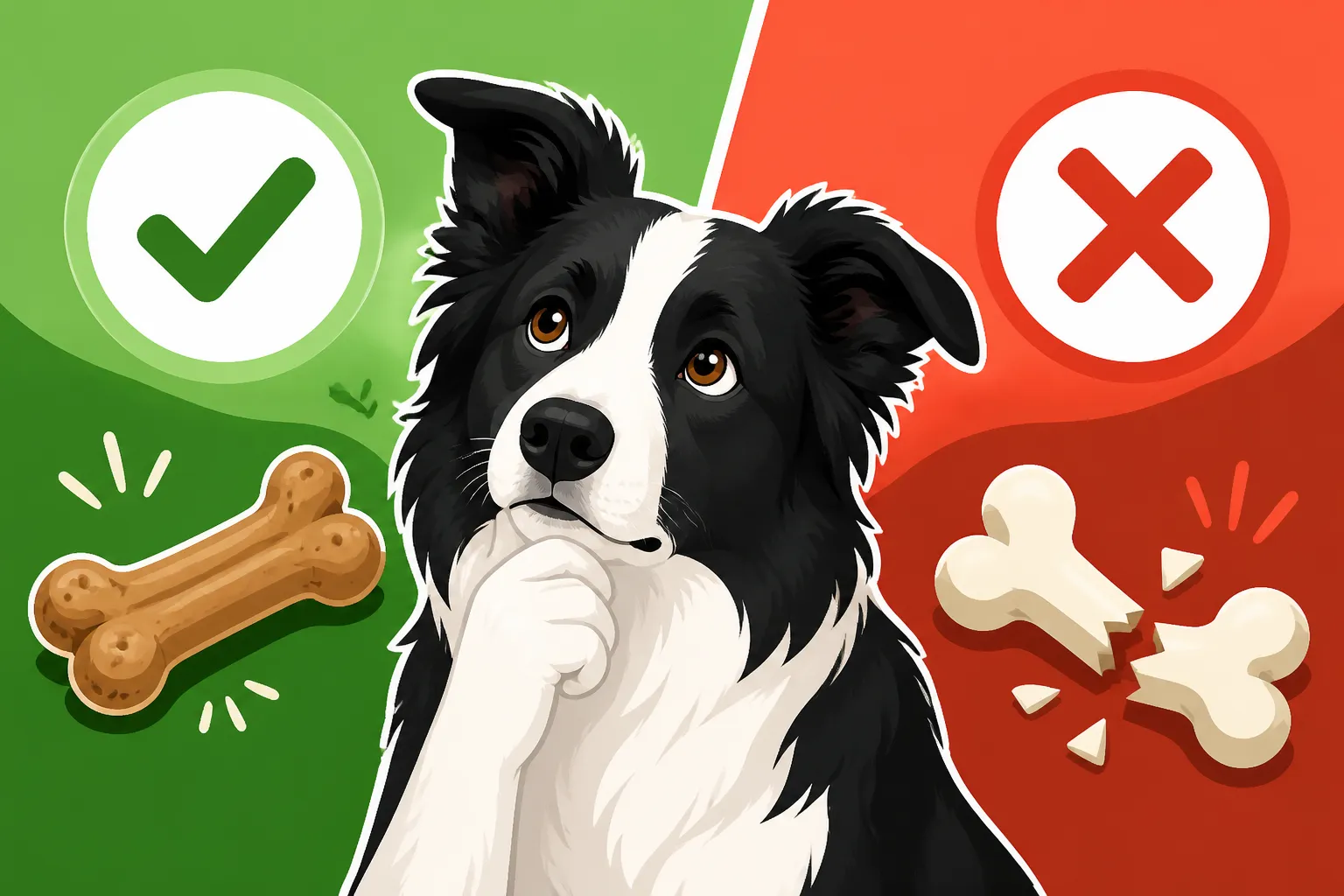
Whether a Border Collie Should Chew Bones at All
Many Border Collie owners gaze down the pet store aisle at all the different types of bones and chews, wrestling with a common dilemma: is giving your high-energy, intelligent dog a bone truly a good idea? It's a valid concern, balancing their undeniable urge to chew with very real safety worries. This guide aims to clear up the confusion, offering a realistic look at the world of bones for Border Collies, examining the benefits, risks, and providing actionable advice on safe alternatives and practices.
The Deep-Rooted Urge to Chew in Border Collies
Let's be honest, Border Collies are chewers. It's not just a puppy phase; for many, it's a lifelong endeavor. This isn't naughtiness or boredom (though boredom certainly exacerbates it); it's a fundamental canine instinct. Dogs explore the world with their mouths, and chewing provides incredible physical and mental stimulation. For a breed as smart and driven as the Border Collie, finding appropriate outlets for this instinct is crucial for their well-being and your sanity.
Why Chewing is Essential for a Border Collie's Well-being
Chewing isn't just about gnawing on something; it's a complex behavior with multiple benefits. Firstly, it's a natural stress reliever. Think of it as canine meditation. When a Border Collie is focused on a challenging chew, it helps to calm their minds and release pent-up energy, especially after a long day of mental or physical work. This can be particularly helpful for dogs that tend to be anxious or overstimulated. It's an activity that truly engages them, giving their active brains a productive task to focus on.
Secondly, chewing plays a significant role in dental health. The act of gnawing helps scrape away plaque and tartar buildup on their teeth, acting like a natural toothbrush. While it's not a substitute for regular veterinary dental care or Brushing a Border Collie's Back Teeth, it certainly contributes to healthier gums and fresher breath. Owners often notice a significant improvement in their dog's oral hygiene when a consistent, safe chewing routine is established.
The Dangers of Inappropriate Chewing
Without proper outlets, a Border Collie's natural chewing instinct can quickly turn destructive. Your furniture, shoes, doorframes, and even walls can become targets. This isn't because they're malicious; it's simply because they need to chew, and if you don't provide an acceptable option, they'll find one themselves. This often leads to frustration for owners and can result in costly repairs or even injury to the dog if they ingest something harmful.
Beyond property destruction, inappropriate chewing can be dangerous for your dog. Swallowing pieces of fabric, wood, or plastic can lead to blockages, choking hazards, or internal injuries, often requiring emergency veterinary intervention. It's a stark reminder that managing their chewing needs isn't just about protecting your belongings, but about protecting your beloved Border Collie's health. You've got to find them something they can chew that is safe and satisfying.
Navigating the Bone Aisle: Raw, Cooked, and Recreational Bones
The world of bones for dogs is vast and confusing, especially with so many differing opinions out there. Let's break down the main categories you're likely to encounter and discuss the risks associated with each, particularly for a high-drive dog like a Border Collie.
Cooked Bones: The Absolute No-Go
If there's one thing you take away from this guide, let it be this: never feed cooked bones to your Border Collie. This includes leftover chicken bones, steak bones, pork chop bones – anything that has been roasted, boiled, fried, or baked. The cooking process changes the bone's structure, making it brittle and prone to splintering into sharp shards.
These sharp fragments can cause a myriad of horrifying problems:
- Choking hazards: A piece can get lodged in your dog's throat.
- Oral injuries: Splinters can break teeth, cut gums, or become embedded in the roof of their mouth.
- Internal damage: Sharp bone fragments can perforate the esophagus, stomach, or intestines, leading to severe internal bleeding and peritonitis, a life-threatening infection.
- Obstructions: Pieces can get stuck anywhere along the digestive tract, requiring emergency surgery.
- Constipation: Bone fragments can lead to severe constipation, which is painful and can be dangerous.
It's just not worth the risk. Keep all cooked bones out of your Border Collie's reach.
Raw Bones: A More Nuanced Discussion
Raw bones are where the discussion gets complicated. Many proponents of raw feeding advocate for feeding raw, meaty bones, believing them to be natural and beneficial. However, even raw bones come with their own set of considerations and risks.
There are generally two types of raw bones:
- Edible Raw Bones: These are typically hollow, non-weight-bearing bones from small animals, like chicken wings, necks, or backs. They are softer and more pliable, designed to be crushed and fully digested. These are often part of a balanced raw diet.
- Recreational Raw Bones: These are larger, denser bones like femurs from cows, knuckles, or hip bones. They are not meant to be fully consumed but are for gnawing. These are the ones often sold in pet stores.
Even with raw bones, risks persist. Pieces can still break off, especially from recreational bones, and lead to choking or intestinal issues. Dental damage is also a significant concern; a Border Collie with a powerful bite can crack or chip teeth on very hard raw bones. This can be incredibly painful for your dog and lead to expensive veterinary dental procedures. You want to avoid Slab Fractures From a Border Collie Carrying Stones, which can also happen from aggressive chewing.
Furthermore, raw bones can carry bacterial contamination like Salmonella or E. coli, posing a risk to both your dog and your family. Proper handling and hygiene are absolutely critical if you choose this route. Some argue that a dog's digestive system is equipped to handle these bacteria, but immunocompromised individuals or those with young children in the household might find the risk too high.
Understanding the Trade-offs: Risks vs. Rewards
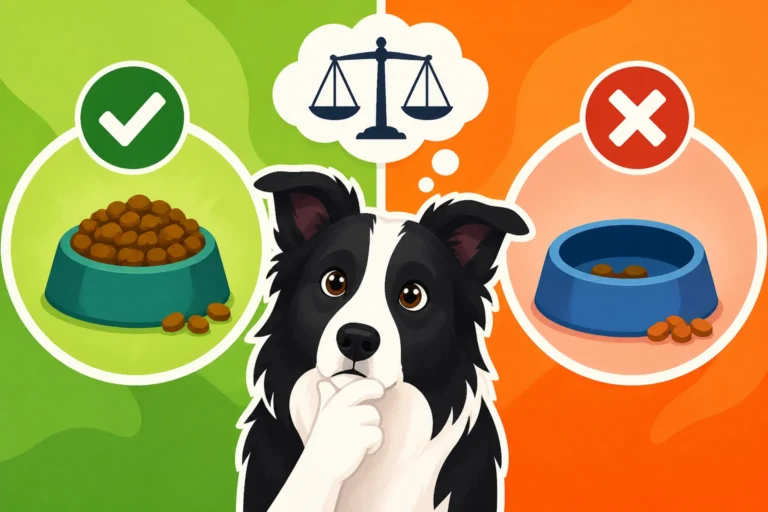
When considering bones, it's a constant weighing of potential benefits against very real dangers. The idea of giving your Border Collie a 'natural' chew is appealing, and the dental benefits can be significant, but you must be acutely aware of the pitfalls. A chipped tooth, a choking incident, or a gut obstruction can turn a seemingly innocent treat into a life-threatening emergency and a very hefty veterinary bill. This is certainly something that could impact The Annual Border Collie Budget Nobody Plans For. For many owners, especially those with busy schedules or less experience, the risks associated with bones, particularly cooked ones, far outweigh any perceived benefits.
Beyond Bones: Safe Chew Alternatives for Your Busy Border Collie
Given the complexities and risks associated with real bones, many Border Collie owners opt for safer, equally satisfying chew alternatives. These options provide the necessary mental and physical stimulation without the dangers of splintering, choking, or bacterial contamination. The market is absolutely flooded with choices, so you'll want to choose wisely. You can often find a wide variety of these safe chews through retailers like Chewy or on Amazon.
Durable Chews and Puzzle Toys
One of the best ways to satisfy a Border Collie's chewing instinct is with high-quality, durable chew toys made from rubber or hard nylon. Brands like Kong, Nylabone, and Goughnuts offer products specifically designed for power chewers. These toys are virtually indestructible and come in various shapes and sizes to keep things interesting. The key is to select a toy that is appropriately sized for your Border Collie – too small and it becomes a choking hazard; too large and it might not be satisfying.
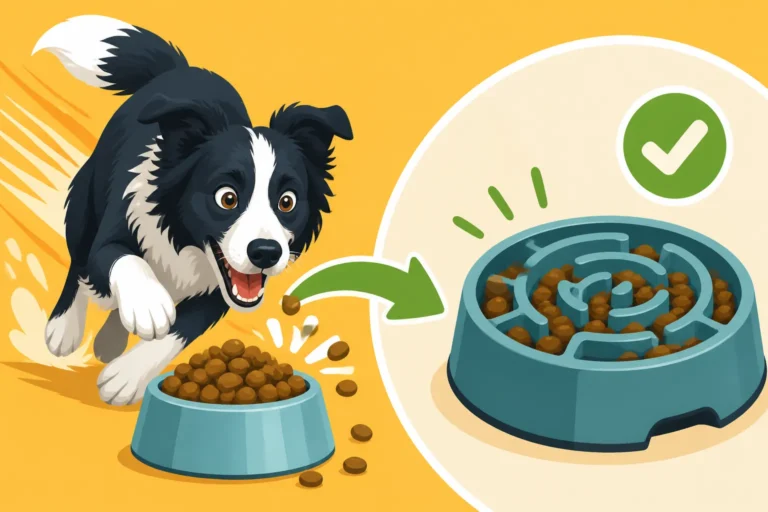
- Rubber Puzzle Toys: These are fantastic because they combine chewing with mental stimulation. You can stuff them with appropriate treats, peanut butter, or even a specialized paste, and freeze them to make the challenge last longer. A Border Collie will spend a good amount of time trying to get every last morsel out, which is incredibly enriching. This is a perfect example of a Puzzle Feeders That Hold a Border Collie.
- Hard Nylon Chews: These chews are designed to be slowly worn down by chewing, offering a long-lasting outlet. They come in various flavors and textures, mimicking bones without the associated risks. Always check that the material is non-toxic and that pieces breaking off are too small to cause an obstruction if swallowed.
Edible Chews and Dental Sticks
If you're looking for something that is fully digestible and contributes to dental health, there are numerous excellent options available. Many of these are specifically formulated to reduce plaque and tartar.
- Dental Chews: Brands like Greenies, Dentastix, and Whimzees offer dental chews designed with unique shapes and textures to scrub teeth as your dog chews. They are typically made from digestible ingredients and are a much safer alternative to bones. Always pick the right size for your dog to ensure proper chewing and to minimize choking risk.
- Chews made from natural ingredients: Look for chews made from single-ingredient sources like yak cheese, sweet potato, or even dehydrated fish skins. These can be very satisfying and generally safer than bones, provided they are of appropriate size and density. However, even these can pose a risk if your dog tries to swallow a large piece whole, so supervision is always recommended.
- Bully Sticks/Pizzle Sticks: These are popular, long-lasting chews made from beef pizzle. They are fully digestible and generally safe, but can be quite rich, so moderation is key. They also vary in hardness and thickness, so choose wisely for your Border Collie's chewing style. These are often available in bulk from stores like Chewy.
The Problem of "How Fast a Border Collie Goes Through Toys"
It's a common lament among Border Collie owners: they annihilate toys at an alarming rate. This intense drive means you need to be constantly vigilant about the condition of their chews. A toy that was safe an hour ago might have a loose piece or sharp edge now.
Here's how to manage it:
- Rotate Chews: Don't leave all chews out all the time. Rotate them to keep things novel and exciting.
- Supervise Chewing Sessions: This is perhaps the most critical advice. Always supervise your Border Collie, especially when they are engaging with a new chew or a recreational bone. If you see them breaking off large pieces, trying to swallow chunks, or if the chew becomes too small, take it away immediately.
- Inspect Chews Regularly: Before offering a chew, inspect it for damage. Discard any chew that is worn down, splintered, or broken. What seems like a small crack can quickly turn into a hazard. You might find some excellent long-lasting, heavy-duty toys by searching on Amazon.
- Consider Subscription Services: Some services, like BarkBox's "Super Chewer" option, specifically cater to dogs who destroy toys, sending durable options directly to your door. Ollie, while primarily a fresh food service, also emphasizes high-quality ingredients, and their approach aligns with owners seeking safe, digestible options for their dogs.
Making Mindful Choices: How to Offer Bones (If You Choose To)
If, after considering the risks and alternatives, you still decide to offer your Border Collie bones, particularly raw recreational ones, it's imperative to do so with extreme caution and a clear understanding of best practices. This isn't a casual decision; it requires careful management.
Selecting the Right Type and Size of Bone
If you choose to give raw bones, focus on recreational bones that are too large for your Border Collie to fit entirely in their mouth, and too dense to be easily broken into swallowable chunks. Beef knuckle bones or large marrow bones are often recommended, but even these carry risks.
Avoid:
- Weight-bearing bones from large animals: These are extremely dense and can easily cause dental fractures. Imagine the force a Border Collie can exert; these bones are often harder than their teeth.
- Bones with sharp angles or edges: These increase the risk of oral injury.
- Bones that have been cut lengthwise: This exposes the marrow, which is highly appealing, but also creates sharp, splinter-prone edges.
- Any bone small enough to be swallowed whole or become a choking hazard.
The Importance of Strict Supervision
I cannot stress this enough: never leave your Border Collie unsupervised with any bone. Accidents happen incredibly quickly. A bone that seems safe one minute can splinter or become a choking hazard the next. You need to be present and attentive throughout the entire chewing session.
- Active Monitoring: Watch your dog's chewing behavior. Are they gnawing gently, or are they aggressively trying to break off pieces? If they're trying to swallow large chunks, the bone needs to be removed.
- Time Limits: Limit chewing sessions to 15-20 minutes. This reduces the risk of excessive wear on teeth and prevents your dog from becoming possessive or overly protective of the bone.
- Removal When Necessary: Once the bone has been gnawed down to a size that could be swallowed, or if it splinters, take it away immediately and discard it. It’s better to err on the side of caution.
Hygiene and Storage Considerations
Raw bones, by their nature, carry bacteria. This means meticulous hygiene is non-negotiable to protect both your dog and your household.
- Outdoor Chewing: Encourage your Border Collie to chew bones outdoors on a surface that can be easily cleaned, or on a dedicated "chew mat" that can be washed.
- Hand Washing: Always wash your hands thoroughly with soap and water after handling raw bones.
- Cleaning Surfaces: Disinfect any surfaces the bone has touched, including floors, dog beds, and food bowls.
- Storage: Store raw bones in the freezer until ready to use, and never leave them out at room temperature for extended periods.
The Veterinary Perspective
Most veterinarians will advise against feeding bones to dogs due to the significant risks involved. They routinely see dogs with broken teeth, oral lacerations, and severe gastrointestinal issues stemming from bone consumption. While some vets are open to raw feeding in general, the consensus on recreational bone chewing often leans heavily towards caution or outright avoidance. It's always best to have an open conversation with your vet about your specific Border Collie's dental health, chewing habits, and any dietary considerations, especially if you're trying to manage their Diet and Seizure Frequency in a Border Collie or other health concerns. They can offer tailored advice based on your dog's individual needs.
Ultimately, whether to give your Border Collie bones is a personal decision, but it should be an informed one. Prioritizing their safety and well-being with safe, appropriate alternatives is almost always the best approach. There are so many wonderful, engaging, and safe chew toys and edible chews available today that can satisfy that innate Border Collie drive without putting them at unnecessary risk. Your energetic companion deserves the best, and that means making choices that keep them happy, healthy, and safe for years to come.
Disclaimer
This article is for general informational purposes only and does not constitute professional advice. Laws, prices and regulations vary by location and change over time. Consult a qualified professional for guidance on your specific situation.