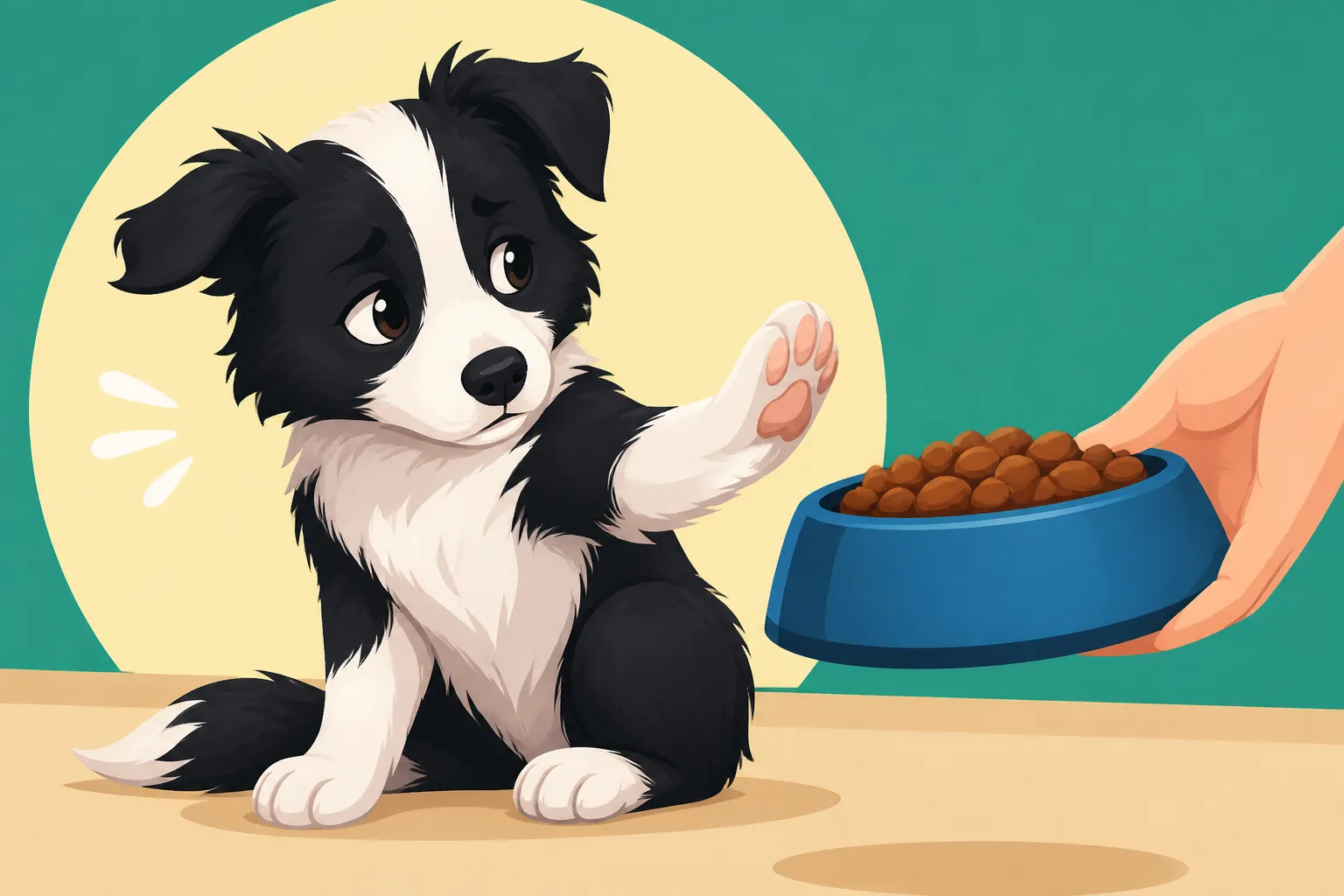
A Border Collie Puppy That Refuses Its Food
It can be incredibly disheartening, and frankly, a bit anxiety-inducing, when your energetic Border Collie puppy, who you expect to be a bottomless pit of enthusiasm, suddenly turns their nose up at their food bowl. You watch them leap and bound, full of life, only to see them approach their meal with suspicion or outright disinterest, leaving you wondering if you're doing something wrong or if something serious is amiss. This guide is here to walk you through the various reasons your Border Collie puppy might be refusing food and offer actionable steps to get them back on track, ensuring they get the nutrition they need to thrive.
Is Your Border Collie Puppy Just Being Picky or Is Something Else Going On?
The first thing to remember is that not every meal refusal is a sign of a major problem. Puppies, just like human toddlers, can have off days, or react to changes in their environment. However, knowing the difference between a temporary fussiness and a genuine concern is key to acting appropriately.
Normal Puppy Behavior vs. Red Flags
Sometimes, a Border Collie puppy’s pickiness is simply a phase or a reaction to their new world. When you first bring a puppy home, everything is new and exciting, and sometimes a little overwhelming. They might be so focused on exploring, playing, or even just processing all the new smells and sounds that food takes a backseat for a meal or two. This transient pickiness might manifest as sniffing the food and walking away, eating only a few bites, or only eating when you hand-feed them. If your puppy is still otherwise bright, playful, has good energy levels, and is producing normal eliminations, then a bit of fussiness is often nothing to lose sleep over. It's usually a passing phase as they adjust to their new routine and surroundings.
However, there are definite red flags that tell you this isn't just normal puppy shenanigans. If your Border Collie puppy is refusing food for more than 24 hours, especially if accompanied by other symptoms, it's time to pay closer attention. Lethargy, meaning they’re unusually tired or inactive, is a big sign. Vomiting, diarrhea, or any significant change in their stool consistency and frequency are also immediate concerns. If they seem to be losing weight, even subtly, or if their gums look pale, these are all indicators that something more serious is at play and professional veterinary advice is warranted. It’s always better to be safe than sorry when it comes to a rapidly growing puppy.
Common Reasons for Temporary Appetite Loss
Beyond just the initial adjustment period, several other common factors can lead to a Border Collie puppy temporarily losing interest in their meals. Understanding these can help you identify and address the issue without undue panic.
One of the biggest culprits is stress. Moving to a new home, even if it's a loving one, is a huge change. Think about it: new people, new smells, new sounds, new routine. All of this can be a bit much for a young pup. Even seemingly minor changes, like rearranging furniture, having visitors, or changing your own daily schedule, can throw a sensitive Border Collie puppy off kilter. This can lead to a slight dip in appetite as they process these stressors. Providing a consistent, calm environment and predictable routines can go a long way in alleviating this type of stress-related pickiness.
Teething is another incredibly common reason for a temporary refusal of food. Just like human babies, puppies experience discomfort as their sharp little puppy teeth fall out and their adult teeth emerge. This can start around 3-4 months and continue for several months. Chewing can be painful, especially on hard kibble. You might notice them favoring softer things, or gnawing on toys more intensely than usual. Offering softened food or specific teething toys can help ease their discomfort and encourage them to eat.
Lastly, and this is a big one for many well-meaning owners, over-feeding treats or human food can absolutely make your Border Collie puppy turn up their nose at their perfectly nutritious kibble. Who wants plain kibble when they know there's a chance of cheese or chicken being offered instead? High-value treats for training, while useful, should be factored into their daily calorie intake, and human food, if given at all, should be in very small, appropriate quantities and not become a primary food source. If your pup is getting too many calories from treats, they simply won't be hungry for their regular meals. This is especially true for an intelligent breed like a Border Collie; they learn very quickly how to manipulate you for the good stuff!
Diving Deeper: Health Concerns That Affect a Puppy's Appetite
While temporary pickiness can often be managed at home, it's crucial to be aware that a persistent lack of appetite can signal underlying health issues. Border Collies are generally hardy dogs, but puppies are vulnerable to various ailments that can impact their desire to eat.
Digestive Upsets and Parasites
One of the most frequent reasons for a puppy refusing food is an upset tummy, often caused by internal parasites. Puppies are highly susceptible to worms (roundworms, hookworms, whipworms), giardia, and coccidia. They can pick these up from their mother, from the environment, or even from other pets. If your Border Collie puppy has a potbelly, loose stools (which might range from soft to watery, sometimes with blood or mucus), seems to be struggling to gain weight despite eating, or even vomits occasionally, parasites are a strong possibility. These unwelcome guests irritate the digestive tract, making eating uncomfortable and inefficient.
It’s why regular deworming is so vital in puppies. If you've just brought your puppy home from a breeder or rescue, they should have already received several rounds of dewormer, but it's not foolproof, and some parasites require specific medications. If you suspect parasites, collecting a fresh stool sample and taking it to your vet is the quickest way to get a diagnosis. Don't underestimate the impact these tiny organisms can have on a growing Border Collie's appetite and overall health. Addressing them promptly is key to getting your puppy thriving again. Your veterinarian can also advise you on The First Year of Border Collie Spending, which often includes crucial preventative care like deworming.
Other Medical Issues to Rule Out
Beyond the common digestive woes, there's a range of other medical issues that could cause your Border Collie puppy to refuse food. Infections are a prime example. A viral infection, much like a cold or flu in humans, can leave a puppy feeling generally unwell, with symptoms like a mild fever, nasal discharge, coughing (think kennel cough), or just overall malaise. When they feel run down, food is often the last thing on their mind. Bacterial infections can also be a culprit, sometimes manifesting as urinary tract infections or skin issues, which, while not directly stomach-related, can still make a puppy feel too uncomfortable to eat.
Pain, even subtle pain, can also suppress appetite. Puppies are active creatures, and bumps, scrapes, or minor strains are not uncommon. However, sometimes the pain is internal, such as from a growing pain or a mild injury that isn't immediately obvious. In rare cases, more serious congenital issues could be at play. Reputable breeders usually screen their dogs, and you can learn more about this by asking about The Border Collie Genetic Panel and What It Screens for the parents. However, no screening is 100% comprehensive, and new issues can always arise. If your puppy seems withdrawn, yelps when touched in certain areas, or moves stiffly, pain could certainly be a factor in their food refusal.
Finally, while teething is normal, severe dental issues can also occur. Fractured puppy teeth, retained deciduous teeth (puppy teeth that don't fall out when they should), or gum infections can make eating incredibly painful. A quick check of your puppy’s mouth by your vet can rule out these issues. It’s always best to be proactive, as ignoring these signs could lead to more serious problems down the line, potentially leading to situations where The Untested Border Collie That Costs You at Four could be a reality due to overlooked early symptoms.
Practical Strategies to Encourage Your Border Collie Puppy to Eat
Once you've ruled out significant health concerns with your veterinarian, it's time to implement some practical strategies to help your Border Collie puppy develop a healthy appetite and positive mealtime habits. These strategies focus on routine, food appeal, and overall well-being.
Establishing a Routine and Optimizing the Feeding Environment
Consistency is absolutely vital for a Border Collie, especially a puppy. These intelligent dogs thrive on routine, and predictability helps them feel secure, which in turn can positively impact their appetite. Establish consistent meal times each day. For a growing Border Collie puppy, feeding two or three times a day is usually recommended. You can find more specific guidance on How Often a Border Collie Puppy Is Fed to ensure you're meeting their needs. Serve meals at the same time every day, and in the same quiet, undisturbed location. This could be a corner of the kitchen, their crate, or a dedicated feeding station away from household commotion. Avoid feeding them in high-traffic areas where they might feel stressed or distracted.
Another key piece of advice is to put the food down for a set period, say 15 to 20 minutes, and then pick it up, even if they haven't eaten it. This teaches your puppy that food isn't available on demand all day long, and if they're hungry, they need to eat when it's offered. It prevents them from becoming a grazer and makes them appreciate meal times. It also helps you accurately monitor their intake. Ensure their food and water bowls are appropriate for their size. Some puppies prefer raised bowls, while others are fine with bowls on the floor. If you have multiple pets, make sure your Border Collie puppy has their own designated feeding space where they feel safe and unthreatened, allowing them to eat without feeling rushed or competitive.
Tempting a Finicky Eater: Food Choices and Enhancements
If your Border Collie puppy is otherwise healthy but still a bit finicky, it might be time to play around with their food a little to make it more appealing. Sometimes, simply changing the brand or type of kibble can make a huge difference. There are so many high-quality puppy foods on the market, each with different protein sources, kibble shapes, and flavors. Websites like Chewy offer a vast selection, allowing you to try different options without having to visit multiple stores. Be sure to transition slowly if changing foods to avoid upsetting their stomach.
Consider enhancing the existing food rather than constantly switching. Warming up kibble slightly with a little warm water can release its aroma, making it more enticing. You can also add a small amount of low-sodium chicken or beef broth (ensure no onion or garlic!), a spoonful of plain canned pumpkin (great for digestion), or even a dollop of plain yogurt. Some owners have success mixing in a small amount of wet puppy food or freshly cooked, unseasoned chicken or scrambled egg. Brands like Ollie specialize in fresh, human-grade dog food, which some picky eaters absolutely adore. Just remember that any additions should be a small portion of their meal, not the majority, to ensure they're still getting the balanced nutrition from their primary food.
Here's a quick look at some food enhancement ideas:
| Enhancement Method | Description | Benefits | Cautions |
|---|---|---|---|
| Warm Water/Broth | Add a small amount of warm water or low-sodium broth to kibble. | Enhances aroma, softens kibble, aids hydration. | Ensure broth is onion/garlic-free. |
| Canned Pumpkin | A spoonful of plain, unsweetened canned pumpkin (not pie filling). | Fiber aids digestion, adds moisture and mild flavor. | Use plain pumpkin only. Too much can cause loose stools. |
| Plain Yogurt | A small dollop of plain, unsweetened yogurt with live cultures. | Probiotics can support gut health, adds a creamy texture. | Ensure it's plain; many yogurts have artificial sweeteners. |
| Cooked Egg/Chicken | Small amount of boiled chicken (shredded) or scrambled egg (plain). | High-value protein, very enticing flavor and texture. | Cook thoroughly, no seasoning. Introduce slowly. |
| Wet Puppy Food | Mix in a tablespoon or two of quality wet puppy food. | Stronger aroma, softer texture, can make dry kibble more palatable. | Choose a high-quality brand, consider calorie count. |
| Fish Oil | A small amount of dog-specific fish oil (often in capsules). | Beneficial for coat and skin health, slight flavor enhancement. | Don't overdo it, can cause diarrhea. Check dosage. |
Exercise, Hydration, and Stress Reduction
A well-exercised Border Collie puppy is usually a hungry Border Collie puppy! These dogs are bred for work and possess incredible energy levels. If your puppy isn't getting enough physical and mental stimulation, they might be too restless, anxious, or simply not burning enough calories to build a hearty appetite. Daily walks, while important, are often not enough for a Border Collie. Structured play, training sessions, and even some Mental Work That Tires a Border Collie Faster like puzzle toys or scent games, can significantly increase their calorie expenditure and make them eager for their next meal. However, be mindful of over-exercising a young puppy, as their growth plates are still developing. Moderate, age-appropriate exercise is key.
Ensuring constant access to fresh, clean water is also crucial. Sometimes, a puppy might seem off their food when they are actually slightly dehydrated or simply uncomfortable. A well-hydrated puppy is a healthier puppy all around. Place water bowls in multiple locations in your home, especially after periods of play or exercise.
Finally, consider the overall stress levels in your home. Border Collies are highly sensitive and can pick up on tension or chaos. A calm, consistent home environment, with clear boundaries and positive reinforcement, will help your puppy feel secure. This security translates to less anxiety and a healthier appetite. For many puppies, their crate can become a safe haven, and feeding them in their crate can sometimes help them relax and eat. Don't forget that their mental well-being is just as important as their physical health.
When to Call the Vet: Don't Wait if You're Worried
Even with all the best intentions and strategies, there are times when a Border Collie puppy refusing food signals a more serious issue that absolutely requires professional veterinary attention. Knowing these warning signs and acting quickly can make all the difference for your young companion.
Signs That Warrant Immediate Veterinary Attention
You know your Border Collie puppy best, and if something just feels "off" beyond a little pickiness, trust your gut. However, there are specific symptoms that should send you to the vet without delay. If your puppy refuses food for more than 24 hours, especially if they are a very young pup, this is a serious concern. Puppies have less metabolic reserve than adult dogs, and they can dehydrate and become hypoglycemic (low blood sugar) much faster.
Any combination of food refusal with vomiting and/or severe, persistent diarrhea is an emergency. This can indicate anything from a severe parasitic infection, a bacterial infection, or even something more serious like a viral illness (e.g., parvovirus), which can be life-threatening for puppies. Lethargy—meaning your puppy is unusually quiet, slow to respond, doesn't want to play, or just seems generally weak—coupled with a lack of appetite is another red flag. If they appear to be in pain (whimpering, guarding an area of their body, reluctance to move), have a fever (hot ears, nose, or groin area), or are experiencing rapid weight loss, these all point to a significant health problem. Remember, conditions like these can escalate quickly in young dogs, so prompt veterinary care is paramount. Be prepared for Vaccination Costs for a Border Collie Puppy and other preventative vet care.
Preparing for Your Vet Visit
When you notice your Border Collie puppy isn't eating and you've decided it's time to see the vet, a little preparation can help your vet get to the bottom of the issue faster. The more information you can provide, the better.
Start a food diary as soon as you notice the problem. Note down:
- What food you offered (brand, type, any additions)
- How much you offered
- How much they actually ate (estimate if you can)
- When you offered it
- Any treats or human food given
Also, keep a detailed record of any other symptoms you’ve observed. This includes the frequency and consistency of their stool (even taking a photo can be helpful!), any vomiting (when, how much, what it looked like), their energy levels (are they playing normally, or are they sluggish?), changes in thirst, urination, or even subtle behavioral changes. Note the date and time of these observations. Your vet will ask about your puppy's vaccination and deworming history, so have those records handy. If you picked your puppy up from a breeder, having information about What a Border Collie Puppy Costs From a Working Breeder might also come with health guarantees, so have your paperwork ready. Sometimes, the vet might ask for a fresh stool sample, so it's a good idea to bring one along if possible. All these details will provide your veterinarian with a comprehensive picture, allowing them to make an accurate diagnosis and get your beloved Border Collie puppy back to their enthusiastic, hungry self.
Disclaimer
This article is for general informational purposes only and does not constitute professional advice. Laws, prices and regulations vary by location and change over time. Consult a qualified professional for guidance on your specific situation.