What ABCA Registration Costs for a Border Collie
You're looking into bringing a Border Collie into your life, and suddenly you're faced with a dizzying array of registries and paperwork, especially if you're interested in a dog from working lines. It can be incredibly confusing to figure out what "ABCA registration" actually means for your wallet and your new companion. This guide is here to break down the costs associated with ABCA registration for a Border Collie, helping you understand not just the fees, but the philosophy behind them.
Understanding the ABCA and Its Mission
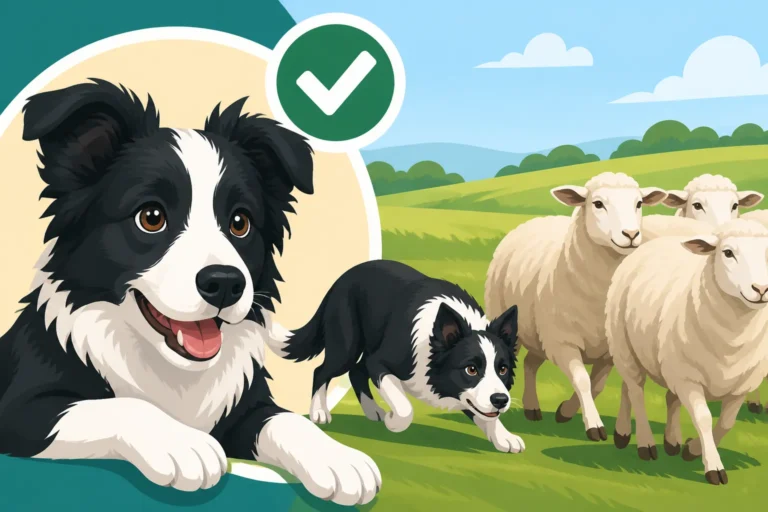
The American Border Collie Association (ABCA) isn't just another dog registry; it's a steward of the working Border Collie. Unlike some registries that focus on conformation (how a dog looks according to a breed standard), the ABCA's entire mission revolves around preserving the Border Collie's traditional working ability with livestock. This distinction is crucial because it influences everything, from breeding practices to registration requirements and, yes, the costs involved.
When you're talking about an ABCA-registered Border Collie, you're inherently talking about a dog whose lineage is tied to generations of proven working ability. The ABCA believes that the Border Collie's primary purpose is to herd, and their registry system is designed to ensure that these invaluable traits are maintained. This focus means that every dog registered with the ABCA is meant to embody the intelligence, athleticism, and intense "eye" that make the breed so exceptional on the farm and in the trial field. Understanding this foundational principle helps frame why the costs are structured the way they are, and why certain things are prioritized over others.
The Working Dog Ethos
The heart of the ABCA's approach lies in its dedication to the working dog ethos. They aim to protect the Border Collie from becoming diluted by breeding for appearance alone, which they argue can lead to a loss of the very qualities that define the breed. For them, a Border Collie isn't just a pretty face; it's a highly capable working partner. This commitment is reflected in their policies, which prioritize evidence of working instinct and ability in their registration process.
Think about it this way: a breeder striving for ABCA registration isn't just filling out paperwork. They are typically selecting breeding stock based on their performance on sheep, their temperament, and their health, rather than just their pedigree name or how they stack up against a show ring ideal. This means that the investment a breeder makes in their dogs—from training and trialing to careful health screening—is substantial. This philosophy often resonates deeply with individuals looking for a dog that truly embodies the Border Collie's famed intelligence and drive, whether they intend to work sheep or excel in dog sports like agility. The integrity of the registry helps ensure that the traits you expect from a working-bred Border Collie are indeed present. You can delve deeper into this by reading Why Working Breeders Fought AKC Recognition.
Why Breeders Choose ABCA
For serious working Border Collie breeders, the ABCA is often the registry of choice precisely because of its unwavering commitment to working ability. It’s a mark of authenticity within the working dog community. When a breeder chooses to register their dogs with the ABCA, they are aligning themselves with a tradition that values function above all else. This can be a huge selling point for prospective owners who are looking for a dog with genuine herding instinct, whether for farm work, advanced dog sports, or simply a highly intelligent and engaged companion.
Breeders often put a lot of effort into proving their dogs' capabilities, sometimes traveling to trials and clinics, which is an investment in time and resources. When you see "ABCA registered" on a puppy's description, it typically means the breeder has taken steps to ensure the parents come from proven working lines. This doesn't guarantee your puppy will be a champion, of course, but it significantly increases the likelihood of inheriting those coveted Border Collie traits. The ABCA's emphasis on verifying working lineage means that the registration process is more than just administrative; it's a qualitative assessment of the breed's core purpose. If you're curious about the process, you might want to look at How Border Collies Are Registered on Merit.
Deconstructing ABCA Registration Costs
Navigating the various fees for ABCA registration can feel a bit like reading a foreign language at first. It’s not a single flat fee for a lifetime. Instead, there are different stages and types of registration, each with its own associated cost. Understanding these will give you a clearer picture of what breeders pay and what you, as a new owner, might encounter if you choose to pursue individual registration or transfer ownership.
Generally speaking, the costs are designed to be accessible but also reflect the administrative efforts involved in maintaining a robust registry focused on working lineage. The fees contribute to the ABCA's operational expenses, which include maintaining pedigrees, processing applications, and supporting educational initiatives that further the breed's working integrity.
Litter Registration
The first major cost associated with ABCA registration falls to the breeder: litter registration. When a breeder has a litter from two ABCA-registered parents, they'll typically register the entire litter with the ABCA. This step is crucial because it formally acknowledges the parentage and pedigree of the puppies. Without a registered litter, individual puppies cannot be registered later on.
The fee for litter registration covers the processing of the litter application, verifying the parentage, and assigning individual numbers to each puppy. It's a foundational step that confirms the litter's eligibility for ABCA papers. Breeders include this cost in the overall price of a puppy, so while you don't pay it directly, it's a part of what contributes to the value of an ABCA-registered puppy. It's a testament to the breeder's commitment to verifiable lineage. For prospective buyers, it's always a good idea to ask a breeder about this process and if the litter has indeed been registered, or when it will be.
Individual Dog Registration
Once a litter is registered, individual puppies from that litter can then be registered to their new owners. This is where you, as a new Border Collie owner, might come in contact with direct ABCA fees. Often, breeders handle the initial individual registration for you and include the cost in the puppy's purchase price, especially if they are providing "limited" registration (meaning the dog can't be bred). However, sometimes you might receive the paperwork to complete the registration yourself, or you might want to upgrade to a "full" registration for breeding or competing in certain events.
The fee for individual dog registration typically depends on whether the dog is from a pre-registered litter and if you're registering as a new owner or transferring ownership. There might also be different fees for registering an older dog whose litter wasn't initially registered, which usually involves more extensive pedigree research and verification. It’s always best to check the official ABCA website for the most current fee schedule, as these figures can shift over time. However, to give you a general idea of the structure:
| Type of ABCA Registration | Description | Who Pays (Typically) | Key Consideration |
|---|---|---|---|
| Litter Registration | Registering a litter born from two ABCA-registered parents. | Breeder | Establishes eligibility for individual puppy papers. |
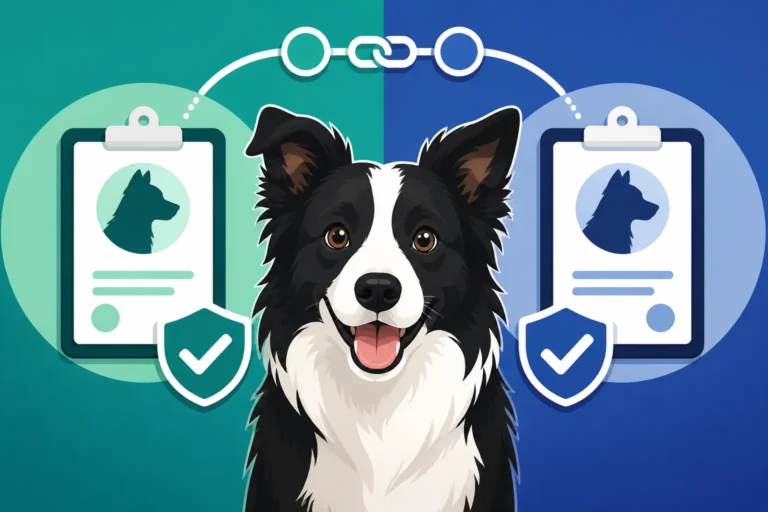
| Individual Registration | Registering a single puppy from an ABCA-registered litter. | Breeder/New Owner | Confers official ABCA pedigree on your dog. |
| Transfer of Ownership | Changing the registered owner of an already registered dog. | New Owner | Essential for maintaining accurate records. |
| Import Registration | Registering a Border Collie imported from another country. | Importer/New Owner | More complex, often requires foreign registry papers (e.g., ISDS). |
| Hardship Registration | For dogs meeting ABCA criteria but without full pedigree documentation. | Owner | Requires extensive documentation and proof of working ability. |
Please note: This table provides a general overview. Specific fees and requirements can be found on the official ABCA website.
Transfer and Pedigree Fees
Beyond initial registration, there are other administrative costs you might encounter. If you purchase an already registered Border Collie and want to officially update the records to reflect you as the new owner, there will be a transfer of ownership fee. This is a common practice, especially for older dogs or those acquired from different sources.
Another potential cost is for requesting official pedigree certificates or copies of registration papers. If you need a certified pedigree for breeding purposes, competition, or simply for your own records, there's usually a small fee associated with obtaining these documents. These fees ensure the ABCA can continue to maintain its extensive database and provide accurate, verified information to its members. Breeders often cover the initial registration or transfer fees for puppies, but any subsequent requests for duplicates or specific pedigree analyses would fall to the owner. This helps keep the registry efficient and sustainable. You might also want to explore Whether ISDS Papers Transfer With a Border Collie if you are looking at imported dogs.
Beyond the Initial Fee: The Value and Implications of ABCA Registration
It's easy to look at registration fees as just another expense, but with ABCA registration, you're investing in more than just a piece of paper. These fees support an organization dedicated to preserving the core essence of the Border Collie. The value extends far beyond the monetary cost, touching on pedigree integrity, breed preservation, and the ongoing support of the working dog community. This becomes especially clear when you consider the potential long-term expenses and benefits associated with owning such a capable and driven dog.
The reputation of the ABCA carries significant weight in the working dog world. It signifies a certain standard and expectation of working ability, which in turn influences the broader community of Border Collie owners and enthusiasts. Choosing an ABCA-registered dog often means choosing a dog that has been bred with purpose, and that purpose is directly tied to the breed's historical role.
Proving Pedigree and Working Lineage
The most direct benefit of ABCA registration is the verifiable pedigree and proven working lineage it provides. For a working Border Collie, a strong pedigree isn't just about famous ancestors; it's about a consistent line of dogs that have demonstrated exceptional herding ability. This information is invaluable for breeders looking to make informed decisions about pairings, and for owners who want to understand their dog's potential.
This pedigree documentation can also be critical for participating in various herding trials and dog sports where proof of breed and lineage is often required. It's a way of saying, "Yes, this dog comes from a line that truly works." When you consider the effort and skill that goes into training a Border Collie for sheep work, knowing you have a solid genetic foundation is paramount. This can save you a lot of guesswork and heartache down the line, as a well-bred dog is more likely to have the instincts and temperament necessary for serious training. You can learn more about the screening that goes into this by reading The Border Collie Genetic Panel and What It Screens.
Supporting the Breed's Future
Every registration fee, every transfer, and every requested pedigree copy contributes directly to the ABCA's ongoing efforts to protect and promote the working Border Collie. These funds are used for administrative costs, but also for educational programs, research into breed-specific health issues, and initiatives that support herding trials and working events. In essence, by paying these fees, you're becoming a small part of a larger mission to ensure that future generations of Border Collies retain their incredible working capabilities.
This collective effort is vital because the breed's future depends on careful, thoughtful breeding and the continued focus on its original purpose. Without organizations like the ABCA, the unique traits of the working Border Collie could easily be lost. It's an investment in heritage and in the continued availability of these exceptional dogs for those who truly appreciate their talents. This long-term view is something many dedicated Border Collie owners find deeply appealing.
Long-Term Considerations
While ABCA registration fees are a relatively small part of the overall cost of Border Collie ownership, they point to broader implications for a working-line dog. These dogs often come with high intelligence and intense drive, meaning they need significant mental and physical engagement. This translates into costs for high-quality food, perhaps a performance-focused diet from brands like Ollie, to fuel their active lifestyle. You might also find yourself investing in professional training, advanced sports classes, or even herding lessons, all of which have their own associated costs.
Furthermore, a highly active Border Collie is more prone to certain sport injuries, making good veterinary care and potentially pet insurance from providers like Healthy Paws a wise investment. Regular check-ups, preventative care, and specialized gear (like durable toys and training equipment from Chewy) are all part of the commitment. The initial registration cost is just the entry point into a world of dedicated ownership where the true "cost" is measured in time, effort, and a deep understanding of what these incredible dogs need to thrive. For a comprehensive look at the financial commitment, check out The Annual Border Collie Budget Nobody Plans For.
Disclaimer
This article is for general informational purposes only and does not constitute professional advice. Laws, prices and regulations vary by location and change over time. Consult a qualified professional for guidance on your specific situation.