Buying a Border Collie Already Started on Sheep
The dream of owning a Border Collie that can actually work stock is a powerful one, but for many, the sheer time, knowledge, and resources required to train a raw puppy from the ground up can feel completely overwhelming. It's a huge commitment, and often, folks wonder if there's an easier path to having a capable working partner. This guide is here to unravel the complexities of buying a Border Collie that is already started on sheep, exploring what that truly means, what to look for, and how to navigate this exciting, yet sometimes tricky, endeavor.
Understanding What "Started on Sheep" Really Means
When you see an advertisement or hear someone talk about a "started" Border Collie, it's easy to assume they mean a dog that’s ready to go to work on your farm tomorrow. However, just like with human apprenticeships, there's a wide spectrum of what "started" actually entails in the working dog world. It's crucial to dig deeper than just the term itself.
The Spectrum of "Started" Work
For some, "started on sheep" might simply mean the dog has been exposed to livestock and shown some basic, raw instinct. This could be as minimal as an "instinct test," where a young Border Collie is put in a small pen with a few sheep to see if it shows any natural interest, eye, or desire to gather. While a positive instinct test is a good foundational step, it certainly doesn't mean the dog knows how to work. It simply indicates that the potential is there, much like a child showing an aptitude for music doesn't mean they can play a symphony.
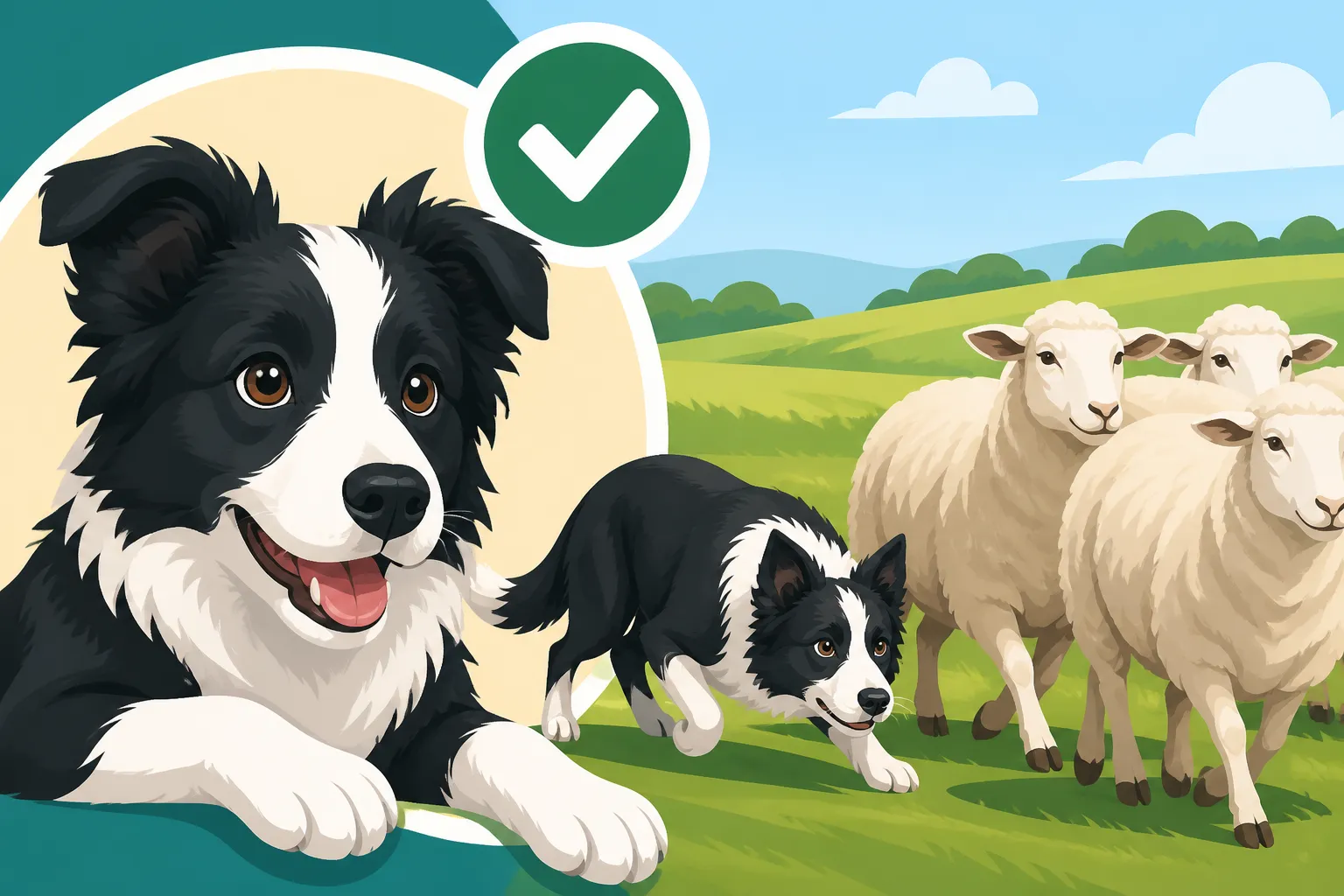
Other times, "started" might mean the dog has a bit more experience, perhaps having been on sheep a handful of times, showing some basic directional control. They might understand concepts like pressure and release, or how to move a small group of sheep in a general direction, but without the precision or steadiness needed for real farm work or competitive trialing. It's a work in progress, often still quite green, and will require significant investment from you to develop further. You’re essentially buying a dog that has had The First Time a Border Collie Meets Sheep out of the way and perhaps a few more sessions under its belt.
Then there are those dogs that are truly "started" in a meaningful sense, meaning they've grasped basic commands and can perform them reliably on livestock. They might understand "Come Bye" (go clockwise around the sheep) and "Away to Me" (go counter-clockwise), along with a "Walk Up" (move forward towards the sheep) and a "Lie Down" at a relatively close distance. This level of training represents a significant time investment from the previous handler and usually comes with a corresponding increase in price.
Beyond Instinct: Control and Manners on Stock
The real magic of a working Border Collie isn't just its instinct to gather; it's the control and manners it exhibits while doing so. A dog with raw, untempered instinct can be more of a menace than a help, chasing sheep haphazardly, splitting the flock, or even gripping them (biting at their legs or wool). A truly started dog, even a young one, should be showing signs of understanding how to apply pressure to the sheep without losing its head.
A critical aspect of a well-started dog is its ability to be "steady." This means it can maintain a calm, focused presence on the stock without rushing them or becoming overexcited. It's not about speed as much as it is about thoughtful, controlled movement. A handler might have spent months patiently teaching a dog to move around the stock deliberately, correcting any tendency to rush or be overly aggressive. This steadiness is vital for ensuring the welfare of the sheep and for effective work.
Another often overlooked, but immensely important, aspect of a started dog's training is the "That'll Do" command. This signals to the dog that the work is over, and it needs to switch off, return to the handler, and relax. Without this command, a Border Collie can struggle to transition from intense work to calm home life, potentially leading to obsessive behaviors or an inability to settle. A good started dog should understand this concept, even if it still needs refining by its new owner. The ability to truly end a Border Collie's work and have them disengage from the task is invaluable.
The Advantages and Disadvantages of a Started Dog
Opting for a Border Collie that already has some experience on sheep can be a fantastic route for many, but it's essential to weigh both the significant benefits and the potential pitfalls before making a commitment. It's not a shortcut, but rather a different path with its own set of considerations.
The Immediate Benefits and Time Savings
One of the most appealing advantages of a started dog is the considerable head start it provides. Training a Border Collie from puppyhood to reliably work sheep is a monumental task, often taking years of consistent effort, access to sheep, and expert guidance. By acquiring a started dog, you essentially skip the most foundational (and often the most frustrating) stages of herding development. You don't have to worry about whether your puppy will even show interest in sheep, or if it will develop good "eye" and gathering instincts.
Furthermore, you get to see the dog's innate talent and working style in action before you commit. You can observe its natural ability, how it uses its "eye," its drive, and its overall demeanor around livestock. This reduces the risk inherent in purchasing a raw puppy, where the genetic potential is there, but the manifestation of that potential is still unknown. You can avoid the heartbreak of investing years into a dog only to find it lacks the necessary drive, has a tendency to grip, or simply isn't suited to the kind of work you need. This immediate insight into the dog's capabilities can save you a lot of guesswork and potential disappointment.
A well-started dog allows for faster progress towards your goals, whether that's practical farm work, competitive trialing, or simply a deep partnership with a dog that understands its purpose. Instead of focusing on the absolute basics, you can concentrate on refining the dog's existing skills, teaching them your personal handling style, and advancing their education to higher levels of complexity. You can often begin to utilize their skills on your own stock or in more advanced training scenarios much sooner than with a puppy.
Potential Challenges and the Importance of Compatibility
However, buying a started dog isn't without its challenges. The most significant hurdle is often the need for the dog to transition from its previous handler's methods to yours. Dogs are incredibly attuned to their handlers, and a started dog will have learned a specific set of commands, whistles, and body language from its original trainer. What one handler calls "come bye," another might use a different tone or whistle for. This "transfer of education" requires patience, consistency, and often, the willingness to adapt your style to what the dog already knows, at least initially. Imagine trying to learn a new language after already being fluent in another – it takes effort to switch.
Another concern is the potential for "hidden issues." Why is this dog being sold? While many sales are legitimate – a handler might be reducing their pack, focusing on a different breeding line, or simply selling a dog that doesn't quite fit their specific, high-level competitive goals – it's crucial to ask probing questions. Is there an underlying health issue that might not be immediately apparent, like early signs of Hip Dysplasia in a Border Collie That Runs All Day? Is there a temperament flaw, such as excessive reactivity, or a particular working quirk that makes it difficult for the previous handler? Sometimes, a dog might have a strong eye but refuse to break it, creating issues in certain working scenarios – a problem that needs careful consideration when you encounter The Border Collie That Will Not Break Its Stare. Always proceed with a healthy dose of skepticism and thorough investigation.
Finally, there's the critical aspect of building a bond. While Border Collies are generally eager to please and form strong attachments, an adult dog, especially one that has been intensely bonded to a previous working partner, may take time to fully trust and connect with you. This isn't just about emotional connection; it's about developing the seamless communication that defines a great working partnership. You need to earn that trust and demonstrate your leadership in the field. This process can be slower than with a puppy you raise from eight weeks, but equally rewarding once achieved.
Where to Find a Border Collie Started on Sheep
Finding a Border Collie that's already started on sheep isn't like popping down to your local pet store or searching online for generic puppy ads. This is a specialized market, and knowing where to look and who to trust is paramount to a successful purchase.
Reputable Working Dog Breeders and Handlers
The absolute best place to begin your search is within the established network of working dog breeders and competitive sheepdog handlers. These individuals live and breathe Border Collies and their work. Many top handlers will occasionally sell started dogs, sometimes because they have too many dogs, or because a particular dog, while highly capable, doesn't quite fit their specific long-term breeding or trial plans. They often have pups from their best working lines that they start themselves. These dogs will likely come with impeccable pedigrees and known health histories, as ethical breeders are very careful about health clearances.
You might find these dogs advertised through national organizations like the United States Border Collie Handlers' Association (USBCHA) or regional sheepdog associations. Handlers often post on their personal websites or word-of-mouth through the working dog community. Attending sheepdog trials is an excellent way to network, meet handlers, and see dogs work firsthand. A handler you admire at a trial might know of a started dog for sale, or even have one themselves. They are usually transparent about the dog's training level, temperament, and any quirks it might have. When looking at these dogs, it’s useful to know what kind of price tag you might be looking at for What a Trained Border Collie Sheepdog Sells For—a started dog will be in this range, though perhaps on the lower end depending on its level of training and age.
When inquiring, don't be shy about asking about the dog's parents' working ability, their health clearances (such as hip and elbow scores, and genetic panel results), and the specific commands the dog knows. A reputable seller will be happy to provide this information and perhaps even offer references from previous buyers.
Online Marketplaces and Specialist Forums
While the face-to-face networking at trials is invaluable, the digital age has also opened up online avenues for finding started Border Collies. Websites specifically dedicated to working dog classifieds, such as WorkingDogWeb, or specialized Facebook groups focused on Border Collies for herding or sports, can be good resources. These platforms cast a wider net and can connect you with sellers across the country.
However, a word of caution is absolutely necessary here: the anonymity of the internet means you need to be extra vigilant. Not all sellers are equally reputable, and it's easier for less ethical individuals to misrepresent a dog's abilities or health status. Always ask for recent videos of the dog working sheep, preferably unedited and showing various commands and scenarios. Request references from previous buyers or their veterinarian. Be wary of listings that seem too good to be true, or where the seller is reluctant to provide detailed information or allow you to visit and observe the dog in person.
It's not uncommon for talented, but perhaps younger, handlers to start a promising pup and then sell it on to fund their own trialing ambitions or to make room for another prospect. These dogs can be fantastic opportunities, as they often have excellent breeding and a solid foundation. Just remember to do your due diligence and ask questions about the dog's training methods, its exposure to different types of livestock, and its overall temperament, both on and off the job.
Assessing a Started Dog's Suitability for Your Needs
Once you’ve identified a potential started Border Collie, the next crucial step is rigorous assessment. This isn't just about whether the dog can work, but whether it's the right dog for you and your specific goals. This requires a keen eye, thoughtful questions, and hands-on observation.
Observing the Dog at Work and Its Temperament
The absolute non-negotiable step is to see the dog work sheep in person, and ideally, multiple times. Watching videos is a good preliminary filter, but nothing replaces live observation. Pay close attention to how the dog responds to its current handler's commands. Does it take direction readily? Is it calm and focused, or does it rush and become frantic? Look for fluidity in its movement around the stock, its ability to move sheep where directed, and its willingness to hold a "Lie Down" at a distance. Commands like Come Bye and Away to Me on a Border Collie should be clear and consistent. If the dog knows Teaching a Border Collie to Lie Down at Distance, test how far it can do this.
Consider the type of sheep the dog is working. Is it soft, easy-to-move shedding sheep, or tough, flighty range sheep? A dog that looks brilliant on a small flock of quiet lambs might struggle with a bigger group of independent ewes. If possible, ask to see the dog work different types of stock or in different environments. This will give you a better sense of its versatility and confidence.
Equally important is observing the dog's temperament when it's not working sheep. Is it a calm, settled dog in the house or kennel, or is it constantly pacing, barking, or seeking stimulation? A good working dog should have an "off switch" – the ability to relax when the job is done. Interact with the dog away from the sheep; is it friendly, aloof, or nervous? How does it react to strangers, other dogs, or novel environments? A dog that is too anxious or reactive off stock can be a challenge to live with, even if it's a stellar worker. This holistic view helps ensure the dog will be a good fit for your entire lifestyle, not just your working aspirations.
Health Clearances and History
Never, ever skip asking for thorough health clearances and a complete veterinary history. A working Border Collie, especially one that will be performing demanding physical tasks, needs to be structurally sound and free from debilitating genetic conditions. Reputable breeders and handlers will have performed tests on their breeding stock and often on the individual dog being sold.
Essential health clearances include hip and elbow scores, usually from organizations like the Orthopedic Foundation for Animals (OFA) or the British Veterinary Association (BVA). These scores help identify the risk of conditions like hip and elbow dysplasia, which can severely impact a working dog's career and quality of life. Even if a dog has been working well, signs of Hip Dysplasia in a Border Collie That Runs All Day might be subtle until they become debilitating.
You should also inquire about genetic panel results. These panels screen for a range of genetic diseases common in Border Collies, such as Collie Eye Anomaly (CEA), Trapped Neutrophil Syndrome (TNS), Neuronal Ceroid Lipofuscinosis (NCL), and others. Knowing a dog's status (clear, carrier, or affected) for these conditions is vital for its long-term health and any future breeding plans. For instance, a dog affected by Epilepsy in a Border Collie Between One and Five could have its working life severely impacted, and while many can be Working an Epileptic Border Collie on Stock, it requires careful management. A great resource for owners is a comprehensive pet insurance plan from a provider like Healthy Paws, which can help cover unexpected veterinary costs for injuries or illnesses that arise, giving you peace of mind as your working dog ages.
Finally, ask for a detailed veterinary history, including vaccination records, deworming history, and any past injuries or illnesses. A dog that has sustained a serious injury that required surgery, even if it appears recovered, might be predisposed to future issues or show reduced stamina. Transparency from the seller on these matters is a huge green flag, while evasiveness should be a red one.
The Financial Investment in a Started Border Collie
The price tag for a Border Collie started on sheep will undeniably be higher than for a raw puppy, and it's important to be prepared for this financial reality. This isn't just the initial purchase price, but the ongoing costs of supporting a working dog.
Breaking Down the Price Tag
The cost of a started Border Collie can range significantly, typically from $2,500 to upwards of $7,000, and sometimes even more for a truly exceptional, highly trained dog with proven trial success. This higher price reflects the substantial investment of time, expertise, and resources the previous handler has poured into the dog's education. You're not just buying a dog; you're buying a foundation of training, proven instinct, and often, a reduced risk compared to a raw puppy.
Several factors influence this price. The dog's age and level of training are primary considerations. A dog with just basic stock exposure will be at the lower end, while a dog that understands complex commands, can gather, drive, shed, and pen will command a premium. The dog's pedigree, specifically the working titles and reputations of its parents and grandparents, also plays a significant role. A dog from a line of Supreme Champions will naturally be more expensive. Its own proven success in trials or farm work can also increase its value.
When you look at What a Border Collie Puppy Costs From a Working Breeder, which might be $800 to $2,000, the jump to a started dog can feel steep. However, consider the hidden costs of a raw puppy: years of training fees, fuel for lessons, the time off work, the potential cost of buying and maintaining sheep, and the uncertainty of the outcome. The price of a started dog, while higher upfront, often represents a more efficient investment for those who are serious about working stock but lack the time or experience for initial training.
Ongoing Costs Beyond the Purchase Price
The purchase price is just the beginning of your financial commitment. Owning a working Border Collie involves substantial ongoing expenses that need to be factored into your budget.
Firstly, food is a major consideration. A Border Collie that works actively, whether on a farm or in sports, burns a tremendous amount of calories. They require high-quality, high-protein, and high-fat dog food to maintain their energy levels and muscle mass. You might find yourself exploring performance-focused kibbles or even fresh food options from brands like Ollie. Companies like Chewy offer a vast selection of premium dog foods and can deliver them right to your door, making it easier to maintain a consistent, high-energy diet. You can find more detail on Feeding a Border Collie That Works Two Hours a Day to understand the specific dietary needs.
| Cost Item | Border Collie Puppy (Raw) | Border Collie Started on Sheep |
|---|---|---|
| Purchase Price | $800 – $2,000 | $2,500 – $7,000+ |
| Initial Herding Training | Extensive lessons (1-2+ years) | Transfer lessons, continued refinement |
| Time Investment (Initial) | Significant (years to reach proficiency) | Weeks-months for handler bond/transfer |
| Proven Instinct/Ability | Unknown, potential only | Proven, demonstrable |
| Health Checks (Parents) | Usually done | Usually done, plus dog's own vet history |
| Immediate Stock Work | No | Yes (to varying degrees) |
| Reduced Risk of "Washout" | Low | High |
Veterinary care is another ongoing expense. Regular check-ups, vaccinations, flea and tick prevention, and unexpected illnesses or injuries will all add up. Active working dogs are more prone to certain sport injuries a Border Collie picks up, requiring visits to a veterinarian or even a specialized sports vet. Pet insurance, as mentioned with Healthy Paws, can be invaluable for mitigating the financial impact of these unforeseen medical costs, especially if you're concerned about conditions like cruciates tears or shoulder injuries common in active dogs.
Finally, continue to budget for training expenses. While the dog is "started," you'll still need to work with trainers to integrate the dog into your handling style and advance its skills. This might include private lessons, weekend clinics, or even traveling to compete in local trials. Herding Lessons and Clinic Prices for a Border Collie can vary widely, but expect to invest regularly. Equipment, such as a good working whistle, a long line, and secure Fencing a Yard a Border Collie Cannot Leave on your property if you have stock, also represents an investment.
Integrating Your New Started Dog into Your Life
Bringing a new dog, especially an adult working dog with established habits, into your home and routine is a transition that requires patience, consistency, and a deep understanding of Border Collie behavior. It's not just about what happens in the field; it's about making them a well-adjusted member of your family.
Building Trust and Transferring Commands
The first few weeks and months are critical for building a strong bond and successfully transferring commands from the previous handler to you. Remember, this dog has a history and is used to a particular way of doing things. Your voice, your body language, and your timing will all be different. Patience is not just a virtue here; it's a necessity. Don't expect perfection overnight. Focus on consistency. Use the same words, the same hand signals, and the same whistle tones every single time. If the previous owner used a whistle, learning to communicate effectively might require you to understand Moving a Border Collie From Voice to Whistle yourself.
Spend ample non-working time together. Go for quiet walks, practice basic obedience in a low-distraction environment, and simply engage in relaxed companionship. This helps the dog see you as a benevolent leader, not just a taskmaster. Many handlers find that a structured routine, predictable feeding times (which can be easily managed with auto-delivery from Chewy for their favorite food), and clear boundaries help a new dog settle in quicker. If possible, work with a local herding trainer who can help facilitate the transfer process, offering insights into the dog's existing training and guiding you on how to best communicate with your new partner. They can act as a bridge between the dog's past and its future with you.
Providing an Appropriate Environment
A started Border Collie is still a Border Collie: intelligent, highly energetic, and driven. Even if it's already working stock, its mental and physical needs off the field are significant. Your home and property need to be suitable. Secure fencing is non-negotiable, especially for a dog with a strong prey drive and a history of working. A determined Border Collie can be an escape artist, and without livestock to focus on, that drive can be redirected to chasing wildlife or cars.
Mental stimulation is paramount, even on days when they aren't working sheep. Incorporate puzzle toys, scent work games, trick training, or even simple obedience sessions into their daily routine. These activities tire a Border Collie's mind, which is often more effective than simply physical exercise alone. Think about What a Border Collie Does With Its Whole Day – it's not just running; it's thinking and problem-solving. A variety of activities, rotating toys from Chewy or engaging in short, focused training sessions, can prevent boredom and destructive behaviors.
Finally, teaching your new dog an "off switch" is incredibly important for harmonious home life. A designated "place" or mat where they learn to relax and settle, even amidst household activity, can be invaluable. This teaches them that it's okay to not be "on" all the time and helps them regulate their own energy. This might mean starting with very short durations and rewarding heavily for calm behavior. Remember, a working dog needs to be able to relax and recharge, not just work until it drops.
Important Disclaimer
This guide is intended for informational purposes only and should not be taken as veterinary or professional training advice. The health and training needs of every Border Collie are unique. Always consult with a qualified veterinarian for any health concerns and seek guidance from an experienced, reputable working dog trainer for specific training issues. The decision to purchase any dog, especially a specialized working dog, should be made with careful consideration and thorough due diligence.