Whether a Rescued Border Collie Comes Vetted
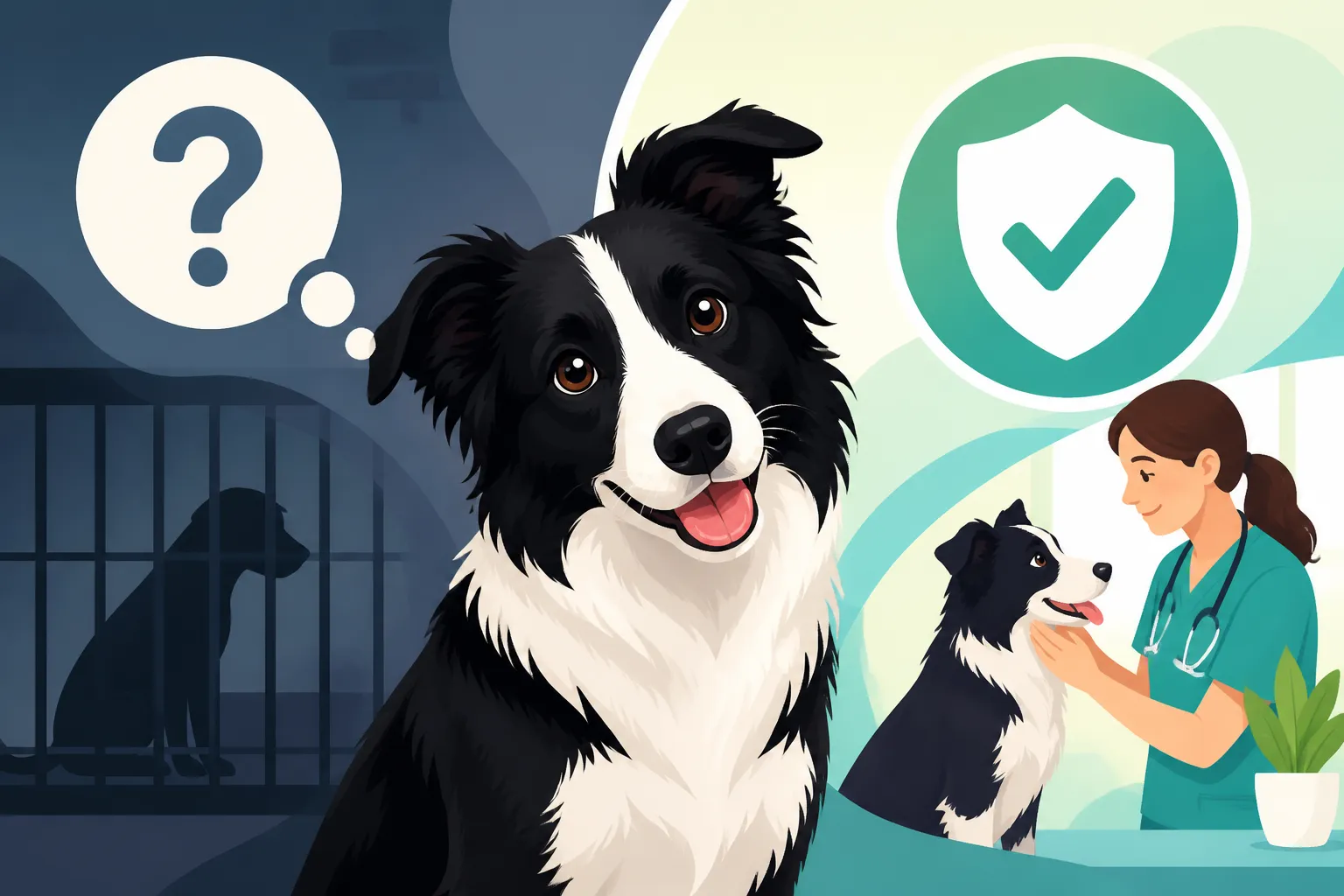
It's a wonderful, big-hearted decision to open your home to a rescued Border Collie, but it often comes with a whole host of questions and a touch of understandable anxiety. One of the biggest worries I hear from prospective adopters is, "What exactly does 'vetted' mean when a rescue says it?" It’s not just about a quick once-over; you're hoping for a clear picture of your new family member's health, and you deserve it. This guide will walk you through what comprehensive vetting from a rescue typically entails, helping you feel more confident in bringing your energetic new companion home.
What "Vetted" Really Means in a Rescue Context
When a rescue organization says a Border Collie has been "vetted," it's a broad term that generally signifies the dog has received basic, essential veterinary care to ensure they are healthy enough for adoption and won't spread illness. This isn't just a courtesy; it's a critical step for public health, the well-being of the dog, and the integrity of the rescue itself. However, the exact scope can sometimes feel a little vague, leading to questions about what specific treatments or screenings were included.
Initial Health Assessment and Basic Care
At its core, vetting begins with an initial health assessment by a licensed veterinarian. This includes a physical examination to check for any obvious signs of illness, injury, or discomfort. The vet will listen to the dog's heart and lungs, palpate their abdomen, check their teeth and gums, examine their eyes and ears, and assess their overall body condition. For a Border Collie, known for their high energy and athletic build, this initial check is vital to catch any early signs of lameness or joint issues that might affect their future activity levels. Many rescues operate on shoestring budgets and rely on volunteer vets, so they focus on the most pressing health needs first.
Beyond the physical exam, basic care usually includes deworming and flea/tick treatment. Rescued dogs, particularly those from unknown backgrounds or high-density environments like shelters, often come with parasites. Addressing these immediately is crucial not only for the dog's comfort and health but also to prevent infestation in their new home. Imagine bringing home a sweet Border Collie only to discover your house is suddenly crawling with fleas – it's a nightmare scenario that good rescues work hard to prevent.
Disease Screening and Prevention
Another critical component of vetting is screening for common diseases. For dogs, this typically involves testing for heartworm, especially in areas where it's prevalent. A positive heartworm test means a much more involved and costly treatment plan, which rescues will often initiate. They will also usually start the dog on a preventative medication if they test negative, ensuring continued protection. Beyond heartworm, rescues may also screen for common tick-borne diseases, depending on regional prevalence and the dog's history.
Vaccinations are also a cornerstone of rescue vetting. A Border Collie coming into a rescue environment, especially if it's been exposed to other dogs, needs protection against highly contagious diseases. These core vaccines typically include distemper, parvovirus, adenovirus, and rabies. If the dog's vaccination history is unknown, they will usually receive a round of vaccinations appropriate for their age and expected exposure. This is a huge relief for new owners, as it means you're bringing home a dog with a foundational level of immunity, reducing the immediate health risks.
The Standard Veterinary Care a Rescued Border Collie Receives
When you adopt a Border Collie from a reputable rescue, you should expect a comprehensive set of standard veterinary procedures to have been completed. These aren't just minor check-ups; they are significant health interventions that represent a substantial investment by the rescue into the dog's future well-being. Knowing what's usually covered can alleviate a lot of those initial "what if" worries.
Spay/Neuter Procedures
One of the most universal requirements for rescue organizations is that all adoptable animals are spayed or neutered before going to their new homes. This policy is fundamental to controlling pet overpopulation and is a key mission of most rescues. Beyond population control, spaying and neutering offer significant health and behavioral benefits for individual dogs.
For females, spaying eliminates the risk of uterine infections (pyometra) and greatly reduces the risk of mammary tumors, especially if done before their first heat cycle. For males, neutering eliminates the risk of testicular cancer and can reduce the incidence of certain prostate problems. Behaviorally, it can decrease roaming, marking, and some forms of aggression, though with a high-drive breed like a Border Collie, training and appropriate outlets are still paramount. A spayed or neutered Border Collie means you won't have to navigate the health risks or potential behavioral challenges associated with intact animals, and you won't be contributing to accidental litters.
Microchipping and Basic Identification
Another standard procedure is microchipping. This small, electronic chip, about the size of a grain of rice, is implanted under the dog's skin, usually between the shoulder blades. It contains a unique identification number that can be read by a scanner, linking your Border Collie to your contact information. This is an absolutely invaluable tool for reunification if your dog ever gets lost. Given a Border Collie's intelligence and propensity for exploring, having them microchipped is a crucial safety net.
Reputable rescues will register the microchip with their own information first, and then assist you in transferring that registration into your name upon adoption. This ensures that if the dog were to ever get lost and scanned, they could be quickly traced back to the rescue, and then to you. It's a small step that offers immense peace of mind.
Full Health Records and Transitioning Care
A well-vetted Border Collie will come with a full set of health records detailing all treatments, vaccinations, test results, and medications administered while in the rescue's care. These records are vital for your ongoing veterinary care. They provide your new vet with a baseline of your dog's health history, which is crucial for making informed decisions about future vaccinations, preventative care, and any potential health concerns.
This transparency is what you should expect and even demand. It allows you to continue care seamlessly with your own veterinarian. For instance, knowing when the last heartworm test was done, or which brand of flea preventative was used, helps prevent unnecessary re-tests or overlapping treatments. If the rescue uses brands like Chewy for some of their supplies, you might even find notes in the records referencing these, making it easier to maintain continuity of care or even order prescription foods.
Beyond the Basics: Health Considerations Unique to Rescued Border Collies
While standard vetting covers a lot of ground, Border Collies, like many purebreds, can have specific health predispositions. When adopting a rescued Border Collie, it's wise to consider what might extend beyond the typical rescue's initial vetting and what ongoing vigilance you might need.
Addressing Pre-Existing Conditions
Sometimes, a rescue Border Collie might come with pre-existing conditions that the rescue has already identified and begun to manage. This could range from chronic allergies to orthopedic issues common in active breeds. For example, a rescue might disclose that a particular Border Collie shows early signs of hip dysplasia, or has been treated for a recurring ear infection. These conditions are usually noted in their records, and the rescue should be transparent about any ongoing needs, medications, or recommended follow-up appointments.
In these cases, while the rescue may have initiated treatment, the long-term management and associated costs become your responsibility. This is where researching pet insurance options, like those from Healthy Paws, becomes crucial. Be aware that most pet insurance policies have waiting periods and typically do not cover pre-existing conditions, so understanding the dog's health history before adoption is paramount. Don't be shy about asking detailed questions about any diagnosed ailments and what the future care might look like. Insuring a Border Collie Against Epilepsy and Joints is a topic many new owners find themselves researching after adoption.
| Vetting Component | Typically Included by Rescue | May Require Additional Owner Action/Cost |
|---|---|---|
| Physical Exam | Initial vet check, basic health assessment | Specialist consultations (e.g., orthopedic, internal medicine) for complex issues |
| Deworming | Treatment for common internal parasites | Repeat treatments if re-infestation occurs, advanced fecal diagnostics |
| Flea/Tick Treatment | Initial treatment for external parasites | Ongoing monthly prevention (owner responsibility) |
| Vaccinations | Core vaccines (Distemper, Parvo, Adeno, Rabies) | Booster shots as needed, non-core vaccines (e.g., Leptospirosis, Bordetella) |
| Spay/Neuter | Surgical sterilization (unless medically contraindicated) | Follow-up care for any post-surgical complications |
| Microchipping | Chip implantation and initial registration | Transfer of registration to owner, annual registration fees (if applicable) |
| Heartworm Test/Prevn. | Test for heartworm, initial preventative dose if negative | Ongoing monthly preventative medication (owner responsibility) |
| Genetic Testing | Generally not included unless specifically for a known issue (e.g., MDR1) | Owner-initiated full The Border Collie Genetic Panel and What It Screens for breeders or specific health concerns |
| Dental Care | Basic assessment, sometimes extractions if severe and urgent | Professional dental cleaning under anesthesia, ongoing preventative care |
| Dietary Needs | Current food information | Transition to specific diets (e.g., Feeding a Border Collie on a Performance Diet or special formulas from brands like Ollie) |
Genetic Screening and Long-Term Health Risks
While rescues perform general health checks, they typically don't run extensive genetic panels unless there's a specific reason or known breed-specific issue. Border Collies are prone to certain genetic conditions, such as Collie Eye Anomaly (CEA), epilepsy, or hip/elbow dysplasia. While a rescue might provide basic eye exams for puppies (often for CEA), or note severe lameness that could indicate dysplasia, they usually won't perform comprehensive genetic testing unless they are a breed-specific rescue with dedicated funds for such diagnostics.
If you're adopting an adult Border Collie whose history is largely unknown, or you're simply being proactive, you might consider Which DNA Tests a Border Collie Breeder Should Have Run to get a clearer picture of their genetic predispositions. This is an added expense, but it can help you prepare for potential health challenges down the road. It's an investment in your dog's long-term health, and understanding what to look for can help your vet catch issues early.
Nutritional Considerations and Dietary Transitions
Part of vetting also includes ensuring the dog is on an appropriate diet. Rescues usually feed a good quality, generic dog food that suits most of their residents. They should be able to tell you what the Border Collie has been eating, how often, and in what quantity. This information is crucial for a smooth transition to your chosen diet at home. Rapid changes in food can cause digestive upset, so a slow transition over several days is always recommended.
Some Border Collies might have sensitivities or require specific dietary support, particularly if they are high-energy working dogs or are recovering from an illness. While a rescue might not delve into specialized diets, if your Border Collie has specific needs (e.g., for sensitive stomachs or joint support), you might explore premium dog food brands like Ollie, which can be tailored to individual requirements, or research prescription diets available through Chewy. Ensuring your Border Collie is fed correctly is a fundamental part of keeping them sound into their teens, as proper nutrition supports joint health, energy levels, and overall vitality.
What to Ask and Confirm When Adopting Your Border Collie
Adopting a rescue dog, especially a Border Collie with their unique needs, requires you to be an advocate for your new companion. Don't be afraid to ask detailed questions about their vetting process. A reputable rescue will welcome your inquiries and provide transparent, thorough answers. After all, they want their dogs to go to the best possible homes, and an informed adopter is a responsible one.
Reviewing Health Records and Vet Contacts
Before you finalize an adoption, always request to see the Border Collie's full veterinary records. These documents should clearly list all dates of examinations, vaccinations, deworming, heartworm tests, spay/neuter surgery, and any medications administered. Look for consistency and completeness. If anything is unclear, ask for clarification. Don't feel rushed or intimidated; this is your future family member.
It's also a good idea to ask if you can speak with the rescue's veterinarian, or at least have your own vet contact the rescue's vet directly. This can be especially helpful if the Border Collie has a complex medical history or if you have specific concerns about conditions like Epilepsy in a Border Collie Between One and Five or Collie Eye Anomaly in a Border Collie Puppy. Direct communication between medical professionals can ensure that no critical details are missed during the transition of care. Having this information up front helps you build a realistic picture of potential ongoing medical costs, which can greatly impact your The Annual Border Collie Budget Nobody Plans For.
Inquiring About Behavior and History
While vetting primarily covers physical health, it often intertwines with behavioral health. A truly "vetted" dog has also usually been observed for behavioral traits, especially in a breed like the Border Collie, known for its intense drive and specific needs. Ask about the dog's known history, temperamental quirks, and any behavioral assessments performed.
- Socialization: How do they interact with other dogs, cats, or children? What Children Have to Learn Around a Border Collie is a crucial consideration for families.
- Energy Levels: What are their daily exercise requirements? Are they truly able to "settle" or do they constantly seek an outlet? Exercise, Work and What Actually Settles a Border Collie is a frequent question for Border Collie owners.
- Known Issues: Do they show any signs of anxiety, reactivity, or compulsive behaviors like Stopping a Border Collie Chasing Shadows and Light? While not strictly medical vetting, these observations are part of understanding the whole dog.
- Training Foundation: Do they know any basic commands or have they had any exposure to specific training? A Border Collie with a foundation in Teaching a Border Collie the Herding Commands might have different needs than one with none.
Rescues often spend time with their dogs, learning their personalities and needs. This behavioral "vetting" helps them match the right dog to the right home, minimizing the chances of the dog being surrendered again.
Post-Adoption Support and Guarantees
Finally, ask about the rescue's post-adoption support. Do they offer advice lines, training resources, or a grace period for returns if the placement isn't working out? While you hope for a forever match, a responsible rescue understands that sometimes things don't go as planned, and they will want to ensure the dog's well-being above all.
Some rescues might offer a health guarantee for a short period, covering any unforeseen illnesses that manifest soon after adoption. Always clarify what this means specifically and for how long. Knowing this can provide an extra layer of reassurance as you embark on life with your new Border Collie. Remember, a rescued Border Collie has often had a challenging start, but with thorough vetting and your loving care, they can thrive and become an incredible, devoted companion.
Disclaimer
This article is for general informational purposes only and does not constitute professional advice. Laws, prices and regulations vary by location and change over time. Consult a qualified professional for guidance on your specific situation.