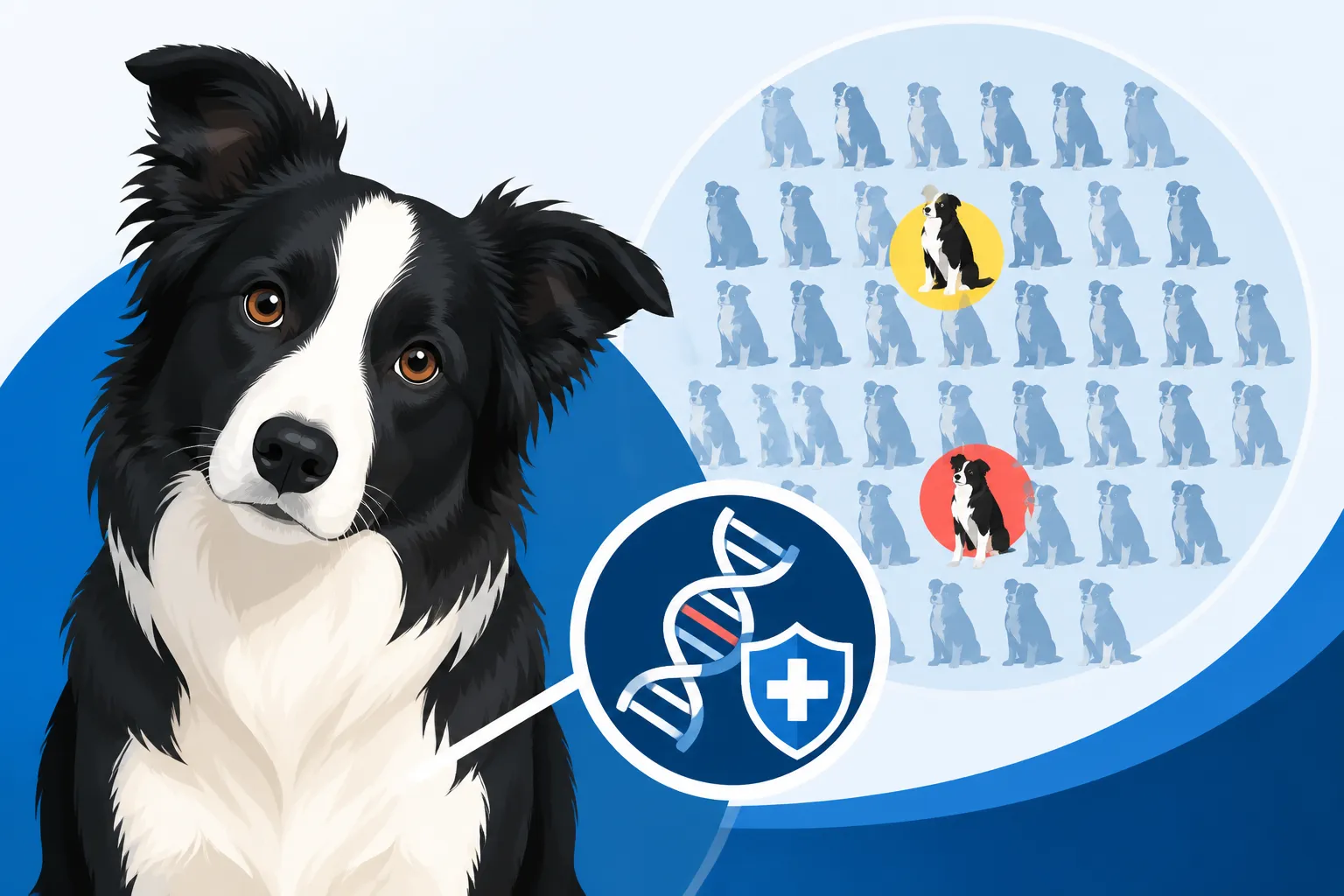
Why One or Two Border Collies in a Hundred Carry MDR1
It's a common worry for anyone with a herding breed: the dreaded MDR1 gene mutation, and the serious drug sensitivities that come with it. You hear stories of Collies and Australian Shepherds reacting terribly to common medications, and it’s natural to wonder if your incredibly smart and active Border Collie is also at high risk. Thankfully, while vigilance is always key, the prevalence of the MDR1 mutation in Border Collies is remarkably low compared to some of their herding cousins, and understanding why can bring a lot of peace of mind.
The MDR1 Gene and Its Impact on Herding Breeds
The MDR1 gene, short for Multi-Drug Resistance 1, is a fascinating and critical piece of canine genetics that, when mutated, can turn routine veterinary care into a dangerous gamble. Many dog owners are familiar with its reputation, especially those involved with herding breeds, but truly understanding its function and the implications of its deletion is the first step toward safeguarding our dogs.
Understanding the MDR1 Deletion
At its core, the MDR1 gene is responsible for producing a protein called P-glycoprotein. Think of P-glycoprotein as a diligent bouncer at the club door of your dog's brain. Its job is to pump certain drugs and toxins out of brain cells and other vital organs, essentially forming a crucial part of the blood-brain barrier. This protective mechanism prevents these substances from accumulating to toxic levels where they can cause severe neurological damage or even death.
When a dog inherits a deletion in the MDR1 gene, this bouncer isn't there, or isn't working properly. The drugs that P-glycoprotein would normally escort out are instead allowed to build up in the brain and other sensitive tissues. This accumulation leads to a range of severe adverse reactions, from neurological symptoms like seizures, disorientation, blindness, and tremors, to coma and fatalities. It's a stark reminder of how finely tuned a dog's physiology is and how a single genetic tweak can have such profound consequences.
The list of drugs affected by the MDR1 mutation is quite specific and includes some very common medications. The most well-known culprit is ivermectin, often used in heartworm prevention and dewormers, which is why many dog owners first hear about MDR1 in that context. However, it's not just ivermectin. Other drugs like loperamide (an anti-diarrheal), certain chemotherapy agents (e.g., vincristine, doxorubicin), some immunosuppressants (e.g., cyclosporine), and even some sedatives or anesthetics can pose a risk. This means that a dog with the MDR1 deletion requires careful consideration for almost any medical procedure or treatment, making it imperative for owners to communicate their dog's genetic status to their veterinarian. For a deeper dive into the specific drugs to avoid, you might find "Which Drugs an MDR1 Border Collie Cannot Have" particularly helpful.
Why Certain Breeds Are More Affected
The story of the MDR1 mutation is deeply intertwined with the history and breeding practices of certain dog breeds. It's not a random occurrence across all dogs; rather, it's a specific genetic quirk that became prevalent in particular lines, primarily among herding dogs. The highest rates of the MDR1 deletion are found in breeds such as Collies, Australian Shepherds, Shetland Sheepdogs (Shelties), and Long-Haired Whippets, where a significant percentage of the population carries at least one copy of the mutated gene.
This concentrated prevalence is largely due to what geneticists call the "founder effect." It's believed that the mutation originated in a common ancestor of these herding breeds, likely a dog from the early to mid-19th century. As these breeds were developed, often with relatively small initial populations or "founding" dogs, and then selectively bred for specific traits (like herding ability or appearance), the gene pool became somewhat closed. If one of these influential "founder" dogs carried the MDR1 mutation, it would be passed down and spread widely through subsequent generations within that developing breed, even if the mutation itself offered no direct advantage.
Consider the Collie, for example, where the prevalence can be as high as 70-80%. This isn't because the mutation helps them herd sheep; it's simply a genetic hitchhiker that came along for the ride with other desirable traits when the breed was being established. Subsequent intensive breeding within these relatively isolated gene pools further cemented the mutation's presence, making it a widespread concern for modern-day breeders and owners of these beloved dogs. This historical perspective helps explain "Why Border Collies Carry MDR1 Less Than Collies" and highlights the importance of breed-specific genetic screening.
The Border Collie's Unique Genetic History and Lower MDR1 Prevalence
Given the high rates in many herding breeds, it's a huge relief for Border Collie owners that their dogs generally have a much lower incidence of the MDR1 mutation. Instead of the 50-70% seen in Collies or Australian Shepherds, you'll typically find that only about 1-2% of Border Collies carry the MDR1 deletion. This isn't just luck; it's a direct reflection of their unique history and the breeding philosophies that shaped the breed.
The Border Collie's Diverse Lineage
Unlike some breeds that were developed from a very small number of foundational dogs, Border Collies have a much broader and more diverse genetic background. Their origins trace back to the Anglo-Scottish border region, where shepherds needed an intelligent, resilient, and highly trainable dog to work sheep across varied and often challenging terrain. The emphasis was almost exclusively on working ability – a dog's intelligence, herding instinct, stamina, and biddability were paramount. Physical appearance, while appreciated, was always secondary to function.
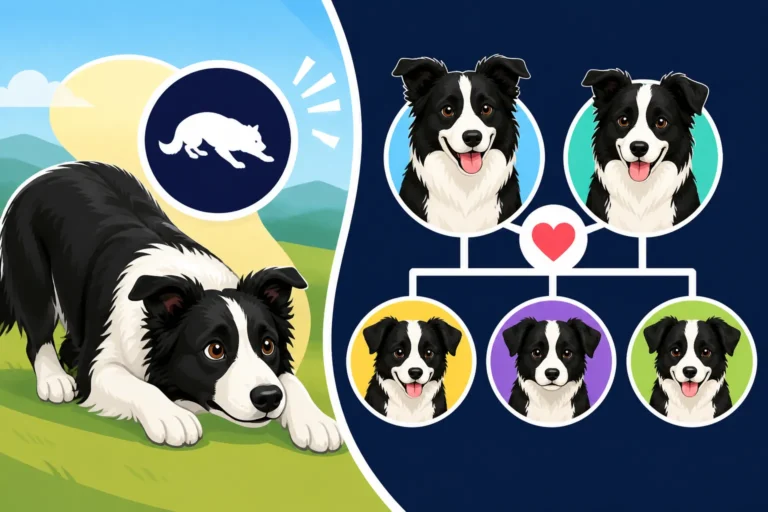
This focus on performance over strict physical conformation meant that the gene pool remained much more open. Shepherds were less concerned with a dog's pedigree or appearance in a show ring and more interested in whether it could get the job done efficiently and reliably. They often bred the best working dogs, regardless of their exact lineage or whether they fit a narrow physical standard. This constant influx of diverse working genetics from different lines and regions inherently diluted the spread of any single genetic mutation, including MDR1, preventing it from becoming widespread throughout the entire breed population. The long history of breeding for function has really protected the breed from some of the pitfalls of more closed gene pools.
Breeding Practices and Early Genetic Testing
The Border Collie community, especially those dedicated to working lines, has historically been very proactive in maintaining the health and working integrity of the breed. When the MDR1 mutation was identified and linked to drug sensitivities in herding breeds, responsible Border Collie breeders were quick to adopt genetic testing. They understood that even a low prevalence meant a potential risk to their dogs and the future of their lines.
Genetic testing for conditions like MDR1 became an integral part of responsible breeding programs long before it was commonplace for all breeds. Breeders utilized these tests to identify carriers and affected dogs, making informed decisions about breeding pairs to avoid producing affected offspring. This proactive approach, coupled with the breed's already diverse genetic foundation, allowed them to effectively manage and minimize the gene's presence. When considering a puppy, asking a breeder for their dog's genetic panel results, including MDR1, is crucial. You can learn more about this in "Asking a Border Collie Breeder for Test Results" and "Which DNA Tests a Border Collie Breeder Should Have Run". This dedication to genetic health has been a significant factor in keeping the MDR1 prevalence so low in Border Collies today.
What a Low Prevalence Means for Border Collie Owners
While the low prevalence of the MDR1 gene in Border Collies is certainly good news, it doesn't mean owners can completely ignore the risk. It shifts the conversation from a high-likelihood threat to a rare but still critical consideration. The key takeaway remains: knowledge is power, and being informed allows you to make the best decisions for your dog's health and safety.
Still Test, Never Assume
Even though only one or two Border Collies in a hundred might carry the MDR1 deletion, "low prevalence" doesn't mean "no prevalence." For that individual dog, carrying even one copy of the mutated gene can have life-threatening consequences if they are given certain medications. Therefore, the absolute best practice for any Border Collie owner, especially if your dog's lineage isn't fully known or you plan to breed, is to get them genetically tested for MDR1. It's a simple cheek swab test, often included in comprehensive genetic panels, that provides definitive answers.
Assuming your Border Collie is "probably clear" based on breed statistics is a risk that simply isn't worth taking. The cost of a genetic test is minimal compared to the potential veterinary bills and heartbreak that could result from an adverse drug reaction. For instance, an emergency trip to the vet because your dog reacted badly to a dewormer could easily run into hundreds or even thousands of dollars. While genetic testing isn't something pet insurance typically covers, having a robust plan like one from Healthy Paws can certainly help with unexpected vet expenses should an accidental drug reaction occur before you knew your dog's status. Knowing your dog's status allows you to create an informed health plan with your veterinarian, giving you immense peace of mind. For more on what a full genetic panel covers, see "The Border Collie Genetic Panel and What It Screens."
Managing an MDR1 Carrier or Affected Border Collie
If your Border Collie tests positive for the MDR1 mutation, whether as a carrier (one copy) or affected (two copies), it's not the end of the world. It simply means you have crucial information that allows you to manage their health proactively and safely. The first and most important step is to immediately inform your veterinarian. Ensuring their records are flagged for MDR1 sensitivity is paramount, so that every time your dog receives medication, the veterinary team is aware of the potential risks. Providing them with a copy of your dog's genetic test results is an excellent way to do this. Consider reading "Telling a Vet a Border Collie Is MDR1 Affected" for advice on how to best communicate this.
Managing an MDR1 dog involves a careful review of all medications. This includes everything from routine parasite control to emergency drugs and anesthetics. For example, many common heartworm preventatives are safe, but some formulations containing ivermectin or milbemycin oxime need careful dosing or alternatives. Your vet can guide you to safe options for "Heartworm Prevention for an MDR1 Border Collie." Similarly, if your dog ever needs surgery, discussing "Anesthesia Drugs an MDR1 Border Collie Should Avoid" with your vet well in advance is critical. It’s about being an advocate for your dog, asking questions, and ensuring that all medical professionals who treat your Border Collie are fully informed. Remember, even with a low prevalence, your individual dog's health profile is what truly matters. Knowing your dog's status helps prevent an emergency, but if the unexpected happens, reliable pet insurance from a provider like Healthy Paws can make a significant difference in covering the cost of advanced care needed for a drug reaction.
Here's a quick overview of MDR1 status:
| MDR1 Status | Genetic Makeup | Implications for Drug Sensitivity | Breeding Recommendation |
|---|---|---|---|
| Clear | N/N | No sensitivity to MDR1-affected drugs | Can be bred to any dog (N/N, N/M, M/M) without risk of affected offspring |
| Carrier | N/M | Generally no clinical signs, but can have sensitivity if given very high doses or certain drugs. Can pass gene to offspring. | Should only be bred to N/N (Clear) dogs to avoid producing affected offspring. |
| Affected | M/M | Highly sensitive to MDR1-affected drugs; severe adverse reactions likely. | Should not be bred, as all offspring will inherit at least one copy of the mutated gene. |
N/N = two normal copies of the gene; N/M = one normal, one mutated copy; M/M = two mutated copies.
The Broader Implications of Genetic Health Screening
The story of the MDR1 gene in Border Collies isn't just about a single mutation; it's a testament to the power of genetic screening and responsible breeding. It showcases how understanding canine genetics can profoundly impact the health and welfare of our beloved companions, moving us from reactive treatment to proactive prevention.
Advancements in Canine Genetics
The field of canine genetics has exploded in recent decades, moving from rudimentary blood tests to sophisticated DNA panels that can screen for dozens, even hundreds, of genetic conditions. What started with identifying issues like Collie Eye Anomaly or Hip and Elbow Scores in a Border Collie has broadened to include metabolic disorders, neurological diseases, and, of course, drug sensitivities like MDR1. These advancements empower breeders and owners with unprecedented insight into a dog's genetic blueprint, allowing for more informed decisions about breeding, care, and health management.
This technology allows breeders to avoid propagating genetic diseases, and in the case of MDR1, it has demonstrably helped to keep its prevalence low in breeds like the Border Collie. It’s no longer a guessing game; breeders can confidently identify carriers and make strategic pairings that safeguard the health of future generations. This isn't just about avoiding problems; it's about actively improving the overall genetic health and vigor of the breed, ensuring that the next generation of pups is as healthy and robust as possible. The progress we've seen in genetic testing is a huge win for canine health worldwide.
Empowering Owners and Breeders
For owners, genetic screening offers invaluable peace of mind. Knowing your Border Collie's MDR1 status means you never have to worry about accidentally administering a dangerous drug. It means you can confidently discuss medication options with your vet, knowing you have all the information necessary to make the safest choices. This knowledge also extends to other inheritable conditions, allowing for early detection or preventive measures, potentially reducing future veterinary costs that could be eased by pet insurance like Healthy Paws.
For breeders, genetic testing is an indispensable tool for responsible breeding. It allows them to maintain genetic diversity while systematically reducing the incidence of known genetic diseases. By being transparent with their testing results – something responsible breeders are always happy to provide – they instill confidence in prospective puppy buyers. This collaborative effort between science, breeders, and owners is crucial for the long-term health of the Border Collie breed, ensuring that these incredible dogs continue to thrive for many generations to come. It’s a clear example of how proactive health management can make a world of difference.
Disclaimer
This article is for general informational purposes only and does not constitute professional advice. Laws, prices and regulations vary by location and change over time. Consult a qualified professional for guidance on your specific situation.