What a Border Collie Collapse Episode Looks Like
Watching your beloved Border Collie, a dog known for its boundless energy and sharp mind, suddenly falter and collapse can be one of the most terrifying experiences for any owner. It's more than just a dog being 'a bit tired' after a long run; it's a distinct, often alarming series of events that leaves you feeling helpless and searching for answers. This comprehensive guide aims to peel back the layers of confusion surrounding Border Collie Collapse (BCC) episodes, helping you understand precisely what these episodes look like, how they progress, and how they differ from other medical emergencies.
The Initial Onset: It's Not Just a Tired Dog
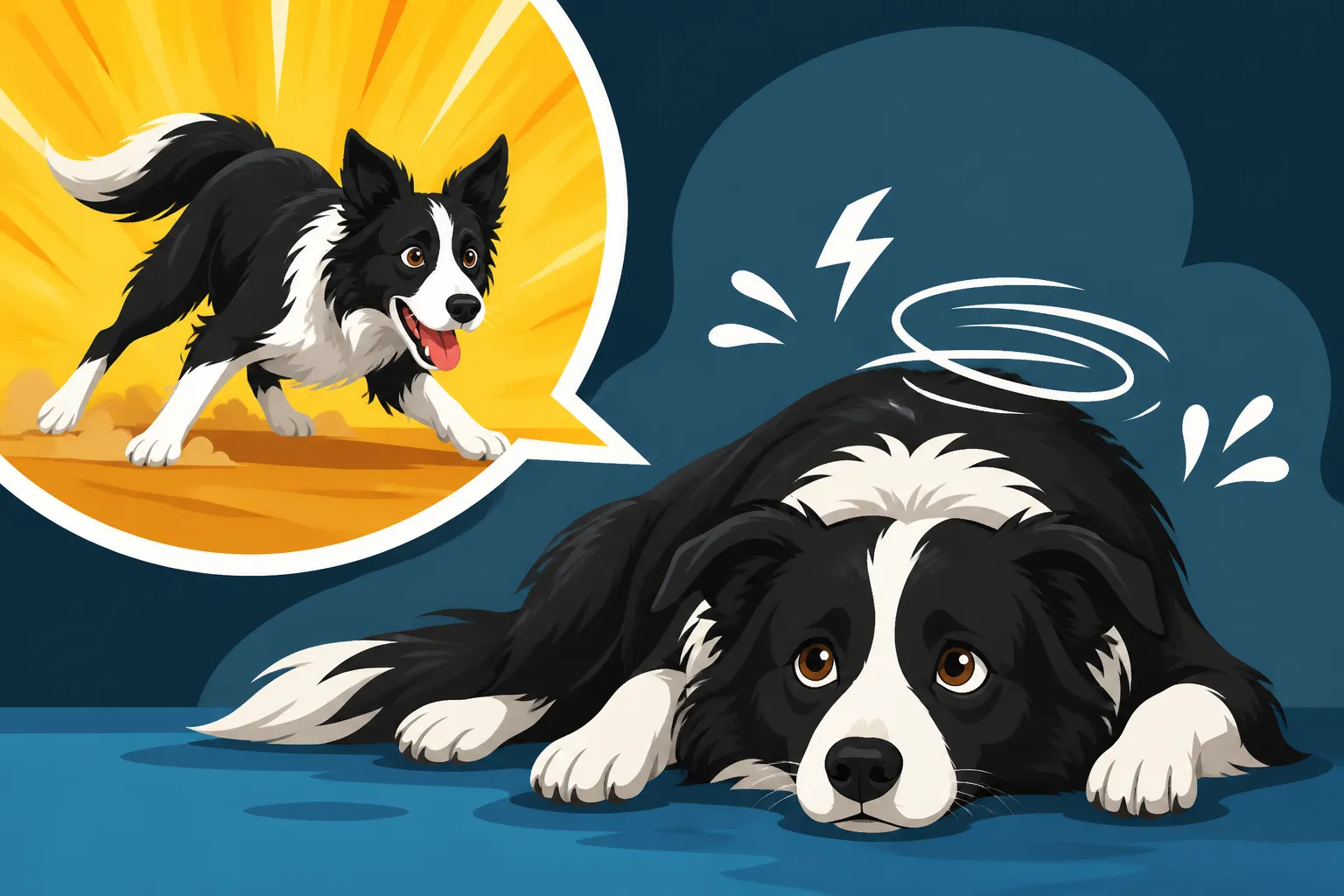
When a Border Collie is experiencing a collapse episode, the signs often emerge abruptly, usually after a period of intense exercise or excitement. This isn't your dog just lying down to rest because it's had enough; it’s a profound and sudden loss of coordination and muscle control that can catch any owner completely off guard. The difference is stark and can be truly unsettling to witness.
Sudden Change in Gait and Coordination
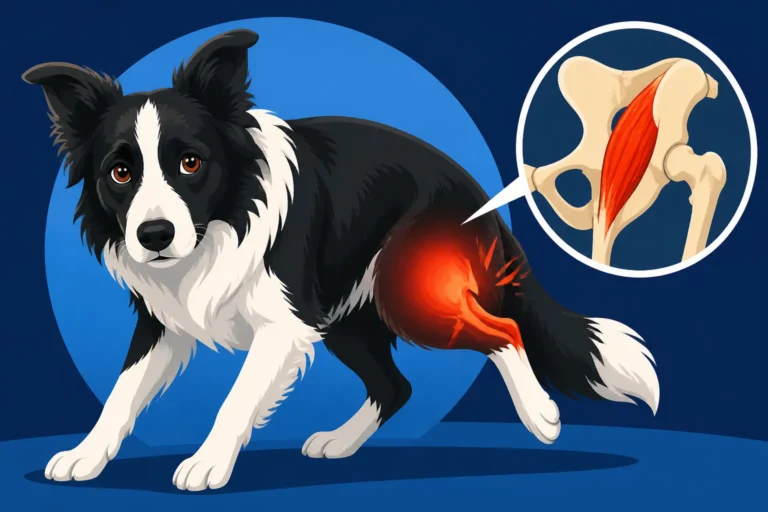
One of the most immediate indicators of a Border Collie collapse episode is a dramatic and sudden change in their gait. Instead of the fluid, purposeful movement you expect from such an agile breed, you might observe your dog stumbling, weaving erratically, or taking exaggerated high steps as if trying to navigate an invisible obstacle course. Their hind limbs, in particular, often seem to lose their rhythm and strength, leading to an uncoordinated shuffle rather than a powerful stride. This isn't a gradual slowdown that you'd see in a dog that's merely running out of steam; it's a noticeable and rapid deterioration in their ability to move with precision and control. It's as if their internal navigation system has momentarily gone haywire, making simple movements incredibly difficult. You might first notice this during a game of fetch or while working stock, where a perfectly fine dog suddenly can't quite manage to turn or stop properly.
Muscle Weakness and Hind End Instability
As the episode progresses, the initial clumsiness often gives way to pronounced muscle weakness, especially in the hindquarters. You might see your Border Collie’s back legs buckle, causing them to drag their feet or even collapse to the ground. This isn't a graceful descent into rest; it’s often a struggle to remain upright, sometimes with a distinctive "wobbly gait" that looks alarmingly similar to a person who has had too much to drink. The hind end instability can become so severe that the dog is unable to support its own weight, making it impossible for them to stand or walk normally. They might try to push off with their front legs, only for their hind legs to give out from under them again. This profound weakness means that even simple tasks like walking a straight line or maintaining balance become insurmountable challenges. It’s a complete loss of their powerful athleticism, replaced by an unnerving fragility. For more on the specifics, you might want to read our article on The Wobbling Gait a Collapsing Border Collie Shows.
Distinguishing Physical Manifestations
Understanding the specific physical manifestations of a Border Collie collapse episode is crucial for differentiating it from other conditions. While many issues can cause a dog to falter, BCC has a unique set of characteristics that, once recognized, can help you provide crucial information to your veterinarian.
The Classic "Wobbling Gait"
The term "wobbling gait" isn't just a casual description; it's a hallmark of Border Collie Collapse. This isn't the subtle limp of an injury or the sluggish movement of an exhausted dog. Instead, it’s a distinct, uncoordinated way of moving where the dog's legs seem to be operating independently, often wide apart, as they try to maintain balance. Their back end might sway dramatically from side to side, or their feet might scuff and drag along the ground. Imagine trying to walk on a ship in rough seas – that's often what it looks like. This differs significantly from a grand mal seizure, where the dog typically loses consciousness and exhibits uncontrolled, rhythmic muscle contractions. With BCC, the dog is usually still aware, albeit often confused, struggling with voluntary movement rather than involuntary spasms. When you see this particular kind of unsteady, disconnected movement, especially after intense activity, it's a strong indicator of a BCC episode rather than a simple muscle strain or general fatigue.
Loss of Proprioception and Confusion
Beyond just physical weakness, a key element of BCC is a transient loss of proprioception. Proprioception is a dog's sense of where its body parts are in space, without having to look at them. During a collapse episode, your Border Collie might appear to lose this internal map, struggling to place its feet correctly or navigate even familiar terrain. They might bump into objects, stumble over their own paws, or struggle with transitions like stepping up a curb. This physical disorientation is often accompanied by a noticeable level of confusion. Their eyes might seem distant or vacant, and they may not respond to your voice or familiar commands with their usual sharp focus. This isn't a sign of disobedience; it’s a temporary impairment of their cognitive function, making it difficult for them to process information or respond appropriately. They might look around as if they don't quite know where they are, adding to the distress of both the dog and the owner. This cognitive disruption makes the situation all the more alarming, as their normally brilliant minds seem temporarily clouded.
Behavioral and Cognitive Changes During an Episode
While the physical symptoms are the most overt, a Border Collie collapse episode also involves significant behavioral and cognitive shifts that are important to recognize. These changes highlight that BCC isn't just a muscular issue but has a neurological component affecting how the dog thinks and interacts.
Altered Awareness and Response to Stimuli
During a BCC episode, your Border Collie's typically sharp awareness and responsiveness can become noticeably dulled. They might fail to respond to their name, a familiar whistle command, or even their favorite toy being squeaked right in front of them. This isn't stubbornness or a lack of hearing; it’s as if their brain is struggling to process these external stimuli and generate an appropriate response. They might stare blankly, their intense gaze replaced by a somewhat vacant expression. If they typically love a game of fetch, they might drop the ball and make no effort to retrieve it, or even look past it as if it isn't there. This altered state of awareness can be particularly distressing for owners, as it contrasts so sharply with the intelligent, highly engaged dog they know. It underscores the profound, though temporary, impact on their neurological function. For more insights on what triggers these episodes, check out Border Collie Collapse and What Sets It Off.
Anxiety, Distress, and Disorientation
Beneath the physical clumsiness and cognitive dullness, many Border Collies show clear signs of anxiety and distress during a collapse episode. They might pant heavily, even if they aren't physically hot, or their eyes might be wide with a worried expression. Some dogs will actively try to lie down or find a quiet, dark place, seemingly overwhelmed by what is happening to their body. The disorientation can manifest as them looking around frantically, as if trying to make sense of their surroundings, or attempting to walk in circles. They often appear genuinely confused and frightened by their own body’s sudden unreliability. This visible distress isn't just about physical discomfort; it suggests a deeper internal struggle as their highly capable bodies and minds temporarily fail them. Providing calm reassurance and a safe, quiet space is paramount during these moments to help mitigate their fear.
Duration and Recovery: What Happens Next
One of the most characteristic and, frankly, perplexing aspects of Border Collie Collapse is its typical duration and the speed of recovery. Unlike many other medical conditions where recovery is gradual, BCC often sees a rapid return to normalcy, which can be both a relief and a source of frustration for owners and veterinarians alike.
The Typical Course of an Episode
A typical Border Collie collapse episode can last anywhere from just a few minutes to up to half an hour. It's often relatively brief, and the key to its resolution usually involves stopping the activity that triggered it and providing immediate rest. Unlike heatstroke, where active cooling measures are paramount, with BCC, simply getting the dog to lie down quietly in a calm environment is often enough to see a resolution. The progression is usually consistent: intense activity, sudden onset of the 'wobbling gait' and weakness, followed by a period of semi-conscious disorientation, and then, often quite rapidly, recovery. Owners often report that if they can get their dog to lie down, the symptoms begin to subside within minutes. This quick reversal is a defining feature of the condition, and it’s why understanding How Long a Border Collie Takes to Come Right Again is so important.
Full Recovery and Residual Effects
Perhaps the most astonishing aspect of BCC is the "bounce back" phenomenon. After an episode, many Border Collies appear to make a full and complete recovery, often within minutes, as if nothing had ever happened. They might shake themselves off, look perfectly normal, and even be ready to go back to work or play. This rapid return to their usual energetic selves is incredibly relieving for owners but can also be incredibly frustrating when trying to explain the situation to a veterinarian who didn't witness the episode. Because the dog presents as perfectly healthy during a vet visit, it can make diagnosis challenging. While many dogs show no obvious residual effects, some owners report their dog seems a little more tired or subdued for the rest of the day. It's crucial to understand that even with this seemingly full recovery, the underlying susceptibility to BCC remains, and managing future episodes requires careful observation and communication with your vet.
Important Differentiations and Misconceptions
One of the biggest challenges with Border Collie Collapse is that its symptoms can mimic other conditions, leading to misdiagnosis or misunderstanding. It's vital for owners to understand what BCC isn't, just as much as what it is.
Not Just Overheating or Exhaustion
This is perhaps the most common misconception. Many owners, seeing their dog falter after intense activity in warm weather, immediately jump to heatstroke. However, Border Collie Collapse is not heatstroke. While overheating can exacerbate an episode or even occur concurrently, BCC can happen in cool weather and when the dog's body temperature is normal. A key differentiator is that dogs experiencing BCC often do not have an elevated core body temperature, or if they do, it's mild and secondary, not the primary cause of their collapse. Furthermore, cooling measures that are critical for heatstroke victims don't resolve BCC on their own. A truly exhausted dog might lie down willingly, pant heavily, and take time to recover, but they typically don't exhibit the profound neurological wobbling or disorientation characteristic of BCC. For a deeper dive into this distinction, refer to Ruling Out Heat Before Calling It Border Collie Collapse. It’s about recognizing that while heat can be a factor, it doesn’t fully explain the unique neurological symptoms of BCC.
Differentiating from Seizures or Other Neurological Events
Another critical distinction is between Border Collie Collapse and a seizure or other neurological events. While both can be alarming and involve neurological dysfunction, they manifest differently. A classic grand mal seizure typically involves a complete loss of consciousness, uncontrolled convulsions, paddling of limbs, salivation, and often urination/defecation. The dog is unaware during the seizure and often confused and disoriented (the post-ictal phase) afterward. In contrast, during a BCC episode, the dog usually remains conscious, though their awareness is significantly altered. They struggle with voluntary movement and coordination but don't typically convulse. The movements are wobbly and weak, not rhythmic and uncontrolled.
Other neurological issues, like spinal injuries or certain toxicities, might also cause hind end weakness, but BCC is specifically tied to intense exercise and has a characteristic rapid recovery without lasting deficits. Knowing Telling Border Collie Collapse From a Seizure can be incredibly empowering when you're faced with an emergency, allowing you to provide more accurate information to your veterinarian. This precise observation is key to diagnosis, especially given that many Border Collies, unfortunately, are also prone to epilepsy later in life.
Immediate Steps and Management
When a Border Collie collapse episode strikes, quick and calm action can make a significant difference, not just for your dog's immediate well-being but also for gathering the vital information your veterinarian will need.
What to Do When an Episode Starts
The very first and most crucial step when you see your Border Collie begin to collapse is to immediately stop all activity. This means calling them off work, ending the game of fetch, or discontinuing their run. Gently guide them to a quiet, shaded, and safe spot where they can lie down and rest without further stimulation. While cooling them down might feel like an instinctive reaction, remember that BCC isn't solely about overheating. Focus primarily on calm rest. Reassure your dog in a soothing voice; their confusion and anxiety can be profound, and your calm presence can help. Avoid forcing them to stand or move, and don't try to administer food or water, as they may struggle to swallow. The goal is to minimize further stress and allow their system to recover on its own terms.
Recording and Communicating with Your Vet
This step cannot be overemphasized: video footage is invaluable. Because of the rapid recovery typical of BCC, your veterinarian may never witness an episode firsthand. A short video clip, even just 30-60 seconds, capturing the abnormal gait, the confusion, or the collapse itself, can provide critical diagnostic clues. Beyond video, keep detailed notes:
- Time and Date: When did it happen?
- Duration: How long did the episode last from onset to full recovery?
- Preceding Activity: What was your dog doing just before the collapse? (e.g., specific type of exercise, level of excitement, duration). For example, was it repeated ball retrieving, or high-intensity herding work? Learning about Repeated Ball Retrieving and Border Collie Collapse can help you recognize potential triggers.
- Specific Symptoms: What exactly did you observe? Wobbling, dragging feet, confusion, panting, altered consciousness?
- Recovery: How quickly did they recover? Did they seem completely normal afterward, or were there any lingering signs?
This information will allow your vet to rule out other conditions like seizures, injuries, or metabolic issues. Don't hesitate to reach out to your veterinarian even if your dog seems perfectly fine an hour later. Early communication and documentation are key to eventually getting a diagnosis and managing this complex condition. This is also where having reliable pet insurance, such as Healthy Paws, can provide immense peace of mind. Knowing that you're supported in covering the costs of diagnostic tests, specialist consultations, and ongoing care for such an unpredictable condition allows you to focus solely on your dog's well-being without added financial stress. They are one of the insurers that understand the unique needs of highly active breeds, and while specific conditions like BCC can have nuances in coverage, having a policy in place can be a significant help for the many tests that might be needed to get answers.
Understanding Collapse Types: A Quick Comparison
To help differentiate between various causes of collapse in Border Collies, here's a quick overview of key signs to look for. This isn't a substitute for veterinary advice but can aid in your initial observations.
| Symptom/Feature | Border Collie Collapse (BCC) | General Exhaustion/Heatstroke | Seizure (Grand Mal) |
|---|---|---|---|
| Onset | Sudden, after intense exercise | Gradual or sudden, during/after exercise, especially in heat | Sudden, often without warning |
| Consciousness | Conscious but disoriented/confused | Conscious, tired/lethargic | Loss of consciousness |
| Movement | Wobbling, hind end weakness, ataxia, stumbling | Slow, sluggish, may lie down voluntarily | Uncontrolled convulsions, paddling, rigid |
| Body Temperature | Often normal or mildly elevated | Elevated (heatstroke), normal (exhaustion) | Often elevated after episode |
| Vocalization | Panting (anxiety), soft whines | Heavy panting, may whine | Crying, groaning, no clear vocalization |
| Recovery | Rapid, often full within minutes | Gradual, requires prolonged rest/cooling | Disoriented (post-ictal) for minutes-hours |
| Key Differentiator | Neurological gait changes with awareness, tied to exercise | Primary fatigue/heat stress, no specific neurological gait | Loss of consciousness, uncontrolled muscle activity |
For many Border Collie owners, learning to manage BCC is an ongoing journey. Knowing what an episode looks like is the first critical step. If you're concerned about your dog’s ability to stay active, exploring options for Keeping a Border Collie With BCC in Work can also be very helpful. Remember, you’re not alone in navigating these challenging moments. The more information you can gather and provide to your vet, the better the chances of establishing an effective management plan. As you look into long-term care, remember that reputable pet insurance providers like Healthy Paws can alleviate the financial strain that comes with complex medical conditions, allowing you to focus on getting your dog the best possible care. Understanding Whether Any Insurer Pays for Border Collie Collapse is a question worth researching early.
Disclaimer
This article is intended for informational purposes only and is not a substitute for professional veterinary advice, diagnosis, or treatment. Always seek the advice of your veterinarian or other qualified health provider with any questions you may have regarding a medical condition. Never disregard professional veterinary advice or delay in seeking it because of something you have read in this article.