Fat Levels in a Working Border Collie’s Food
Many Border Collie owners find themselves constantly evaluating their dog's diet, especially when their furry partner is in regular work. It's a common struggle to ensure these high-energy dogs receive the right fuel without overdoing it or leaving them feeling flat. This guide will dive deep into the crucial role of fat levels in a working Border Collie's food, helping you understand how to optimize their nutrition for peak performance and long-term health.
The Indispensable Role of Fat in a Working Border Collie's Diet
For a Border Collie that's actively working, whether on a farm, in agility, or competing in advanced dog sports, fat isn't just a component of their food; it's a cornerstone of their energy strategy. These dogs are finely tuned athletes, and their diet needs to reflect that incredible metabolic demand. Ignoring the specific needs of a working dog can lead to a host of performance and health issues.
Fueling High-Octane Performance
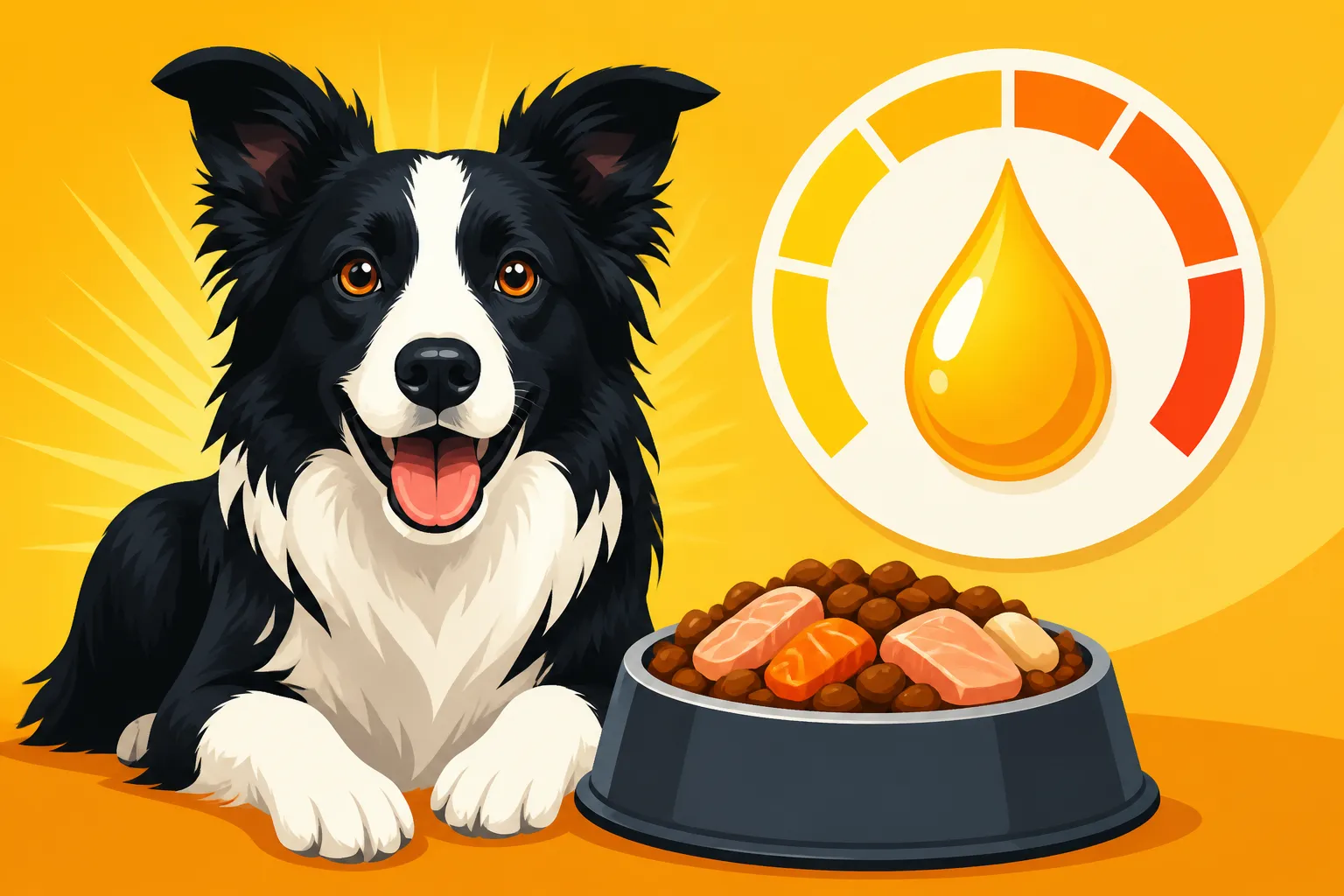
Think of fat as the highly concentrated, slow-burning fuel in your Border Collie's tank. Unlike carbohydrates, which provide quick bursts of energy that can rapidly deplete, fat offers a sustained and efficient energy source. For a Border Collie, whose work often involves periods of intense activity followed by watchful stillness, and then more bursts, this sustained energy is critical. It allows them to maintain focus and drive without experiencing energy crashes, which can be detrimental in the field or on the course. A dog that's making long outruns, doing repetitive weaving, or holding stock for extended periods relies heavily on fat for that consistent output. If you've ever watched a Border Collie work sheep for hours, you'll see why they need something more than just a carb-heavy diet. The Calorie Load a Working Border Collie Burns can be immense, and fat is what helps them meet it.
Moreover, fat is more calorically dense than protein or carbohydrates, meaning a smaller volume of food can deliver a significant energy punch. This is especially important for working dogs who might have limited stomach capacity during intense training or competition days, preventing them from feeling overly full or sluggish. When a dog is truly in its working prime, you want every bite to count, and fat delivers that efficiency.
Beyond Energy: Essential Nutrients and Health
The benefits of fat extend far beyond just providing calories. Dietary fats are absolutely essential for the absorption of fat-soluble vitamins: A, D, E, and K. These vitamins play vital roles in vision, bone health, immune function, and blood clotting, respectively. Without adequate fat in the diet, even if these vitamins are present in the food, your Border Collie's body won't be able to utilize them effectively. This means a diet lacking in healthy fats could indirectly lead to deficiencies that impact their overall health and performance.
Furthermore, certain types of fats, specifically essential fatty acids like Omega-3s and Omega-6s, are crucial for maintaining healthy skin and a shiny coat, supporting joint health, and reducing inflammation. For a working Border Collie, who puts immense strain on their joints and often works in varied environmental conditions, these anti-inflammatory properties are invaluable. You want their coat to be a protective barrier, their skin healthy, and their joints supple. Many high-quality performance foods, which you might find on Chewy or Amazon, will boast about their inclusion of these beneficial fats, often sourced from fish oil or flaxseed. These nutritional building blocks help keep your dog feeling good, looking good, and performing at their best for years to come.
Deciphering Fat Percentages in Commercial Dog Food
When you're standing in the pet food aisle or browsing online, the sheer number of options can be overwhelming. Understanding what the "crude fat" percentage on a label actually means, and how it relates to your working Border Collie's needs, is a critical skill for any owner. Not all fat percentages are created equal, and what's suitable for a couch potato Labrador isn't going to cut it for a Border Collie herding sheep all day.
What Do Labels Really Mean?
The "crude fat" percentage listed on a dog food label is typically a minimum guarantee, representing the total amount of fat found in the food. For a standard adult maintenance formula, you might see crude fat percentages in the range of 10-15%. However, for a truly active or working Border Collie, this is often insufficient. Performance or sport dog formulas, specifically designed for highly active breeds, usually feature fat levels closer to 18-25%, and sometimes even higher for extremely demanding workloads or cold weather conditions.
It's important to remember that this percentage is just a starting point. The source and type of fat also matter. High-quality animal fats (like chicken fat, beef fat) are generally excellent sources, providing not only energy but also palatability. Vegetable oils, such as flaxseed or sunflower oil, can provide beneficial omega fatty acids but might not offer the same comprehensive nutritional profile as animal fats for overall performance. When comparing foods, look at the ingredients list to see where the fat is coming from. A food with rendered animal fat listed high up, alongside fish oil, is likely a good sign for a working dog.
Comparing Commercial and Specialized Diets
There's a significant difference between general commercial dog foods and those formulated specifically for performance or working dogs. Brands like Purina Pro Plan Sport, Eukanuba Premium Performance, or even specialized raw food companies understand the unique metabolic demands. These specialized diets are designed with higher caloric density, often achieved through elevated fat and protein levels, to support sustained energy, muscle maintenance, and quicker recovery times. Whether a Border Collie Needs a Performance Food is a question many owners grapple with, and for an active working dog, the answer is often a resounding yes.
When you're shopping, whether it's at a local feed store or through major retailers like Chewy or Amazon, pay close attention to the terms used. "Active adult" might mean slightly more energy than "adult maintenance," but "sport," "performance," or "working dog" typically indicates a formula with a genuinely higher fat content designed for exertion. Don't just pick up the biggest bag on sale; invest the time to read the labels, compare guaranteed analyses, and consider the specific needs of your Border Collie's activity level. A cheaper bag with lower fat might seem like a saving, but it could lead to your dog losing condition or not performing optimally, costing you more in the long run.
Tailoring Fat Intake to Your Border Collie's Workload
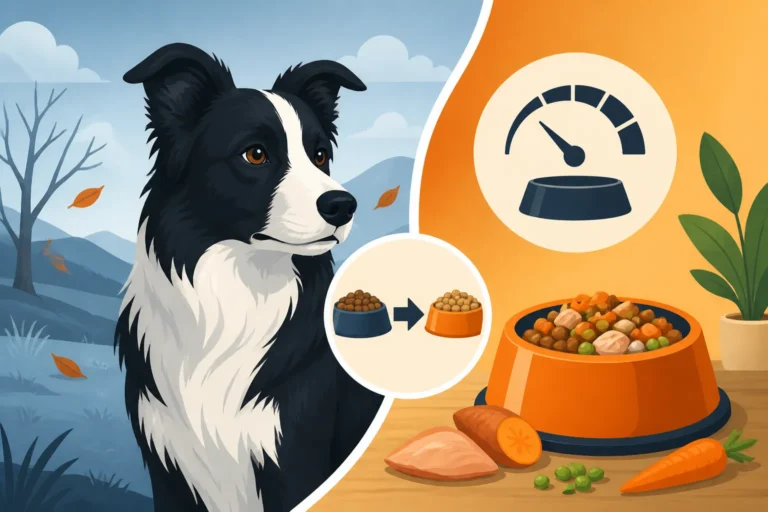
One of the biggest mistakes an owner can make is feeding a working Border Collie the same diet year-round, regardless of their activity level. These dogs aren't static; their energy requirements fluctuate dramatically based on the intensity and duration of their work, as well as seasonal changes. Adjusting fat intake accordingly is key to maintaining optimal weight, health, and performance.
Adjusting for Intensity and Duration
The type of work your Border Collie does has a direct bearing on their ideal fat intake. Consider an agility dog versus a sheepdog. An agility Border Collie often performs short, explosive bursts of speed, quick turns, and high jumps. While they need fat for sustained energy, they might also benefit from a slightly higher carbohydrate component for quick-release energy during those intense, anaerobic moments. Their energy expenditure is high, but often in concentrated, shorter periods.
In contrast, a Border Collie working sheep on a large property might be out for hours, covering many miles over varied terrain, needing endurance above all else. For these dogs, a diet higher in fat is paramount because fat is the most efficient fuel source for sustained aerobic activity. It prevents their glucose stores from depleting too quickly, allowing them to work longer without hitting a wall. Feeding a Border Collie on Trial Weekends is a prime example where optimal fat levels make a huge difference, ensuring they have the stamina for multiple runs over several days. The trick is understanding your dog's specific job and feeding for that job, not just a generic "active dog" label.
Seasonal and Lifecycle Considerations
A Border Collie's dietary needs aren't static; they shift with the seasons and stages of life. During the off-season, when training might be lighter and competitive events are scarce, your Border Collie's caloric needs, and thus their fat intake, will naturally decrease. Maintaining a high-fat, performance diet during these periods can easily lead to undesirable weight gain, which puts unnecessary stress on joints and can make it harder to get them back into shape when the season starts. Adjusting a Border Collie's Food in the Off Season is crucial for their long-term health.
Similarly, consider the lifecycle. A growing Border Collie puppy needs a carefully balanced diet that supports healthy, steady growth, often with a slightly lower fat percentage than an adult working dog, to prevent too-rapid growth that can stress developing joints. An older, retired Border Collie, even if still active, will likely need significantly less fat and calories than their peak working years to avoid obesity and manage any age-related health issues. What a Retired Border Collie Should Eat Instead is a topic that requires careful consideration of their changing metabolism and activity. It’s a constant dance between what they’re doing and what they’re eating.
To illustrate these differences, here's a general guide to fat percentages based on activity level:
| Activity Level | Description | Typical Crude Fat Range (Dry Matter Basis) | Common Food Type |
|---|---|---|---|
| Low/Sedentary | Pet dog, minimal exercise, older/retired, prone to weight gain | 8-12% | Adult Maintenance, Senior, Weight Management |
| Moderate Active | Daily walks, some play, occasional hiking | 12-16% | Active Adult, All Life Stages |
| Working/Sporting | Regular training, daily work on farm, agility/flyball competition, hunting | 18-25% | Performance, Sport, Working Dog |
| Extreme Conditions | Heavy trials, extended cold weather work, sledding, endurance events | 25-35%+ | High-Performance, Endurance |
Note: These are general ranges. Always consult with a veterinary nutritionist for specific recommendations.
Preventing Issues with Improper Fat Levels
Getting the fat level right for your working Border Collie is a delicate balance. Too little, and you risk underperformance and health problems. Too much, and you open the door to a different set of issues, including obesity and digestive upset. Understanding these potential pitfalls is just as important as knowing how to properly fuel them.
Risks of Too Little Fat
When a working Border Collie's diet is deficient in fat, the consequences can be profound. The most immediate sign you might notice is a lack of sustained energy or stamina. Your dog might start strong but tire quickly, or simply not have the drive to complete their usual workload. They might seem less enthusiastic about training or lag during a trial. This isn't just about their performance; it's about their well-being. A constantly under-fueled dog can experience chronic fatigue and diminished mental sharpness, which is particularly devastating for a breed as intelligent and driven as the Border Collie.
Beyond performance, a low-fat diet can lead to noticeable physical changes. You might observe unexplained weight loss, especially if they are working hard. Their coat could become dull, dry, and flaky, losing that healthy luster, and their skin might become irritated or prone to issues. As mentioned earlier, the impaired absorption of fat-soluble vitamins can also contribute to a range of underlying health problems that might not be immediately obvious but can impact their immune system, vision, and overall vitality. If you notice your Border Collie looking thin despite eating regular meals, or if their energy levels are consistently low, it's worth checking their diet's fat content. Whether a Thin Border Collie Is Underfed or Just Fit is a question that a proper diet analysis can answer.
Dangers of Excessive Fat
While fat is crucial, more isn't always better. Feeding a Border Collie too much fat, especially if their activity level doesn't match the caloric density, can lead to its own set of problems. The most obvious risk is obesity. Even working dogs can become overweight if their intake consistently exceeds their output. An obese Border Collie is at higher risk for joint problems (which they're already prone to), heart disease, diabetes, and a reduced lifespan. It also severely impacts their ability to perform, making them slower, less agile, and more susceptible to overheating. The Body Condition a Sport Border Collie Carries is typically very lean and athletic, not padded with extra fat.
Digestive issues are another common concern with overly high-fat diets. Some dogs, particularly those not accustomed to it, can develop pancreatitis, a painful and potentially life-threatening inflammation of the pancreas. Symptoms can include vomiting, diarrhea, severe abdominal pain, and lethargy. Other, less severe issues might include general stomach upset, loose stools, or an unhealthy, greasy coat. When you consider a diet, look for high-quality fats. While some brands might include very high fat percentages, perhaps through supplemental treats or calorie boosters, it’s always best to ensure it’s balanced within their primary diet. Just like human athletes, your Border Collie thrives on a meticulously balanced diet designed to support their unique needs.
Disclaimer
This article is for general informational purposes only and does not constitute professional advice. Laws, prices and regulations vary by location and change over time. Consult a qualified professional for guidance on your specific situation.