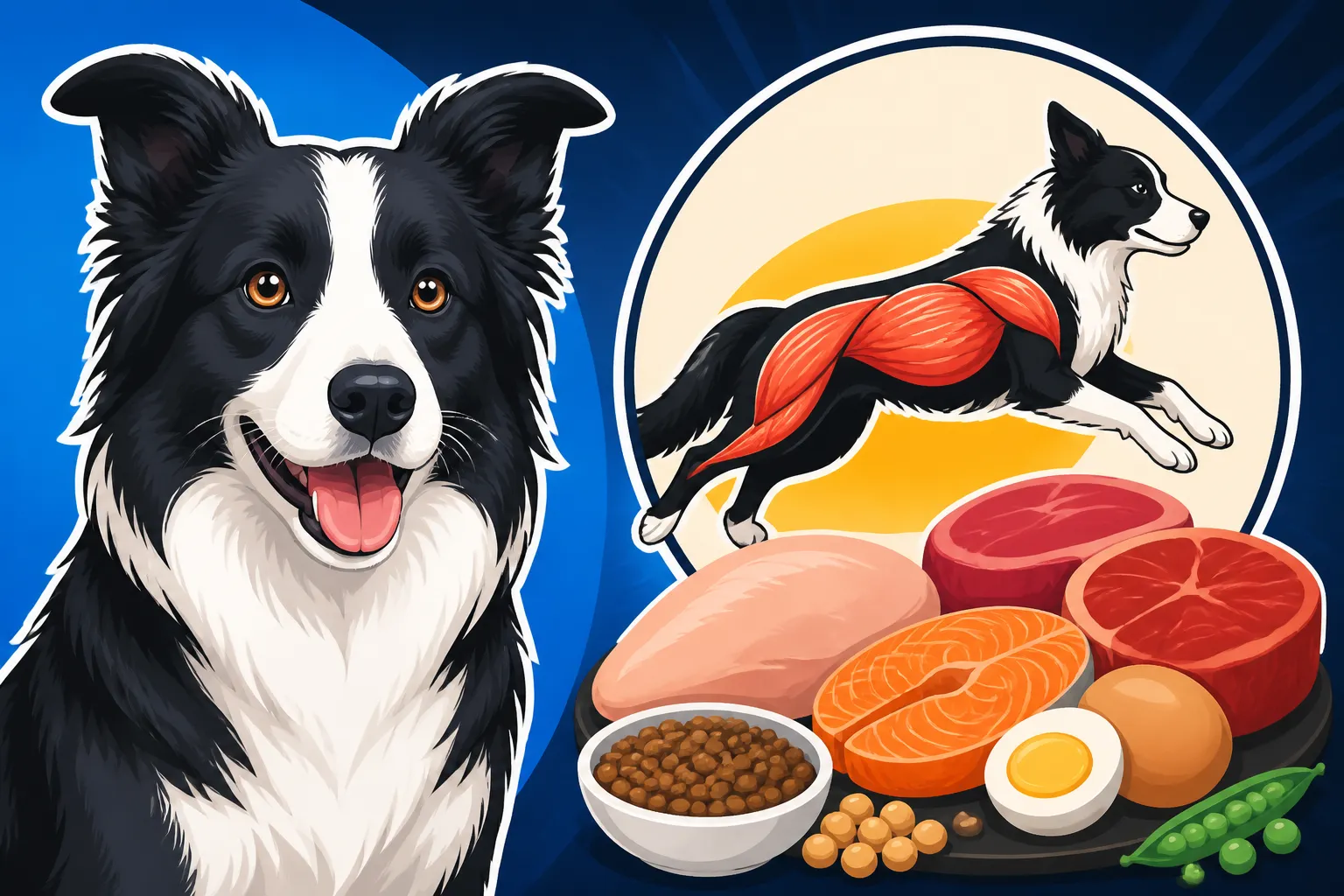
Protein a Border Collie Needs to Hold Muscle
It’s a common frustration for Border Collie owners: you have this incredibly athletic, hard-working dog, always on the go, whether they're herding stock, excelling in agility, or just being your super-powered companion. You feed them well, exercise them daily, and yet sometimes you still worry if they’re getting everything they need to maintain that incredible muscle tone. This guide is here to unravel the mystery of protein for your Border Collie, helping you understand exactly how much they need, why it's so critical, and how to ensure they're always in peak physical condition.
Why Protein is a Border Collie's Best Friend
Your Border Collie isn't just running around; they're sprinting, stopping on a dime, leaping, and engaging their entire body in explosive movements. All of this high-intensity work demands a constant supply of energy and, crucially, the building blocks for muscle repair and growth. That's where protein truly shines. It's not just about getting bigger muscles; it's about maintaining strength, stamina, and the ability to recover from strenuous activity.
The Role of Amino Acids in Muscle Health
Think of protein as a string of tiny beads, and each bead is an amino acid. When your Border Collie eats protein, their digestive system breaks it down into these individual amino acids. These aren't just for show; they're the vital components that their body uses to build and repair tissues, including their powerful muscles. Without a sufficient supply of these amino acids, particularly the "essential" ones that their body can't produce on its own, their muscles simply can't function at their best. Imagine trying to build a house without enough bricks – it's just not going to happen effectively. A deficiency can lead to slower recovery after exercise, reduced muscle mass over time, and a general dip in performance and energy. This is especially true for dogs that are constantly in motion, like our beloved Border Collies.
Energy and Recovery: More Than Just Fuel
While fats and carbohydrates are primary energy sources, protein also plays a role in providing energy, especially during prolonged exercise or when other fuel sources are depleted. More importantly for a Border Collie, adequate protein intake dramatically aids in recovery. After a long day on the trial field, working stock, or an intense agility competition, your dog's muscle fibers experience micro-tears. This is a normal part of building strength, but those tears need to be repaired efficiently. The amino acids from their protein intake swoop in to fix these tiny damages, rebuilding stronger muscle tissue. If your Border Collie isn't getting enough protein, that repair process is slowed, leading to prolonged soreness, fatigue, and even potential injury down the line. We want our dogs to bounce back quickly, not drag themselves around for days. The Calorie Load a Working Border Collie Burns article offers more insights into their overall energy requirements.
How Much Protein is Enough for Your Working Dog?
This is where things can get a little tricky, as there isn't a one-size-fits-all answer. A couch potato Border Collie will have vastly different protein needs than one actively training for USBCHA trials or hitting the agility circuit every weekend. Generally, dog food labels provide a "minimum crude protein" percentage, but this is just a starting point. For an active Border Collie, we're often looking well above the minimum.
Guidelines for Active Border Collies
For a highly active Border Collie, particularly one engaged in demanding work or sport, a diet with a crude protein content ranging from 25% to 35% is often recommended. This range ensures they have ample amino acids to support muscle maintenance, repair, and overall energy needs.
However, it's not just about the percentage number. The quality of that protein matters immensely. Cheap fillers or plant-based proteins might inflate the percentage on the label, but they may not provide the same bioavailable amino acids as high-quality animal proteins. Look for specific meat sources like chicken, beef, lamb, or fish as the first ingredients.
Here’s a general guideline to help you evaluate:
| Activity Level | Recommended Crude Protein Percentage | Key Considerations |
|---|---|---|
| Sedentary/Pet | 22-25% | Focus on maintenance, prevent excess weight gain. |
| Moderately Active | 25-28% | Regular daily exercise, recreational activities. |
| Highly Active/Working | 28-35% | Herding, agility, flyball, intense daily training. |
| Puppies | 28-32% (often higher) | Essential for rapid growth and development. |
| Senior (Active) | 25-30% | Maintain muscle mass, support aging joints, kidney health. |
Remember, these are guidelines, and individual needs can vary. A great resource to learn more about performance diets is our post on Feeding a Border Collie on a Performance Diet.
Factors Influencing Protein Needs
Beyond just their activity level, several other factors can influence your Border Collie's protein requirements:
- Age: Growing puppies need higher protein for rapid development, while senior dogs might need a slightly adjusted amount – still high quality, but potentially balanced differently to support organ health as they age. An older Border Collie still wanting to be active needs careful consideration to maintain muscle mass.
- Life Stage: Pregnant or lactating bitches have significantly elevated protein needs to support their own health and the development or nourishment of their puppies.
- Health Status: Dogs recovering from injury or illness may need increased protein to help with tissue repair. However, dogs with certain kidney issues might require a restricted protein diet, so always consult your vet for specific health concerns.
- Environment: Border Collies working in very cold climates may burn more calories and thus require slightly more overall food, including protein, to maintain body heat and energy.
- Individual Metabolism: Just like people, some dogs are simply more efficient at utilizing nutrients than others. You might have two Border Collies doing the exact same work, and one thrives on a certain protein level while the other needs a bit more or less. Keeping an eye on The Body Condition a Sport Border Collie Carries is key here.
It's a balance, and observing your dog's energy levels, coat condition, and muscle mass is crucial for fine-tuning their diet. Don't be afraid to adjust based on their actual response.
Choosing the Right Protein Sources
When you're looking at dog food, the protein source isn't just about the percentage number; it's about what kind of protein it is. Not all proteins are created equal, and some are far more beneficial for a highly athletic breed like the Border Collie.
High-Quality Animal Proteins
For a Border Collie, animal-based proteins are almost always superior. Why? Because they offer a complete amino acid profile, meaning they contain all the essential amino acids your dog needs in the right proportions. These are the "bricks" your dog needs, and animal proteins deliver the full spectrum.
Look for foods where the first few ingredients are clearly named meat sources. Excellent examples include:
- Chicken and Turkey: Lean, easily digestible, and widely available. Chicken meal or turkey meal can actually be more concentrated sources of protein than whole chicken, as the water has been removed.
- Beef and Lamb: Rich sources of protein, iron, and other essential nutrients. Good for dogs needing a bit more caloric density or those with sensitivities to poultry.
- Fish (Salmon, Sardines, Mackerel): Not only are they packed with high-quality protein, but they're also fantastic sources of Omega-3 fatty acids, which support joint health, coat condition, and overall anti-inflammatory benefits – a huge plus for active dogs.
- Eggs: Often considered the "perfect protein" due to their complete amino acid profile and high digestibility. Cooked eggs can be a great supplement to their regular diet.
- Organ Meats: Liver, kidney, and heart are incredibly nutrient-dense, offering concentrated protein and a host of vitamins and minerals. Small amounts can be a powerful addition.
Brands that focus on fresh or minimally processed foods, like Ollie, often prioritize these kinds of high-quality, human-grade meat sources, which can be fantastic for Border Collies. You might also find excellent kibble options on Chewy or Amazon from reputable brands that list these quality proteins upfront.
What to Be Wary Of
While some plant-based proteins have their place in a balanced diet, they often don't provide a complete amino acid profile on their own. Things like corn gluten meal, pea protein, or soy protein, when used as primary protein sources, might leave your Border Collie short on certain essential amino acids. They're often cheaper for manufacturers, but they don't always deliver the nutritional punch your high-drive dog needs.
Also, be cautious of foods that list "meat meal" without specifying the animal. While not inherently bad, "poultry meal" is better than "meat meal," and "chicken meal" is better still. Specificity usually indicates higher quality control.
It's also worth noting that while raw diets are popular, they come with their own set of considerations regarding balance and safety. If you're considering a raw diet, research thoroughly and consult with a vet or canine nutritionist to ensure it's complete and balanced for your Border Collie's specific needs.
Monitoring Your Border Collie's Muscle Condition
You can feed the best food in the world, but if you're not seeing the results, something needs tweaking. Regular, hands-on assessment of your Border Collie's body condition and muscle mass is incredibly important. They're masters at hiding discomfort or subtle changes, so you need to be proactive.
The Rib Test and Beyond
The classic "rib test" is a good starting point for assessing overall body condition. You should be able to easily feel your Border Collie's ribs without seeing them distinctly. If you can't feel them at all without pressing hard, they're likely overweight. If you can see them protruding, they might be too thin. However, for an athletic breed like the Border Collie, this isn't enough to assess muscle.
You also need to feel for muscle mass. Run your hands over their back, shoulders, hindquarters, and thighs. They should feel firm and well-developed, not soft or "wobbly." You're looking for that lean, athletic physique, often described as a "tucked" appearance in the abdomen. The Tuck a Fit Border Collie Should Show goes into more detail on what that ideal look entails. A healthy Border Collie, even a working one, shouldn't look gaunt or bony, but they should be very lean and visibly muscular.
Signs to look for that might indicate insufficient protein or poor muscle condition:
- Loss of topline: The muscles along their spine might start to look less defined or "sunken."
- Reduced muscle on hindquarters: The powerful hind legs, crucial for their athleticism, might appear thinner.
- Slower recovery: Taking longer to bounce back after exercise, prolonged stiffness, or unusual fatigue.
- Dull coat or skin issues: While not directly muscle-related, protein deficiency can manifest in poor coat quality.
- Weight loss despite adequate caloric intake: If they're eating enough but still losing weight, it could be muscle wasting, which needs investigation.
- Reduced stamina or performance: A noticeable dip in their ability to work or engage in their usual activities.
These observations, coupled with regular veterinary check-ups, form a powerful monitoring system. The Annual Exam a Border Collie Needs is crucial for catching subtle changes before they become big problems.
When to Adjust and How
If you suspect your Border Collie isn't getting enough protein, or if their muscle condition seems to be slipping, the first step is always to consult your veterinarian. They can rule out underlying health issues that might be contributing, such as thyroid problems or gastrointestinal absorption issues.
Once health issues are ruled out, consider these adjustments:
- Increase Protein Percentage: Gradually switch to a dog food with a higher protein percentage (within the 28-35% range for active dogs). Do this slowly to avoid digestive upset.
- Add High-Quality Protein Supplements: This could be cooked lean meats, plain unsweetened Greek yogurt (if they tolerate dairy), cooked eggs, or specific protein supplements designed for dogs. Always introduce new foods slowly and in small amounts.
- Ensure Overall Caloric Intake is Sufficient: Sometimes, it's not just protein but overall calories. If your dog is burning an immense amount of energy, they might simply not be eating enough food, even if the protein percentage is good. Feeding a Border Collie That Works Two Hours a Day delves into matching calorie intake with activity.
- Consider Fresh or Raw Options: If you're currently feeding kibble, exploring fresh food brands like Ollie, or even carefully balanced raw diets, could offer higher bioavailability of nutrients.
- Review Training and Rest: Over-training without adequate rest can also hinder muscle recovery and growth. Ensure your Border Collie has enough downtime to repair and rebuild.
Remember, any significant dietary change should be gradual and monitored closely. Your Border Collie's bowel movements, energy levels, and overall demeanor will tell you if the changes are working.
Common Pitfalls and Troubleshooting
Even with the best intentions, it's easy to fall into traps when trying to optimize your Border Collie's diet for muscle health. Understanding these common missteps can help you troubleshoot effectively.
Over-Supplementation vs. Balanced Nutrition
One common mistake is believing that if some protein is good, more protein supplements are even better. While targeted supplementation can be beneficial under veterinary guidance, simply adding vast amounts of protein powder or raw meat on top of an already balanced diet can throw nutrient ratios out of whack. A high-quality complete and balanced dog food should be the foundation. Over-supplementation, especially with certain vitamins or minerals often found in protein-rich foods, can lead to imbalances that are detrimental to health. It's often better to upgrade the quality of the primary food rather than just adding extras indiscriminately. If you’re considering Joint Supplements for a Border Collie Doing Agility for example, make sure you understand how it fits into their overall diet.
Ignoring the Off-Season or Reduced Activity
Border Collies are often bundles of energy, but their activity levels can fluctuate throughout the year – perhaps intense trial seasons followed by a quieter winter, or an injury requiring rest. A significant pitfall is keeping their diet, particularly protein and calorie levels, constant regardless of these shifts. A dog working hard for two hours a day needs a different nutritional profile than one on a leisurely schedule. Failing to Adjusting a Border Collie's Food in the Off Season can lead to weight gain, which puts unnecessary stress on their joints and overall health. Conversely, increasing work without increasing appropriate fuel can lead to muscle loss and fatigue. Regular assessment of their activity and body condition is essential to match their diet to their current needs.
The Impact of Other Health Concerns
Sometimes, muscle loss or poor condition isn't purely a dietary issue. Underlying health problems can severely impact a Border Collie's ability to absorb nutrients or maintain muscle mass, even if their diet seems perfect on paper.
- Gastrointestinal Issues: Conditions like inflammatory bowel disease (IBD) or exocrine pancreatic insufficiency (EPI) can impair nutrient absorption, meaning your dog isn't getting the full benefit of the protein they consume.
- Thyroid Imbalance: Hypothyroidism can lead to a slowed metabolism, weight gain, and muscle weakness.
- Parasites: Chronic parasite infestations can leach nutrients from your dog, leading to poor condition.
- Kidney Disease: While less common in younger, active dogs, kidney disease can affect how protein is processed and may require specific dietary management, often involving lower protein, under strict veterinary supervision.
- Medications: Some medications, like phenobarbital for epilepsy, can affect metabolism and lead to weight gain, which can mask muscle loss or make it harder to assess Weight Gain on a Border Collie Taking Phenobarbital.
If you're meticulously managing their diet and exercise but still observing issues with muscle mass or general condition, it's absolutely critical to consult your vet for a thorough examination and diagnostic testing. They can help uncover any hidden health problems that are undermining your efforts to keep your Border Collie strong and healthy.
Disclaimer
This article is for general informational purposes only and does not constitute professional advice. Laws, prices and regulations vary by location and change over time. Consult a qualified professional for guidance on your specific situation.