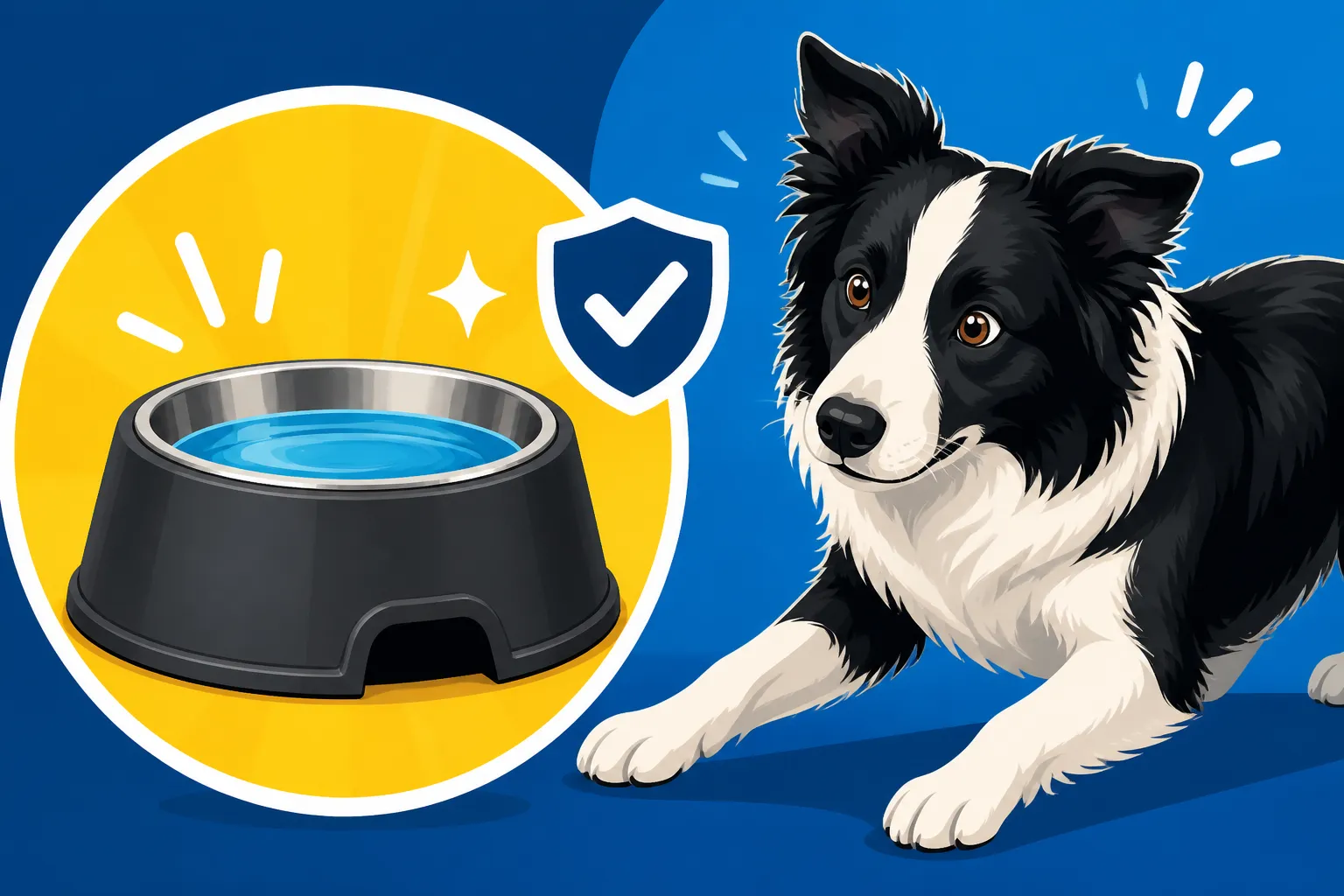
Water Bowls a Border Collie Cannot Tip
If you've ever walked into a room only to find a shallow puddle where your Border Collie's water bowl used to be, or worse, discovered your perfectly clean kitchen floor suddenly awash, you know the frustration. It's a common dilemma for many Border Collie owners: finding a water bowl that stands up to their dog's boundless energy, intelligence, and sometimes mischievous nature. This guide is here to help you navigate the world of hydration solutions, offering practical advice and innovative ideas to keep your floors dry and your clever canine well-hydrated.
Understanding the "Why": Why Your Border Collie Dumps Their Water
It's easy to get annoyed when your Border Collie upends their water bowl, but understanding why they do it can be the first step to finding a lasting solution. Border Collies are incredibly intelligent and driven dogs, and their actions often stem from deep-seated instincts or a need for mental and physical stimulation. They aren't usually trying to be naughty for the sake of it, but rather expressing themselves or trying to fulfill a need in the only way they know how.
Playfulness and Boredom
A significant reason many Border Collies treat their water bowls like a toy is pure playfulness or sheer boredom. These dogs thrive on activity, both physical and mental. If they aren't getting enough structured engagement, that brilliant mind will find its own entertainment, and sometimes, that entertainment involves splashing around in their water. Tipping the bowl, pawing at the water, or even trying to "herd" the water can be a self-appointed game. It's their way of creating a ripple in an otherwise still day. Think about it: a full water bowl presents an interesting challenge, an object to manipulate, especially if they haven't had a proper outlet for their natural drive. It might not be as stimulating as a game of fetch or a complex puzzle, but when they're under-stimulated, any interaction can become a source of fun. This is why addressing their overall routine is key; a truly tired Border Collie, both mentally and physically, is less likely to invent games with their water. What a Border Collie Does With Its Whole Day can give you insights into how to structure their time.
Instinctual Herding Behavior
Border Collies were bred for centuries to gather and control livestock. This powerful herding instinct doesn't just switch off because they're living in a home. While they might not have sheep to move around, that ingrained desire to control and manipulate objects can sometimes manifest in unusual ways. For some Border Collies, the water bowl becomes an object to "herd." They might nose it, paw at it, or push it around the room, trying to get it to go where they want it to go. This isn't necessarily aggressive behavior; it's an expression of their purpose-driven nature. They see something out of place (or something they decide is out of place) and feel compelled to "fix" it. The splash and movement of the water itself can also trigger this instinct, making the bowl even more "alive" and worthy of their attention. Understanding The Border Collie Stare and Where It Comes From can help you recognize the intensity behind their focus, even on something as simple as a water dish.
Anxiety or Stress
Sometimes, tipping the water bowl isn't about play or instinct but about underlying anxiety or stress. A Border Collie who is feeling overwhelmed, insecure, or generally stressed might engage in displacement behaviors to cope. Splashing water can be a self-soothing action, or it could be a way to express their discomfort. Loud noises, changes in routine, new people, or even separation anxiety can all contribute to a Border Collie feeling unsettled. If your dog only tips their bowl in specific situations, or if it's accompanied by other signs of stress like pacing, excessive panting, or destructive chewing, it's worth considering anxiety as a factor. The Border Collie That Paces the House or Noise Fear in a Border Collie might offer further context if you suspect stress is at play. Observing the timing and frequency of the tipping can provide valuable clues about the root cause.
Solutions on the Market: Types of Tip-Proof Water Bowls
Once you understand why your Border Collie might be turning their water bowl into a water feature, it's time to explore the practical solutions available. The good news is that manufacturers have caught onto this common problem, and there are many innovative designs out there specifically made to thwart even the most determined canine.
Heavy-Duty Ceramic and Stainless Steel Bowls
One of the simplest yet most effective ways to prevent tipping is to use a bowl that's inherently heavy and stable.
- Ceramic bowls: These bowls are often quite substantial, making them difficult for a Border Collie to nudge or flip. Look for ceramic bowls with a wide, stable base. The weight distribution is key; a bowl that's heavy on the bottom is much harder to destabilize. Ceramic is also easy to clean and doesn't hold odors, which is a bonus. The main downside, of course, is that ceramic can break if dropped or if your dog manages to push it off a counter. However, for floor-level use, a heavy ceramic bowl can be a real game-changer.
- Stainless steel bowls: While not always as heavy as ceramic, many stainless steel bowls come with non-slip rubber rings or bases that grip the floor. The weight of the bowl, combined with this non-slip feature, makes it surprisingly resistant to movement. Stainless steel is incredibly durable, easy to sanitize, and doesn't leach chemicals, making it a popular choice for many pet owners. Some brands design stainless steel bowls with extra-wide bases or a low center of gravity specifically for dogs known to be "bowl movers." You can find a vast selection of these on sites like Chewy or Amazon, often with customer reviews that specifically address their stability.
When choosing, consider the overall design. Bowls that are wider at the bottom than at the top offer superior stability.
Non-Spill Travel Bowls
These bowls are specifically designed to minimize splashing and spilling during car rides or when used outdoors, but their design principles can be incredibly useful for home use with a rambunctious Border Collie.
- Splash-proof designs: Many non-spill bowls feature an inward-curving rim or a floating disk insert that reduces the amount of water exposed. When your dog drinks, their tongue pushes the disk down, allowing access to the water, but preventing large quantities from sloshing out if the bowl is nudged. These are excellent for reducing everyday mess, even if the bowl itself is still somewhat movable.
- Wide and stable bases: Like their heavy-duty counterparts, many travel bowls are designed with a broad base to resist tipping during motion. Some even come with Velcro or suction cup attachments to secure them to a surface. While the bowl itself might be lighter, the splash-guard feature is often enough to deter casual play. If your Border Collie primarily tips the bowl to create a splash, these designs can be very effective without needing to be excessively heavy. They are also incredibly practical for everyday use and usually quite easy to clean.
Elevated or Wall-Mounted Bowls
For some Border Collies, the act of bending down to drink can contribute to bowl play, or simply make it easier to push the bowl around. Elevated and wall-mounted solutions can solve this by changing the geometry of how your dog interacts with their water source.
- Elevated feeders: These systems raise the food and water bowls to a comfortable height for your dog. While often chosen for digestive health or joint comfort, an elevated feeder makes it much harder for a Border Collie to paw at the bowl or tip it with their nose. The stand itself is usually heavy and stable, preventing the entire unit from being moved. You can often find elevated feeders in various materials, including wood, metal, or durable plastics. Just be sure to choose one that is sturdy and has a wide footprint to prevent it from wobbling.
- Wall-mounted bowls: This is arguably the most secure option. A wall-mounted bracket holds a bowl securely off the floor, making it virtually impossible for your Border Collie to tip. These are typically used for specific situations, like in kennels or outdoor runs, but can be a brilliant solution indoors if you have a dog determined to spill every drop. They come in various styles, from simple brackets that hold a standard stainless steel bowl to more integrated designs. The biggest commitment here is installing it, but once it's up, your tipping troubles are likely over. It's a great choice if you're battling persistent bowl-tipping and nothing else seems to work.
Remember, no single solution works for every dog. Sometimes, a combination of approaches, like a heavy bowl with a non-slip mat, might be necessary. Exploring options on large pet retail sites like Chewy or searching "untippable dog bowl" on Amazon will show you a wide array of products that address this specific issue.
Picking the Perfect Hydration Station for Your Herder
Choosing the right water bowl isn't just about preventing spills; it's about ensuring your Border Collie has consistent access to clean, fresh water in a way that suits their personality and your household. There are several factors to consider beyond just "can it be tipped?".
Material and Durability
The material of your chosen water bowl plays a huge role in its effectiveness and longevity.
- Stainless Steel: As mentioned, this is a fantastic choice for Border Collies. It's incredibly durable, resistant to chewing (a common Border Collie habit if bored!), easy to clean, and doesn't harbor bacteria or odors. Good quality stainless steel won't rust or pit. This means it stands up to vigorous daily use and can be sanitized thoroughly, which is vital for your dog's health. It's also relatively lightweight for its strength, especially if it has a rubberized base to prevent sliding.
- Ceramic: While heavy and stable, ceramic can chip or break if dropped. If your Border Collie is an enthusiastic "mover" of bowls, a ceramic option might eventually succumb to impacts. However, for dogs who simply nose the bowl, its weight can be ideal. It's also aesthetically pleasing and can fit well into home decor. Just be mindful of potential breakages.
- Heavy-Duty Plastic (BPA-free): Some plastics are designed to be incredibly tough and have wide, stable bases. Look for food-grade, BPA-free plastics to ensure safety. While generally lighter than ceramic or stainless steel, certain designs offer good stability. However, plastic can scratch over time, creating tiny crevices where bacteria can grow, and some Border Collies might try to chew on it. Regularly inspecting and replacing plastic bowls is a good practice. Always check for certifications that confirm it's safe for pets.
When weighing material options, consider your Border Collie's chewing habits, the bowl's placement, and how often you're willing to replace it. A durable option means less worry and better hygiene.
Size and Capacity
Border Collies are active dogs, and they need a significant amount of water throughout the day, especially if they are working or engaging in vigorous exercise. Choosing a bowl with adequate capacity is critical.
- Daily Water Needs: A good rule of thumb is that dogs need about 1 ounce of water per pound of body weight per day. A 40-pound Border Collie would need around 40 ounces (about 5 cups) daily, and much more if they're running hard. How Much a Border Collie Drinks on a Working Day details this further. This means a small bowl that needs constant refilling might not be practical and could even frustrate your dog, leading to more bowl interaction.
- Prevention of Empty Bowls: An empty bowl, especially if your Border Collie is prone to tipping it, can be a health concern. Dehydration is serious. A larger capacity bowl ensures there's always water available, even if you're out for a few hours. This also reduces the frequency of refilling, which is a convenience for you.
- Size for Stability: Generally, larger bowls, especially those with a wider base, tend to be more stable. They have a larger footprint, making them harder to push or flip. However, ensure the bowl isn't so deep that a smaller or younger Border Collie has trouble reaching the water. The ideal size strikes a balance between capacity and usability for your specific dog.
Consider your Border Collie's size, activity level, and how often you're home to refill the bowl. An appropriately sized bowl contributes to both hydration and tip-proof success.
Cleaning and Maintenance
No matter how robust a water bowl is, it's useless if it's not kept clean. Border Collies, like all dogs, need fresh, clean water, and their bowls can become breeding grounds for bacteria and biofilm surprisingly quickly.
- Ease of Cleaning: Look for bowls that are easy to wipe down and wash thoroughly. Smooth surfaces are generally better than textured ones, as they don't provide hiding spots for grime. Stainless steel and ceramic bowls are typically excellent in this regard, often being dishwasher- safe. Plastic bowls can also be easy to clean, but as mentioned, scratches can make them harder to sanitize over time. If a bowl has multiple parts, like a non-spill insert, ensure all components can be easily disassembled and cleaned to prevent mold or bacterial growth.
- Regular Routine: Develop a habit of cleaning the water bowl daily. A quick rinse and wipe often aren't enough. Aim for a thorough scrub with soap and water every day, and perhaps a run through the dishwasher a few times a week if the material allows. This prevents the slimy film (biofilm) from building up, which not only looks unpleasant but can also contain harmful bacteria. Some Border Collies might even be deterred from drinking if their water tastes or smells off, which could, paradoxically, lead them to interact with the bowl in unwanted ways.
A clean bowl promotes good health and ensures your Border Collie always has access to inviting, fresh water.
Here's a quick comparison of popular tip-proof water bowl options:
| Bowl Type | Pros | Cons | Best For |
|---|---|---|---|
| Heavy Ceramic | Very heavy, stable; hard to push; aesthetically pleasing | Can chip/break if dropped; heavy to lift for cleaning | Nudging dogs; aesthetic-conscious owners; floor placement |
| Stainless Steel (w/ non-slip base) | Durable, hygienic, lightweight for carrying, easy to clean; non-slip grip | Lighter than ceramic (can still be tipped by determined dogs) | Active dogs; those needing easy cleaning; general all-around good choice |
| Non-Spill Travel Bowl | Reduces splashes significantly; often has wide base | May not prevent tipping entirely; can have multiple parts to clean | Splashers; car travel; moderate tippers |
| Elevated Feeder | Lifts bowl off floor; more comfortable for some dogs; often heavy | Can still be pawed at; takes up floor space; less portable | Large or older dogs; messy drinkers; preventing ground-level interaction |
| Wall-Mounted Bowl | Completely untippable; very secure | Requires installation (drilling); fixed location; less portable | Persistent tippers; kennel or utility room use; ultimate security |
Beyond the Bowl: Management and Training Strategies
While a sturdy, well-designed water bowl is your first line of defense against spills, sometimes the solution goes deeper than just the equipment. Border Collies are complex creatures, and addressing the underlying reasons for their behavior, coupled with smart management, can provide the most comprehensive and lasting results.
Addressing Underlying Causes
Understanding why your Border Collie is interacting with their water bowl in an undesirable way is crucial.
- Mental and Physical Stimulation: If boredom or excess energy is the culprit, the most effective long-term solution is to provide more appropriate outlets. Border Collies need significant mental engagement in addition to physical exercise. This could mean incorporating puzzle toys, Scentwork for a Border Collie Between Trial Seasons, trick training, or structured obedience sessions into their daily routine. A Border Collie whose mind is engaged and body is tired is far less likely to seek out destructive ways to entertain themselves. Ensure they have a consistent schedule that includes challenging activities.
- Anxiety Management: If anxiety is driving the behavior, simply changing the bowl won't fix the root problem. You'll need to work on reducing your dog's stress levels. This might involve creating a more predictable environment, using calming aids (under veterinary guidance), or working with a professional dog trainer or behaviorist. Identifying and mitigating the stressors – whether it's noise, separation, or general insecurity – is key. A calm Border Collie is a less destructive Border Collie. A Border Collie That Panics When You Leave provides more insights into separation anxiety.
- Redirection: Sometimes, it's just a phase, or your Border Collie is trying to get your attention. Instead of reacting negatively (which can sometimes inadvertently reward the behavior with attention), redirect them to an appropriate activity. Offer a favorite toy, start a quick training session, or engage them in a short play session immediately before they even consider tipping the bowl.
Positive Reinforcement and Training
Training plays a vital role, not just in general obedience but in specifically teaching your Border Collie how to interact appropriately with their water bowl.
- "Leave It" Command: This command is invaluable for a Border Collie. Teach them to "leave" the bowl alone unless they are drinking. Start in a low-distraction environment, placing a treat (perhaps one of the Training Treats Inside a Border Collie's Ration) near the bowl. When they look at the treat but don't try to get it, say "leave it," mark it, and reward them with a different treat from your hand. Gradually increase the duration and distraction. Once mastered, you can use "leave it" to deter them from pawing or playing with the water bowl.
- Rewarding Calm Drinking: Actively reward your Border Collie when they drink politely from their bowl. When you see them approach, drink calmly, and then move away, praise them quietly or drop a small, high-value treat near them (but not in the water!). This reinforces the desired behavior. The goal is to make calm hydration a positive experience.
- Consistency: Border Collies thrive on consistency. Ensure everyone in the household is on the same page regarding rules around the water bowl. If one person allows splashing as a game, it undermines all efforts to stop the behavior.
Creating a Safe Hydration Station
Where you place the bowl and how you set up their drinking area can also make a big difference.
- Placement Matters: Consider placing the water bowl in an area where spills are less disruptive or where your Border Collie is less likely to be bored and start playing. A utility room, a tiled kitchen corner, or even outdoors (if weather permits) might be better than a carpeted living area.
- Secure the Area: Even with a heavy bowl, a determined Border Collie can sometimes move it. Consider using an anti-slip mat or tray underneath the bowl. These mats have a grippy surface that helps keep the bowl in place and can also catch any incidental splashes, saving your floor. Some even have raised edges to contain larger spills.
- Multiple Water Sources: Sometimes, providing several water bowls in different locations can help. If one bowl becomes a "toy," they still have access to another clean, undisturbed source of water. This also encourages hydration, which is essential for these active dogs.
- Supervision: Especially during initial training, supervise your Border Collie around their water bowl. This allows you to interrupt any undesirable behavior immediately and redirect them, or to praise appropriate drinking. As they learn, you can gradually reduce supervision.
By combining the right equipment with a thoughtful approach to your Border Collie's needs and consistent training, you can transform their hydration habits, leading to drier floors and a happier, healthier dog.
Disclaimer
This article is for general informational purposes only and does not constitute professional advice. Laws, prices and regulations vary by location and change over time. Consult a qualified professional for guidance on your specific situation.