A Border Collie That Paces the House
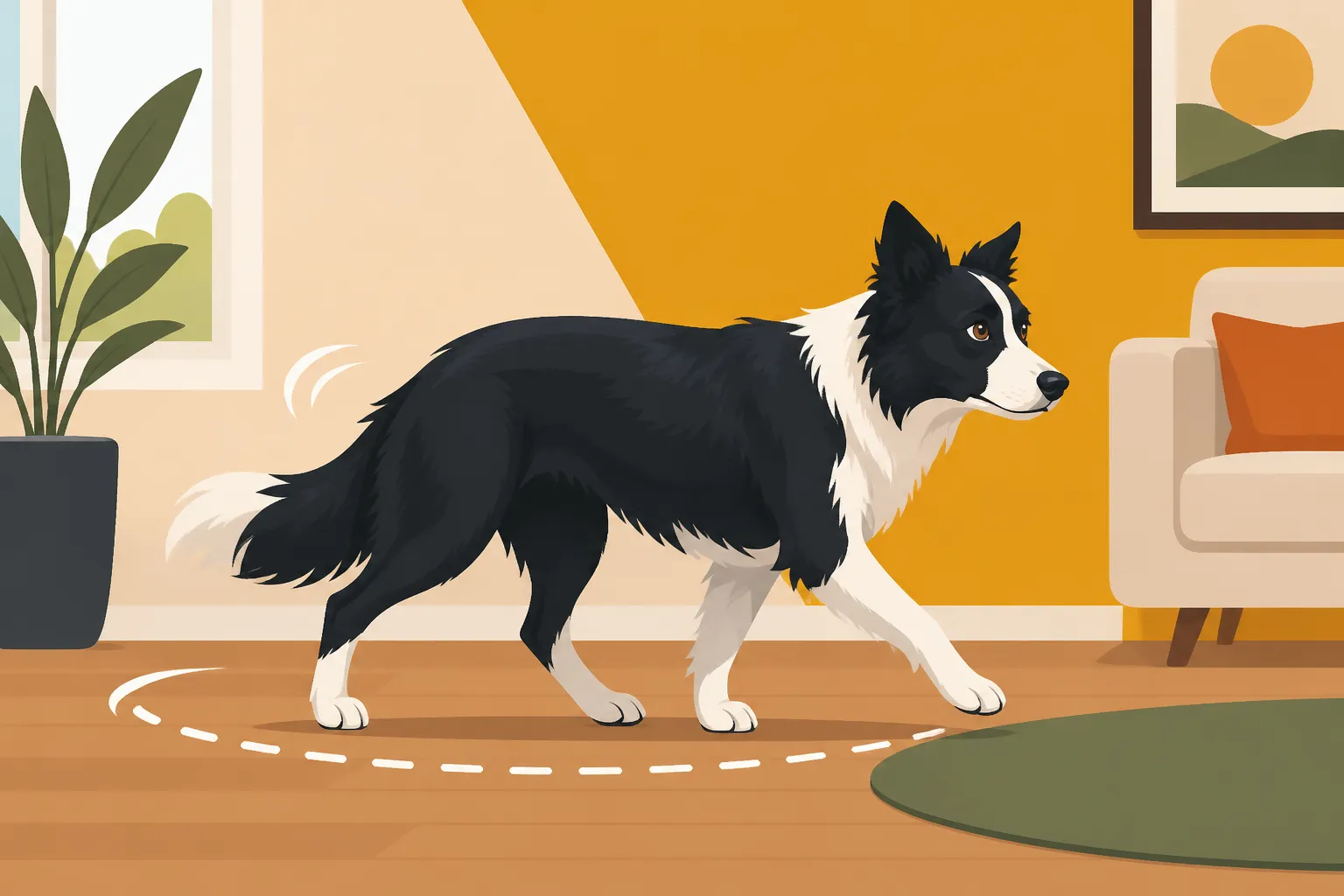
It's incredibly unsettling and often downright frustrating when your Border Collie can't seem to settle down, instead resorting to endless pacing around the house. You might feel like you're doing everything right – regular walks, plenty of love – but still, that restless energy just doesn't dissipate. This guide is here to help you understand the root causes behind your Border Collie's pacing, offering practical steps and insights to bring peace and calm back to your home.
Understanding Why Your Border Collie Paces
When a Border Collie paces, it's rarely just 'being naughty' or 'hyper.' This behavior is almost always a symptom, a visible sign that something isn't quite right in their world or within their own body. They're trying to tell you something, and it's our job as their devoted humans to listen and decode it.
Undermet Needs and Energy
Let's be honest: Border Collies are not your average couch potatoes. They were bred for intense work, covering miles of rugged terrain, making complex decisions, and using both their minds and bodies all day long. If they don't get an outlet for this innate drive, that pent-up energy has to go somewhere, and pacing is a very common manifestation. It's like having a high-performance sports car stuck in bumper-to-bumper traffic – it's built to run, and if it can't, it starts to vibrate with unused power.
Think about the sheer amount of energy these dogs possess. A simple walk around the block, while nice for sniffing, doesn't even begin to tap into their reserves. They need purposeful movement, not just exercise. This means activities that challenge their incredible intelligence and athleticism simultaneously. Without it, they're left with a physical and mental void, and pacing becomes their way of expressing that internal restlessness. It’s a repetitive behavior that attempts to burn off some of that excess, but it’s rarely truly satisfying for them.
Anxiety and Stress Triggers
Pacing isn't always about unspent energy; sometimes, it's a clear sign of anxiety or stress. Border Collies are incredibly sensitive and intelligent, meaning they can be prone to various forms of anxiety, from separation distress to noise phobias. If your dog starts pacing specifically when you're preparing to leave, or when there's a thunderstorm brewing, or perhaps after an unfamiliar visitor has left, these are strong indicators that their emotional state is disturbed.
The pacing might be accompanied by other signs of stress, such as excessive licking, yawning, panting, whining, or even destructive chewing. Their brains are working overtime, trying to process something overwhelming, and the physical act of pacing can be a self-soothing mechanism or an outward expression of their internal turmoil. Understanding Noise Fear in a Border Collie is crucial here, as sudden loud sounds can send a sensitive dog into a frenzy, and pacing might be their immediate reaction. Similarly, if your Border Collie typically paces when left alone, it could be a sign of separation anxiety, where the absence of their human triggers significant distress.
Underlying Medical Issues
While often behavioral, pacing can sometimes point to an underlying health problem. It's crucial not to dismiss this possibility, especially if the pacing is a new behavior, or if it's accompanied by other unusual symptoms. Pain, discomfort, or certain neurological conditions can all cause a dog to become restless and pace.
Older Border Collies, for instance, might start pacing due to cognitive dysfunction, sometimes referred to as canine Alzheimer's. Their internal clock might be off, they might feel disoriented, and pacing can be a symptom of this confusion. Conditions like arthritis or hip dysplasia, even if not overtly painful, can cause subtle discomfort that leads to restlessness as they try to find a comfortable position or move away from the source of ache. Thyroid imbalances or other metabolic issues can also impact a dog's energy levels and contribute to restlessness. If you're seeing pacing alongside changes in appetite, thirst, weight, or gait, it's definitely time for a vet visit.
Addressing Pacing Through Physical and Mental Engagement
The key to settling a pacing Border Collie often lies in providing appropriate outlets for their extraordinary drive. These aren't just dogs; they are canine athletes and thinkers, and they need activities that engage both their bodies and their brilliant minds.
Strategic Exercise: Beyond the Walk
For a Border Collie, a walk around the block is often just a warm-up. They need exercise that is intense, varied, and challenging. Think about what they were bred to do: herd livestock. This involves bursts of speed, quick changes of direction, long distances, and constant mental calculations. Replicating this kind of engagement, even without sheep, is vital.
Consider introducing activities like fetch with a frisbee or ball in a large, open field, allowing for long sprints and jumps. If you're physically active, canicross (running with your dog harnessed to you) or bikejoring (cycling with your dog pulling ahead) can be excellent ways to burn off significant energy. Even swimming can be a fantastic, low-impact full-body workout. The goal isn't just to make them tired, but satisfied. A truly fulfilled Border Collie will come home, drink some water, and then flop down for a genuine nap, not pace. It's about channeling that incredible energy, not suppressing it. Remember that Why Walking a Border Collie Is Not Enough is a common lesson new owners quickly learn.
Brain Games and Purposeful Training
Physical exercise alone is rarely enough for a Border Collie. Their minds are constantly seeking puzzles to solve, and if you don't provide them, they'll invent their own – which often manifests as unwanted behaviors like pacing. Incorporating daily mental stimulation is just as important as physical activity.
This can take many forms. Advanced obedience training, where you're teaching complex sequences or proofing commands in distracting environments, can be incredibly taxing for their brains. Scent work, where they use their noses to find hidden treats or articles, is a fantastic mental workout that tires them out without requiring much physical exertion. Puzzle toys, especially those that require multiple steps or manipulations, can keep them engaged for significant periods. You can find a wide variety of these on Amazon, from snuffle mats to complex treat dispensers. Puzzle Feeders That Hold a Border Collie can make meal times an engaging mental challenge rather than a quick gulp-and-go affair. Even simple trick training, teaching them new commands or behaviors, can be wonderfully enriching. The BAXTER & Bella online puppy school and dog training platform offers structured courses that can help you introduce new skills and challenges, providing that crucial mental engagement even if you're not an experienced trainer.
Structured Routine and Designated "Off-Switch"
Border Collies thrive on routine and predictability. A chaotic or inconsistent environment can be a source of stress and contribute to restlessness. Establishing a clear daily schedule for feeding, exercise, training, and rest periods can provide a sense of security that helps reduce pacing.
Crucially, teach your Border Collie an "off-switch." This means training them to settle calmly in a designated spot, like a crate or a mat, even when there's activity around them. Start with short periods of quiet time and gradually extend it. Reward them heavily for calm behavior in their designated resting area. This isn't about forcing them to be still, but about teaching them how to relax and understand that downtime is part of the routine. A cozy, dark crate can become a sanctuary where they feel safe and can truly switch off. Think of it as teaching them to transition from "work mode" to "chill mode."
Environmental Factors and Management for a Pacing Border Collie
Beyond their innate needs, a Border Collie's immediate environment plays a huge role in their behavior. Small changes in how you manage their space and what you introduce (or remove) can make a significant difference in reducing pacing.
Creating a Calming Home Environment
Your home should be a haven, not a source of overstimulation. For a sensitive Border Collie, too much noise, constant foot traffic, or even busy visual stimuli can be overwhelming. Identify potential stressors in your home. Is there a window they stare out of, reacting to every passing car or person? Perhaps you can use opaque film or strategically placed furniture to block their view.
Consider using calming aids. Dog-appeasing pheromone diffusers, available from pet stores and Amazon, can help create a more serene atmosphere. Gentle background music or white noise can mask sudden, jarring sounds that might trigger anxiety. Ensure they have a quiet, comfortable "den" or crate where they can retreat when feeling overwhelmed. This safe space should be their own, not a place they are sent for punishment.
Avoiding Triggers and Managing Overstimulation
Once you've identified what makes your Border Collie pace, the next step is proactive management to avoid or minimize those triggers. If you know that guests make them anxious, manage introductions carefully, perhaps keeping your dog on a leash or in their crate initially, or even putting them in a separate room with a long-lasting chew toy while guests arrive and settle.
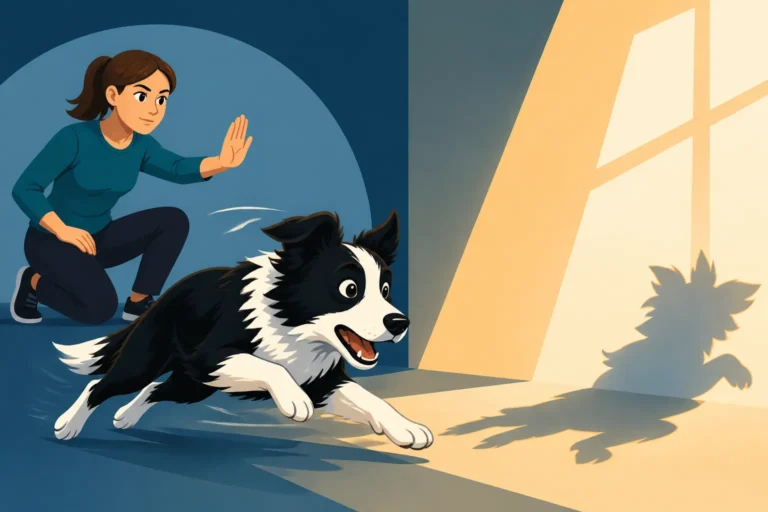
For dogs prone to shadow or light chasing (a common Border Collie quirk that can escalate to compulsive pacing), completely remove the source of those moving lights. Close blinds and curtains, avoid laser pointers, and be mindful of reflective surfaces. Sometimes, simply altering the environment so the trigger isn't present is the most effective immediate solution. If the pacing is linked to external noises, Desensitizing a Border Collie to Gunfire or fireworks through carefully managed training programs can be incredibly beneficial.
| Cause of Pacing | Potential Solutions & Management Strategies | Example Actions |
|---|---|---|
| Undermet Energy | Increase duration & intensity of purposeful physical exercise; add structured work. | Daily frisbee/flirt pole, bikejoring, long hikes, agility training. |
| Mental Under-stimulation | Introduce brain games, advanced training, scent work, puzzle toys. | Snuffle mats, KONGs, 'find it' games, learning new tricks via BAXTER & Bella. |
| Anxiety/Stress | Identify triggers, create safe spaces, calming aids, structured routine, desensitization. | Pheromone diffuser, crate training, white noise, working with a behaviorist. |
| Boredom/Lack of Structure | Implement a consistent daily routine, rotate toys, offer interactive play. | Set meal times, specific training slots, vary walk routes, new chew toys. |
| Discomfort/Pain | Veterinary check-up to rule out medical issues, pain management. | Vet exam, medication, joint supplements, physical therapy. |
| Compulsive Behavior | Veterinary consultation, behaviorist intervention, environmental management, medication. | Professional diagnosis, strict management of triggers, behavioral modification. |
When Pacing Becomes a Medical Concern
While many instances of pacing can be addressed through better management and increased appropriate stimulation, it's vital to know when to seek professional veterinary advice. Ignoring persistent or worsening pacing could mean missing a treatable medical condition.
Recognizing Red Flags
Pacing that changes in nature, increases in frequency or intensity, or is accompanied by other symptoms should always raise a red flag. If your Border Collie suddenly starts pacing relentlessly, seems disoriented, bumps into things, or has trouble settling even after a good workout, it warrants immediate attention. Other worrying signs include:
- Changes in eating or drinking habits (loss of appetite, increased thirst)
- Changes in urination or defecation
- Sudden weight loss or gain
- Vomiting or diarrhea
- Lethargy or unusual fatigue (after pacing)
- Tremors, muscle twitching, or seizures
- Pain responses (whining, guarding, limping – see Signs a Border Collie's Hips Are Sore)
- Increased panting or drooling without exertion
- Difficulty getting up or lying down
These symptoms, especially in conjunction with pacing, point to something more than just boredom or excess energy.
Consulting Your Veterinarian
If you have any concerns about your Border Collie's pacing, the first step should always be a visit to your veterinarian. Describe the pacing behavior in detail: when it started, when it typically occurs, how long it lasts, and any other symptoms you've noticed. It can be helpful to keep a journal of these observations before your appointment.
Your vet will likely conduct a thorough physical examination, potentially including blood work to check for metabolic issues like thyroid dysfunction, or to assess overall organ health. They might also suggest imaging (X-rays) to look for orthopedic pain, especially in older dogs. In some cases, a neurological examination might be necessary to rule out conditions affecting the brain or nervous system. Early diagnosis can make a huge difference in managing or treating any underlying health problem, and ensure your Border Collie gets the care they need to feel comfortable and settled again. Yearly Bloodwork for a Border Collie is a good practice for proactive health monitoring.
Disclaimer
This article is for general informational purposes only and does not constitute professional advice. Laws, prices and regulations vary by location and change over time. Consult a qualified professional for guidance on your specific situation.