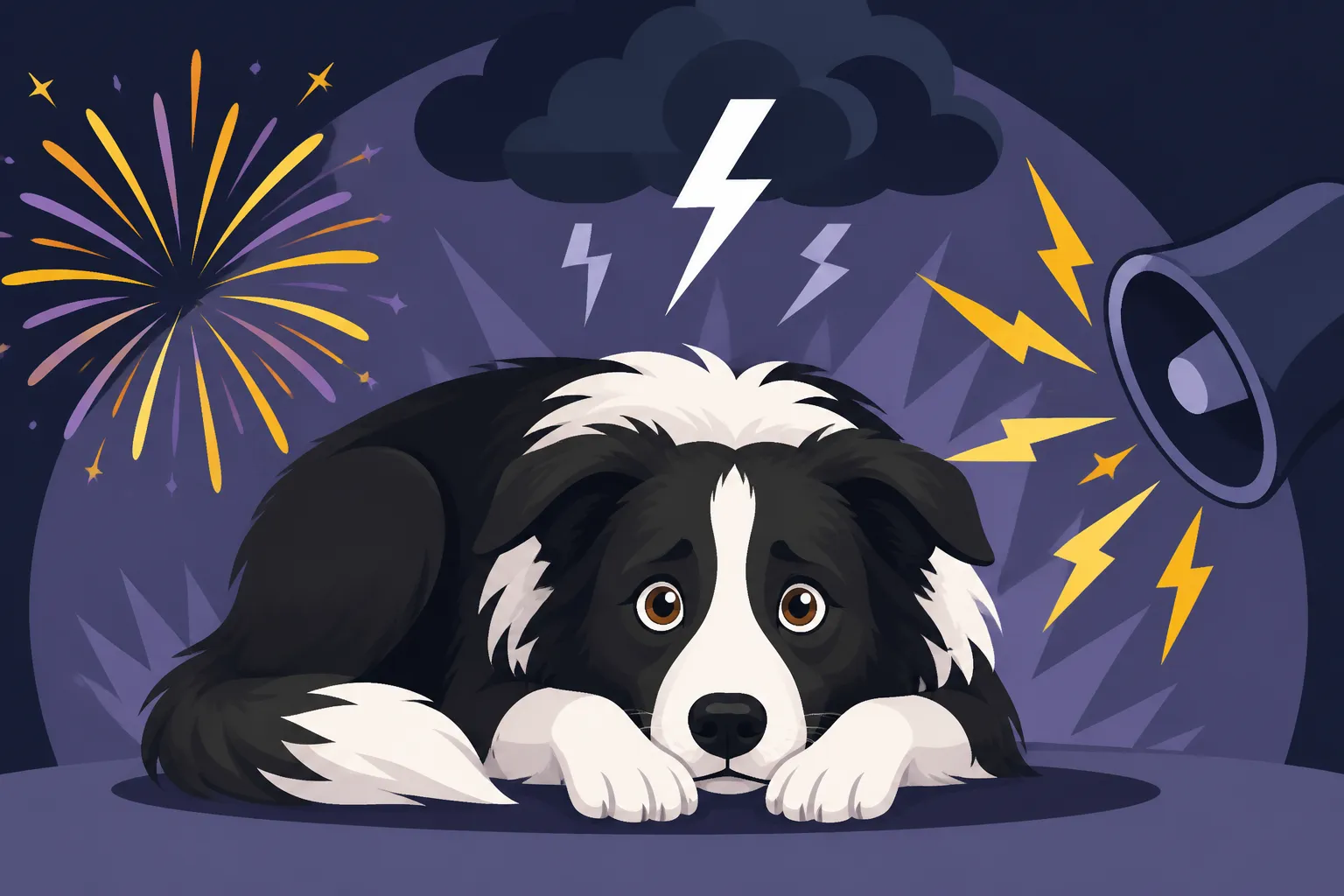
Noise Fear in a Border Collie
One of the most heartbreaking things to witness as a Border Collie owner is seeing your usually brave, brilliant companion cower and tremble at a sound you barely notice. It’s not just about a dog being a bit skittish; for many Border Collies, noise fear can be a deeply debilitating anxiety that turns everyday life into a minefield of unseen threats. This comprehensive guide will walk you through understanding why these highly sensitive dogs struggle with sounds, how to identify the signs, and most importantly, how to support your Border Collie and help them build confidence in a noisy world.
Understanding Noise Fear in Border Collies: It's More Than Just Being 'Spooked'
When your Border Collie dives under the bed at the first distant rumble of thunder or barks frantically at the sound of a truck reversing down the street, it’s easy to dismiss it as "just being scared." But for many of these dogs, especially a breed as finely tuned and intelligent as the Border Collie, noise fear is a complex anxiety that can significantly impact their quality of life. It’s a genuine phobia, not a simple startle response, and understanding this distinction is the first step toward effective management.
Why Border Collies Can Be More Prone to Sound Sensitivity
Border Collies are renowned for their intense focus, incredible intelligence, and acute senses. These very traits, which make them exceptional working dogs and sport competitors, can also make them more susceptible to noise sensitivity. Imagine having your senses dialled up to eleven all the time – every subtle shift in air pressure, every distant echo, every change in tone or frequency. What might be a faint, inconsequential sound to us can be an overwhelming, jarring assault on a Border Collie's ears.
Their high arousal levels are also a significant factor. Border Collies are often described as being "always on," ready to respond to cues, changes in the environment, or the slightest movement of sheep. This state of constant readiness, while beneficial for their work, means they can be more easily tipped into an anxious or hyper-vigilant state when confronted with unexpected or loud noises. Their brains are wired to react quickly, and unfortunately, this can sometimes translate into an exaggerated fear response to sound. Think about a finely tuned sports car; it's incredibly responsive, but sometimes that responsiveness can lead to skidding if the conditions are too challenging.
The Difference Between Mild Startle and True Phobia
It’s normal for any dog to be startled by a sudden, loud noise. A car backfiring, a dropped pot, or an unexpected shout will likely make most dogs jump, maybe bark once, and then recover quickly. This is a mild startle response – a natural, appropriate reaction to a surprising stimulus. The dog might prick its ears, look towards the sound, and then quickly settle back down once it assesses there's no real threat.
True noise phobia, however, goes far beyond this. With a phobia, the dog's reaction is disproportionate to the actual threat. They might enter a state of extreme panic, trembling uncontrollably, panting heavily, salivating, desperately trying to escape, or even becoming destructive. This isn't just a brief moment of unease; it can be a prolonged period of intense distress, sometimes lasting long after the sound itself has stopped. The dog anticipates the sound, often showing signs of anxiety even before the first rumble of thunder or the first firework pops. This anticipatory anxiety is a hallmark of a phobia and highlights the mental toll it takes on our dogs. It impacts their daily lives by reducing their ability to cope with normal environmental stimuli, leading to a constant state of low-level stress.
Common Triggers for Noise Fear in Our High-Drive Companions
Border Collies, with their heightened senses and eager-to-please nature, can develop noise fear from an incredibly wide range of triggers. What might seem innocuous to us can become a source of profound distress for them. It's not always the obvious loud bangs, either; sometimes the most mundane sounds can become deeply problematic, turning your home or neighborhood into a constant source of anxiety for your dog.
Everyday Sounds That Can Become Problematic
Think about the cacophony of modern life. For a Border Collie, these everyday sounds can be incredibly challenging. The whirring of the vacuum cleaner, the sudden ring of the doorbell, the rumble of passing traffic, or even the distinct tone of your phone's notification can become triggers. I've known Border Collies who would bolt from the room at the sound of a blender, or whose entire day was dictated by whether the delivery truck was due. These aren't isolated incidents; they're repeated assaults on their sensitive nervous systems.
Sometimes, it’s not even the loudness, but the unpredictability or the specific frequency of a sound. A car door slamming down the street might be fine, but the clatter of dishes being put away could send them into a panic. This often develops from a lack of proper early socialization to a variety of sounds and experiences during their critical developmental window, or it can be a learned response if they've had a particularly negative experience associated with a sound. Whatever the origin, it turns routine household activities into stressful events for both dog and owner, making it hard to relax or even perform simple chores without causing distress.
Big, Booming Events: Fireworks, Thunderstorms, and Gunfire
While everyday sounds can chip away at a Border Collie's peace, it's the big, booming events that often push them into full-blown panic. Fireworks, thunderstorms, and gunfire are notorious triggers for noise phobia in many breeds, but particularly so in our sensitive Border Collies. The sheer volume, unpredictable timing, and intense vibrations associated with these events can be utterly terrifying. During a thunderstorm, it's not just the lightning and thunder; it's the change in atmospheric pressure, the distant rumbling, the static electricity in the air, and the driving rain hitting the windows – a full sensory assault.
For owners, these events can be incredibly stressful. You find yourself checking weather forecasts obsessively, dreading national holidays, or avoiding areas where hunting might occur. Your dog might pant, pace, vocalize incessantly, or attempt to chew through doors or walls to escape the perceived threat. I've seen dogs injure themselves trying to escape a secure yard during a firework display. This kind of intense, acute fear is not only distressing for the dog but can also be incredibly dangerous, leading to escape attempts and potential injury. Managing these events requires a multi-faceted approach, often combining immediate comfort with long-term desensitization strategies.
Spotting the Signs: Is Your Border Collie Hiding Its Fear?
One of the challenges with noise fear in Border Collies is that their signs of distress aren’t always as obvious as trembling or barking. As a breed often bred to be stoic and work through discomfort, some Border Collies can be subtle about their anxiety, especially in the early stages. Learning to read these nuanced signals is crucial for intervening early and providing support before their fear escalates into full-blown panic.
Subtle Cues and Early Indicators of Discomfort
Many Border Collies will show subtle signs of discomfort long before they resort to full-blown panic. These can be easy to miss if you’re not looking closely, but they are critical indicators that your dog is struggling. You might notice them licking their lips repeatedly, yawning when not tired, or suddenly looking away from you or the source of the sound. Their body posture might become stiff or rigid, their tail might tuck slightly, or their ears might be pulled back against their head. Some dogs might try to "make themselves small" by crouching or moving to a corner, even if they're not fully hiding yet.
Another common subtle sign is displacement behaviors. These are normal behaviors performed out of context, such as excessive scratching when they're not itchy, grooming themselves intently, or suddenly needing to sniff the ground for a prolonged period. A Border Collie might suddenly start intently staring at a wall or a toy, almost as if trying to mentally disengage from the overwhelming sensory input. Recognizing these early signals allows you to intervene gently, perhaps by moving them to a quieter space, offering a calming chew, or engaging them in a quiet game before their anxiety spirals. Observing these cues is part of What a Border Collie Reads in a Handler's Body, so being tuned into their body language helps build that reciprocal trust.
Overt Panic and Destructive Behaviors
When a Border Collie's noise fear escalates, the signs become much more apparent and often more distressing to witness. Overt panic can manifest as intense trembling, excessive panting (even when not hot or exercised), constant drooling, and frantic pacing. Their eyes might be wide, pupils dilated, and they may appear disoriented or unable to focus on you. Some dogs will vocalize excessively, barking, whining, or even howling in distress.
The drive to escape the frightening sound can lead to destructive behaviors that not only damage your home but also put your dog at serious risk of injury. This might include scratching or chewing at doors and window frames, attempting to dig through floors or walls, or even jumping through glass windows. I’ve known dogs who have injured their paws, broken teeth, or suffered serious lacerations in their desperate attempts to get away from a perceived threat. In these severe cases, the dog is not just "acting out"; they are in a genuine state of terror, driven by an overwhelming survival instinct. This level of panic requires immediate intervention and professional help to ensure the dog's safety and well-being.
Immediate Relief: Creating a Safe Haven During Scary Sounds
When your Border Collie is gripped by noise fear, your immediate priority is to ensure their safety and provide as much comfort as possible. This isn't about "curing" the phobia in the moment, but rather about managing the acute distress and preventing further trauma. Creating a predictable, secure environment can make a world of difference during those terrifying thunderstorms, firework displays, or even just during a particularly noisy week in the neighborhood.
Setting Up a Secure, Calming Space
The first step in managing acute noise events is to provide your Border Collie with a dedicated "safe haven." This should be a place where they feel secure and can retreat from the frightening sounds. For some dogs, this might be a crate draped with heavy blankets in a quiet interior room, away from windows and exterior doors. The blankets can help muffle sounds and create a den-like feel, appealing to their natural instinct for enclosed spaces. You can also cover windows to block out flashes of lightning or fireworks, which can be just as distressing as the sound.
Inside this safe space, include familiar, comforting items: their favourite bed, a blanket that smells like you, and some calming scent diffusers if your dog responds well to them. Many owners find white noise machines or calm classical music playing gently in the background can help mask the intensity of external sounds. Products found on Amazon, like a sturdy crate from a reputable brand or a white noise generator, can be really helpful here. The goal is to create a physical and auditory barrier that reduces the impact of the frightening noise, making it less overwhelming for your sensitive Border Collie. This space should always be available, not just during known events, so your dog learns to associate it with safety and comfort.
Distraction and Counter-Conditioning in the Moment
Once your Border Collie is in their safe space, you can employ distraction and gentle counter-conditioning techniques to help shift their emotional state. This involves associating the scary sounds with something positive and highly rewarding. If your dog is still receptive to treats, offer high-value, super-tasty chews or puzzle toys filled with delicious goodies. A Puzzle Feeders That Hold a Border Collie for a good long while can be a great way to engage their brain and keep them focused on something other than the sounds.
Some Border Collies might prefer a quiet game of tug with their favourite toy if they are not too overstimulated. Your calm, reassuring presence is also incredibly important. Speak in a low, soothing voice, and avoid overly dramatic reactions to the noises yourself, as this can inadvertently confirm to your dog that there is indeed something to be afraid of. If your dog approaches you for comfort, offer gentle strokes and reassurance. However, avoid smothering them or reinforcing frantic behavior with excessive coddling, which can inadvertently increase their anxiety. The key is to redirect their attention to positive, low-stress activities within their safe zone, gradually building a new, more positive association with the environment, even when sounds are present.
Building Resilience: Long-Term Desensitization and Counter-Conditioning
While immediate management helps in the moment, true progress in overcoming noise fear involves long-term strategies aimed at changing your Border Collie's emotional response to sounds. This is where desensitization and counter-conditioning come into play, gradually re-shaping their perception of previously terrifying noises from a threat into something neutral, or even positive. It requires patience, consistency, and a deep understanding of your dog's individual thresholds.
The Step-by-Step Process of Desensitization
Desensitization is a gradual process of exposing your Border Collie to the frightening sound at such a low intensity that it doesn't trigger a fearful response. The goal is to slowly increase the volume or proximity of the sound over many sessions, always staying below your dog's panic threshold. This typically involves using sound recordings of the trigger (e.g., thunderstorms, fireworks). You'd start playing the recording at an almost imperceptible volume, just loud enough for your dog to notice, but not react negatively.
During these sessions, it's crucial to observe your dog's body language closely. If you see any signs of anxiety – even subtle ones like lip-licking or stiffening – you've gone too far, too fast. Immediately lower the volume or end the session on a positive note, and try again at an even lower intensity next time. The process should be slow and methodical, often taking weeks or months. Consistency is key, and short, frequent sessions (5-10 minutes) are often more effective than long, infrequent ones. Remember, this isn't about flooding them with the sound; it's about helping them calmly process it at their own pace. Desensitizing a Border Collie to Gunfire is a good example of this kind of training, and the same principles apply.
Pairing Scary Sounds with Positive Experiences
Counter-conditioning works hand-in-hand with desensitization. As you expose your Border Collie to the low-level sound, you simultaneously pair it with something highly positive and enjoyable. This could be their absolute favorite, high-value treats (think boiled chicken, cheese, or peanut butter), a fun game of tug, or even a relaxing massage if they enjoy it. The idea is to create a new, positive emotional association with the sound.
So, when the faint sound of thunder plays, delicious treats appear. When the sound stops, the treats disappear. This teaches your Border Collie that "thunder means yummy things" rather than "thunder means danger." As you slowly increase the sound's intensity in subsequent sessions, you continue to pair it with these positive experiences. The goal is to change their underlying emotional response from fear to anticipation of something good. If you find your dog is too stressed to eat or play, the sound is too loud, and you need to dial it back. You want them to be comfortable enough to engage with the positive reinforcement, showing you are well below their panic threshold.
Beyond Sounds: General Confidence Building
While direct desensitization and counter-conditioning target specific noises, building your Border Collie's overall confidence and sense of security can significantly improve their resilience to fear. A dog that feels secure in its environment and trusts its handler is better equipped to cope with unexpected stressors. This involves consistent positive reinforcement training, establishing clear routines, and providing ample mental and physical enrichment.
Engage in activities that build focus and self-control, such as obedience work, trick training, or Scentwork for a Border Collie Between Trial Seasons. These activities tap into their natural intelligence and drive, providing constructive outlets for their energy and boosting their self-esteem. A strong, positive relationship with you, built on trust and mutual respect, is the most powerful tool. Consider online positive reinforcement courses like those offered by BAXTER & Bella, which emphasize building a solid foundation of obedience and confidence, helping owners connect with their dogs and navigate various behavioral challenges, including anxiety. Regular, predictable exercise and mental stimulation also reduce overall stress levels, making your Border Collie less susceptible to heightened anxiety when faced with a frightening sound.
When to Call for Backup: Seeking Professional Guidance
It's completely normal to feel overwhelmed when dealing with a Border Collie's noise fear. Sometimes, despite your best efforts, the anxiety is too deeply ingrained or severe to manage on your own. This is not a sign of failure, but rather an indication that it's time to bring in the experts. Professional guidance can provide tailored strategies, identify underlying issues, and offer support when you feel you've exhausted your options.
Recognizing When You Need a Veterinary Behaviorist
If your Border Collie's noise fear is severe, involves self-harm or destructive behaviors, or doesn't improve with your consistent desensitization efforts, it's time to consult a veterinary behaviorist. These are veterinarians who have specialized training in animal behavior and are uniquely qualified to diagnose and treat behavioral disorders, including phobias. They can assess your dog's overall physical and mental health, ruling out any underlying medical conditions that might be contributing to the anxiety (such as pain or Deafness in a Border Collie that makes sudden sounds more jarring).
A veterinary behaviorist can also prescribe medication if appropriate. They understand the intricacies of canine neurochemistry and can determine if pharmaceutical intervention is necessary to help your dog get out of a perpetual state of panic so that behavioral modification can even begin to be effective. Think of medication as a tool to lower their anxiety levels enough for them to learn and respond to training. They will work with you to develop a comprehensive treatment plan that often combines medication with behavior modification techniques, providing a holistic approach to managing the phobia.
Working with a Certified Professional Dog Trainer
For milder cases of noise sensitivity or as part of a broader behavioral plan, a certified professional dog trainer (CPDT) who specializes in positive reinforcement and fear-based behaviors can be incredibly valuable. Unlike veterinary behaviorists, trainers cannot prescribe medication, but they are experts in practical behavior modification. They can help you implement effective desensitization and counter-conditioning protocols, teach you how to read your Border Collie's subtle body language cues, and guide you in building your dog's overall confidence.
Look for a trainer who uses force-free, reward-based methods, as punitive or aversive techniques can actually worsen fear and anxiety. A good trainer will help you develop management strategies for acute events and teach you specific games and exercises that foster resilience. They can also provide hands-on guidance during training sessions, observing your interactions and offering real-time feedback. Organizations like the Certification Council for Professional Dog Trainers (CCPDT) can help you find qualified professionals in your area. They will help you implement the nuanced steps of Building a Border Collie Recall Against Moving Things or other crucial confidence-building exercises that can indirectly lessen sound sensitivity.
Supportive Measures: Medication and Supplements for Noise Anxiety
For Border Collies with moderate to severe noise fear, behavioral modification alone might not be enough. In such cases, medication or supplements can play a crucial supportive role, helping to reduce anxiety levels to a point where your dog can actually learn and cope more effectively. This is never a standalone solution but should always be discussed with your veterinarian or a veterinary behaviorist.
Prescription Medications: What Your Vet Might Suggest
When your Border Collie's anxiety is significantly impacting their quality of life, a veterinarian or veterinary behaviorist might suggest prescription medication. These drugs are not about "sedating" your dog into submission, but rather about addressing the underlying chemical imbalances that contribute to severe anxiety. Options might include anxiolytics (anti-anxiety medications) that can be given daily for long-term management, or situational medications that are administered specifically before anticipated stressful events like fireworks or thunderstorms.
It's important to understand that finding the right medication and dosage can take time and often involves a trial-and-error period. Your vet will monitor your Border Collie closely for side effects and adjust the treatment plan as needed. For example, some medications can affect liver values, so regular bloodwork might be recommended. Transparency with your vet is crucial; tell them everything about your dog's reactions, no matter how small. Medication, when used appropriately, can be a game-changer, helping to reduce your Border Collie's stress levels enough so that the behavioral modification strategies you're implementing can actually take hold.
Over-the-Counter Aids and Natural Approaches
Beyond prescription medications, there are several over-the-counter aids and natural approaches that some owners find helpful for mild to moderate noise fear. These typically work by promoting a sense of calm and reducing general anxiety. Pheromone diffusers or collars, which release synthetic versions of calming dog pheromones, can sometimes create a more reassuring environment. Calming treats or supplements often contain ingredients like L-theanine, tryptophan, or various herbal extracts (e.g., chamomile, valerian root).
While these can be helpful for some dogs, their efficacy varies widely, and it's essential to discuss them with your vet before introducing them into your Border Collie's routine, especially if they are already on other medications. For instance, the Which Drugs an MDR1 Border Collie Cannot Have list is critical if your dog has this sensitivity, and even over-the-counter supplements need to be checked for interactions. ThunderShirts or other anxiety wraps apply gentle, constant pressure, similar to swaddling a baby, which can have a calming effect on some dogs. Many of these products are readily available on platforms like Amazon, but always prioritize safety and veterinary advice. Remember, these are supportive measures, not cures, and are best used in conjunction with behavioral training.
Proactive Prevention: Raising a Resilient Border Collie Puppy
The best offense against noise fear is a good defense, and that starts in puppyhood. Raising a resilient Border Collie means actively exposing them to a wide variety of sounds, experiences, and environments in a positive way during their critical developmental period. While you can't guarantee a dog will never develop anxieties, a strong foundation of positive early experiences can significantly reduce the likelihood and severity of fear-based behaviors.
Early Socialization to a Variety of Sounds and Experiences
The period from approximately 3 to 16 weeks of age is a crucial socialization window for puppies. During this time, positive exposure to new sights, sounds, people, and other dogs helps shape their perception of the world as a safe and interesting place, rather than a scary one. For sounds, this means more than just having the TV on in the background. It means controlled, positive exposures to common household noises like the vacuum, blender, and doorbell, as well as outdoor sounds like traffic, construction, and distant sirens.
Introduce these sounds at low volumes, paired with high-value treats and playful interactions. For example, turn on the vacuum in another room at a low setting while your puppy happily chews a special toy. Gradually increase the volume and proximity as your puppy remains relaxed and happy. Avoid forcing your puppy into scary situations or overwhelming them with too many new experiences at once. The goal is to create positive associations, not fear. A great online resource for puppy socialization that covers various experiences is BAXTER & Bella, which offers comprehensive programs for new puppy owners, guiding them through these vital early stages. Remember, a well-socialized puppy is far more likely to become a confident adult.
Building a Strong Foundation of Trust and Confidence
Beyond specific sound exposure, a Border Collie puppy benefits immensely from growing up in an environment where they feel safe, loved, and understood. This means building a strong bond based on trust and clear, positive communication. Consistent, positive reinforcement training from an early age helps your puppy learn what's expected of them and builds their confidence in their ability to understand and respond to you. Teaching them basic obedience commands, engaging in fun puppy classes, and providing plenty of mental enrichment will help them develop into well-adjusted adults.
Always respond to your puppy's fears with empathy and reassurance, rather than punishment or scolding, which can only worsen anxiety. Teach them that you are their safe haven and that they can rely on you for comfort and guidance. This strong foundation of trust and confidence will equip your Border Collie to better handle life's inevitable stressors, including unexpected loud noises, as they grow. A Border Collie with a solid sense of self-assurance and a deep connection to their owner is far more likely to navigate a noisy world with resilience.
| Trigger Type | Examples | Common BC Reactions (Mild) | Common BC Reactions (Severe) | Immediate Management Strategy | Long-Term Strategy |
|---|---|---|---|---|---|
| Household Noises | Vacuum, doorbell, blender, dropped items | Startle, slight retreat, ear flick | Barking, hiding, pacing, trembling, growling | Redirect with high-value treats/toys, move to quiet room | Desensitization with recordings, positive associations with real sounds |
| Outdoor Noises | Traffic, sirens, construction, car doors | Alert, look around, mild pacing | Excessive barking, fence running, attempts to escape, panic | Bring indoors, use white noise, close windows | Gradual outdoor exposure (leashed) with positive reinforcement, focus on engagement |
| Thunderstorms | Rumbles, claps, lightning flashes | Hiding, panting, seeking comfort | Intense trembling, destructive chewing, salivating, incessant vocalization | Secure safe den, white noise/music, distracting puzzle toys, calming aids | Desensitization with storm recordings, medication/supplements (vet consult) |
| Fireworks/Gunfire | Whistles, pops, bangs, distant booms | Retreat, low growl, uneasy pacing | Extreme panic, self-injury attempts, severe destructive behavior, trying to escape property | Securely contained in safe room, loud music, interactive food puzzles, vet-prescribed sedatives | Intensive desensitization, vet behaviorist consultation, medication during season |
Disclaimer
This article is for general informational purposes only and does not constitute professional advice. Laws, prices and regulations vary by location and change over time. Consult a qualified professional for guidance on your specific situation.