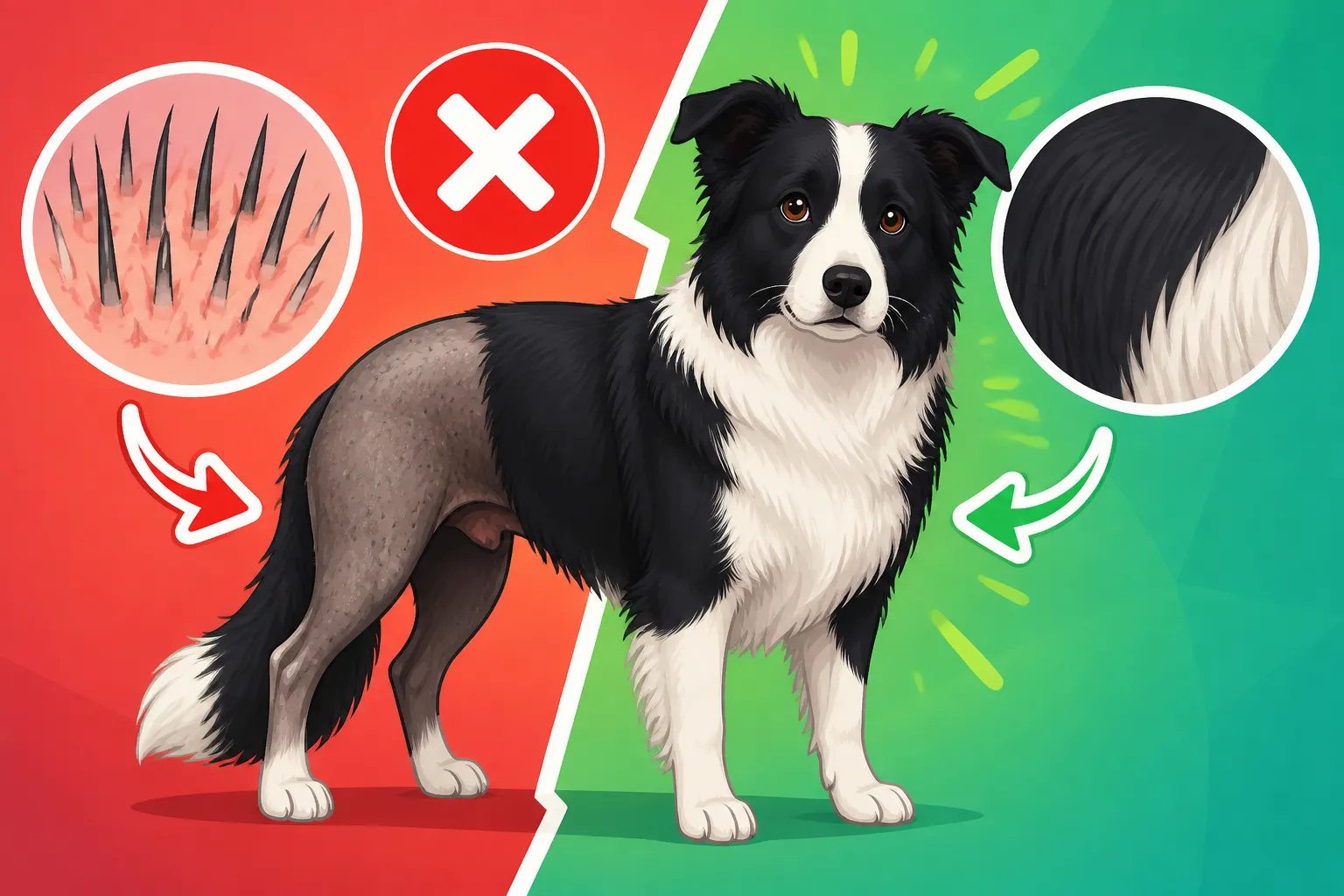
Why a Clipped Border Collie’s Coat Grows Back Wrong
It’s a scenario many a loving Border Collie owner faces when summer heats up: you look at your dog, panting heavily, lying sprawled on the cool tile, and you think, "If only I could just shave off all that fur, they'd be so much more comfortable!" It seems like a logical solution, doesn't it? Get rid of the heavy coat, and your energetic companion will be able to cope better with the sweltering heat. However, this seemingly helpful act can actually do more harm than good, fundamentally altering your Border Collie's coat in ways that many owners come to deeply regret. This guide is here to explain precisely why a clipped Border Collie's coat grows back "wrong" and, more importantly, what effective, safe alternatives you have to keep your dog comfortable and healthy, no matter the weather.
Understanding Your Border Collie's Remarkable Double Coat
Before we dive into why clipping is problematic, it's essential to truly appreciate the marvel that is a Border Collie's natural coat. These dogs were bred for centuries in the often-harsh, ever-changing climate of the Anglo-Scottish border country. Their coat isn't just a covering; it's an incredibly sophisticated, self-regulating system designed to protect them from the elements year-round. Understanding this natural design is the first step in understanding why interfering with it can lead to trouble.
The Ingenious Design of a Border Collie's Coat
A Border Collie, whether The Rough and Smooth Border Collie Coats, possesses what's known as a double coat. This isn't just two layers of the same type of hair; it’s a meticulously designed system with two distinct components, each playing a crucial role. First, there's the soft, dense undercoat. Think of this as your dog's personal down jacket in winter, providing incredible insulation against the cold. But its genius doesn't stop there; in summer, this same undercoat acts like an air conditioner, trapping a layer of cool air next to the skin and insulating against external heat. It’s an ingenious design, keeping them warm in winter and surprisingly cool in summer.
Above this soft undercoat lie the guard hairs, which form the outer layer of the coat. These hairs are coarser, longer, and more resilient. Their primary function is protection. They act as a physical barrier against rain, snow, dirt, burrs, and insect bites. They also provide crucial UV protection, shielding your dog's delicate skin from the sun's harmful rays. Together, these two layers create a dynamic system that is remarkably effective at temperature regulation and physical defense, much like how a thermos keeps liquids hot or cold by creating an insulating barrier.
More Than Just Fur: The Coat's Role in Health
Beyond temperature control, your Border Collie's coat is vital for their overall skin health and protection. The guard hairs, by preventing direct sun exposure, significantly reduce the risk of sunburn and, over time, can help mitigate the chances of skin cancer. Imagine going out in direct summer sun without any protection – that's what you're subjecting your dog to if their guard hairs are removed.
Furthermore, the natural layering of the coat allows for proper air circulation against the skin. This airflow is critical in preventing moisture buildup, which can lead to skin irritations, bacterial infections, or fungal issues like ringworm. The coat also acts as a natural barrier against minor scrapes and abrasions that an active Border Collie might pick up from running through brush or working in the field. It’s a living, breathing component of their health, not just a fluffy accessory.
The Unintended Consequences of Clipping a Double Coat
When you choose to clip or shave your Border Collie, you're not just giving them a haircut; you're dismantling this complex natural system. The repercussions go far beyond aesthetics, often creating the very problems you were trying to solve and leading to a host of new challenges. The phrase "the coat grows back wrong" isn't an old wives' tale; it's a very real outcome rooted in canine biology.
Destroying the Natural Insulation System
When clippers run over a Border Collie's double coat, they indiscriminately cut both the protective guard hairs and the insulating undercoat. This immediately compromises the coat's ability to regulate temperature. The guard hairs, which are tougher and slower to grow, are often permanently damaged or removed. What happens next is where the real trouble begins: the undercoat, which is designed to shed out seasonally, often grows back much faster and much denser than it normally would, without the structure and guidance of the guard hairs.
This rapid, dense regrowth of the undercoat creates a woolly, felt-like texture that actually traps heat against the dog’s body, preventing air from circulating. Instead of cooling them down, you've inadvertently given them a permanently matted, inefficient insulation blanket. It's like wearing a thick wool sweater in summer; the heat has nowhere to escape. Many owners are genuinely baffled when their dog seems hotter after a clip, but this is precisely why. You’ve removed their natural cooling system and replaced it with an overheating hazard.
The "Coat Grows Back Wrong" Phenomenon
The most common complaint after clipping a Border Collie is that their coat just doesn't look or feel the same. This isn't your imagination. The new coat is often softer, much woollier, and can feel uneven or patchy. The beautiful, sleek (or feathered) texture of the original guard hairs is gone, replaced by a fluffy, cottony mess that is incredibly prone to matting. This change in texture is due to the preferential regrowth of the undercoat, which lacks the structure and resilience of the outer guard hairs. These guard hairs may take a very long time to grow back, if they ever do fully return to their original condition.
In some cases, especially with older dogs or those with underlying hormonal imbalances, you might even see something called "clipper alopecia" or post-clipping alopecia. This is a condition where the hair simply fails to grow back in certain areas, leaving unsightly bald patches or extremely thin, sparse regrowth. It can be a disheartening experience to see your vibrant Border Collie with a coat that is dull, damaged, and completely different from what you once knew. This isn't just an aesthetic issue; it directly impacts the coat's ability to perform its protective and regulatory functions.
Risks, Realities, and Owner Regrets
The decision to clip a Border Collie's coat often stems from a place of love and concern for their comfort. However, the realities of what happens post-clipping can lead to significant health risks and profound regret for many owners. It’s important to be aware of these potential downsides before considering such a drastic grooming measure.
Increased Risk of Skin Issues and Overheating
One of the most immediate and concerning risks of clipping a Border Collie is the heightened vulnerability of their skin. Without the protective barrier of the guard hairs, your dog's skin is exposed directly to the sun. This dramatically increases their risk of painful sunburns, which can lead to discomfort, peeling, and in severe cases, even contribute to long-term skin damage and a higher incidence of skin cancers. It's a cruel irony that attempting to cool them down can make them more susceptible to the sun's damaging effects.
Beyond sun exposure, the altered coat structure creates other problems. As mentioned, the dense, woolly undercoat that grows back traps heat and moisture close to the skin. This moist, warm environment is absolutely ideal for the proliferation of bacteria and fungi, leading to common skin problems like Hot Spots on a Border Collie. These can be incredibly irritating, painful, and costly to treat, often requiring veterinary intervention. Instead of being cooler, your dog might actually suffer from chronic skin issues, which can significantly impact their quality of life. In fact, many clipped Border Collies struggle more with Heat Stroke in a Border Collie That Kept Working because their natural thermostat has been broken.
The Long-Term Commitment to a Compromised Coat
Many owners assume that clipping is a one-time fix, but the reality is often a long-term commitment to managing a compromised coat. Once the coat's natural structure is disrupted, it may never fully revert to its original healthy state. This means ongoing challenges with matting, uneven texture, and persistent issues with temperature regulation. You might find yourself in a cycle of needing to clip your dog repeatedly because the new, woolly growth mats so easily, or because you're still trying to achieve that elusive coolness.
The regret among owners who have clipped their Border Collies is palpable and widespread. They often share stories of how their dog's coat became a constant battle against mats, how it lost its beautiful sheen, or how their dog seemed to struggle even more in the heat. It’s a powerful testament to the importance of the natural coat. While some dogs might fare slightly better, the general consensus is that the damage to the coat's integrity and function is simply not worth the perceived temporary relief. This is why most reputable groomers and experienced Border Collie handlers will strongly advise against it.
Smart, Safe Alternatives to Clipping Your Border Collie
So, if clipping is out of the question, what can you do to help your Border Collie stay comfortable, especially during the warmer months? The good news is there are plenty of effective, coat-friendly strategies that work with your dog’s natural design rather than against it. These methods focus on maintaining the health and function of their double coat, ensuring they can regulate their temperature properly and remain protected.
Effective Grooming for Temperature Regulation
The absolute best way to help your Border Collie stay cool is through consistent, thorough grooming. This isn't just about making them look pretty; it's a vital part of their thermoregulation. The goal is to remove all the dead, loose undercoat, which is the primary culprit for trapping heat. When the old undercoat is effectively removed, it creates space for air to circulate freely close to the skin, allowing their natural cooling system to work as intended.
You'll want to invest in the right tools. A good quality slicker brush and an undercoat rake (often referred to as a de-shedding rake) are invaluable. Use the undercoat rake gently, ensuring you're pulling out dead hair, not cutting live guard hairs. Many brands available on Chewy or Amazon offer excellent options. During heavy shedding seasons, like spring and fall, you might need to brush your Border Collie daily or every other day. The Two Weeks a Border Collie Blows Its Coat can be a flurry of fur, and regular effort makes a huge difference. Even outside of peak shedding, weekly brushing is crucial to prevent matting and keep the coat healthy. Regular grooming also helps prevent issues like Hot Spots on a Border Collie by ensuring proper airflow to the skin.
Practical Strategies for Summer Comfort
Beyond grooming, there are many common-sense practices that will significantly improve your Border Collie's comfort in warm weather. Firstly, be smart about when you exercise. Avoid the hottest parts of the day. Early morning or late evening walks, training sessions, or playtime are much safer and more enjoyable for your dog. Working a Border Collie in the Early Morning can make a huge difference to prevent overheating.
Secondly, hydration is non-negotiable. Always provide access to fresh, cool water. Carry a portable water bottle and bowl with you when you're out, and offer water frequently. Products like portable bowls and cooling mats can be found easily on Amazon. Thirdly, shade and rest are paramount. If you're outside, ensure there's ample shade available, and enforce regular rest breaks during any strenuous activity. Cooling Coats and Vests for a Border Collie can also be a fantastic aid, using evaporative cooling to help dissipate heat from their bodies without altering their natural coat. A simple kiddie pool for splashing or a gentle rinse with a hose can also provide quick relief, but always ensure they dry completely to avoid skin issues. For indoor comfort, air conditioning, fans, and cooling mats are your best friends.
The Professional Touch: When and What to Ask For
Sometimes, your home grooming efforts, while diligent, might not be enough, especially during heavy shedding cycles. This is where a professional groomer who understands double-coated breeds becomes an invaluable ally. A good groomer will vehemently advise against shaving your Border Collie unless there's a medical necessity (e.g., severe matting that can't be brushed out, or a surgical site). Instead, they'll offer de-shedding treatments.
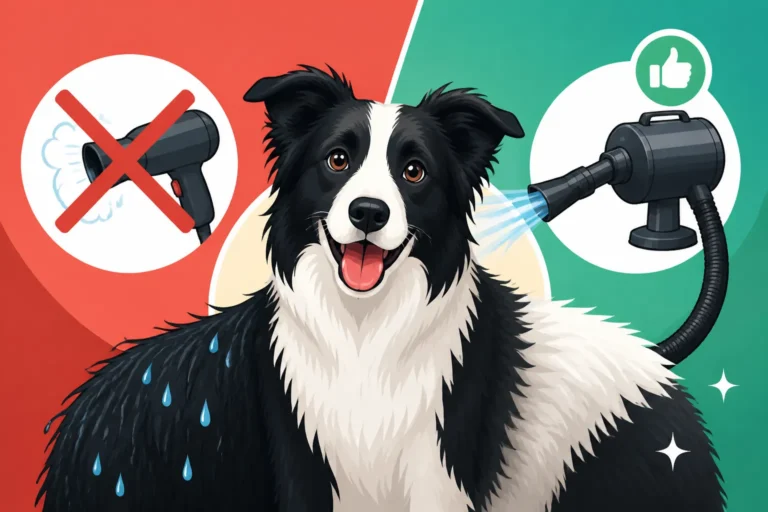
These treatments involve specialized shampoos and conditioners designed to loosen the undercoat, followed by the use of high-velocity dryers to blast out all the dead fur without cutting the guard hairs. This process can remove an astonishing amount of undercoat, leaving your dog feeling much lighter and allowing their coat to function optimally. You can also ask for "tidy-ups," where a groomer trims specific areas like the feathering on their legs, feet, or hocks to prevent matting in those high-friction zones, but critically, they will not shave the main body of the coat. A healthy, well-maintained double coat, achieved through proper grooming and smart management, remains your Border Collie's best defense against both the summer heat and winter cold.
| Feature | Clipping/Shaving | Proper De-shedding/Grooming |
|---|---|---|
| Initial Effect | Appears lighter (false sense of coolness) | Removes loose undercoat, creates airflow |
| Insulation | Destroys natural insulating layers | Maintains natural insulation for all seasons |
| UV Protection | Removes guard hairs, increases sunburn risk | Maintains guard hairs, shields skin from sun |
| Water Resistance | Compromised; coat may become absorbent | Maintained; guard hairs repel water |
| Coat Regrowth | Often grows back woolly, uneven, prone to matting; potential clipper alopecia | Healthy regrowth of undercoat, preserves guard hair texture |
| Skin Health | Increased risk of hot spots, infections, sunburn | Promotes healthy skin and reduces irritation |
| Temperature Reg. | Impairs ability to regulate body temperature | Enhances natural cooling in summer, warmth in winter |
| Long-Term Care | May require repeated clipping, specialized care for damaged coat | Regular maintenance, preserves coat integrity |
| Recommended? | Generally not recommended (unless medical) | Highly recommended for all double-coated breeds |
Disclaimer
This article is for general informational purposes only and does not constitute professional advice. Laws, prices and regulations vary by location and change over time. Consult a qualified professional for guidance on your specific situation.