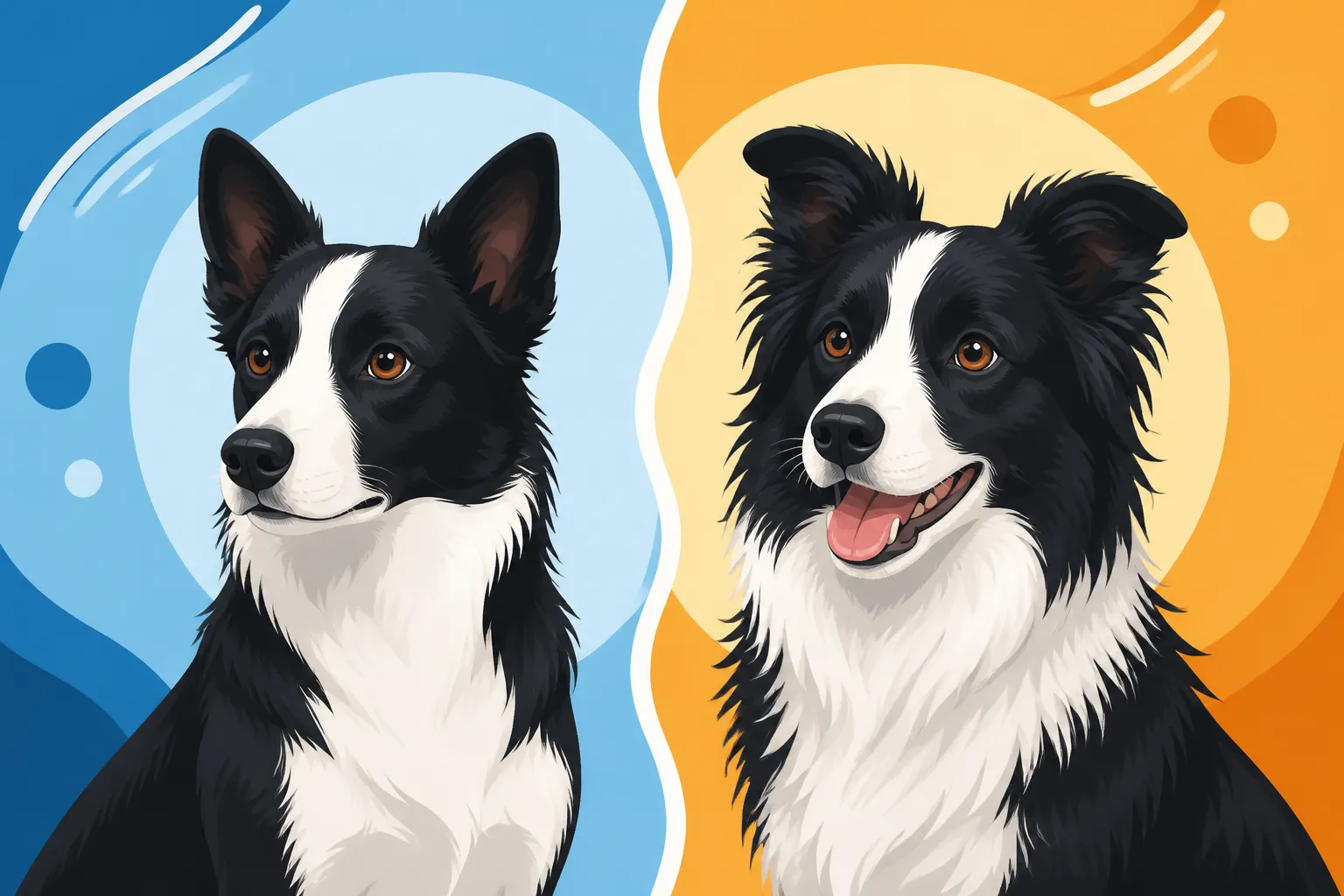
The Rough and Smooth Border Collie Coats
If you've ever found yourself looking at two Border Collies and wondering why they look so different – one a fluffy, flowing beauty, the other a sleek, almost athletic vision – you're not alone! It's a common point of curiosity, and this guide is here to unravel the mystery of the Border Collie's diverse wardrobe. We'll dive deep into the distinct characteristics, care requirements, and practical considerations for both the rough and smooth coat types, helping you understand what makes each one unique.
Understanding the Border Collie Coat Types
When we talk about Border Collie coats, we're generally referring to two main types: rough and smooth. These aren't just minor variations; they present entirely different grooming challenges and aesthetic profiles. Understanding these differences is key to appreciating the breed's versatility and preparing for the responsibilities of ownership.
The Classic Rough Coat
The rough coat is probably what most people picture when they think of a Border Collie. It’s that beautiful, flowing, medium-length fur, often with distinctive feathering around the legs, belly, and tail. This coat is typically double-layered, featuring a soft, dense undercoat for insulation and a coarser, weather-resistant outer coat that provides protection. Imagine a dog built for enduring the elements of the Scottish borders – wind, rain, and cold. The rough coat is perfectly designed for that.
This longer coat provides significant protection from cold weather and harsh environments. The density of the undercoat acts like a built-in winter jacket, while the outer guard hairs repel moisture and dirt. It’s a remarkable piece of natural engineering. However, all that glorious floof doesn't come without its demands. It tends to catch burrs, twigs, and mud with impressive efficiency, and can become matted if not brushed regularly. A rough-coated Border Collie returning from a day's work in wet, muddy fields or a long hike through thorny underbrush will inevitably bring a significant portion of the outdoors back with them.
The Sleek Smooth Coat
On the other end of the spectrum is the smooth coat, sometimes referred to as a "short-haired" Border Collie. This coat is considerably shorter, typically lying flat against the body, and lacks the extensive feathering seen in their rough-coated counterparts. While it might appear less dramatic, the smooth coat is still a double coat, boasting a dense underlayer, though the outer guard hairs are much shorter and often a bit coarser to the touch. It's a surprisingly robust and protective coat, despite its sleeker appearance.
The smooth coat offers a different set of advantages. Many working handlers prefer smooth-coated dogs in warmer climates or environments where burrs and debris are a constant issue, as there’s simply less fur to collect unwanted hitchhikers. This coat dries much faster after a swim or a rainy day, which can be a huge plus if your dog is frequently getting wet. While it still sheds, the hair tends to be less noticeable than the longer strands of a rough coat. A smooth-coated Border Collie might emerge from a romp in a dusty field looking far less disheveled than a rough-coated one, though you'll still be wiping down their flanks to remove the evidence of their fun.
Why Two Distinct Coats? A Look at Genetics and Function
The presence of both rough and smooth coats in Border Collies isn't just a random occurrence; it's rooted in genetics and has been historically shaped by the functional needs of the working dog. It's a testament to the breed's natural diversity and adaptability.
The Genetic Basis of Coat Length
The primary factor determining coat length in Border Collies, as in many dog breeds, is a specific gene. Without getting too scientific, it's essentially a dominant/recessive genetic trait. A Border Collie inherits two copies of this gene, one from each parent. If a dog inherits two "long coat" genes, it will have a rough coat. If it inherits two "short coat" genes, it will have a smooth coat. Interestingly, if a dog inherits one of each, it will typically have a rough coat but carries the gene for the smooth coat. This means two rough-coated Border Collies, if they both carry the smooth gene, can absolutely produce a litter that includes both rough and smooth puppies. This is why you often see both coat types pop up in the same litter, much to the surprise of new owners who might have only envisioned the more common rough coat. Coat Length Between Rough and Smooth Border Collies is an interesting topic to explore further if you're curious about the mechanics.
Historically, both coat types have been present in the ancestral lines of the Border Collie. Neither is considered more "original" than the other; instead, they reflect the natural variation within a robust working breed. Breeders selected for dogs that excelled at their tasks, and coat type was often a secondary consideration to working ability, leading to the continuation of both variations.
Functional Differences in Working Environments
While both coats are incredibly efficient for their purpose, their practical advantages often come down to the specific working conditions a dog faces. Imagine a shepherd working their dogs in the cold, wet, and often snowy highlands of Scotland or the rugged hills of Wales. The rough coat, with its dense insulation and natural weatherproofing, would be a distinct advantage, helping the dog maintain body temperature and stay comfortable during long hours outdoors. It offers an extra layer against chilling winds and damp conditions.
Conversely, consider a working dog in a hot, arid climate, or one frequently navigating dense brush where burrs and foxtails are abundant. Here, a smooth coat can be incredibly beneficial. It reduces the risk of overheating and significantly lessens the amount of debris that gets tangled in the fur, making post-work checks and grooming much quicker and easier. Dogs in performance sports like agility or flyball might also benefit from a smooth coat, as it can offer slightly less resistance and dry faster, although ultimately, a dog's athleticism and drive far outweigh this minor difference. It's not about one being "better," but rather which offers a marginal advantage depending on the specific demands of the work and environment.
Grooming Realities for Each Coat Type
This is where the rubber meets the road for Border Collie owners. Both rough and smooth coats require attention, but the type and frequency of grooming can differ significantly. Understanding these realities upfront can save you a lot of frustration and ensure your dog stays comfortable and healthy.
Maintaining the Rough Coat
The rough coat is gorgeous, but it demands commitment. Its length and density make it a magnet for dirt, burrs, stickers, and anything else the outdoors has to offer. Regular, thorough brushing is not just a suggestion; it's a necessity. Aim for at least 2-3 times a week, and daily during shedding seasons or after outdoor adventures. You'll need a good quality slicker brush, an undercoat rake, and a sturdy comb to get through all the layers. Focusing on areas prone to matting, like behind the ears, under the elbows, and the "trousers" on their hind legs, is crucial. These spots can develop painful mats very quickly if neglected, which might require professional intervention or even shaving specific areas. Brushing Out a Rough Border Collie's Feathering and Mats Behind a Rough Border Collie's Ears are topics every rough-coated owner will eventually become intimately familiar with.
Beyond the daily or weekly brush-out, rough-coated Border Collies experience seasonal "coat blows," typically in spring and fall. During these periods, they shed their undercoat heavily to prepare for the change in temperatures. This means a significant increase in loose hair around your house, and potentially more intense grooming sessions. An undercoat rake becomes your best friend during these times, helping to pull out the dead hair before it turns into a felted mess. Products designed to help release undercoat can also be found on platforms like Chewy, offering some relief during these shedding frenzies. The Spring Molt That Fills a Border Collie's Kennel gives a good idea of what to expect during these periods. Without this diligent care, their coat can quickly become uncomfortable, trap moisture against the skin, and lead to skin irritations.
Caring for the Smooth Coat
While the smooth coat is often perceived as "wash and wear," it still requires regular grooming, just with different tools and a slightly less intensive schedule. The smooth coat still has an undercoat and sheds, perhaps not in dramatic clumps like a rough coat, but rather a steady stream of fine, needle-like hairs that seem to weave themselves into every fabric in your home. Regular brushing, perhaps once or twice a week, with a rubber curry brush, a de-shedding tool, or a stiff bristle brush will help remove loose hair and stimulate healthy skin. How a Smooth Border Collie Differs to Groom details these nuances.
One of the biggest advantages of the smooth coat is how quickly it dries and how much less debris it collects. After a muddy walk, a smooth-coated dog can often be towel-dried and be relatively clean much faster than their rough-coated brethren. Burrs and stickers are far less likely to become deeply embedded, often just sitting on the surface and easily brushed away. However, don't be fooled into thinking they don't shed. While it might not be as visible, those short hairs can be surprisingly pervasive. Many owners report that Whether a Smooth Border Collie Sheds Less is a debatable point, as while the volume may be less, the type of hair can feel more difficult to remove from upholstery! A good vacuum cleaner is essential, regardless of coat type.
Beyond Aesthetics: Comfort and Health Considerations
The choice of coat isn't just about looks or grooming effort; it can have genuine implications for your Border Collie's comfort and even their health, particularly concerning temperature regulation and potential skin issues.
Weather Protection and Thermal Regulation
Both coat types are fundamentally designed to protect the Border Collie from the elements, but they do so with slightly different efficiencies. The rough coat provides superior insulation against cold, wind, and wet conditions. The longer guard hairs and dense undercoat create a protective barrier, making these dogs remarkably resilient in harsh weather. However, this also means they can be more prone to overheating in hot weather or during intense exercise. Owners of rough-coated Border Collies need to be extra vigilant about providing shade, water, and opportunities to cool down, especially during summer months. Heat Management for a Border Collie on a Trial Field is a critical read for any owner of an active Border Collie, regardless of coat type.
Smooth coats, while still having an insulating undercoat, generally offer better heat dissipation. Their shorter hair allows for more airflow, which can be a significant advantage in warmer climates or during high-intensity activities where body temperature rises rapidly. They still need protection from extreme cold, but often handle heat better than their rough-coated counterparts. A common misconception, regardless of coat type, is that shaving a dog helps them stay cool. In reality, Why a Clipped Border Collie's Coat Grows Back Wrong and can actually disrupt their natural thermoregulation, making them more susceptible to sunburn and interfering with their ability to stay cool. Their double coat provides a natural insulation layer, protecting against both heat and cold. Weather Protection on a Smooth-Coated Border Collie offers more insights into how these sleek coats perform.
Common Coat-Related Issues
No coat is entirely maintenance-free, and each type comes with its own set of potential issues. For rough-coated Border Collies, the most common problems revolve around matting. Neglected mats can pull on the skin, causing pain, irritation, and even skin infections. They can also hide parasites or injuries. Furthermore, their feathered legs and tails are magnets for debris like grass seeds (or "foxtails"), which can burrow into the skin and cause serious infections. Regular checks are vital. Grass Awns and Grit in a Border Collie's Ears is a particular concern, as these can easily migrate from the coat into the ear canal.
Smooth-coated Border Collies generally experience fewer issues with matting and debris entanglement, but they aren't immune. Their shorter coat doesn't mean they don't get dirty; mud and dust still cling, just perhaps less dramatically. They can still get skin irritations if their coat isn't kept clean or if they have underlying allergies. Both coat types also require vigilance for fleas and ticks, as their dense fur can make detection challenging. Regardless of coat length, the health of your Border Collie's skin and coat is often a good indicator of their overall well-being, so a regular weekly once-over is always a good practice.
Making Your Choice: What Suits Your Lifestyle?
When considering a Border Collie, the coat type might seem like a minor detail, but it can significantly impact your daily routine and long-term care. It's not about one being superior, but about finding the best match for your lifestyle and expectations.
Matching Coat Type to Your Environment
Think about where you live and what activities you envision doing with your Border Collie. If you live in a colder climate with frequent snow or rain, a rough coat might offer that extra layer of natural protection your dog needs during outdoor activities. However, be prepared for the added grooming challenges that come with wet, snowy, or muddy long fur. If your adventures frequently take you through fields full of burrs or thick underbrush, a rough coat will demand significantly more post-adventure cleanup.
Conversely, if you live in a warmer region, or plan on engaging in activities that involve a lot of water (like dock diving or swimming), a smooth coat might be more practical. Its faster drying time and lower propensity to collect debris can make life a bit easier. Ultimately, a Border Collie's powerful drive and need for mental and physical stimulation will be the dominant factors in its happiness, but choosing a coat type that aligns with your environment and your willingness to groom can prevent future headaches. Consider that What a Border Collie Does With Its Whole Day will dictate how dirty and tangled that coat might get.
Living with Either Coat
Regardless of whether you choose a rough or smooth-coated Border Collie, you are bringing a highly intelligent, energetic, and demanding companion into your life. Both coat types come from the same incredible working stock and share the same core characteristics of the breed. Neither coat type changes the fundamental requirement for extensive exercise, mental stimulation, and consistent training. The "off-switch" we often talk about with Border Collies has nothing to do with their fur and everything to do with their breeding and training.
What it really boils down to is your personal preference for aesthetics and your commitment to grooming. Are you prepared for the significant brushing and potential matting of a rough coat? Or do you prefer the slightly easier cleanup and quicker drying of a smooth coat, understanding that you'll still be dealing with shedding hairs? Both are beautiful, functional, and will provide immense joy. It’s about being realistic about the care involved so you can fully enjoy your Border Collie, perhaps even into their senior years, like The Border Collie That Stays Sound Into Its Teens, which often involves diligent care of their physical body, including their coat. A good supply of grooming tools, whether from a local pet store or easily ordered through Chewy, is a must-have for either choice.
Here's a quick comparison to help you visualize the differences:
| Feature | Rough Coat (Long-Haired) | Smooth Coat (Short-Haired) |
|---|---|---|
| Appearance | Medium-long, feathered legs/tail/belly, dense undercoat | Short, lies flat, dense undercoat, minimal feathering |
| Insulation | Excellent for cold, wind, and wet conditions | Good for cold, better for heat dissipation |
| Drying Time | Longer, can hold moisture | Faster, often quick to air dry |
| Debris Pickup | High: collects burrs, mud, leaves, snowballs easily | Lower: less prone to tangling with debris |
| Shedding | Moderate to heavy, especially during seasonal "blows" | Moderate, consistent fine hairs, less dramatic "blows" |
| Grooming Needs | Frequent (2-3x/week), specialized brushes, matting risk | Regular (1-2x/week), rubber curries, less matting risk |
| Best For | Colder climates, high protection needs | Warmer climates, minimal debris environments, quick drying |
Ultimately, whether you welcome a rough or smooth-coated Border Collie into your home, you're getting a dog of unparalleled intelligence and drive. The coat is just one beautiful aspect of this incredible breed, and with the right care, both types will thrive.
Disclaimer
This article is for general informational purposes only and does not constitute professional advice. Laws, prices and regulations vary by location and change over time. Consult a qualified professional for guidance on your specific situation.