The Border Collie Gait a Judge Watches
It can be incredibly confusing and even a little disheartening when you hear terms like "gait analysis" or "movement faults" in relation to your beloved Border Collie. You see your dog running, playing, and working, seemingly without a care in the world, yet sometimes a judge or even another experienced handler might point out something that just doesn't look quite right. This guide aims to demystify the Border Collie gait, explaining what judges look for, why it matters, and how understanding these nuances can help you keep your active companion sound and happy for years to come.
What is "Gait" in a Border Collie, Anyway?
When we talk about a dog's "gait," we're essentially describing the way it moves, its natural pattern of locomotion. For a Border Collie, this isn't just about how pretty they look trotting around a show ring; it's intrinsically tied to their function as a working dog. Their movement should be efficient, tireless, and capable of covering vast distances over varied terrain without undue stress on their body. Think about a Border Collie herding sheep all day – every step needs to count, conserving energy and maintaining agility.
Defining the Border Collie's Natural Movement
Border Collies are renowned for their incredible athleticism, agility, and stamina. Their natural movement should reflect these traits. They aren't built for a ponderous, heavy stride, nor for a short, choppy, frantic one. Instead, the ideal Border Collie gait is fluid, effortless, and ground-covering. It's a dance of coordinated muscle and bone that allows them to accelerate, stop on a dime, change direction instantly, and maintain a steady pace for hours.
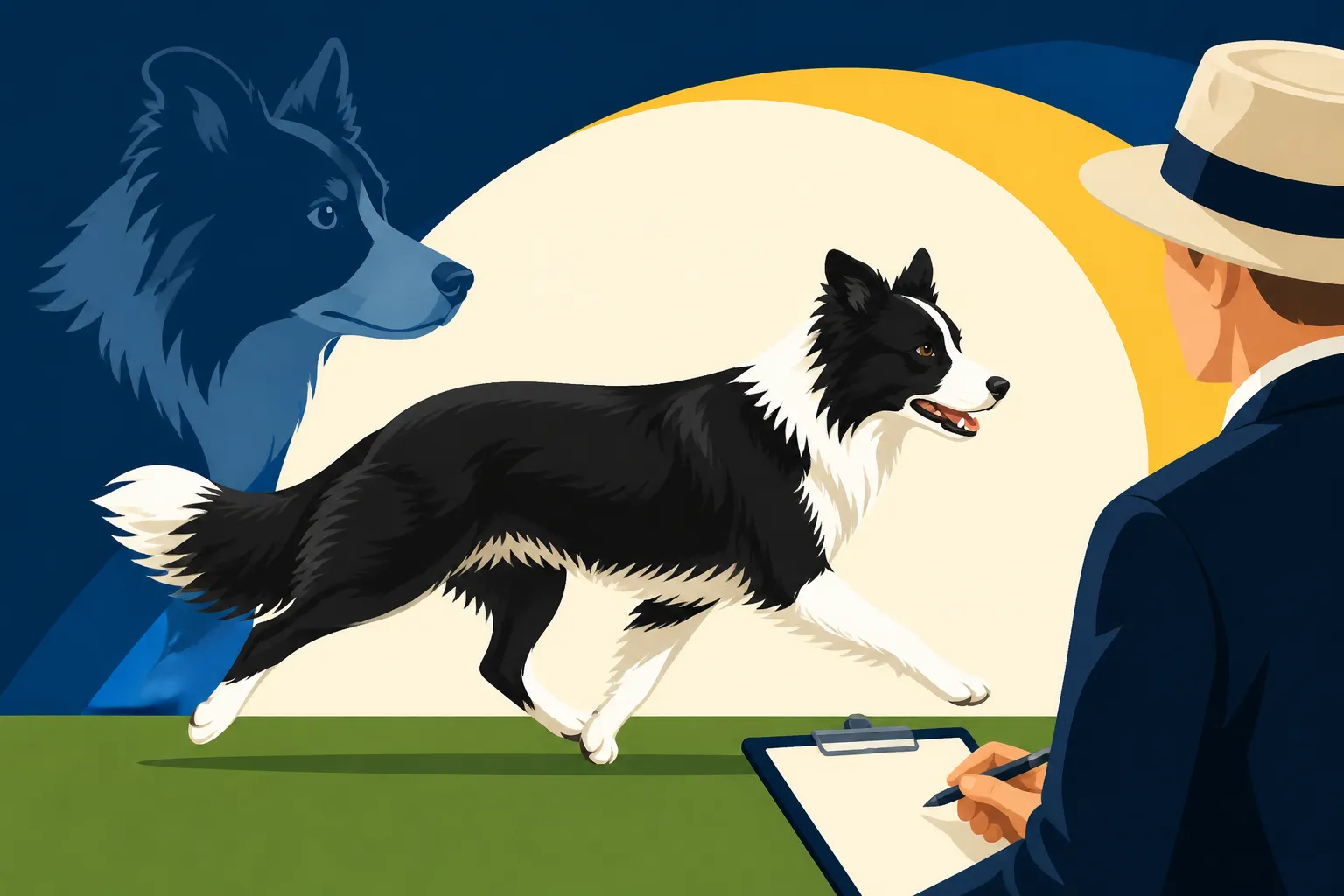
Their primary working gait, and the one most often assessed, is the trot. This is a diagonal gait where opposite legs (e.g., front right and rear left) move forward in unison. It's an energy-efficient gait that allows the dog to cover ground quickly and maintain balance. A Border Collie's trot should look purposeful, with every part of its body contributing to forward momentum. You should see a dog that looks like it could go all day, not one that's struggling or using compensatory movements.
The Role of Structure in Movement
You can't talk about gait without talking about structure. A Border Collie's skeletal and muscular makeup dictates how it moves. The Athletic Build a Border Collie Standard Describes emphasizes a medium-sized dog, well-boned but not heavy, with powerful hindquarters and a deep chest. This structure is crucial for agility and endurance. Imagine a finely tuned machine; if one part is out of alignment, the whole system works less efficiently and is prone to wear and tear.
For instance, proper angulation in the shoulders and hips allows for maximum reach and drive. A well-laid-back shoulder provides good forward extension, while strong, well-angulated hindquarters propel the dog forward with power. The length of the leg bones and the curvature of the ribs all play a part. A dog with excellent structure will typically move with a more efficient and less stressful gait, which directly impacts its ability to work and its long-term health. Issues like Hip and Elbow Scores in a Border Collie directly correlate to how comfortably and efficiently a dog can move throughout its life.
The Ideal Working Trot: What Judges Seek
When a judge observes a Border Collie's gait, especially in the conformation ring, they are essentially looking for an embodiment of the breed's working purpose. They want to see a dog that could perform its herding duties effectively and tirelessly. It's less about flashy high-stepping and more about practical, efficient movement.
Efficiency and Endurance: Hallmarks of the Breed
At the core of the ideal Border Collie gait is efficiency. This means the dog moves with minimal wasted energy. Every step should contribute to forward motion, without excessive up-and-down bounce, side-to-side sway, or extraneous limb movement. Think of a marathon runner; they have a smooth, rhythmic stride that conserves energy over long distances. A Border Collie on the stock field needs the same.
Endurance is closely linked. The gait should suggest that the dog can maintain this pace for an extended period. This isn't just about speed; it's about the ability to work steadily without tiring quickly. A Border Collie shouldn't look like it's galloping when it's supposed to be trotting, as galloping is less energy-efficient for sustained work. Judges look for a gait that speaks to the breed's historical role: moving livestock across vast, often uneven, landscapes.
Reach, Drive, and the "Flying Trot"
A truly exceptional Border Collie gait will exhibit excellent "reach" and "drive." Reach refers to the forward extension of the front legs. The front paws should extend well forward, almost as if reaching for the next patch of ground. This maximizes the ground covered with each stride. Drive refers to the powerful propulsion from the hindquarters. The rear legs should extend strongly rearward, pushing the dog forward.
When both reach and drive are in perfect harmony, the dog appears to glide over the ground. This creates what some describe as a "flying trot" – the dog seems to suspend in the air momentarily between strides. It’s not a high-stepping gait; rather, it's a long, low, efficient stride that covers ground with incredible ease. The topline should remain firm and level, with no excessive bounce or roll. The head carriage should be natural, and the tail, if carried, should be a natural extension of the spine, not tucked or overly high.
Foot Placement and Tracking True
Another critical aspect judges watch is how the dog places its feet. In a correct trot, a Border Collie should "single track" at a faster pace. This means that as the speed increases, the dog's legs converge towards a single centerline under its body. Its front and rear paws will land close to this invisible line. This single tracking creates balance and efficiency, reducing side-to-side motion and allowing the dog to maintain a straight line of travel.
At a slower trot, the dog might track with its paws falling a little wider apart, but they should still move in parallel lines. There should be no crossing over of the front or rear legs. The paws should also lift and land cleanly, without dragging or excessive paddling. A Border Collie that tracks true demonstrates excellent balance, coordination, and sound structure, all vital for its working role. This attention to detail is part of What the AKC Standard Says a Border Collie Is attempts to capture, even if working breeders have slightly different priorities.
Common Gait Faults and Why They Matter
While the ideal gait is a marvel to behold, not every Border Collie moves perfectly. Understanding common gait faults is important not just for show purposes, but because these deviations can indicate underlying structural issues or even pain, which can impact a dog's health and ability to work effectively.
Crabbing, Pacing, and Other Atypical Movements
Judges, and even keen observers, will look for deviations from the ideal trot. Some common faults include:
- Crabbing (or Sidewinding): This is when a dog moves with its body at an angle to the direction of travel, appearing to move sideways like a crab. One hip will be further out than the other, and the dog will compensate. It's often a sign of structural imbalance, particularly in the rear, or sometimes even mild discomfort.
- Pacing: In this gait, both legs on the same side move forward at the same time (e.g., front left and rear left). While some dogs might pace when tired or moving slowly, it's not an efficient working gait and can indicate structural weaknesses or a lack of conditioning. A consistent pace in a Border Collie being asked to trot is generally considered a fault.
- Hackney Gait: This describes a high-stepping, exaggerated front leg movement, similar to a Hackney horse. It's often seen in dogs with straight shoulder angulation, which restricts forward reach. It's inefficient for covering ground.
- Paddling or Weaving: Paddling is when the front feet swing out wide to the side rather than tracking straight forward. Weaving is when the front feet cross over each other. Both are indications of poor front structure or muscle weakness.
- Cow-Hocked or Bow-legged: These terms describe the alignment of the rear legs. A cow-hocked dog's hocks turn inwards, making the rear paws splay outwards, while a bow-legged dog's hocks turn outwards, with paws pointing inwards. Both affect drive and stability, often leading to reduced endurance and potential joint strain.
These atypical movements don't just look "wrong" in the ring; they represent inefficiencies and potential stress points in the dog's anatomy that can lead to problems down the line. If your dog consistently exhibits one of these gaits, it's worth investigating.
Lameness and Unsoundness
Beyond mere structural deviations, any sign of lameness or unsoundness is a serious concern. Lameness is often indicated by an uneven gait, favoring one leg, or a noticeable limp. It can range from subtle to severe. Unsoundness refers to any condition that impairs the dog's ability to move correctly and without pain. This could be due to:
- Joint Issues: Such as hip or elbow dysplasia, Osteoarthritis in a Border Collie by Eight, or other degenerative joint diseases. These conditions cause pain and restrict range of motion, often leading to a stiff or uneven gait.
- Muscle Strains or Injuries: A pulled muscle, ligament tear, or other soft tissue injury can profoundly affect how a dog moves. Sport Injuries a Border Collie Picks Up are common in highly active breeds, and often manifest as subtle changes in gait first.
- Neurological Problems: Conditions affecting the spine, nerves, or brain can impact coordination and motor control, leading to a wobbly gait, stumbling, or dragging paws.
- Paw or Pad Issues: A thorn in the paw, a cracked pad, or overgrown nails can all cause acute lameness. Even seemingly minor issues can make a dog unwilling to bear full weight.
Recognizing early signs of lameness is crucial. Your Border Collie might try to "work through" discomfort, especially if they have a high pain tolerance. Observing their gait regularly, even during normal play, can help you catch issues before they become severe.
How Faults Impact Performance and Longevity
Ultimately, gait faults, especially those rooted in unsoundness, significantly impact a Border Collie's ability to perform its job and live a long, comfortable life. An inefficient gait means the dog expends more energy for the same amount of work, leading to quicker fatigue. This directly reduces their effectiveness on the stock field or their success in performance sports.
More critically, structural faults and resulting compensatory movements place undue stress on joints, ligaments, and muscles. Over time, this can accelerate the development of conditions like arthritis, leading to chronic pain and a reduced quality of life. A dog with a faulty gait is often prone to recurring injuries because their body isn't moving in an optimally balanced way. This is why breeders strive for sound structure, aiming for dogs that can remain active and healthy. The Border Collie That Stays Sound Into Its Teens often owes its longevity, in part, to excellent structure and a naturally efficient gait.
Beyond the Show Ring: Gait in a Working Border Collie
While show judges scrutinize gait for adherence to a breed standard, for working handlers and pet owners, observing a Border Collie's movement is often more about practical function and health. The principles are the same, but the emphasis shifts slightly.
Practicality Over Pizazz on the Farm
On a working farm, a Border Collie's gait is judged less on its aesthetic perfection and more on its raw effectiveness and resilience. A working dog needs to move with purpose, cover ground quickly, and navigate challenging terrain – muddy fields, rocky inclines, or dense undergrowth – without injury. Slight deviations from the "perfect" show trot might be tolerated if the dog is still incredibly effective at its job and remains sound.
What matters most in a working Border Collie is stamina, agility, and the ability to work tirelessly day after day. A dog that can maintain a steady, ground-covering pace for hours, even if its front reach isn't quite as extended as a show judge might prefer, is invaluable. The key is that the gait shouldn't be causing the dog pain or increasing its risk of injury. A good working gait is above all, durable.
Observing Gait for Health and Function
For pet owners and working handlers alike, regularly observing your Border Collie's gait is an invaluable tool for monitoring their health. Subtle changes can be the first indicator of a problem brewing.
Here's how to keep an eye on your dog's movement:
- Watch Them Walk and Trot on Leash: Pay attention to rhythm, symmetry, and footfall. Does one leg seem stiffer? Is their head bobbing more than usual?
- Observe Them Off-Leash: In a safe, open area, watch them run, turn, and stop. Do they favor one side? Are they as agile as usual?
- Know Your Dog's "Normal": Every dog has individual quirks. Learn what your Border Collie's typical movement looks like so you can spot deviations quickly. Does your dog regularly get up stiffly after a long rest? Do they bunny hop with their back legs sometimes?
- Video Your Dog: Sometimes, a video can reveal subtle issues you miss in real-time. This can also be helpful to show your vet.
- Check Their Paws Regularly: Ensure no stones, cuts, or overgrown nails are affecting their comfort. Products available through retailers like Chewy can help with paw protection, from balms to boots for rough terrain.
- Consider Supplements: If your Border Collie is highly active, especially as they age, discussing joint supplements with your vet might be beneficial. Many brands found on Chewy offer glucosamine and chondroitin, which can support joint health.
- Regular Vet Check-ups: Annual exams are critical for catching issues early. Mention any gait changes to your vet. They can often spot things we miss. Sometimes, a vet might suggest specific diets or supplements, which you can often find readily available through pet supply companies like Chewy.
Remember, a Border Collie's gait is a reflection of its overall health, structure, and wellbeing. Being observant can make all the difference in catching and addressing problems early, ensuring your remarkable companion can continue to run, work, and play for a long, happy life. Even a Working a Border Collie Graded Fair on Hips can lead a full life with careful management and observation of their gait.
Here's a quick comparison of ideal vs. common faulty gaits:
| Gait Characteristic | Ideal Working Trot | Common Faults & What They Indicate |
|---|---|---|
| Overall Impression | Fluid, effortless, ground-covering, rhythmic, balanced | Stiff, choppy, labored, irregular, unbalanced |
| Front Reach | Long, low, extends well forward | Short, high-stepping (Hackney), paddling (swings out) |
| Rear Drive | Strong, powerful propulsion from hindquarters | Weak, limited extension, bunny hopping, inefficient push |
| Tracking | Single tracks (converges to centerline) at speed | Crabbing (moves sideways), weaving (crosses over), wide |
| Topline | Firm, level, minimal bounce or roll | Sagging, roached, excessive bounce |
| Footfall | Clean, lifts and lands without dragging | Dragging, scuffing, uneven pressure, splayed paws |
| Energy Efficiency | High, conserves energy for sustained work | Low, wastes energy, leads to quicker fatigue |
| Potential Health Link | Excellent structural integrity, lower injury risk | Dysplasia, arthritis, soft tissue injury, neurological |
Disclaimer
This article is for general informational purposes only and does not constitute professional advice. Laws, prices and regulations vary by location and change over time. Consult a qualified professional for guidance on your specific situation.