What Collie Meant Before the Border Collie
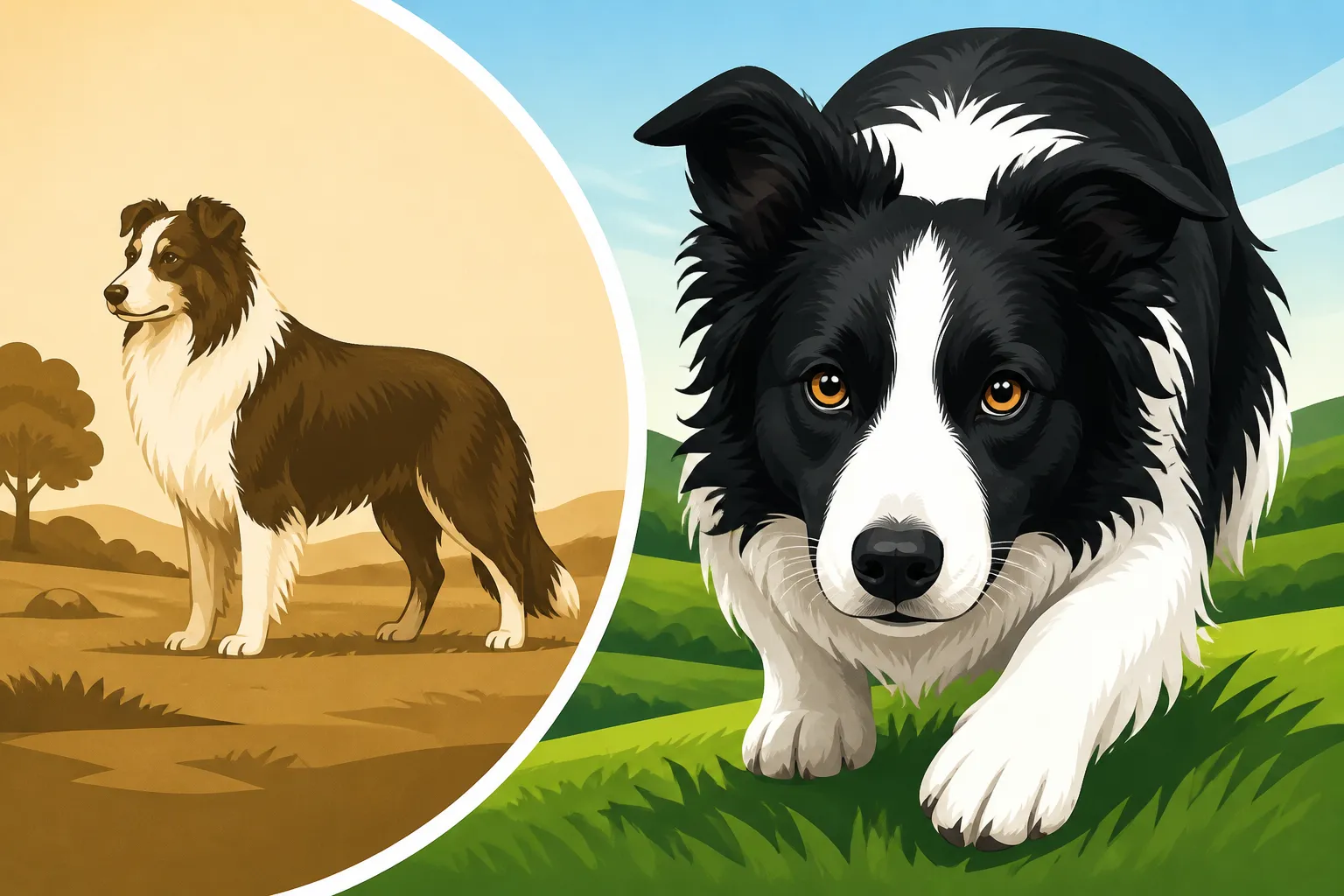
It's easy to assume that the word "Collie" has always referred to the specific, intelligent herding dog we know and love today as the Border Collie. But for centuries, before breed standards and registries became a thing, "collie" was a much broader term. For those of us immersed in the world of these incredible dogs, understanding this historical context helps us appreciate their rich heritage and how much thought and effort went into shaping the distinct breed we recognize. This guide will walk you through the fascinating evolution of the term "collie" and the dogs it described before the iconic Border Collie took center stage.
The Etymology of "Collie" Before the Breed
When we talk about the word "collie," we're stepping back in time, long before breed clubs and DNA tests. It's not just a cute name; it's a window into the pastoral lives of shepherds and their indispensable canine companions. The origin of the word itself is a bit of a historical puzzle, with several theories pointing to the traits and appearance of these early working dogs.
Where Did "Collie" Come From?
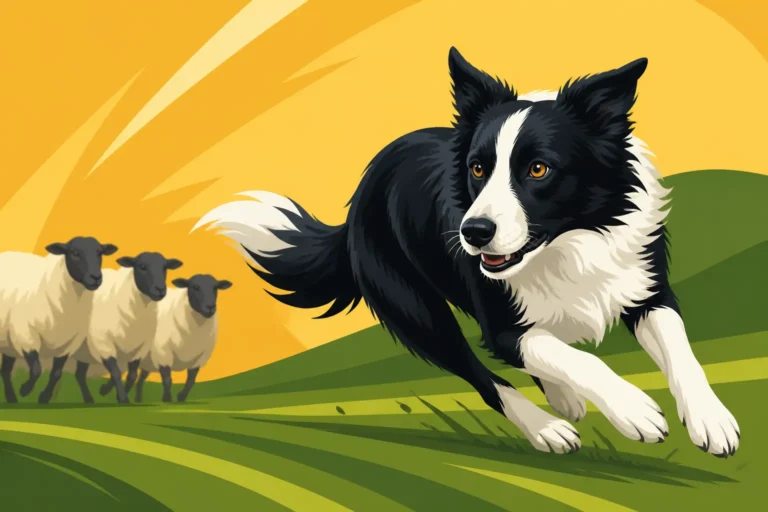
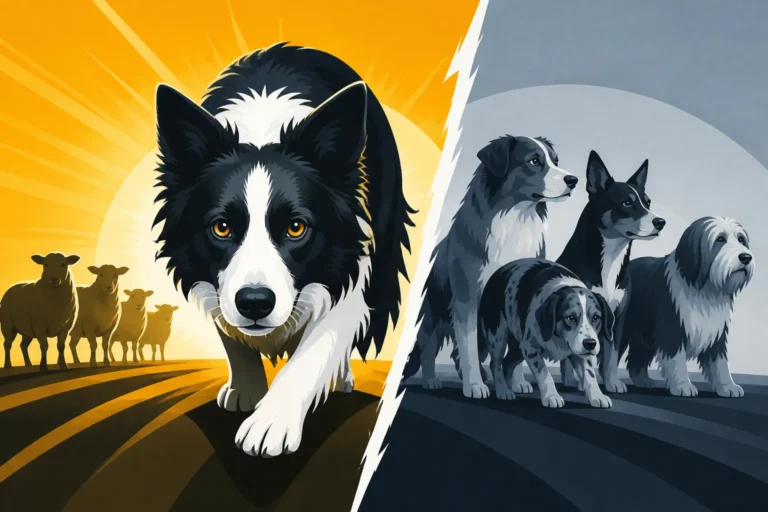
One of the most widely accepted theories ties "collie" to the word "coaly," referring to the black-faced sheep common in Scotland and Northern England. Imagine the flocks of these dark-faced sheep, moving across the rugged hillsides. The dogs that herded them were often black, or black and white, blending in with their charges or standing out just enough to be seen by the shepherd. It’s a simple, pragmatic origin, reflecting the working environment these dogs inhabited. These were not dogs bred for appearance in a show ring, but for their utility in managing livestock.
Another interesting theory suggests a connection to the Old English word "col," meaning black. This would make sense, given the prevalence of dark-coated sheepdogs in the region. Think about the iconic black and white Border Collie we picture today – that striking color pattern was likely dominant in many of their ancestors. These "colley" dogs, as they were sometimes called, were simply the black dogs of the hills, essential tools for the shepherds trying to eke out a living from the land. The term was descriptive, not yet defining a specific lineage.
General Terms for Sheepdogs
Before formal breed recognition, dogs were often named for their function or appearance, not their pedigree. "Collie" wasn't a breed name, but more of a generic descriptor for the types of dogs that worked with sheep. You might hear of "shepherd's dogs," "cur dogs," or simply "working dogs." These terms covered a wide array of types, all sharing the common trait of herding instinct. A shepherd didn't pick a dog from a carefully curated list of breeds; they chose one that could do the job.
It’s crucial to understand that these early dogs varied significantly in appearance and even working style, depending on the local needs and the preferences of individual shepherds. One farmer might prefer a larger, more powerful dog for driving stubborn sheep, while another might need a quicker, more agile dog for gathering scattered flocks. The important thing was their ability to control livestock, an ability that was honed over generations of selective breeding by working hands, not kennel clubs. Even today, you'll find variations, but the core working instinct remains.
The Diverse "Collie" Types of the British Isles
The term "collie" acted as a sort of umbrella term for many different types of sheepdogs across the British Isles. Each region, with its unique terrain and farming practices, developed dogs that were perfectly suited to its specific challenges. These weren't distinct breeds as we understand them today, but rather local landraces – populations of dogs bred for utility within a certain area, leading to shared characteristics.
Scottish and English Shepherd Dogs
In Scotland, particularly in the border regions, the "collie" was paramount to survival. These dogs were often smaller, extremely agile, and possessed that intense "eye" that would later become a hallmark of the Border Collie. They had to navigate vast, often treeless hillsides, gathering sheep from miles away and bringing them quietly to the shepherd. The working style was valued above all else; a dog that could control a flock without spooking them was priceless. You can imagine the harsh conditions these dogs endured, working tirelessly alongside their handlers.
Further south, in England, and particularly in regions with more varied landscapes, the "collie" might refer to a slightly different type of dog. Some might have been heavier-boned, perhaps with a less intense stare but still possessing strong herding instincts. These dogs might have been used for droving (moving sheep long distances to market) as well as general farm work. Their roles were diverse, reflecting the diverse agricultural practices of the time. While we now see distinct breeds like the Old English Sheepdog, in their earliest forms, these were all part of the broader "collie" family, defined by their working function.
Early Mentions in Literature and Records
Before the official establishment of breeds, mentions of "collie" dogs in historical texts offer glimpses into their lives and roles. Sometimes, these references were simply to "cur dogs" or "shepherd's dogs," emphasizing their practical purpose. These dogs were companions and co-workers, loyal and hardworking. Poets and writers would occasionally laud their intelligence and devotion, often highlighting their essential role in the rural economy.
One of the most significant early acknowledgments came from agricultural writers who recognized the distinct qualities of the Scottish "colley" dogs. These observations slowly began to differentiate the highly skilled herders of the borderlands from other, more general farm dogs. This informal recognition laid the groundwork for what would eventually become a separate and celebrated breed. Even in these early days, the superior intelligence and work ethic of these specific dogs were being noted, setting them apart long before The Border Country That Produced the Border Collie was truly defined.
The Transition to a Defined Breed
The journey from a general term to a specific breed name is fascinating, driven by the changing needs of shepherds and the desire to standardize and celebrate exceptional working dogs. This shift wasn't sudden but a gradual evolution, marked by key figures and events that forever changed the definition of "collie."
The Influence of Sheepdog Trials
The advent of sheepdog trials in the late 19th century was a monumental turning point. These competitions provided a platform to showcase the incredible skill and intelligence of these working dogs, and critically, to identify and recognize the best lines. Before trials, a good dog was known within its local community. With trials, dogs from different regions could compete, and their working styles and abilities could be compared on a broader scale. This competitive environment fostered a selective breeding process focused purely on working merit.
These trials quickly demonstrated that certain "collie" types, particularly those from the Anglo-Scottish border region, possessed unparalleled herding abilities. Their precise control, intense "eye," and responsiveness to complex commands set them apart. It wasn't just about moving sheep; it was about moving them with grace, efficiency, and minimal fuss. The dogs that excelled were highly sought after for breeding, consolidating their unique characteristics. The Border Collie in Sheepdog Trials became the ultimate proving ground for these dogs, elevating them from generic farm dogs to canine athletes.
Old Hemp: The Foundation Sire
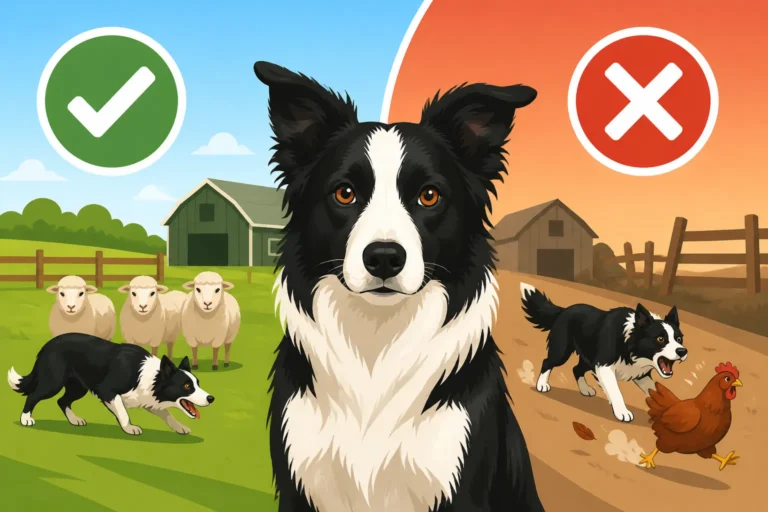
No discussion of the Border Collie's origins is complete without mentioning Old Hemp. Born in Northumberland in 1893, Old Hemp was a tri-color dog whose quiet, powerful, and effective working style revolutionized sheepdog handling. He was known for his calm, collected manner, controlling sheep without the aggressive barking or chasing common in other dogs of the time. His approach made him an instant legend on the trial fields.
Old Hemp's progeny inherited his exceptional qualities, and he became the preeminent sire of his era. It's truly incredible to think that almost every single Border Collie alive today can trace its lineage back to this one dog. His genetic influence was so profound that his working style and temperament became the ideal for the budding breed. He wasn't just a collie; he was the collie that defined the type that would eventually be named "Border Collie." For more on this incredible dog, read about Old Hemp and Every Border Collie Alive Today.
The Naming of the "Border Collie"
With the rise of sheepdog trials and the undeniable superiority of the dogs from the Anglo-Scottish border region, there came a need for a more specific name. The International Sheep Dog Society (ISDS), founded in 1906, was instrumental in this. Its purpose was to promote the breeding and training of working sheepdogs, and to register those dogs based on their working merit.
It was James Reid, the Secretary of the ISDS, who first used the term "Border Collie" in 1915, to distinguish these dogs from the other "collie" types that were also being developed, such as the Rough Collie (or Scotch Collie). The name served to emphasize their origin in the border country and their specific working function, setting them firmly apart. This formal naming was a crucial step in recognizing them as a distinct breed, solidifying their identity and paving the way for the breed's global recognition.
Understanding the "Collie" Family Today
Today, when we say "collie," we're usually thinking of one of a few distinct breeds, but the historical lineage reminds us of their shared heritage as supreme herders. The distinction between these breeds is now clear, based on appearance, temperament, and often, the type of work they perform.
Distinguishing Modern Collie Breeds
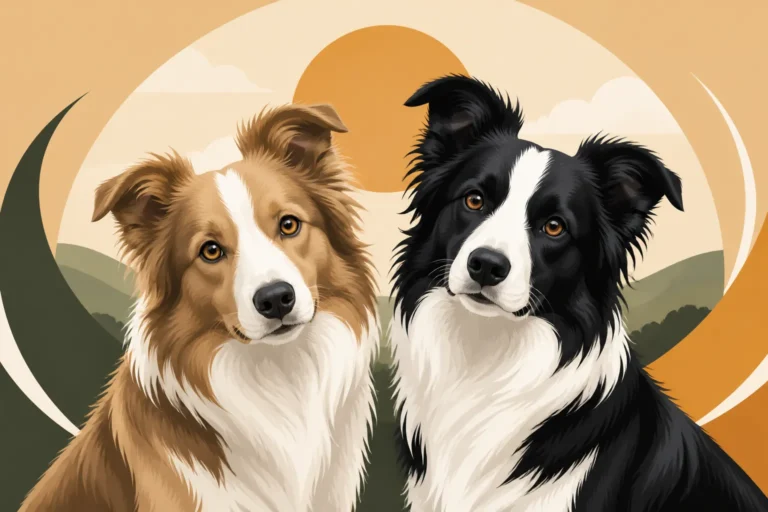
The term "collie" now refers to several recognized breeds, each with its own characteristics and fan base. The Rough Collie, famously popularized by Lassie, is known for its majestic long coat and gentle disposition, often excelling as a family pet. The Smooth Collie shares the same body structure and temperament but boasts a short, dense coat. Then, of course, there's our beloved Border Collie, still primarily renowned for its intense working ability and unparalleled intelligence, a dog that truly embodies the phrase Why the Border Collie Is Called the Smartest Breed.
There are other breeds, too, like the Shetland Sheepdog (often called a "Sheltie"), which looks like a miniature Rough Collie, or the Bearded Collie, with its shaggy coat and boisterous personality. While they all carry the "collie" name, their development pathways diverged significantly after the early days of generic "shepherd's dogs." Each breed now has its own dedicated enthusiasts and specific roles in modern society, from competitive obedience to loyal family companions.
| Breed Name | Primary Coat Type | Key Trait / Role | Historical Origin | Modern Recognition |
|---|---|---|---|---|
| Border Collie | Rough or Smooth | Intense herding "eye", supreme working dog | Anglo-Scottish Border | Working & Show |
| Rough Collie | Long | Elegant appearance, gentle companion | Scotland | Show & Companion |
| Smooth Collie | Short | Similar to Rough Collie, less grooming | Scotland | Show & Companion |
| Shetland Sheepdog | Long | Miniature Rough Collie, alert, agile companion | Shetland Islands of Scotland | Show & Companion |
| Bearded Collie | Long, Shaggy | Bouncy, outgoing, active companion & herder | Scotland | Show & Companion |
The Importance of Working vs. Show Lines
The divergence of "collie" types also led to the distinction between working lines and show lines within many of these breeds, particularly the Border Collie. While some breeds, like the Rough Collie, evolved primarily into companion and show dogs, the Border Collie always maintained its strong working roots. However, even within Border Collies, a split emerged after AKC recognition, creating a divide that still causes discussion among enthusiasts. The Working and Show Split in Border Collies is a complex topic, but essentially, working lines prioritize instinct, drive, and biddability for herding, while show lines often focus on conformation to a written standard.
This difference is profound. A working Border Collie from a strong lineage is bred for generations of proven herding ability, often with health testing like The Border Collie Genetic Panel and What It Screens being part of responsible breeding practices. A show-bred Border Collie might have a more relaxed temperament and a specific look, making it a wonderful family pet, but it might not have the same intense herding drive. Understanding this distinction is key for anyone considering adding one of these intelligent dogs to their family, ensuring they choose a dog whose background aligns with their lifestyle expectations.
Modern Care for Your Collie
Regardless of which "collie" breed you share your home with, proper care is paramount. These are active, intelligent dogs that thrive on mental stimulation and physical activity. Whether you have a working Border Collie or a laid-back Smooth Collie, their foundational needs for good nutrition, exercise, and mental engagement remain consistent. Providing high-quality dog food, perhaps ordered conveniently from a retailer like Chewy, is a good start.
Beyond food, think about their environment. All collies benefit from secure fencing, engaging toys, and consistent training. Even if your collie isn't herding sheep, they still have an innate desire to "work" their brains. Puzzle toys, obedience training, and interactive games can help satisfy this need. Regular veterinary check-ups are also vital to ensure a long and healthy life, addressing things like Hip and Elbow Scores in a Border Collie or annual vaccinations. Understanding their history helps us better understand their inherent drives and how to best care for them in our modern world.
Disclaimer
This article is for general informational purposes only and does not constitute professional advice. Laws, prices and regulations vary by location and change over time. Consult a qualified professional for guidance on your specific situation.