Why a Border Collie’s Drive Drops With Its Thyroid
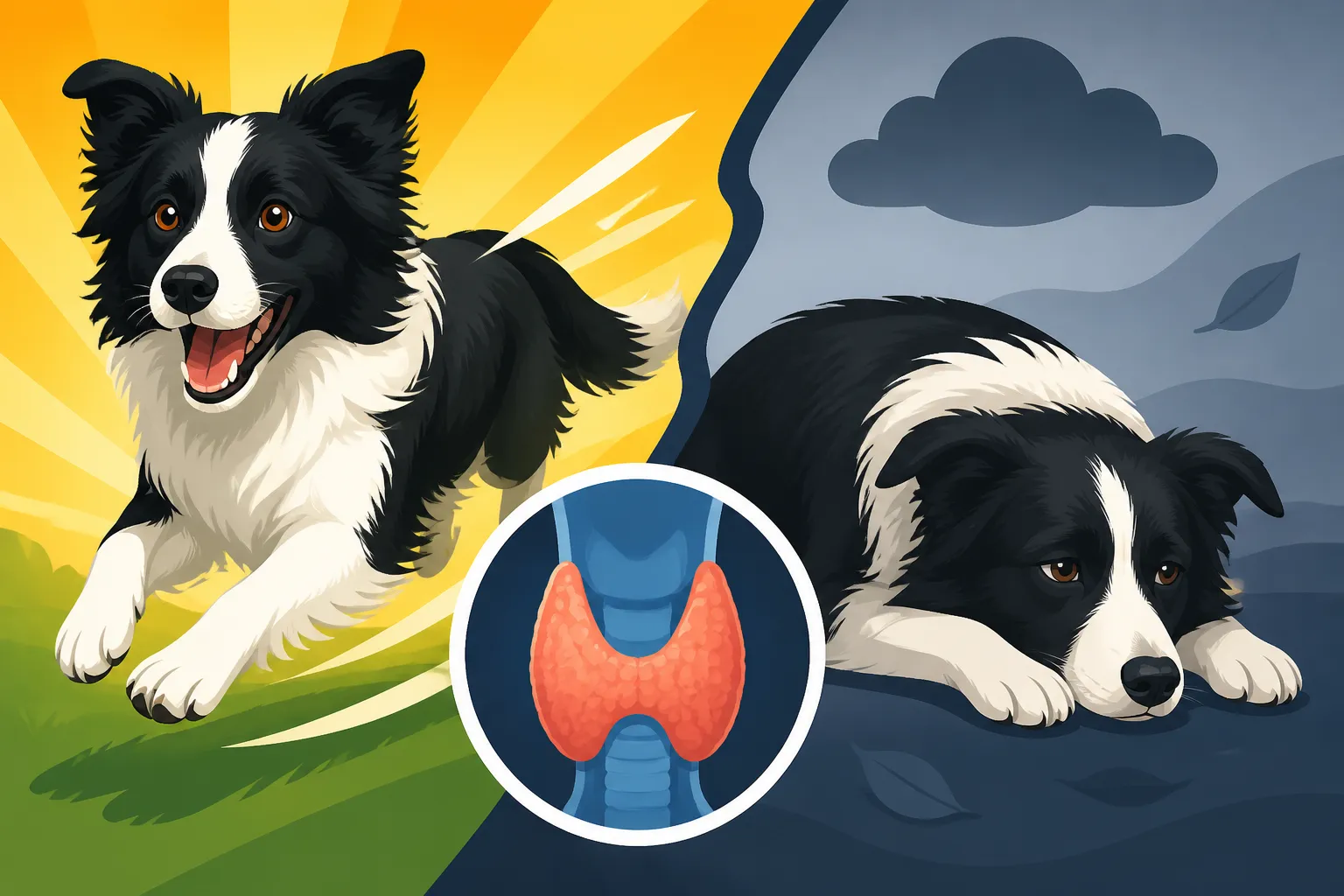
It’s incredibly disheartening when your once-vibrant Border Collie, a dog renowned for its boundless energy and intense focus, suddenly seems to lose their spark. You watch them, and instead of the usual eager bounce or piercing stare, there's a dullness, a reluctance to engage. This sudden drop in drive isn't just a minor inconvenience; it's often a red flag that something deeper is amiss, and for many Border Collies, it points directly to an imbalance in their thyroid function. This guide will walk you through understanding why your dog's thyroid health is so crucial to their drive and how to get them back to their spirited best.
Understanding the Border Collie's Drive
To truly grasp the impact of a failing thyroid, we first need to appreciate just how central "drive" is to the Border Collie identity. These aren't just high-energy dogs; they are creatures of intense purpose, bred over centuries for their ability to work tirelessly, intelligently, and with an almost obsessive focus.
The Innate Instinct to Work
The Border Collie's drive isn't just about physical stamina; it's a deep-seated instinct to herd, to problem-solve, and to engage. Originating from the Anglo-Scottish border region, these dogs were specifically developed to manage sheep across vast, challenging terrains. Their ancestors, like the legendary Old Hemp, possessed an unmatched ability to control stock with "eye" and subtle movements, demanding incredible mental fortitude and physical endurance. This innate desire to work, to have a job, is hardwired into their very being. It's why many Border Collie owners find themselves constantly seeking outlets for this energy, whether through competitive dog sports like agility, flyball, or actual herding, or through extensive training and mental enrichment at home. Without an appropriate outlet, this intense drive can sometimes manifest as problematic behaviors, like shadow chasing or obsessive ball play, but at its core, it's a magnificent engine of purpose.
How Drive Manifests in Daily Life
For many Border Collie owners, their dog's drive is evident from the moment they wake up. It’s the dog who's ready to go at a moment's notice, eyes locked on your every move, anticipating the next command or adventure. In a working dog, it's the intense focus on livestock, the unwavering commitment to a task, and the ability to work for hours without flagging. In a pet home, this might translate to an insatiable appetite for fetch, a brilliant aptitude for learning complex tricks, or an eagerness to accompany you on long hikes or runs. This drive isn't just about speed; it's about motivation, enthusiasm, and a relentless desire to participate and achieve. They thrive on engagement, on challenges, and on feeling like a valued partner in whatever activity you're pursuing. This isn't a breed that's content to be a couch potato, especially in its prime.
Why a Drop in Drive is So Alarming
When this characteristic drive suddenly diminishes, it's more than just a behavioral shift; it feels like a fundamental change in your dog's personality. You might notice them being less enthusiastic about their favorite activities, lagging behind on walks, or simply lying around more, showing little interest in toys or interaction. For a Border Collie, a dog whose entire existence often revolves around purposeful activity, this can be incredibly concerning. It’s not just "getting older" or "slowing down" if it happens relatively suddenly or at an age when they should still be vibrant. You might find yourself asking, "Is my dog bored? Am I not doing enough?" But often, it's not a training or enrichment issue; it's a symptom of an underlying health problem that needs attention. It’s important to acknowledge that this shift isn't your fault, and it’s a valid reason to seek veterinary advice.
The Thyroid Gland and Its Role
Nestled in your Border Collie's neck, the thyroid gland might be small, but its impact on nearly every bodily function is monumental. It's a true master regulator, and when it falters, the effects can be widespread and profound.
The Hormonal Symphony it Conducts
The thyroid gland produces two primary hormones: thyroxine (T4) and triiodothyronine (T3). Think of these hormones as the conductors of a grand symphony that is your dog's metabolism. They regulate crucial processes like heart rate, body temperature, digestion, muscle function, and even brain development. The production and release of these hormones are tightly controlled by the pituitary gland in the brain, which secretes Thyroid Stimulating Hormone (TSH). It's a delicate feedback loop: if T4 and T3 levels drop, the pituitary releases more TSH to stimulate the thyroid; if they rise, TSH production decreases. This intricate system ensures that the body maintains a stable internal environment, allowing all systems to function optimally. When this balance is disrupted, particularly when hormone levels dip too low, the consequences can be systemic.
Impact on Metabolism and Energy
Thyroid hormones are absolutely essential for regulating your Border Collie's metabolism – the process by which their body converts food into energy. When these hormones are at appropriate levels, their cells are efficiently processing nutrients, generating the energy required for everything from a powerful sprint across a field to the complex cognitive tasks involved in herding. If thyroid hormone production slows down, the entire metabolic rate plummets. It's like trying to run a high-performance sports car on minimal fuel and a clogged engine. The body struggles to generate and utilize energy effectively, leading to a cascade of symptoms, with a noticeable drop in physical and mental energy being one of the most prominent. This isn't just about feeling tired; it's about the fundamental inability of the body to produce the fuel it needs for the high-octane life of a Border Collie.
What Happens When Thyroid Hormones Are Low
When a Border Collie's thyroid gland isn't producing enough T3 and T4, a condition known as hypothyroidism, the body effectively goes into slow motion. Every cell, every organ system, starts to feel the pinch of reduced metabolic activity. Initially, symptoms might be subtle, easily dismissed as normal aging or a phase. However, as the hormone deficiency becomes more pronounced, you'll start to see more obvious signs. The decreased energy production directly impacts muscle function, stamina, and even brain activity, leading to that worrying drop in drive and overall vitality. It's a widespread problem that affects not just their physical prowess but also their coat health, skin integrity, weight management, and even their mood.
Hypothyroidism: The Silent Energy Thief
Hypothyroidism often creeps up slowly, making it challenging for owners to pinpoint the exact moment things started to change. It's rarely just one symptom; rather, it's a collection of subtle and not-so-subtle shifts that, when viewed together, paint a clearer picture.
Beyond Low Drive: Other Physical Symptoms
While a noticeable drop in drive is often the first symptom to alarm a Border Collie owner, hypothyroidism manifests in a variety of other physical ways. Because thyroid hormones affect metabolism, you might see your dog gaining weight despite no change in diet or exercise. Their once sleek, shiny coat might become dull, dry, brittle, and even sparse, often accompanied by excessive shedding or what's known as a "rat tail" – a thinning of hair on the tail. You might also notice dry, flaky skin, sometimes with recurrent infections or "hot spots." They can become more susceptible to the cold, seeking out warm spots or shivering more frequently. In some cases, you might observe a slower heart rate or even changes in their digestive system, though these are less common initial complaints. For instance, a normally energetic young Border Collie who suddenly struggles to keep up on a hike or seems stiff and lethargic after even mild exercise could be showing early signs. It's not uncommon for these physical changes to be initially attributed to other factors, making early diagnosis tricky.
Here's a quick reference table of common physical symptoms:
| Symptom Category | Specific Manifestation |
|---|---|
| Energy & Stamina | Lethargy, reduced exercise tolerance, increased sleeping |
| Weight | Unexplained weight gain, despite normal diet/exercise |
| Coat & Skin | Dull, dry, brittle coat; excessive shedding; thinning hair (especially on tail); dry, flaky skin; recurrent skin infections |
| Temperature | Increased sensitivity to cold, seeking warm places |
| Other | Slower heart rate, stiffness, delayed wound healing |
Behavioral Changes You Might Notice
The impact of hypothyroidism isn't purely physical; it profoundly affects a Border Collie's mental state and behavior. Beyond the loss of drive, you might observe an overall dullness or apathy. Your dog, who once eagerly anticipated training sessions or playtime, may now appear withdrawn, less responsive to commands, or even "slow" to process information. Some Border Collies might develop a generally sad or depressed demeanor. In some instances, low thyroid can even lead to increased anxiety, fear, or even aggression, although these are less common and usually tied to severe, long-standing cases. Imagine a Border Collie, typically a keen student of The Border Collie That Learns Faster Than You Teach, now struggling to grasp basic commands or showing no interest in learning new tricks. This intellectual dullness is a hallmark of the metabolic slowdown affecting the brain. If your typically eager and focused dog suddenly seems disengaged or even grumpy, it’s worth considering a thyroid check.
When to Suspect a Thyroid Problem
Suspecting a thyroid problem often comes down to recognizing a cluster of symptoms, particularly when they don't align with other obvious explanations. If your Border Collie, especially one between the ages of two and eight, starts showing a significant and persistent drop in energy, combined with unexplained weight gain or noticeable changes to their coat and skin, it's definitely time to talk to your vet. Don't dismiss these changes as merely an inevitable part of The Age a Border Collie Starts to Slow. While some slowing is natural with age, a dramatic decline in a relatively young or middle-aged dog warrants investigation. Moreover, if your dog shows stiffness or discomfort that isn't clearly attributable to an injury or a condition like Osteoarthritis in a Border Collie by Eight, a thyroid check can be part of the differential diagnosis. Early intervention is key, so don't hesitate to bring up your concerns with your veterinarian, detailing all the changes you've observed, no matter how minor they seem.
Diagnosing Thyroid Issues in Border Collies
Diagnosing hypothyroidism requires a thorough approach, as symptoms can mimic other conditions. It’s not just about one blood test; it’s about compiling a complete picture of your Border Collie’s health.
The Initial Veterinary Examination
When you first bring your concerns to your veterinarian, they will perform a comprehensive physical examination. This includes checking your Border Collie's weight, assessing their coat and skin condition, listening to their heart, and feeling their thyroid gland, though it's often difficult to palpate. They'll also discuss your dog's history in detail, asking about diet, exercise routine, any medications, and the timeline of the symptoms you've noticed. This initial assessment helps the vet differentiate between possible causes for a drop in drive, such as pain, an infection, or other systemic illnesses. For instance, if your dog is showing signs of Signs an Old Border Collie Is in Pain, the vet might focus on musculoskeletal issues first, but a full symptom picture would guide them to also consider thyroid. Providing your vet with a detailed log of behavioral changes, energy levels, and physical symptoms over time can be incredibly helpful.
Understanding Thyroid Blood Panels
The definitive diagnosis of hypothyroidism typically relies on specific blood tests. The most common panel will measure:
- Total T4 (TT4): This is often the first screening test. Low TT4 can indicate hypothyroidism, but it can also be low due to non-thyroidal illness (NTI) or certain medications.
- Free T4 (fT4): This measures the unbound, biologically active form of T4. It's less affected by NTI and drugs, making it a more accurate indicator.
- Canine TSH (cTSH): When the thyroid isn't producing enough hormones, the pituitary gland should ramp up TSH production. So, a high cTSH level, coupled with low T4 and fT4, strongly points to primary hypothyroidism.
In some cases, your vet might also recommend an autoantibody test (TgAA) to check for autoimmune thyroiditis, which is a common cause of hypothyroidism in dogs. It's vital that Yearly Bloodwork for a Border Collie includes a thyroid panel, especially as they get older or if any subtle changes are noticed. There are specialized labs that focus on canine thyroid diagnostics, like those associated with Michigan State University's Animal Health Diagnostic Laboratory, which offer comprehensive panels and expert interpretation. It’s not just about getting the numbers; it’s about interpreting them correctly in the context of your dog’s clinical signs.
The Importance of a Full Picture
It's crucial to understand that a low T4 alone isn't always enough to diagnose hypothyroidism. As mentioned, other illnesses or even certain drugs (like steroids) can temporarily suppress thyroid hormone levels, a phenomenon known as "euthyroid sick syndrome." Therefore, your vet will look at the entire thyroid panel (TT4, fT4, and cTSH) in conjunction with your Border Collie's clinical symptoms and other bloodwork (like a complete blood count and chemistry panel) to rule out other issues. They’re looking for that Full Border Collie DNA Panel of information about your dog’s health. This holistic approach ensures that they're not misdiagnosing or overlooking another problem. For example, if a Border Collie presents with lethargy, the vet might also consider conditions like anemia, heart disease, or even neurological issues that could cause similar symptoms, such as those that might arise before What Happens After a Border Collie's First Seizure. The goal is always to achieve an accurate diagnosis to ensure the most effective treatment.
Treatment and Management of Hypothyroidism
Once a definitive diagnosis of hypothyroidism is made, the good news is that it’s a very manageable condition. Treatment involves lifelong medication, but with consistency, you can expect to see significant improvements in your Border Collie's health and, importantly, their drive.
Lifelong Medication and What to Expect
The primary treatment for canine hypothyroidism is daily oral supplementation with synthetic thyroid hormone, typically levothyroxine. This medication is safe and highly effective at replacing the hormones your Border Collie's body isn't producing enough of. It's a lifelong commitment, much like managing diabetes in humans. The initial dosage is carefully calculated based on your dog's weight and the severity of their condition. Most Border Collies respond very well to treatment, and you can expect to see improvements fairly quickly. Often, within a few weeks, owners report increased energy levels, a renewed interest in activities, and a brighter demeanor. Physical changes, such as improved coat quality and resolution of skin issues, typically take longer, often several months, as it takes time for new, healthy cells to grow. It’s a marathon, not a sprint, but the transformation can be incredible.
Monitoring and Adjusting Dosage
Administering the correct dosage is paramount. Too little medication, and your Border Collie won't fully recover; too much, and they could experience symptoms of hyperthyroidism, such as restlessness, increased thirst, and weight loss. For this reason, regular monitoring is essential. Your vet will typically schedule follow-up blood tests, usually starting 4-6 weeks after initiating treatment, and then periodically thereafter, usually every 6-12 months, or if symptoms recur or change. These tests are usually done 4-6 hours after the morning dose of medication to measure peak drug levels. Based on these results and your ongoing observations of your dog's condition, your vet will adjust the levothyroxine dosage as needed. This fine-tuning ensures your Border Collie receives the optimal amount of hormone for their unique needs. It’s also crucial to remember to give the medication consistently, ideally at the same time each day, and often on an empty stomach for best absorption.
The Road to Recovery and Regaining Drive
Watching your Border Collie regain their lost drive is one of the most rewarding parts of treating hypothyroidism. Many owners describe it as getting their "old dog back." That eager eye, the boundless enthusiasm for a game of fetch, the relentless focus on a training task – it all starts to return. While some Border Collies might not reach precisely the same peak performance they had before the onset of the disease, most will recover significant levels of their characteristic energy and mental acuity. This return to form allows them to once again fully engage in the activities they love, whether it's herding sheep, competing in agility, or just enjoying long, energetic walks. It also underscores the importance of a comprehensive approach to The Annual Border Collie Budget Nobody Plans For, as chronic conditions like hypothyroidism will require ongoing medication and veterinary visits. Thinking ahead with pet insurance, like a policy from Healthy Paws, can certainly help alleviate the financial stress of lifelong medication and monitoring, ensuring you can always provide the best care without undue worry about the cost.
Beyond Thyroid: Other Reasons for Dropped Drive
While hypothyroidism is a common culprit for a Border Collie's flagging drive, it's not the only possible cause. A responsible owner and a thorough veterinarian will always consider other factors that could be contributing to lethargy or a lack of enthusiasm.
Nutritional Deficiencies and Inadequate Fuel
Just like a high-performance athlete, a Border Collie needs optimal nutrition to sustain its incredible energy and drive. A diet that is lacking in essential nutrients, or simply doesn't provide enough calories for their activity level, can absolutely lead to a noticeable drop in performance and enthusiasm. This isn't just about feeding them any dog food; it's about feeding them a high-quality diet appropriate for an active breed. A working Border Collie or one active in dog sports burns an incredible amount of energy, and their food needs to reflect The Calorie Load a Working Border Collie Burns. If they're on a diet low in easily digestible proteins and fats, or if they're not getting enough overall calories, their body simply won't have the fuel to maintain that signature drive. You might notice them losing muscle mass or just generally looking "flat." Always assess your dog's diet and consult with your vet or a canine nutritionist to ensure they are getting appropriate fuel. Even for a Retired Border Collie or one with less intense activity, their nutritional needs must be met, perhaps with What a Retired Border Collie Should Eat Instead to prevent weight gain while maintaining vitality.
Chronic Pain and Underlying Medical Conditions
One of the most frequently overlooked reasons for a drop in drive is chronic pain. Dogs are incredibly stoic, and a Border Collie, with its strong work ethic, might try to push through discomfort until it becomes unbearable. Conditions like Hip Dysplasia in a Border Collie That Runs All Day, elbow dysplasia, or even subtle arthritic changes can cause chronic pain that drains a dog's energy and willingness to move. They might appear less keen to jump, run, or even just stand for long periods. Similarly, other underlying medical conditions, such as early-stage heart disease, kidney disease, diabetes, or even certain types of cancer, can manifest as lethargy and a reduced desire to engage. Even less common neurological issues could be at play, though less likely to solely present as low drive without other distinct symptoms. This is where regular veterinary check-ups and open communication with your vet are so important. They can help identify these issues through physical exams, blood work, and sometimes imaging. Pet insurance, such as through providers like Healthy Paws, can be an invaluable resource in these situations, helping to cover the costs of diagnostics and ongoing treatment for potentially expensive conditions that affect your Border Collie's overall health and happiness.
Mental Health and Environmental Factors
Sometimes, a drop in drive isn't purely physical, but rooted in mental health or environmental factors. While Border Collies are robust, they aren't immune to stress, anxiety, or even depression. A significant change in their routine, the loss of a companion animal or human, or even a sudden shift in their living environment can lead to a period of withdrawal and low motivation. Dogs thrive on routine and stability, and disruptions can impact their emotional well-being. Furthermore, a lack of adequate mental stimulation, even for a healthy Border Collie, can lead to boredom and apparent lethargy. These dogs need a job, whether it's formal training, puzzle toys, or engaging playtime. If their brilliant minds aren't challenged, they can become listless or even destructive. It's a tricky balance: too much stimulation without enough rest can lead to burnout, but too little can lead to apathy. Always consider your dog's emotional landscape and their daily enrichment when trying to understand a change in their drive.
Disclaimer
The information provided in this article is for educational purposes only and is not intended as a substitute for professional veterinary advice. Always consult with a qualified veterinarian for any health concerns or before making any decisions related to your pet's care.