How Long a Border Collie Eye Certificate Lasts
Navigating the world of canine health clearances can feel like a labyrinth, especially when you're dedicated to ensuring your spirited Border Collie lives a full, vibrant life. One area that often brings up questions is eye health, and specifically, the official eye certificate. Owners and breeders alike grapple with how often these evaluations are truly needed, leaving many wondering about the actual lifespan of an eye certificate for their beloved, keen-eyed companion. This guide will meticulously break down the details of Border Collie eye certificates, their validity, and why they remain a cornerstone of responsible dog ownership and breeding.
Understanding the Canine Eye Examination for Border Collies
The Border Collie is renowned for its intense gaze, often called "the eye," which is central to its herding ability. This powerful visual focus makes maintaining optimal eye health not just a matter of comfort but crucial to their very essence as a breed. A specialized eye certificate, issued after a thorough examination by a board-certified veterinary ophthalmologist, is designed to identify and track inheritable and acquired eye conditions that could impact your Border Collie's vision and overall well-being.
What is a Canine Eye Examination?
A canine eye examination, often referred to as an ACVO (American College of Veterinary Ophthalmologists) exam or an OFA Eye Certification Exam (OFA being the Orthopedic Foundation for Animals, which maintains a registry for these certifications), is a comprehensive evaluation of your dog's eyes. It’s far more than a quick peek. The ophthalmologist uses specialized equipment, including a slit lamp biomicroscope and an indirect ophthalmoscope, to examine every part of the eye, from the eyelids and tear ducts to the cornea, lens, retina, and optic nerve.
During this meticulous process, the vet will be looking for a range of conditions. For Border Collies, particular attention is paid to hereditary issues like Collie Eye Anomaly (CEA), also known as Choroidal Hypoplasia. This is a congenital condition that can range from a subtle choroidal defect to more severe problems like colobomas or even retinal detachment, though severe cases that lead to blindness are thankfully less common. The exam also screens for Progressive Retinal Atrophy (PRA), which is a group of degenerative diseases of the retina that eventually leads to blindness, and various types of cataracts, which can be hereditary or acquired later in life. Catching these early can be vital for management or for making informed breeding decisions.
Why are Eye Certificates Crucial for Border Collies?
Eye certificates serve as a vital tool for both individual Border Collie owners and the broader breeding community. For pet owners, knowing your dog's eye health status allows for early intervention and management if a condition is found. Imagine your active Border Collie, who thrives on chasing discs or navigating agility courses, suddenly struggling with vision due to an undetected issue. Early diagnosis can help you adapt their environment, manage discomfort, and ensure their quality of life remains high. This proactive approach can make a world of difference.
For breeders, these certificates are indispensable for responsible breeding practices. Border Collies, like many purebreds, have certain genetic predispositions. By routinely screening breeding stock, breeders can identify dogs carrying or affected by inheritable eye diseases and make informed choices to reduce the incidence of these conditions in future generations. This diligent screening helps maintain the health and integrity of the breed. It ensures that the lively, intelligent puppies finding homes are as healthy as possible. Without these certifications, breeders would be navigating blindly, risking the propagation of painful or debilitating eye conditions. It’s a core responsibility that every ethical breeder embraces.
The Validity and Renewal of Border Collie Eye Certificates
One of the most common questions revolves around how long an eye certificate remains valid. Unlike some other health clearances, eye certifications are not a one-and-done affair. The eye is a dynamic organ, and many conditions can develop or progress over time, necessitating regular re-examination.
The Annual Requirement for Eye Examinations
For a Border Collie to be considered "current" with their eye certification, especially for breeding purposes or participating in certain canine sports, the examination must generally be performed annually. This means that a Border Collie eye certificate typically lasts for one year from the date of the examination. The annual nature of the exam is crucial because while a puppy might have a clear eye exam at six weeks, ruling out congenital conditions like a severe choroidal defect, other conditions can manifest later in life.
For instance, some forms of Progressive Retinal Atrophy (PRA) might not show up until a dog is several years old, gradually worsening over time. Similarly, certain types of cataracts can develop at any age, even in a dog that previously had clear eyes. The annual check-up allows veterinary ophthalmologists to monitor any subtle changes, track the progression of known conditions, or identify newly developed issues. This consistency is paramount in a breed known for its athleticism and reliance on sharp vision. Think of it like your own annual physical; even if you feel great, a doctor can catch things before they become major problems.
Different Organizations and Their Guidelines
While the annual recommendation is standard, it's helpful to understand the organizations involved. In the United States, the American College of Veterinary Ophthalmologists (ACVO) establishes the professional standards for these examinations. The Orthopedic Foundation for Animals (OFA) then maintains a central registry for these results. When a dog passes an ACVO exam, the results are submitted to the OFA, which issues a certification number. This certification typically lasts for one year.
Other international organizations, such as the International Sheep Dog Society (ISDS) in the UK or various kennel clubs, also emphasize the importance of eye health, often requiring similar annual examinations for dogs in their breeding programs. The core principle remains consistent across these bodies: regular, professional evaluation is key. It’s also worth noting that some conditions, like Collie Eye Anomaly, might be identified early through specific DNA tests, such as The NHEJ1 Test for Collie Eye Anomaly, but even a clear DNA test doesn't negate the need for regular physical eye exams. Why? Because the eye exam can pick up other conditions not covered by specific DNA panels, or even provide a physical confirmation of a DNA result. For example, a dog might be a "carrier" for CEA on a DNA test, but appear mildly affected or "Go-Normal" on a physical exam, which can have different implications for breeding.
When to Re-Certify Your Border Collie
Beyond the general annual recommendation, there are specific times when re-certification is particularly critical. If you are breeding your Border Collie, an up-to-date eye certificate is almost always required by reputable breed clubs and organizations for both the sire and dam. This ensures that any potential inheritable conditions are identified before puppies are conceived. Many breeders will not even consider a pairing if the eye certificates for both parents are not current.
Even for non-breeding pet Border Collies, regular re-certification is a good practice. If your dog experiences any changes in vision, eye irritation, cloudiness, or any unusual discharge, a prompt visit to a veterinary ophthalmologist is warranted, regardless of when their last certificate was issued. This isn't just about obtaining a new certificate but about ensuring their comfort and health. For those who prioritize their dog's long-term health, pet insurance providers like Healthy Paws can be a real lifeline, helping to cover the costs of these specialist examinations and any subsequent treatments, particularly as some conditions, like Progressive Retinal Atrophy in an Older Border Collie, can be quite expensive to manage.
The Examination Process and What It Reveals
Understanding what actually happens during an eye exam can demystify the process and help you prepare both yourself and your Border Collie. It’s not just about getting a piece of paper; it’s about a deep dive into your dog’s ocular health.
What Happens During an Eye Exam
When you take your Border Collie for an ACVO eye exam, the process is quite systematic. First, the ophthalmologist will typically review your dog's medical history and any previous eye certifications. Then, they'll perform an external examination of the eyelids, tear ducts, and the surrounding structures. This is followed by a thorough examination of the anterior segment of the eye (cornea, iris, lens) using a slit lamp biomicroscope, which allows for magnified, detailed views of these structures. They'll be looking for signs of inflammation, corneal ulcers, or the early formation of cataracts.
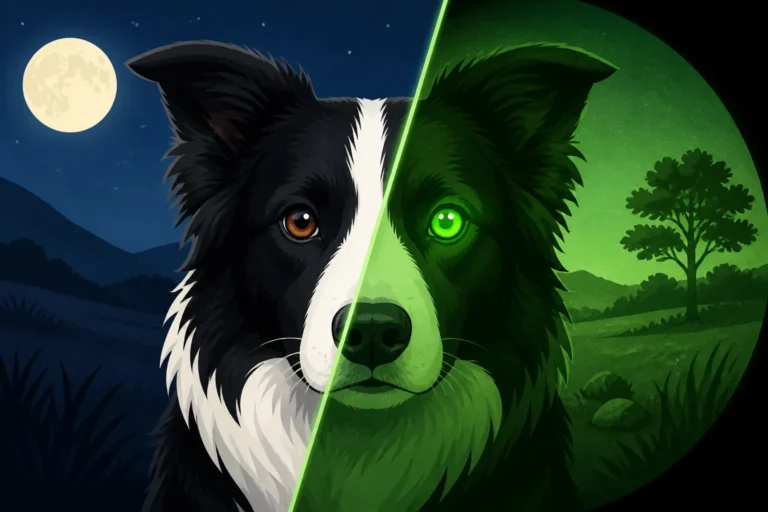
Next, a critical step is pupil dilation. Special eye drops are administered to widen the pupils, which usually takes about 15-20 minutes. This dilation is absolutely essential because it allows the ophthalmologist to clearly view the posterior segment of the eye – the retina, choroid, and optic nerve – using an indirect ophthalmoscope. This is where conditions like Collie Eye Anomaly, which presents as a choroidal defect, or the early stages of PRA, become visible. The entire process is non-invasive and generally well-tolerated by most dogs, though some might find the bright lights a bit startling. A calm, well-socialized Border Collie usually handles it without issue.
Interpreting the Results
After the examination, the ophthalmologist will discuss the findings with you. The results are typically categorized as "clear," "affected," or "suspect." A "clear" certificate means no observable abnormalities were found at the time of the exam. This is the ideal outcome, especially for breeding animals.
If a dog is "affected," it means an inheritable eye condition was identified. The severity and type of condition will dictate the next steps. For example, a Border Collie diagnosed with mild Collie Eye Anomaly may still have excellent vision, but breeders would need to carefully consider pairing them with a mate that is clear of CEA to avoid producing severely affected offspring. An "affected" result for a condition like advanced cataracts might mean surgical intervention is needed for a pet dog. A "suspect" result means there are findings that aren't definitive for a specific condition but warrant further investigation or re-examination in the future.
It's also crucial to remember that a physical eye exam complements, but does not replace, genetic DNA testing. A DNA test can identify if a dog is a carrier for a specific condition, like What a Full Border Collie DNA Panel Covers, even if they don't show clinical signs. However, the physical exam can identify conditions that aren't yet linked to a genetic marker or confirm the physical manifestation of a genetic predisposition. This is often why a "clear" DNA test for CEA might still lead to an "affected" physical exam if other conditions are present.
Beyond the Certificate: Ongoing Eye Health
Obtaining an eye certificate is a fantastic step, but it's part of an ongoing commitment to your Border Collie's eye health. Beyond the annual specialist exam, regular vigilance at home and routine check-ups with your general veterinarian are crucial. Pay attention to any changes in your dog's eyes: redness, squinting, excessive tearing, cloudiness, or changes in their behavior that might indicate vision impairment (e.g., bumping into furniture, hesitation in dimly lit areas).
Conditions like cataracts in a middle-aged Border Collie can develop subtly. Your regular vet can often spot early signs during their annual wellness check, prompting a referral back to a specialist if needed. Keeping the hair around their eyes trimmed, especially for rough-coated Border Collies, can also help prevent irritation. And always, always protect their eyes from harsh chemicals or physical trauma when working or playing. Your Border Collie's eyes are their window to the world and their most powerful tool; taking care of them is a year-round job, not just an annual appointment.
Responsible Breeding and Eye Health
For anyone involved in breeding Border Collies, eye health isn't just a recommendation; it's a moral imperative. The breed's future depends on careful, ethical choices made today.
The Breeder's Role in Eye Health
Responsible Border Collie breeders take eye health incredibly seriously. They understand that genetic conditions can be passed down, and their goal is always to produce healthy, sound puppies. This means that both prospective parents are thoroughly vetted for inheritable eye conditions before any breeding takes place. This isn't just about one clear exam; it's often about a history of clear exams, sometimes spanning multiple generations in a pedigree.
A good breeder will proactively get their breeding stock examined annually by a board-certified veterinary ophthalmologist. They’ll also often utilize DNA testing to identify carriers of known genetic eye diseases. For example, knowing if a dog is a carrier for CEA means they should only be bred to a mate that is "clear" of the gene, never to another carrier or an affected dog. This strategic planning prevents the likelihood of producing puppies that will be affected by these potentially vision-impairing conditions. When you're asking a Border Collie breeder for test results, don't be shy; they should be eager to share them and explain their health screening protocols.
Impact on Breeding Decisions
The results of a Border Collie's eye certificate, alongside their full genetic panel, significantly influence breeding decisions. If a dog is found to be affected by a severe, inheritable eye condition, a responsible breeder will typically remove that dog from their breeding program to prevent passing on the trait. Even for mild conditions, like a very subtle choroidal defect, careful consideration is given to the mate's eye health to minimize risk.
For instance, if a Border Collie has a mild case of CEA but is otherwise exceptional in temperament and working ability, a breeder might choose to breed them to a mate that has been DNA tested "clear" for CEA. This combination ensures that no puppies will be born "affected" by CEA, though some might be "carriers." It's a complex balance of preserving desirable traits while vigorously screening out health issues. This meticulous approach helps ensure the longevity and health of the Border Collie breed, keeping their eyes bright and their futures clear. It's a testament to dedication, ensuring that puppies are born with the best possible start, reducing the heartbreak for future owners who might face costly veterinary bills or the sadness of a dog with compromised vision.
Summary of Common Border Collie Eye Conditions
To help visualize some of the conditions discussed, here's a brief overview:
| Condition | Description | Typical Onset | Hereditary? | Annual Exam Relevance |
|---|---|---|---|---|
| Collie Eye Anomaly (CEA) | Congenital developmental defect of the choroid, often leading to choroidal hypoplasia. Can range from mild to severe (colobomas, retinal detachment). | Birth | Yes | Identifies severity; screens for progression of mild cases. |
| Progressive Retinal Atrophy (PRA) | Group of genetic diseases causing degeneration of the retina, leading to eventual blindness. | Varies (early to late) | Yes | Crucial for early detection and monitoring progression. |
| Cataracts | Opacity of the lens, impairing vision. Can be hereditary, age-related, or secondary to other diseases. | Varies | Often | Detects formation, monitors growth, informs treatment. |
| Distichiasis/Ectopic Cilia | Eyelashes growing from an abnormal location, often irritating the cornea. | Early Life | Yes | Identifies irritation and need for intervention. |
| Entropion/Ectropion | Eyelids rolling inward (entropion) or outward (ectropion), causing irritation or exposure. | Early Life | Yes | Detects conformational issues requiring correction. |
This table highlights why a singular, lifetime certificate just isn't feasible for comprehensive eye health in Border Collies, as so many conditions can develop or progress over time.
Disclaimer
The information provided in this guide is for general educational purposes only and should not be considered a substitute for professional veterinary advice. Always consult with a qualified veterinarian or a board-certified veterinary ophthalmologist for any health concerns or before making any decisions related to your Border Collie's care or breeding.