Cataracts in a Middle-Aged Border Collie
It’s a heart-sinking moment when you first notice a subtle cloudiness in your middle-aged Border Collie’s eyes. You stare, tilt your head, and wonder if it’s just the light, or if something more serious is starting to dim their bright, intelligent gaze. This guide is here to walk you through understanding cataracts in Border Collies, helping you identify what you're seeing, and outlining the paths you can take to manage this common age-related condition.
What Exactly Are Cataracts in Border Collies?
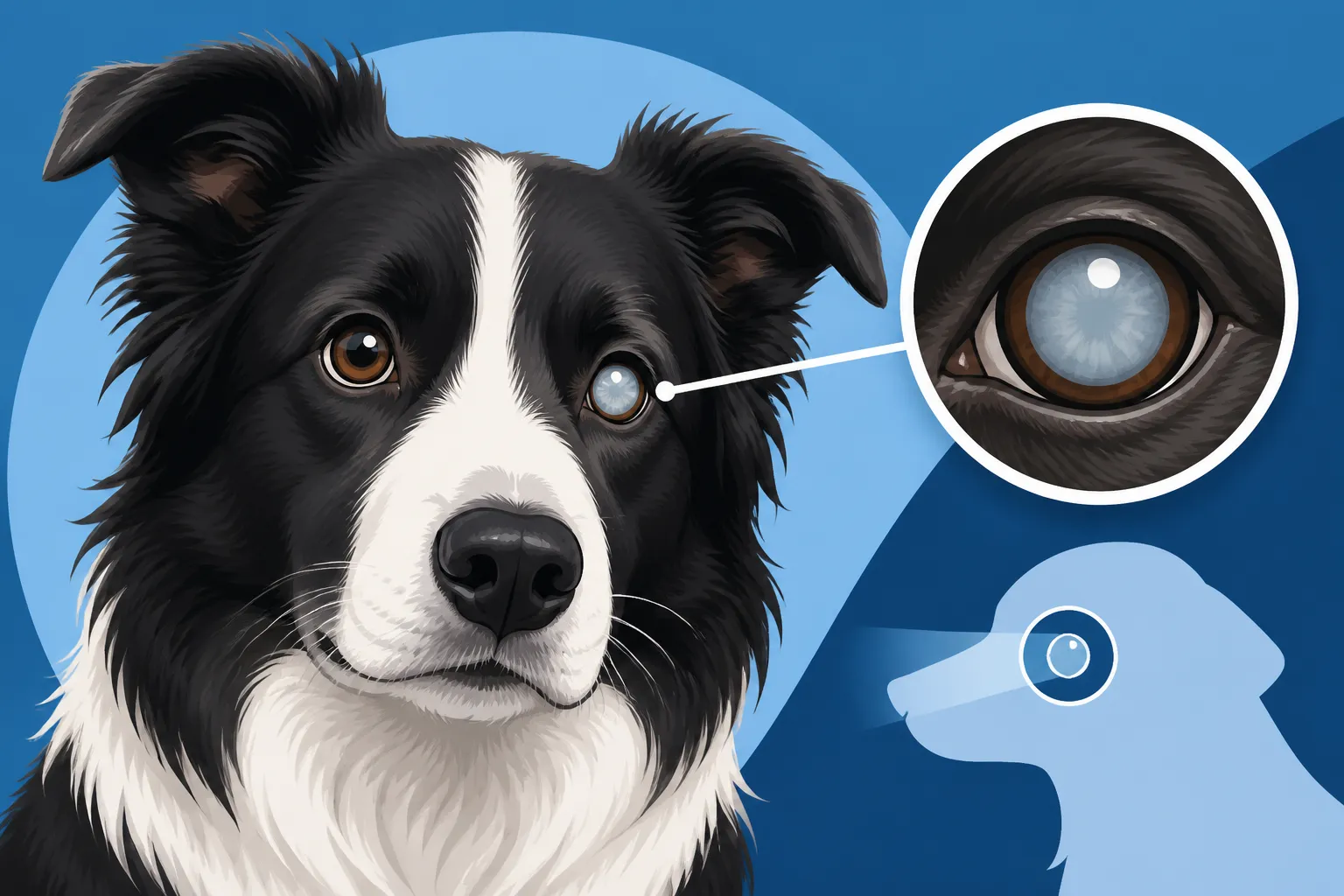
When we talk about cataracts, we're referring to an opacity, or clouding, of the lens inside your dog's eye. Think of the lens like a tiny, clear window that focuses light onto the retina at the back of the eye, allowing your Border Collie to see the world clearly. When a cataract develops, this "window" becomes cloudy, obstructing the light and making vision blurry or, in severe cases, completely blocking it out. It's not just a surface issue; the problem is actually inside the lens itself.
The Anatomy of a Healthy Eye Versus One with Cataracts
To truly grasp what's happening, let's briefly look at how a healthy Border Collie eye works. Light enters through the cornea, then passes through the pupil, a tiny opening, and then through the lens. The lens's job is to adjust its shape to properly focus that light onto the retina, which then sends signals to the brain, forming the images your dog "sees." With a cataract, the proteins within the lens begin to clump together, turning what should be crystal clear into a frosted, milky, or even white obstruction. This clumping prevents light from passing through cleanly, leading to impaired vision.
Differentiating Cataracts from Nuclear Sclerosis
This is a really common point of confusion for owners, and it's something I’ve seen countless times at clinics and trials. You see a bluish-grey haze in your dog’s eyes, and your heart jumps to cataracts. However, more often than not, especially in middle-aged or older dogs, what you’re seeing is actually nuclear sclerosis. This is a very normal, age-related change where the lens hardens and becomes slightly opaque due to the compression of older lens fibers. It gives the pupil a milky, bluish appearance, but it generally doesn't significantly impair vision. Dogs with nuclear sclerosis can still see perfectly well, especially in brighter light.
Here's a quick comparison to help you understand the difference:
| Feature | Cataract | Nuclear Sclerosis |
|---|---|---|
| Appearance | Distinct white, grey, or cloudy opacity | Bluish-grey haze, often uniform |
| Location | Can be anywhere in the lens, often dense | Central part of the lens, uniform haze |
| Vision Impact | Mild to severe vision loss or blindness | Minimal to no vision impairment |
| Light Reflex | Often obscures the tapetal reflection | Usually allows normal tapetal reflection |
| Progression | Can progress rapidly, especially if diabetic | Slowly progressive, typically stops at mild haze |
| Treatment | Surgical removal (if severe and warranted) | No treatment necessary, it's a normal aging sign |
A veterinarian or, ideally, a veterinary ophthalmologist, can easily tell the difference. They'll use an ophthalmoscope to look into the eye and see if light can still pass through the lens clearly, or if it's truly obstructed. It’s always best to get a professional opinion rather than worrying unnecessarily!
Spotting the Early Signs of Cataracts in Your Middle-Aged Border Collie
Border Collies are incredibly stoic, and sometimes their high drive means they'll push through discomfort or changes in their senses longer than other breeds. This can make spotting subtle signs of cataracts tricky, but knowing what to look for can make all the difference. Early detection is key to managing their comfort and potential treatment options.
Subtle Changes in Eye Appearance
The most obvious visual cue is a change in the pupil's appearance. Instead of seeing that deep, dark pupil, you might start noticing a hazy, cloudy, or even milky white film developing. Initially, it might be just a small spot or a slight cloudiness that you only catch in certain lighting conditions. You might see it best when your dog is looking towards a light source, or perhaps when they’re lying down and the light hits their eyes just right. This clouding can be uniform, or it can appear as distinct "spokes" or "cracks" within the lens. Remember, it can affect one eye before the other, or both simultaneously.
Beyond the visible clouding, pay attention to the overall clarity. Does your Border Collie's eye seem duller, less vibrant? Does the usual sparkle seem to have faded? Sometimes, the entire eye might appear to have a milky, ghostly sheen. These are often early indicators that something is changing within the lens.
Behavioral Cues and Vision Impairment
As the cataracts progress and vision starts to dim, your otherwise fearless and agile Border Collie might begin to show subtle behavioral changes. One of the first things owners often notice is a newfound hesitation in unfamiliar environments or in dimly lit rooms. Your dog, who once navigated your home with absolute confidence, might start bumping into furniture that's been moved even slightly, or they might become more cautious going down stairs. This can be especially noticeable at dusk or in low-light conditions, as cataracts significantly reduce the amount of light reaching the retina.
You might observe them moving more slowly, relying more on their whiskers and nose to navigate. Their once pinpoint-accurate retrieves might become fumbles, or they might miss catching a treat tossed their way. They might hesitate jumping into the car or onto the couch. When playing fetch, they might struggle to track the ball, especially if it’s thrown against a busy background or if the light isn’t ideal. Their reaction to sudden movements or approaching people might also slow down. A Border Collie with developing cataracts might also seem more clingy or anxious in new places because they can't rely on their sight as much.
These behavioral changes are essentially your Border Collie adapting to a world that's becoming increasingly blurry. It's not that they've suddenly become clumsy; it's that their primary sense for navigation is being compromised. If you're noticing these kinds of changes, especially alongside any visual changes in their eyes, it's definitely time for a visit to your vet. You might also want to look into topics like Caring for a Border Collie Past Its Working Years as vision loss can significantly impact their routine and activity levels.
Causes and Risk Factors for Border Collie Cataracts
Understanding why cataracts develop in Border Collies can help owners be proactive, especially if they're considering breeding or just managing their dog's long-term health. While age is certainly a major factor, it's not the only player in the game.
Genetic Predisposition in Border Collies
Unfortunately, Border Collies, like many purebred dogs, have a genetic susceptibility to certain conditions, and cataracts are among them. There are inherited forms of cataracts that can appear at different ages, from juvenile cataracts (which can show up in puppies) to adult-onset cataracts. These are often autosomal recessive, meaning a dog needs to inherit a copy of the gene from both parents to be affected. If you're getting a puppy, it's always wise to ask the breeder about the history of cataracts in their lines and what health clearances the parents have had. Sometimes, even with genetic testing, these things can slip through, or the specific genetic marker isn't yet identified. This is why it's crucial for responsible breeders to undertake The Border Collie Genetic Panel and What It Screens for various health issues.
Beyond specific genetic mutations, there might just be a general breed predisposition that makes them more prone to age-related cataracts compared to other breeds. It’s not always a clear-cut "gene for cataracts," but rather a complex interaction of genetics and other factors.
Age-Related Changes and Environmental Factors
Just like in humans, age is a primary driver for cataracts in dogs. As Border Collies move into their middle-aged and senior years (typically starting around 7-8 years old, though it can vary), the proteins in the eye's lens naturally start to break down and clump together. This process, often referred to as senile cataracts, is a normal part of aging. It's often slow-progressing, giving dogs time to adjust to their diminishing vision. While nuclear sclerosis is almost universal in older dogs, true cataracts also become increasingly common with age.
Environmental factors can also play a role, though they are usually secondary contributors compared to genetics and age. Exposure to excessive UV radiation has been implicated in cataract formation in some studies, although the direct link for dogs isn't as clear as for humans. Maintaining good general health, a balanced diet, and regular veterinary check-ups are always important. Speaking of check-ups, regular screening, including Yearly Bloodwork for a Border Collie, can help identify underlying conditions that might contribute to cataract development.
Diabetes and Secondary Cataracts
This is a critical point that every Border Collie owner needs to be aware of. Diabetes mellitus is one of the most common causes of rapidly developing cataracts in dogs. When a dog has uncontrolled diabetes, high levels of glucose (sugar) enter the lens of the eye. An enzyme in the lens converts this glucose into sorbitol, which then draws water into the lens, causing the lens fibers to swell and lose their transparency.
Diabetic cataracts can develop incredibly quickly, sometimes over a matter of weeks or even days, leading to sudden and profound vision loss. If your Border Collie suddenly develops significant cloudiness in their eyes, especially if they also show increased thirst, frequent urination, weight loss despite a good appetite, or changes in energy, it is an emergency. They need to see a vet immediately to be tested for diabetes. Catching and managing diabetes early is vital, not just for preventing cataracts, but for their overall health and longevity. Your vet may even suggest insurance coverage, and providers like Healthy Paws often cover conditions like diabetes if diagnosed after policy inception, which can be a huge relief for chronic care.
Other less common causes of cataracts can include severe eye trauma, inflammation within the eye (uveitis), or nutritional deficiencies in puppies (though rare with modern dog foods). However, for a middle-aged Border Collie, age and genetics, with diabetes being a significant and urgent consideration, are the primary culprits.
Managing and Treating Cataracts in Your Border Collie
Discovering your Border Collie has cataracts can feel daunting, but there are definitely paths forward to maintain their quality of life. The approach largely depends on the severity of the cataracts, the cause, and your dog's overall health and temperament.
Veterinary Diagnosis and Assessment
The first and most important step is getting a proper diagnosis from your veterinarian. They’ll perform a thorough eye examination, often using specialized equipment like an ophthalmoscope to look directly at the lens. This helps them confirm whether it's truly a cataract or something else, like nuclear sclerosis, or even Progressive Retinal Atrophy in an Older Border Collie, which can also affect vision. Your vet will also likely conduct a general health check, including blood tests, to rule out underlying conditions such as diabetes, especially if the cataracts have developed rapidly.
If cataracts are confirmed and are significantly impacting your Border Collie's vision, your regular vet might recommend a referral to a veterinary ophthalmologist. These specialists have advanced training and equipment to assess the precise location, size, and maturity of the cataracts. They can determine if your dog is a good candidate for surgery and discuss the potential risks and benefits in detail. This specialist consultation is often a critical step in deciding the best course of action.
Surgical Intervention: When It's an Option
For many Border Collies with vision-impairing cataracts, surgical removal is the most effective treatment. This procedure, called phacoemulsification, is very similar to cataract surgery in humans. It involves making a tiny incision in the cornea, inserting a small probe that uses ultrasound waves to break up the cloudy lens, and then aspirating (sucking out) the fragments. In most cases, an artificial intraocular lens (IOL) is then implanted to restore proper focusing ability.
This surgery is highly successful, with a reported success rate of 85-95% in restoring vision. However, it's a significant undertaking. It requires general anesthesia, and there's always a recovery period involving strict rest, protective cones, and diligent application of eye drops to prevent inflammation and infection. The decision for surgery depends on several factors:
- Maturity of the cataract: Early-stage cataracts might not warrant surgery yet, but waiting too long can lead to complications.
- Overall health: Your Border Collie needs to be healthy enough to undergo anesthesia and recover.
- Owner commitment: The post-operative care is intensive and crucial for success.
- Cost: Cataract surgery is expensive, easily ranging from $2,500 to $4,500 per eye, or more. This is where pet insurance can be a lifesaver. Companies like Healthy Paws can significantly reduce the financial burden, especially if your policy was in place before the diagnosis. Owners who have invested in coverage early on often find it invaluable for these types of specialist procedures, covering a substantial portion of the vet bills. It’s something to consider for any Border Collie owner, particularly with the breed's predispositions.
Non-Surgical Management and Living with Vision Loss
If surgery isn't an option due to cost, your dog's age or health, or if the cataracts aren't severe enough to warrant it, there are still many ways to help your Border Collie live a full and happy life with reduced vision.
Eye Drops and Medications: While no eye drops can dissolve or cure cataracts, your vet might prescribe anti-inflammatory drops or antioxidants to manage any associated inflammation or slow the progression in some cases, though their efficacy for prevention or reversal of cataracts is limited. For diabetic cataracts, controlling blood sugar levels is paramount; this can sometimes halt the progression but usually won't reverse existing cloudiness.
Environmental Modifications: This is where you, as the owner, can make the biggest difference.
- Maintain Consistency: Keep furniture and your dog's bowls, bed, and toys in consistent locations. Avoid rearranging things as much as possible.
- Create Safe Zones: Block off dangerous areas like stairs with gates if your dog struggles with them.
- Use Sound and Scent Cues: Rely more on verbal commands, hand claps, or even a specific scent to guide your dog.
- Leash Walking: Keep them on a leash in unfamiliar outdoor areas to prevent them from bumping into things or wandering into danger.
- Texture Cues: Consider placing textured mats (like welcome mats) at the top and bottom of stairs or near doorways to signal transitions.
- Lighting: Ensure good, consistent lighting throughout your home, especially in areas your dog navigates frequently.
Enrichment and Mental Stimulation: A Border Collie's mind is its most defining trait. Even with impaired vision, they still need mental exercise. Focus on activities that rely on their other senses:
- Scent Work: Hide treats or favorite toys around the house for them to find using their nose. This is fantastic mental stimulation.
- Verbal Cues and Tricks: Continue teaching new tricks or reinforcing old ones using clear verbal commands.
- Auditory Toys: Toys with bells or crinkles can be highly engaging.
- Consistent Routines: Predictability helps them feel secure and confident.
Living with a vision-impaired dog means becoming their eyes in many ways, but it doesn't mean their life is over. Many dogs adapt remarkably well, especially with patient and understanding owners. This can also be a time to consider What Ends a Border Collie's Working Life or how to adjust their activity levels if they were previously very active in sports like agility, ensuring their safety and continued enjoyment.
Disclaimer
This article is intended for informational purposes only and does not constitute veterinary advice. Always consult with a qualified veterinarian or veterinary ophthalmologist for any health concerns or before making any decisions about your Border Collie's care.