Trapped Neutrophil Syndrome in Border Collie Litters
Bringing a new Border Collie puppy into your life, whether you're a seasoned handler or a first-time owner, is usually a time filled with joy and boundless anticipation. But sometimes, a shadow can fall over that excitement when a puppy isn't thriving, showing vague symptoms that worry you. Trapped Neutrophil Syndrome (TNS) is one of those devastating genetic conditions that can cause immense heartbreak, striking young puppies and leaving owners and breeders feeling helpless and confused. This comprehensive guide aims to peel back the layers of TNS, helping you understand what it is, how to identify it, and crucially, how we can all work towards preventing its painful presence in future Border Collie litters.
Understanding Trapped Neutrophil Syndrome (TNS) in Border Collies
When we talk about the health of our beloved Border Collies, it's easy to focus on more commonly known issues like hip dysplasia or epilepsy. However, there are rarer, but equally devastating, conditions that can impact these bright, energetic dogs, especially in their earliest weeks of life. Trapped Neutrophil Syndrome, or TNS, is one such condition that can turn the vibrant promise of a new puppy into a challenging and often heartbreaking journey. It's a genetic disorder that directly impacts a dog's immune system, leaving affected puppies highly susceptible to infections and unable to thrive.
What Exactly is TNS?
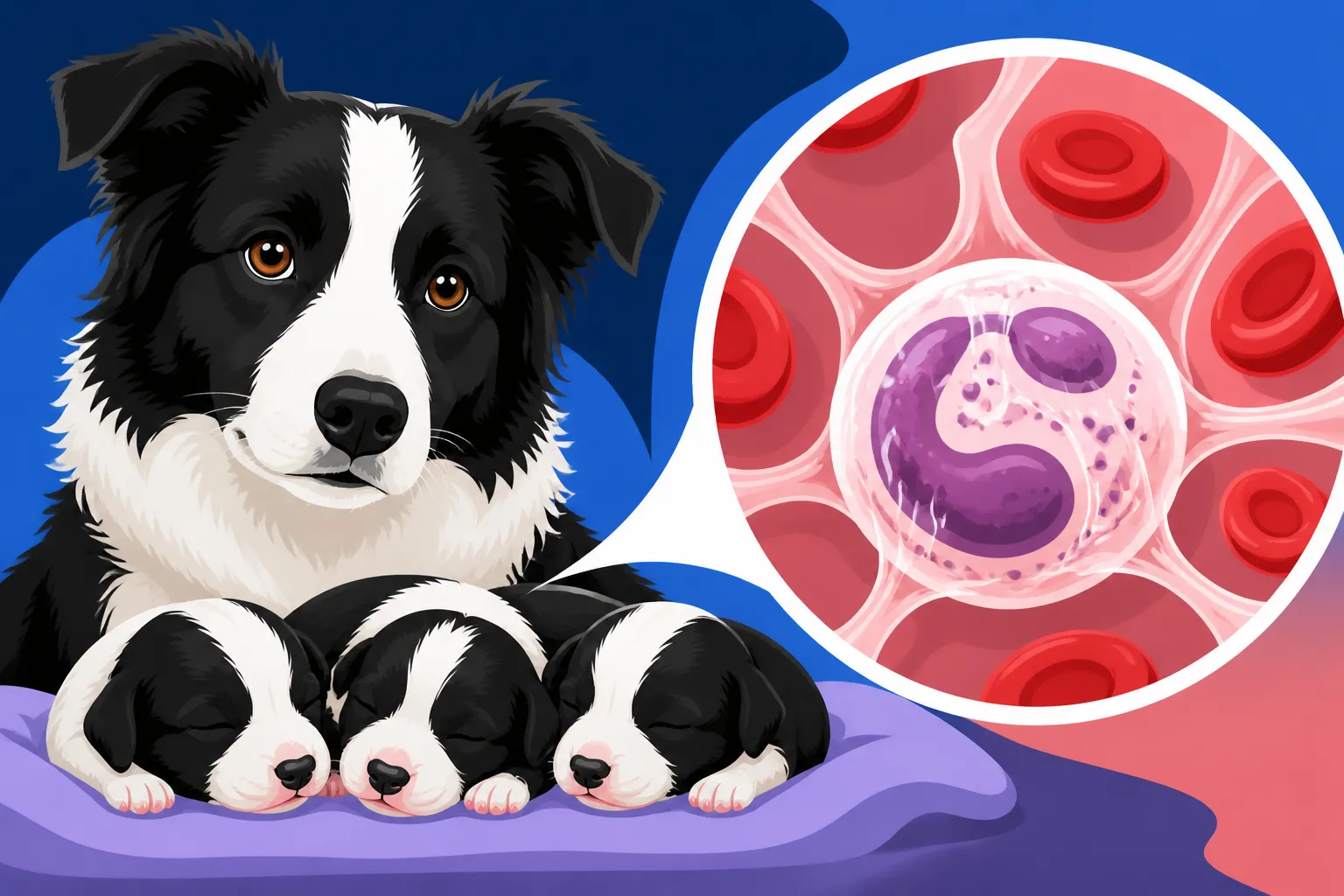
At its core, TNS is an inherited condition that essentially cripples a Border Collie puppy's immune defense. Imagine your body's security system, constantly on alert for invaders like bacteria and viruses. In a healthy dog, a specific type of white blood cell, called a neutrophil, acts as a primary responder, rushing to the site of an infection to engulf and destroy pathogens. These neutrophils are vital for fighting off everyday bugs and keeping the dog healthy.
With TNS, the problem isn't that the body doesn't produce neutrophils; it produces them in abundance. The cruel twist of the syndrome is right there in its name: these neutrophils are "trapped." They mature in the bone marrow as they should, but for some unknown reason, they aren't released effectively into the bloodstream to do their job. It's like having a fully staffed fire department, but all the firefighters are stuck in the station and can't get to the fire. This means that affected puppies have a dangerously low count of circulating, functional neutrophils, making them incredibly vulnerable to even the most common infections. It's a constant uphill battle against illnesses that a healthy puppy would shrug off easily.
The Role of Neutrophils in a Dog's Body
To truly grasp the impact of TNS, it helps to understand just how crucial neutrophils are. Think of neutrophils as the frontline soldiers of the innate immune system. They are the most abundant type of white blood cell in many mammals, including dogs, and their primary function is phagocytosis – literally "cell eating." When bacteria, fungi, or other foreign particles invade the body, neutrophils are among the first immune cells to arrive at the scene. They detect the invaders, migrate to the infected tissue, and then engulf and digest them, acting as the body's rapid cleanup crew.
Without a sufficient number of these active, mobile neutrophils, a puppy's body is left defenseless. Something as simple as a bacterial infection in a scratch, a minor respiratory virus, or even common gut bacteria can become life-threatening. They are essential for resolving inflammation and preventing minor issues from escalating into severe, systemic infections like pneumonia or sepsis. This continuous battle against infection drains the puppy's energy and resources, leading to a cascade of other health problems that prevent normal growth and development. It's truly a constant fight for survival for these little ones.
How TNS Affects Border Collie Puppies
The effects of TNS typically become apparent early in a Border Collie puppy's life, usually within the first few weeks or months. You might start to notice that one or more puppies in a litter just aren't keeping up with their siblings. Perhaps they seem smaller, less energetic, or simply not as robust. These puppies are battling recurrent infections that just don't seem to go away, or they get better only to relapse quickly. Their immune systems are so compromised that they are constantly fighting off various pathogens.
Common manifestations include chronic infections of the skin, respiratory tract, and gastrointestinal system. A TNS puppy might have persistent diarrhea, a lingering cough, or skin lesions that refuse to heal. They often appear sickly, fail to gain weight at a normal rate, and may have a dull coat and generally poor body condition. This constant struggle against infection means their bodies are diverting all available energy to survival, leaving little for growth and development. The unfortunate reality for many TNS-affected puppies is a significantly reduced lifespan, often succumbing to overwhelming infections within their first year, or even earlier. It's a heartbreaking situation for anyone involved, as these puppies, despite their ailments, often possess the same bright, eager Border Collie spirit.
Recognizing the Signs and Symptoms of TNS
One of the most challenging aspects of Trapped Neutrophil Syndrome for breeders and new owners is that its initial signs can be subtle and easily mistaken for more common puppy ailments. When you have a litter of lively, boisterous Border Collie pups, it's normal for some to be a bit smaller or quieter than others. But with TNS, these differences become persistent and often worsen, pointing to a deeper, underlying problem that requires careful observation and prompt veterinary attention.
Early Warning Signs in a Litter
The first hints of TNS often appear when the puppies are very young, sometimes as early as a few weeks of age, shortly after they start to explore the world beyond their mother’s immediate care and their passive immunity from her colostrum begins to wane. You might notice that a particular puppy, or perhaps a couple of them, is consistently smaller than its littermates – a true "runt" that struggles to keep up in terms of weight gain and overall development. This isn't just about being a little dainty; it's a profound lack of vitality. They might seem lethargic, less interested in playing or feeding, and generally appear to lack the typical spark and drive you expect from a Border Collie puppy.
Beyond just size, look for recurrent health issues. A common scenario is a TNS puppy suffering from frequent respiratory infections, presenting with a persistent cough or runny nose that just won't clear up, even with standard treatments. Skin infections, often manifesting as small pustules, flaky patches, or persistent itchiness, might also be a recurring problem. Their eyes might seem dull, or they may have persistent discharge. Essentially, any puppy that consistently struggles to thrive, always seems a bit "off," or has recurring low-grade infections despite appropriate care, should raise a red flag and warrant further investigation, especially if you know the parents haven't been genetically screened. This kind of persistent debility is often a strong indicator that something more serious than a simple puppy cold is at play.
Progression of the Disease
If TNS goes undiagnosed and untreated, the puppy's health will inevitably decline. The initial, recurring low-grade infections will likely become more severe and frequent. You might see a puppy develop pneumonia, which is a significant threat due to their compromised lungs. Gastrointestinal issues, like chronic diarrhea that doesn't respond to typical dietary changes or deworming, can lead to severe dehydration and malnourishment. Because their bodies are constantly in a state of fighting infection, these puppies struggle immensely to gain weight, and their growth becomes severely stunted. They might look noticeably smaller and weaker than their healthy siblings, even as weeks turn into months.
Their coat might lose its luster, becoming dull, dry, and thin, reflecting their poor overall health. The constant drain on their system also affects their energy levels; they'll often be listless, spending more time sleeping and showing less interest in play or social interaction. This progressive decline in health is not just about isolated infections; it's a systemic failure of their primary defense mechanism, leaving them vulnerable to an array of opportunistic pathogens. It becomes a deeply distressing sight, watching a once-promising puppy fade despite your best efforts. For more on the specifics, you can read about What TNS Does to a Border Collie Puppy.
Differentiating TNS from Other Puppy Ailments
This is where things get tricky, and why early genetic testing is so vital. Many of the initial symptoms of TNS — being a runt, recurrent sniffles, or a bit of diarrhea — are unfortunately common in puppyhood. Puppies can pick up colds, parasites, or develop sensitive stomachs for a variety of reasons. A breeder might attribute a small size to genetics or a shy temperament. However, the key differentiator for TNS lies in the persistence and recurrence of these issues, often coupled with a lack of significant improvement even after veterinary intervention for specific symptoms.
Consider a puppy with a cough. A normal puppy might get a kennel cough that resolves with rest and perhaps some antibiotics. A TNS puppy, however, might get a cough that lingers for weeks, clears up briefly, and then returns with a vengeance, possibly progressing to pneumonia. Similarly, while a normal puppy might have a bout of giardia or coccidia that clears with medication, a TNS puppy might have continuous struggles with intestinal parasites or bacterial overgrowth because their immune system can't keep these common issues in check. It's the cycle of illness, partial recovery, and swift relapse that distinguishes TNS. Without genetic testing, veterinarians might treat symptom after symptom without addressing the root cause, leading to frustration and ultimately, a poor prognosis. This is why a strong partnership with a vet who considers genetic possibilities is so important, especially when dealing with Border Collie puppies that aren't thriving.
The Genetic Basis and Inheritance Pattern of TNS
Understanding the genetic underpinnings of Trapped Neutrophil Syndrome is not just a scientific curiosity; it's absolutely crucial for breeders and prospective puppy owners. Unlike some diseases that manifest seemingly at random, TNS is a clear-cut example of a condition directly passed down through generations. Recognizing this inheritance pattern is the key to both diagnosing existing cases and, more importantly, preventing future ones.
Autosomal Recessive Inheritance Explained
Trapped Neutrophil Syndrome follows an autosomal recessive inheritance pattern. If you're not a genetics expert, that might sound like a mouthful, but it's a fairly common way that genetic traits and diseases are passed down in dogs (and humans!). Here's a simplified breakdown:
- Genes come in pairs: Every dog has two copies of each gene, one inherited from its mother and one from its father.
- Recessive means two copies: For a recessive condition like TNS to manifest, a puppy must inherit two copies of the faulty gene – one from each parent.
- Carriers: A dog that has one normal copy of the gene and one faulty copy is called a "carrier." Carriers themselves do not show any symptoms of TNS because the single healthy copy of the gene is enough to produce functional neutrophils. They are perfectly healthy dogs. However, they can pass that faulty gene on to their offspring.
- Affected individuals: A puppy that inherits two faulty copies of the gene (one from a carrier mother and one from a carrier father) will be "affected" with TNS and will develop the syndrome.
- Clear individuals: A dog that inherits two normal copies of the gene is "clear" and neither has TNS nor can pass it on.
The critical implication of this is that two outwardly healthy Border Collies, who are both TNS carriers, can produce affected puppies. If two carriers are bred, there's a 25% chance with each puppy that it will be affected, a 50% chance it will be a carrier, and a 25% chance it will be clear. This inheritance pattern makes genetic testing indispensable, because you can't tell a carrier simply by looking at them. For more details on these classifications, you can refer to Carriers, Affected and Clear on a Border Collie Panel.
The Importance of Genetic Testing
Given the autosomal recessive nature of TNS, genetic testing becomes the ultimate tool for prevention. For years, breeders faced the devastating reality of producing TNS-affected puppies without understanding why, often losing entire litters or facing immense veterinary bills and emotional distress. With the advent of specific DNA tests, that uncertainty is largely gone. Reputable Border Collie breeders now routinely screen their breeding stock for a range of genetic conditions, including TNS.
The TNS DNA test is usually done via a simple cheek swab, which is then sent to a specialized laboratory. This test identifies whether a dog is clear, a carrier, or affected. By knowing the genetic status of their potential breeding dogs, breeders can make informed decisions to avoid producing affected puppies. For example, a TNS carrier can still be responsibly bred, but only to a dog that has tested clear for TNS. This pairing ensures that no puppy will inherit two copies of the faulty gene, meaning all offspring will either be clear or carriers, but none will be affected. This proactive approach not only saves puppies from suffering but also protects the emotional and financial investment of breeders and prospective owners. Understanding The Border Collie Genetic Panel and What It Screens can offer further insight into this essential practice.
Navigating Breeding Decisions with TNS
The goal for any responsible Border Collie breeder is to improve the breed and produce healthy, sound puppies. When TNS enters the picture, thoughtful decision-making is paramount. While some might advocate for immediately removing carrier dogs from a breeding program, this isn't always the best approach, especially if the carrier dog possesses other valuable traits (temperament, working ability, structure) that are important to the breed. Completely eliminating carriers too quickly could inadvertently reduce genetic diversity, which can lead to other problems down the line.
Instead, the widely accepted best practice is to breed carriers only to clear mates. This strategy effectively prevents the birth of affected puppies while allowing valuable genetics to continue in the gene pool, albeit with careful management. Offspring from such pairings would then be tested themselves, and only clear or carrier puppies with strong attributes would be considered for future breeding, always ensuring they are then paired with clear mates. This methodical approach requires transparency, diligent record-keeping, and a commitment to health screening above all else. Asking a breeder for these test results is not just good practice; it's a non-negotiable step for any prospective puppy owner. It ensures that the breeder is actively working to eliminate this heartbreaking condition and is prioritizing the long-term health of their lines. Without this diligence, the risk of having to deal with Whether a TNS Border Collie Puppy Reaches Adulthood becomes a very real and tragic possibility.
Diagnosing TNS: From Clinical Signs to DNA Confirmation
When a Border Collie puppy is struggling to thrive, it's a race against time to figure out why. Given that TNS symptoms mimic many other common puppy ailments, a definitive diagnosis requires a combination of clinical observation and specific genetic testing. This process can be frustrating and emotionally taxing, but it's the only way to get a clear answer and make informed decisions about care.
Initial Veterinary Examination and Bloodwork
Your journey to a TNS diagnosis usually begins at the vet's office when you bring in a puppy that's "just not right." The veterinarian will perform a thorough physical examination, checking for signs of infection, poor body condition, and any developmental delays. They'll listen to the puppy's heart and lungs, palpate its abdomen, and check its overall alertness and hydration. Based on these initial findings and your observations of recurrent illness, the vet might suspect an immune-compromised state.
A crucial next step is often a complete blood count (CBC). This blood test provides a snapshot of the puppy's red and white blood cells. In a TNS-affected puppy, the CBC might reveal a profoundly low neutrophil count, despite the bone marrow actually producing them. This low circulating neutrophil count, combined with a history of chronic or recurrent infections, can strongly point towards TNS. However, a low neutrophil count can also be indicative of other severe infections or bone marrow suppression, so while it's a strong indicator, it's not absolutely conclusive on its own. This is where the specific genetic test becomes indispensable, offering a definitive answer that bloodwork alone cannot provide.
The Definitive DNA Test
While clinical signs and basic bloodwork can raise suspicion, the only way to confirm or rule out Trapped Neutrophil Syndrome definitively is through a DNA test. This test specifically looks for the genetic mutation responsible for TNS in Border Collies. The process is remarkably straightforward and non-invasive. Usually, a veterinarian or even the breeder collects a buccal swab – essentially, rubbing a sterile cotton swab inside the puppy's cheek to collect cells. This sample is then sent to a specialized veterinary genetics laboratory for analysis.
The laboratory will analyze the DNA in the cheek cells to determine the puppy's genetic status. The results will come back indicating whether the puppy is:
- Clear: Has two normal copies of the gene and will not develop TNS or pass it on.
- Carrier: Has one normal and one mutated copy of the gene; is healthy but can pass the mutation to offspring.
- Affected: Has two mutated copies of the gene and will develop TNS.
This DNA test is incredibly accurate and provides an unambiguous answer, removing all guesswork. For a puppy showing symptoms, an "affected" result confirms the diagnosis. For breeding dogs, a "carrier" result means careful breeding choices must be made. This simple swab can save so much heartache and expense down the line. Knowing Where to Send a Border Collie Cheek Swab can help speed up this critical diagnostic process.
When and How to Test Your Border Collie
The ideal time for genetic testing varies depending on the purpose, but generally, the earlier, the better.
- For Breeding Stock: Any Border Collie intended for breeding should be genetically tested for TNS (and other relevant conditions) before being bred. This allows breeders to make informed decisions about pairings, ensuring that two carriers are never bred together. Many responsible breeders run comprehensive panels, often called The Border Collie Genetic Panel and What It Screens, on all their dogs.
- For Puppies from Unknown Status Parents: If you acquire a Border Collie puppy and are unsure of its parents' TNS status, and the puppy is showing signs of ill health or failure to thrive, testing the puppy directly can provide answers. Even if the puppy appears healthy, if its lineage is unknown, testing can give you peace of mind.
- For Puppies from Carrier x Clear Parents: Even when breeding responsibly (Carrier x Clear), some breeders choose to test the resulting litter to confirm which puppies are clear and which are carriers, especially if those puppies are destined for future breeding programs themselves.
The "how" is simple: contact your veterinarian or a reputable genetic testing lab. They will provide the necessary cheek swab kits and instructions. The cost of a Border Collie DNA panel is a small investment when compared to the potential financial and emotional burden of caring for an affected puppy, or the devastating impact on a breeding program.
Managing and Living with a TNS-Affected Puppy
Receiving a diagnosis of Trapped Neutrophil Syndrome for a beloved Border Collie puppy is devastating news. There's no sugarcoating it – TNS is a serious condition with profound implications for the puppy's health and lifespan. While there is currently no cure, understanding the available supportive care and having realistic expectations can help you provide the best possible quality of life for an affected dog.
Supportive Care and Treatment Options
Since TNS is a genetic disorder affecting neutrophil production, there's no single medication that will "fix" the underlying problem. Instead, management revolves around aggressive supportive care to combat the recurrent infections that plague these puppies. This means working very closely with your veterinarian, and potentially a veterinary internal medicine specialist, to stay ahead of bacterial, fungal, and viral invaders.
The cornerstone of treatment involves:
- Prompt and Aggressive Antibiotics: Any sign of infection must be addressed immediately with appropriate antibiotics, often for longer durations than a healthy dog might need. Broad-spectrum antibiotics might be used initially, with adjustments made once bacterial cultures and sensitivities are known.
- Antifungals/Antivirals: Depending on the type of infection, specific antifungal or antiviral medications may be prescribed.
- Immune System Support: While not a direct cure, your vet might discuss various immune-modulating supplements or diets. These are not about "creating" neutrophils but supporting the overall immune system to function as optimally as possible under the circumstances.
- Environmental Control: Keeping the puppy's environment meticulously clean, reducing exposure to pathogens, and minimizing stress are critical. This might mean limited exposure to dog parks or high-traffic areas where they could pick up illnesses.
- Nutritional Support: Ensuring the puppy receives highly digestible, nutrient-dense food is essential for fighting infection and supporting growth, which is often stunted.
This regimen of constant vigilance and medical intervention can be intensive, requiring dedication and financial resources.
The Prognosis for TNS Puppies
This is often the hardest part for owners to hear. The prognosis for Border Collie puppies affected by Trapped Neutrophil Syndrome is generally very poor. Most affected puppies do not live to adulthood, often succumbing to overwhelming infections within their first year of life. Some may not even make it past their first few months, especially if the condition is not diagnosed early or supportive care is not robust.
While a small percentage might live longer with dedicated and intensive care, they typically face a lifetime of chronic illness, requiring continuous medication and frequent veterinary visits. Their quality of life can be severely compromised by persistent infections, pain, and weakness. Decisions about euthanasia are often heartbreaking but may become necessary to prevent prolonged suffering when a puppy's quality of life significantly deteriorates, and treatment is no longer effective or humane. It's a cruel reality, and breeders who produce affected puppies often bear a heavy emotional burden. Understanding The Runt That Turns Out to Be a TNS Border Collie can highlight the common, tragic outcome.
Providing a Comfortable Life for Affected Dogs
Despite the grim prognosis, if you find yourself caring for a TNS-affected puppy, the focus shifts to ensuring their comfort and well-being for as long as they are with you. This involves:
- Warm, Clean, and Safe Environment: A stress-free home where they can rest, recover, and minimize exposure to germs is paramount.
- Gentle Exercise and Mental Stimulation: While they won't have the boundless energy of a healthy Border Collie, appropriate, low-impact play and puzzle toys can provide mental enrichment without overtaxing their fragile bodies. Think gentle play in a secure, clean yard rather than strenuous hikes.
- Lots of Love and Affection: These puppies, despite their physical struggles, are still Border Collies with a deep capacity for bonding and joy. Providing consistent affection, gentle handling, and a sense of security can make a profound difference to their emotional well-being.
- Close Veterinary Partnership: Maintaining open and honest communication with your veterinary team is essential. Regular check-ups, prompt reporting of any new symptoms, and adhering strictly to medication schedules will give your puppy the best chance at comfort.
Even a short life filled with love and care can be meaningful, for both the puppy and the person who provides it. It's a testament to the enduring spirit of these dogs and the dedication of their human companions.
The Breeder's Responsibility and Prevention Strategies
The heartbreak of Trapped Neutrophil Syndrome in Border Collie litters is profoundly felt by owners, but perhaps even more so by the breeders who unknowingly produce affected puppies. For responsible breeders, preventing TNS is not just good practice; it's an ethical imperative. Thankfully, with modern genetic tools, the path to eliminating this devastating condition from breeding lines is clearer than ever.
Pre-Breeding Genetic Screening
The single most effective strategy for preventing TNS is comprehensive pre-breeding genetic screening of all potential breeding dogs. This means that before any Border Collie is considered for mating, both the male and female should undergo DNA testing for TNS, along with other breed-specific genetic conditions. This isn't just a suggestion; it's a non-negotiable step for any truly responsible breeding program.
By knowing whether a dog is TNS clear, a carrier, or affected, breeders can make informed mating decisions. The golden rule, based on the autosomal recessive inheritance pattern, is simple: never breed two TNS carriers together.
- Clear to Clear: All puppies will be clear. No risk.
- Clear to Carrier: 50% clear, 50% carrier. No affected puppies will be born. These puppies should ideally be tested themselves if they are to be considered for breeding.
- Carrier to Carrier: 25% clear, 50% carrier, 25% affected. This is the pairing that produces TNS-affected puppies and must be avoided.
- Affected to any dog: Should not happen, as affected dogs are typically too unwell to breed and would pass on two copies of the faulty gene.
This proactive testing allows breeders to manage their lines effectively, gradually reducing the prevalence of the carrier gene without sacrificing other desirable traits that might be present in a carrier dog. This diligence is what separates backyard breeders from those genuinely committed to the health and future of the Border Collie breed. When choosing a puppy, always remember to ask Asking a Border Collie Breeder for Test Results.
Selecting a Reputable Breeder
For anyone looking to bring a Border Collie into their home, especially a puppy, choosing a reputable breeder is paramount. This isn't just about getting a healthy puppy; it's about supporting ethical breeding practices that prioritize the well-being of the entire breed. A reputable breeder will:
- Be Transparent About Health Testing: They will openly discuss the genetic tests they perform on their breeding dogs, including TNS, and readily provide proof of results. They'll show you the certificates for both parents, indicating their clear/carrier status. They understand that Which DNA Tests a Border Collie Breeder Should Have Run is a crucial part of their commitment.
- Educate Prospective Owners: They won't just hand you a puppy. They'll take the time to explain genetic conditions, the importance of early socialization, and the specific needs of a Border Collie.
- Offer Health Guarantees: While no breeder can guarantee perfect health for life, a reputable one will offer a health guarantee, particularly against genetic conditions, and outline their policy should an issue arise.
- Be Knowledgeable About Their Lines: They will know the pedigrees of their dogs inside and out, understanding the health history and temperament of ancestors.
- Prioritize Puppy Welfare: Puppies will be raised in a clean, stimulating environment, well-socialized, and appear healthy and vibrant.
Avoiding breeders who refuse to discuss genetic testing, claim their dogs are "naturally clear" without proof, or breed two carriers together, is critical. These breeders, knowingly or unknowingly, perpetuate devastating conditions like TNS.
Eliminating TNS from Breeding Lines
The ultimate goal for the Border Collie community is to eliminate TNS entirely, or at least to drastically reduce its incidence to near zero. This is a long-term endeavor that requires consistent effort from all responsible breeders. The strategy involves:
- Mandatory Testing: Encouraging or, where possible, mandating TNS testing for all registered Border Collies entering a breeding program.
- Strategic Breeding: Consistently pairing carriers with clear dogs to ensure no affected puppies are born. Over generations, this gradually dilutes the presence of the carrier gene in the population.
- Public Education: Informing prospective buyers about the importance of asking for TNS test results, thereby creating demand for ethically bred puppies. This empowers buyers to make responsible choices and holds breeders accountable.
- Open Databases: Contributing to and utilizing public databases of genetic test results, which can help track carrier populations and prevent accidental carrier-to-carrier breedings.
While eliminating a recessive gene completely can take many generations, the consistent application of genetic testing and responsible breeding practices has already made a huge difference in the incidence of TNS in the Border Collie population. It demonstrates the power of science and collective responsibility in safeguarding the health of our beloved breeds.
Financial and Emotional Toll of TNS
Beyond the scientific and ethical considerations, dealing with Trapped Neutrophil Syndrome carries a heavy burden – both financially and emotionally. For owners who acquire an affected puppy and for the breeders who, despite their best intentions, may produce one, the journey through TNS can be one of the most challenging experiences imaginable. It’s a stark reminder that pet ownership, especially with genetically vulnerable breeds, comes with potential costs far beyond the initial purchase price.
Veterinary Costs and Ongoing Care
The financial impact of caring for a TNS-affected Border Collie puppy can be staggering. From the moment you notice something is wrong, a cascade of veterinary expenses begins.
- Initial Diagnostics: This includes multiple vet visits, blood tests (like the CBC to check neutrophil counts), potentially X-rays to check for pneumonia, and finally, the definitive DNA test. These initial diagnostic steps alone can quickly add up to several hundred dollars, if not more, especially if multiple conditions are being ruled out.
- Ongoing Treatment for Infections: Since TNS puppies are prone to recurrent infections, they require frequent and often prolonged courses of antibiotics, antifungals, and other medications. These drugs can be costly, especially if the puppy needs specialty medications or intravenous treatments.
- Emergency Care: A sudden, severe infection can necessitate emergency vet visits, overnight stays, and intensive care, which can easily run into thousands of dollars.
- Specialty Consultations: You might find yourself consulting with internal medicine specialists or immunologists, whose expertise comes at an additional fee.
- Supportive Care Items: High-quality, easily digestible food, immune-boosting supplements, and specialized cleaning supplies for their environment all add to the monthly budget.
These aren't one-time costs; they are ongoing expenses that can persist for the puppy's typically short life. This relentless financial drain, coupled with the emotional toll, often forces owners to make incredibly difficult decisions regarding their puppy's care. This is where pet insurance can sometimes help. Providers like Healthy Paws, for example, offer comprehensive pet insurance plans that can help alleviate the financial stress of managing chronic conditions, although pre-existing conditions (like TNS diagnosed before coverage begins) are typically excluded. Insuring a Border Collie puppy as early as possible, before any symptoms emerge, is key for coverage of future unexpected genetic conditions, though for TNS, it often manifests so early that it might be considered pre-existing unless insurance was literally put in place at birth.
The Emotional Impact on Owners and Breeders
The emotional toll of TNS is often far heavier than the financial one. For an owner, bringing home a Border Collie puppy is usually a dream come true – a promise of years of companionship, intelligence, and activity. To then watch that puppy suffer, to fight a losing battle against constant illness, is heartbreaking. There's the immense sadness of watching a vibrant life dim, the guilt of feeling like you're not doing enough, and the stress of constant worry. The bond with a sick puppy can be incredibly strong, making every setback feel personal and every decision agonizing. Many owners describe a profound sense of grief, even before the puppy passes, as they mourn the healthy life they had envisioned.
For breeders, the emotional impact is equally, if not more, profound. A responsible breeder pours their heart and soul into their dogs and litters. To produce a TNS-affected puppy, even unknowingly, can lead to immense guilt, self-blame, and a crisis of confidence. They might face difficult conversations with distraught puppy buyers, the painful decision of how to humanely care for an affected puppy, and the daunting task of re-evaluating their entire breeding program. The devastation of seeing one of their carefully planned pups struggle and fail to thrive is a heavy burden to carry. It reinforces why genetic testing and ethical breeding are not just about lines and pedigrees, but about the lives and feelings of living beings, both canine and human.
Insurance Considerations for Genetic Conditions
When considering a Border Collie puppy, especially one whose parents' genetic testing status is unknown, pet insurance becomes a critical consideration. Many owners don't think about insurance until a problem arises, but for genetic conditions like TNS, timing is everything. Most pet insurance policies, including those from providers like Healthy Paws, have waiting periods and strict definitions of "pre-existing conditions." If a genetic condition like TNS is diagnosed before you enroll your puppy in an insurance plan or during the waiting period, it will almost certainly be excluded from coverage.
This is why it's highly recommended to enroll a puppy in a comprehensive pet insurance plan as early as possible, ideally before they even come home or certainly within their first few weeks, to maximize the chances of covering unexpected illnesses. While TNS often shows up too early for typical insurance to cover it if purchased after birth, for other genetic predispositions like hip dysplasia or certain types of cancer, early enrollment is key. Knowing that you have financial support for veterinary care can significantly reduce stress during a crisis and allow you to make decisions based on your pet's needs rather than solely on your wallet. Always read the fine print of any policy to understand what is covered, waiting periods, and how genetic conditions are handled. While it may not cover a condition that appears in the first few weeks, having Insuring a Border Collie Before the Seizure Window is a smart move for all sorts of unforeseen health challenges.
| TNS Status | Genetic Makeup | Health Status | Breeding Recommendation | Risk for Offspring (if bred to another carrier) |
|---|---|---|---|---|
| Clear | Two normal genes | Healthy | Can be bred to Clear or Carrier | N/A (no affected offspring) |
| Carrier | One normal, one TNS gene | Healthy | Can be bred ONLY to Clear | 25% Affected (if bred to another Carrier) |
| Affected | Two TNS genes | Unhealthy, short lifespan | Should NOT be bred | 100% Carriers (if they lived long enough to breed) |
Disclaimer
The information provided in this article about Trapped Neutrophil Syndrome (TNS) in Border Collies is intended for general informational purposes only and does not constitute veterinary medical advice. Always consult with a qualified veterinarian for any health concerns or before making any decisions related to your pet's health and treatment. Genetic testing should be performed by reputable laboratories, and breeding decisions should be made in consultation with experienced genetic counselors and veterinarians.