The Age CL Symptoms Start in a Border Collie
Discovering that your energetic Border Collie might be facing a serious genetic health issue like Neuronal Ceroid Lipofuscinosis (CL) is a truly heartbreaking experience, often leaving you feeling lost and anxious about their future. It’s an agonizing situation to watch a once vibrant dog begin to exhibit confusing and concerning symptoms, especially when you're unsure what’s causing them or when they truly began. This comprehensive guide aims to illuminate the typical age at which CL symptoms start to manifest in Border Collies, detail what those symptoms look like, and explain the crucial steps in understanding and managing this challenging condition.
Understanding Neuronal Ceroid Lipofuscinosis (CL) in Border Collies
When we talk about conditions like Neuronal Ceroid Lipofuscinosis, it's easy for the scientific jargon to sound intimidating and detached, but at its heart, CL is a devastating neurological disease that slowly robs a dog of its abilities. It's a genetic disorder, meaning it’s something your Border Collie is born with, even if symptoms don't show up until later. The impact is profound, affecting their brain and nervous system, and ultimately their quality of life.
What Exactly is CL?
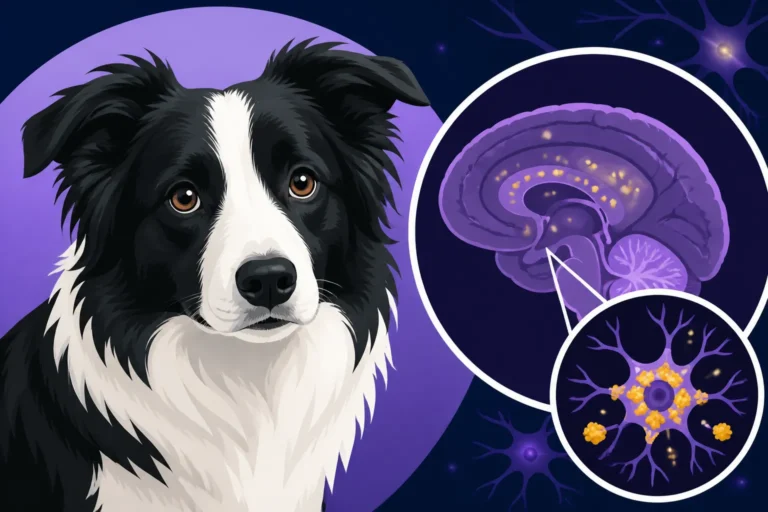
Neuronal Ceroid Lipofuscinosis, often just called CL, is a type of lysosomal storage disease. Think of lysosomes as the "recycling centers" within the cells of your dog's body. Their job is to break down waste products. In a Border Collie affected by CL, there's a genetic mutation that prevents these lysosomes from working correctly. Specifically, they can’t break down certain fatty-protein waste materials, which then start to accumulate inside the neurons – the brain and nerve cells.
This build-up of waste is toxic. As more and more of these waste products pile up, the neurons become damaged and eventually die. This progressive neurological degeneration is what causes the symptoms we see. It’s a relentless process, impacting brain function, coordination, and ultimately, a dog's cognitive and physical capabilities. It's not just a physical ailment; it affects their very essence, their ability to think, move, and interact with the world around them.
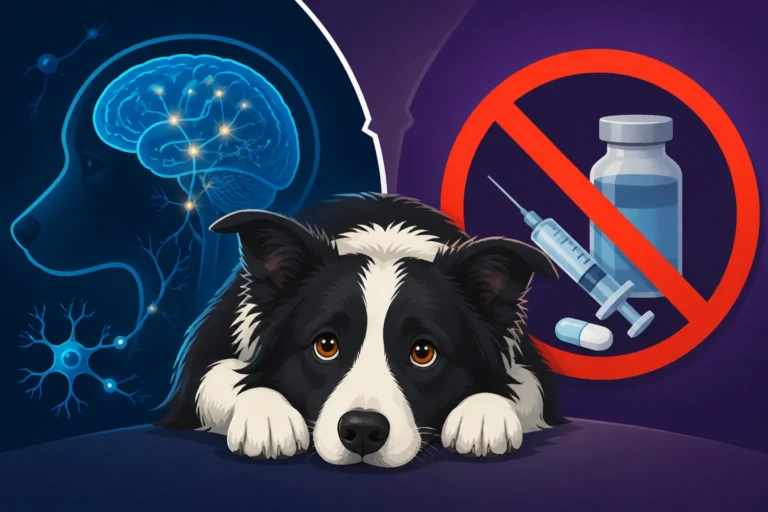
The disease is progressive, meaning it gets worse over time. There's currently no cure, and treatments focus primarily on supportive care to manage symptoms and maintain comfort for as long as possible. The prognosis for dogs diagnosed with CL is unfortunately very poor, and it significantly impacts their expected lifespan.
The Genetic Basis and Inheritance
CL in Border Collies is inherited in an autosomal recessive manner. This means a dog must inherit two copies of the defective gene—one from each parent—to be affected by the disease. If a dog inherits only one copy of the defective gene and one normal gene, they are considered a "carrier." Carriers themselves do not show symptoms of CL, but they can pass the defective gene on to their offspring.
This mode of inheritance highlights why genetic testing is so incredibly important for responsible breeders. If two carriers are bred together, there's a 25% chance with each puppy that it will be affected, a 50% chance it will be a carrier, and a 25% chance it will be clear (meaning it has two normal copies of the gene). Knowing the genetic status of breeding dogs is the only way to prevent producing affected puppies. You can learn more about the specifics of genetic screening in the article, "Which DNA Tests a Border Collie Breeder Should Have Run".
Without proper genetic testing, breeders can unknowingly continue to pass on the CL gene, perpetuating the heartache for future puppy owners. It's a stark reminder that even seemingly healthy dogs can carry hidden genetic risks. Understanding this genetic foundation is the first step in both preventing the disease and understanding its implications when a diagnosis is made.
When CL Symptoms Typically Begin and Progress
One of the most insidious aspects of Neuronal Ceroid Lipofuscinosis is that it doesn't usually show up in tiny puppies. Instead, it typically emerges during a Border Collie's vibrant young adulthood, a time when they should be at their peak of energy and intelligence. This makes the onset particularly heartbreaking, as owners witness their dog's personality and abilities slowly ebb away.
The Initial Onset: Subtle Changes in Young Adulthood
Most commonly, the initial, subtle symptoms of CL in Border Collies begin to surface between 12 and 24 months of age. However, it’s not unheard of for symptoms to appear slightly earlier, around 8-10 months, or a bit later, up to three years old. This period is often a time of intense training and bonding for Border Collie owners, making any unusual changes all the more noticeable and distressing.
Early signs can be incredibly easy to dismiss or mistake for other things, like a temporary clumsiness, a "stubborn streak," or even just an awkward adolescent phase. You might notice your typically agile Border Collie starting to stumble occasionally, perhaps misjudging distances when jumping, or having difficulty navigating familiar spaces in dim light. Their coordination might seem just a little "off." Behaviors can also shift; a dog that was once confident might become unusually anxious or fearful, or conversely, a bit more aggressive or disoriented in certain situations. They might seem to forget commands they once knew perfectly or have trouble focusing. These subtle shifts can be baffling and frustrating for owners who know their dog's true potential.
For many, these early indicators are so mild that they don’t immediately scream "neurological disease." Instead, they might be attributed to growth spurts, a temporary off day, or even a behavioral quirk. It’s only in retrospect, as the symptoms worsen, that these early signs become clear as the beginning of a devastating journey.
Progressive Neurological Decline
Once symptoms start, CL is relentlessly progressive. This means the disease doesn’t just plateau; it continues to worsen over time as more and more brain cells are affected. The subtle clumsiness evolves into overt ataxia, a severe lack of coordination that makes walking, running, and even standing difficult. You might observe a distinctive wobbling gait, as if your dog is constantly off-balance.
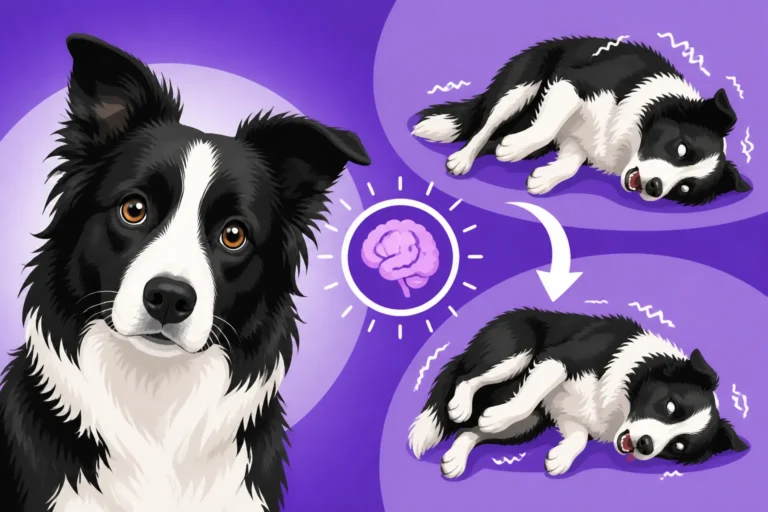
As the condition progresses, dogs often experience significant cognitive decline. They may become disoriented in familiar surroundings, struggle with housetraining, or lose their recognition of family members. Seizures are also a common and distressing symptom in the later stages of CL, adding another layer of challenge to an already difficult situation. While not directly related to CL, it's worth noting that epilepsy in Border Collies, which can also cause seizures, typically manifests between one and five years of age, making differential diagnosis important. You can read more about seizure onset in "The Age a Border Collie's First Seizure Arrives".
Vision impairment is another hallmark of CL, progressing to blindness in many cases. The dog's ability to navigate their world safely becomes severely compromised, requiring significant adjustments in their environment. Sadly, due to the nature of the cellular accumulation and damage, there is currently no treatment to stop or reverse the progression of CL. This makes managing the symptoms and ensuring the dog's comfort paramount. The article "Why Neuronal Ceroid Lipofuscinosis Has No Treatment" delves deeper into the challenges of treating this condition.
Here's a general timeline of how symptoms might progress, though individual cases can vary:
| Age Range | Typical Symptoms | Severity |
|---|---|---|
| 8-12 Months | Very subtle behavioral changes, slight clumsiness, reduced coordination (often missed) | Mild, intermittent |
| 12-24 Months | Increased ataxia (wobbly gait), visual deficits, mild cognitive changes, disorientation | Moderate, becoming constant |
| 24-36 Months | Severe ataxia, significant vision loss/blindness, noticeable cognitive decline, seizures | Severe, debilitating |
| 36 Months+ | Profound neurological impairment, loss of motor control, severe seizures, inability to function independently | End-stage |
This table serves as a general guide. It’s a sobering reality, but understanding this progression is vital for owners and vets to provide the best possible palliative care and make informed decisions about quality of life.
Recognizing and Diagnosing CL
Facing a situation where your beloved Border Collie is showing worrying symptoms, and you suspect a neurological issue, is incredibly stressful. The key to managing this challenge, and potentially ruling out other conditions, lies in vigilant observation and a thorough diagnostic process with your veterinarian.
Identifying Early Warning Signs
Because CL symptoms can be so subtle initially, being attuned to your Border Collie's normal behavior is crucial. Beyond the general clumsiness or altered gait, look for more specific changes. For instance, do they bump into furniture or doorways they used to navigate easily, particularly in low light? Are they hesitant to go down stairs or jump onto the sofa? These could be signs of vision impairment or proprioceptive deficits, where they're not fully aware of their body's position in space.
Behavioral shifts are also significant. A dog that was once calm and focused might become unusually restless, pacing, or seemingly disoriented. They might show uncharacteristic fear or aggression towards people or objects, or struggle with tasks that once came naturally, such as finding their favorite toy or even their food bowl. In some cases, a dog might develop repetitive behaviors or seem to "stare off into space." While these can also be indicative of other issues like cognitive dysfunction, which is typically seen in older dogs as discussed in "Canine Cognitive Dysfunction in an Old Border Collie", when they appear in a young adult Border Collie, they warrant immediate investigation. Any of these signs, especially when combined, should prompt a visit to your vet.
It’s important to remember that Border Collies are incredibly intelligent and stoic. They often try to compensate for their deficits, which can make early diagnosis even harder. Keeping a journal of any unusual observations—when they occur, what they look like, and how long they last—can be invaluable information for your vet. This detailed record helps to paint a clearer picture of what your dog is experiencing.
The Diagnostic Process
When you bring your Border Collie to the vet with suspected neurological symptoms, the diagnostic process will typically involve several steps. Initially, your vet will perform a comprehensive physical and neurological examination. This helps to pinpoint the areas of the nervous system that might be affected and rule out more common ailments or injuries. They'll assess gait, reflexes, vision, and cognitive responses.
Since many neurological conditions can present similarly, your vet will likely want to rule out other possibilities first. This might involve blood tests to check for metabolic issues, infections, or toxins. Imaging, such as an MRI of the brain, could be recommended to look for structural abnormalities, tumors, or inflammation. However, for CL, these tests often come back normal in the early stages, making diagnosis frustratingly difficult without specific genetic testing.
The definitive diagnosis for Neuronal Ceroid Lipofuscinosis relies on genetic testing. A simple cheek swab or blood sample can be sent to a specialized lab to check for the specific mutation responsible for CL in Border Collies. This test can identify if your dog is clear, a carrier, or affected. This genetic panel is a critical tool, not just for diagnosing CL, but for screening against a range of other inherited diseases specific to the breed. The article "The Border Collie Genetic Panel and What It Screens" offers a comprehensive look at what these panels cover, and "What a Full Border Collie DNA Panel Covers" provides even more detail. Getting these results can provide clarity, albeit often devastating news.
Living with a CL-Affected Border Collie and Support
Receiving a diagnosis of Neuronal Ceroid Lipofuscinosis for your Border Collie is an incredibly difficult and emotional moment. The realization that there's no cure and that the disease will progressively worsen can feel overwhelming. However, focusing on providing comfort, maintaining their quality of life for as long as possible, and supporting them through their journey becomes the new, vital mission.
Managing Symptoms and Providing Care
Since there's no cure for CL, care becomes focused on managing the symptoms and ensuring your dog's comfort and safety. This often means making significant adjustments to their living environment. For a dog struggling with ataxia and vision loss, creating a padded, obstacle-free space can prevent injuries from falls or collisions. Ramps can replace stairs, and soft bedding can cushion their resting areas. Keeping familiar routines and minimizing changes to their environment can help reduce anxiety and disorientation.
Medications might be prescribed to manage specific secondary symptoms, such as anti-seizure drugs if your Border Collie develops epilepsy as part of the disease progression. Pain management might also become necessary as their mobility declines and they experience discomfort. However, these medications only address the symptoms, not the underlying cause of CL. The emotional toll this takes on owners is immense, as you essentially become a full-time caregiver for a dog whose health is in constant decline.
It's also important to consider the financial implications of long-term supportive care, medications, and frequent vet visits. This is where a robust pet insurance policy can be a true lifeline. Companies like Healthy Paws offer comprehensive coverage that can help offset the costs of diagnostics, specialist consultations, medications, and ongoing palliative care. While no insurance can alleviate the emotional pain, knowing you have financial support can ease one significant burden and allow you to focus purely on your dog's well-being. Regular check-ups, as outlined in "Yearly Bloodwork for a Border Collie," are also crucial for monitoring overall health and adjusting care as needed.
The Importance of Breeder Responsibility and Genetic Testing
The heartbreak of CL is entirely preventable through responsible breeding practices. The existence of genetic tests for CL means that affected puppies should never be born. Every Border Collie used for breeding should be genetically tested for CL, along with other breed-specific conditions. Breeders should be transparent about their dogs' genetic status, providing documentation for "clear" and "carrier" results. A carrier dog can still be safely bred, but only to a clear mate, ensuring no affected puppies are produced. The article "Carriers, Affected and Clear on a Border Collie Panel" provides an excellent breakdown of these statuses.
If you are considering getting a Border Collie puppy, it is absolutely paramount to ask breeders for copies of their breeding dogs' genetic test results. Don't be shy about it; a reputable breeder will be proud to share this information. If a breeder is unwilling or unable to provide these results, it should be a major red flag. This practice of transparent genetic testing is the cornerstone of eradicating preventable genetic diseases like CL from the breed. Further guidance on this can be found in "Asking a Border Collie Breeder for Test Results."
Supporting breeders who prioritize health testing helps ensure that future generations of Border Collies can live long, healthy lives, free from the suffering caused by diseases like CL. It's a collective responsibility – from breeders to prospective owners – to make informed choices that protect the health and longevity of this incredible breed.
Disclaimer
The information provided in this article is intended for general informational purposes only and does not constitute veterinary advice. Always consult with a qualified veterinarian for any health concerns or before making any decisions about your Border Collie's medical care.