The Old Border Collie That Still Wants to Gather
It's heartbreaking to watch your once tireless Border Collie, a dog whose entire existence revolved around work and motion, begin to slow down. You see their body age, their joints stiffen, but in their eyes, that spark, that unyielding desire to gather, is still burning bright. This guide is for those of us navigating the bittersweet journey of an old Border Collie who still wants to work, offering insights into how to honor their spirit while safeguarding their comfort and well-being.
Understanding the Enduring Drive of the Senior Border Collie
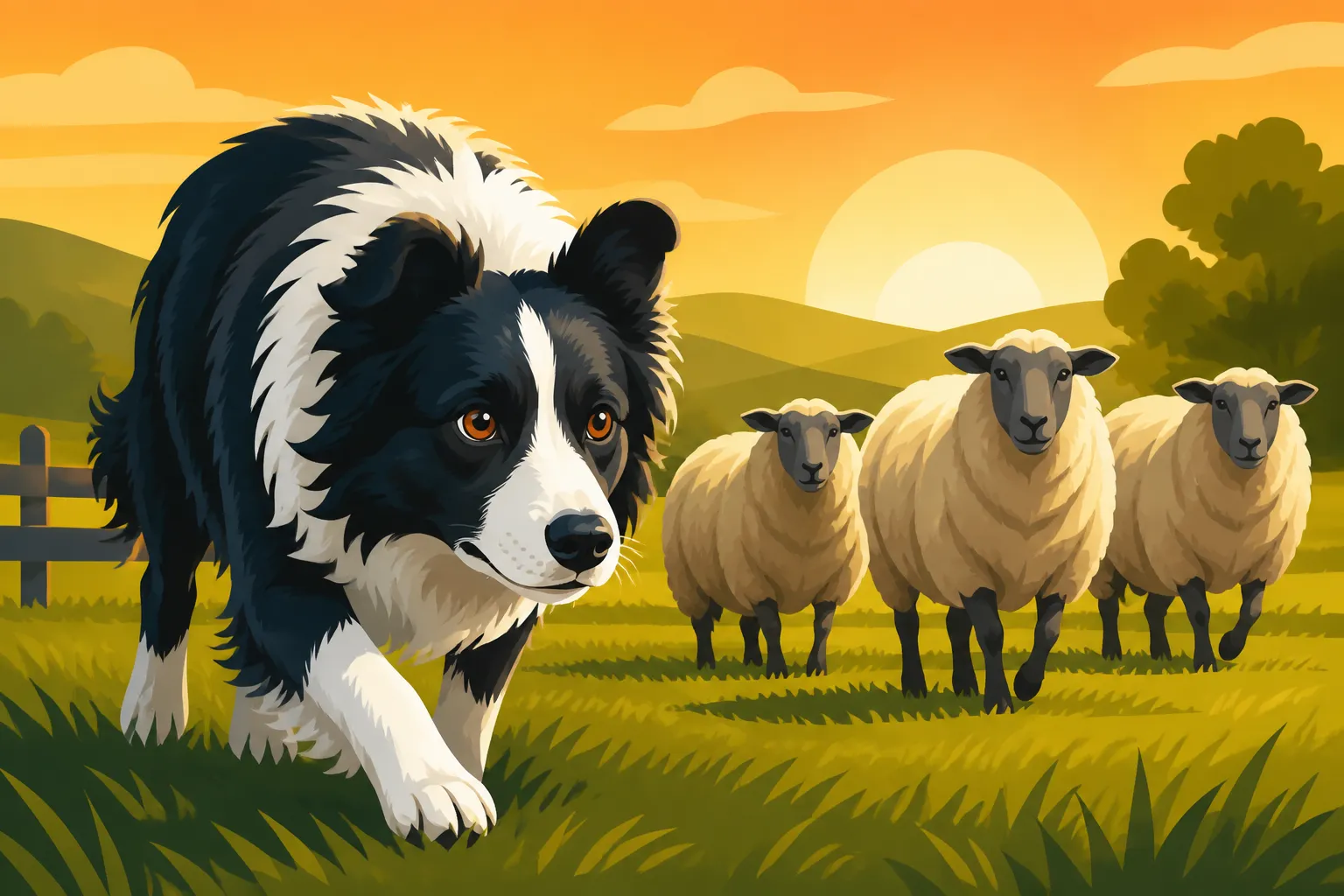
The Border Collie isn't just a dog; it's a finely tuned athlete and a brilliant mind, bred over centuries to herd sheep. This isn't just a hobby for them; it's a fundamental part of their identity. When they age, while their physical capabilities inevitably decline, that deeply ingrained drive often remains astonishingly powerful, creating a unique challenge for owners.
Why the Instinct Remains Strong
That intense instinct to gather, to control movement, isn't something that simply fades with gray hairs. It's hardwired into their very being, a primal urge that dictates their perception of the world. For many Border Collies, the act of "working" – whether it's sheep, a ball, or even family members – provides purpose and mental satisfaction. This isn't just about physical energy; it's about fulfilling a deep psychological need. They thrive on the mental engagement, the problem-solving, and the sense of accomplishment that comes from executing commands and managing a "flock." It’s why you might still see your older dog attempting to gather the family into one room or patiently stalk the vacuum with that characteristic intensity, even if their movements are slower and their jumps less springy. This persistent drive means that simply stopping all activity can often lead to frustration, anxiety, or even behavioral issues, rather than contentment.
Recognizing the Signs of Age vs. Declining Interest
It’s crucial to differentiate between genuine physical limitations and a dog who might simply be choosing to conserve energy, or, conversely, a dog whose interest is still there but their body is failing them. A truly uninterested Border Collie might ignore their sheep, walk away from the arena, or seem bored by their favorite ball. However, a senior Border Collie with an enduring drive will still light up at the sight of their working gear or the sound of the stock. The challenge is that they might want to do it all, but their body can't keep up. Look for tell-tale signs: a subtle limp after a session, difficulty getting up, a slower gait, less enthusiastic sprints, or perhaps a lack of stamina that cuts their working time short. They might still drop into that iconic crouch, but the spring out of it isn't quite the same. Being able to spot these physical clues is vital, as pushing them too hard can exacerbate existing conditions and lead to pain, rather than fulfillment. You might notice they're stiff getting out of bed, or that they aren't turning as sharply on the field, which could be a sign of developing issues like Osteoarthritis in a Border Collie by Eight.
Adapting Work and Exercise for the Aging Herder
Just because your Border Collie can't run the open field for hours anymore doesn't mean their working life is over. It simply means it's time for adaptation, a shift from high-impact, long-duration tasks to smarter, kinder forms of engagement.
Modifying Herding Tasks and Environments
The key here is quality over quantity, and safety above all. If your Border Collie still has access to stock, consider modifying the tasks to be less physically demanding. Smaller, enclosed pens, or a round pen, can allow them to work sheep without covering vast distances at high speeds. Using calmer, more cooperative sheep can also reduce the need for quick turns and intense bursts of speed. Think about having fewer sheep, perhaps just one or two, to minimize the chaos and exertion. Short bursts of focused work, maybe 10-15 minutes at a time, followed by ample rest, can be far more beneficial than pushing for longer sessions that leave them exhausted or sore. Consider working in the cooler parts of the day during summer months, as older dogs can be more susceptible to overheating. For those without access to livestock, "big-ball herding" games with large exercise balls can provide a similar mental outlet without the physical strain of actual sheep. This allows them to use their eye and strategic thinking in a controlled, safer manner.
Prioritizing Mental Stimulation Over Physical Exertion
This is where the Border Collie’s legendary intelligence truly shines in their senior years. While their body might be slowing down, their mind is often still as sharp as ever. Instead of intense physical exercise, lean heavily into mental enrichment activities. Scent work, such as nose work games where they have to find hidden treats or articles, is fantastic because it's low-impact but incredibly engaging. Puzzle feeders, especially those that can be reconfigured or made more challenging, can keep their brains buzzing. You might be surprised at how much mental energy a sophisticated puzzle feeder can consume, far more than a simple walk. Trick training can also be adapted; teach new, low-impact tricks that involve problem-solving or precise movements, like weaving through your legs at a walk, rather than jumping. Even practicing their foundational obedience commands like "stay," "down," and their various directional cues at a relaxed pace can provide significant mental satisfaction and reinforce their bond with you. Think about "teaching a Border Collie the names of its toys" as an example of an activity that is pure mental exercise.
The Importance of Structured Rest and Recovery
Older dogs, much like older people, require more downtime and dedicated rest. This isn't just about letting them nap on the couch; it's about actively managing their recovery, especially after any physical activity. Establish a routine that includes clear periods of rest. This might mean having them settle on a comfortable mat or in their crate after a short walk or mental game. Providing orthopedic beds is non-negotiable for older Border Collies, as these offer superior support for aching joints. If you have a multi-dog household, ensure your senior dog has a quiet, undisturbed space where they can truly relax without being pestered by younger, more energetic companions. Learning to tell when a senior Border Collie is simply tired versus genuinely sore is crucial. If they are showing signs of discomfort or stiffness, extend their rest periods and consider gentle stretching or massage. Remember, their enthusiasm to keep working past its limit might still be there, but it's your job to be their advocate for rest.
Supporting Your Senior Border Collie's Physical Health
As our Border Collies age, their physical needs become more complex. Proactive management of common age-related issues is paramount to ensuring their comfort and quality of life.
Managing Aches, Pains, and Mobility Issues
Arthritis and other degenerative joint diseases are incredibly common in senior Border Collies, especially those who have lived active lives. Hip Dysplasia in a Border Collie That Runs All Day and elbow dysplasia can worsen with age, causing significant pain. Don't assume stiffness is "just old age"; often, there are effective ways to manage their discomfort. This can include non-steroidal anti-inflammatory drugs (NSAIDs) prescribed by your vet, joint supplements containing glucosamine, chondroitin, and MSM, or even newer therapies like Librela (monoclonal antibody therapy) or Adequan injections. Physical therapy, hydrotherapy, or even regular massage can significantly improve their mobility and reduce pain. Consult with your veterinarian at the first sign of discomfort; they can help develop a pain management plan tailored to your dog. Early intervention can make a huge difference in their comfort levels. Consider discussing these options during your The Annual Exam a Border Collie Needs.
Nutritional Adjustments for the Less Active, Older Dog
As activity levels naturally decrease, a senior Border Collie’s caloric needs often do too. Continuing to feed them the same high-performance diet they ate in their prime can quickly lead to unwanted weight gain, which places additional stress on their joints and other organs. Transitioning to a high-quality senior dog food, which is typically lower in calories but still rich in essential nutrients and often includes joint-supporting ingredients like omega-3 fatty acids, is often beneficial.
Here's a quick comparison of nutritional considerations:
| Feature | Working Adult Border Collie | Senior Border Collie |
|---|---|---|
| Caloric Intake | High, to support intense activity (e.g., Feeding a Border Collie That Works Two Hours a Day) | Moderate to lower, to prevent weight gain |
| Protein | High, for muscle maintenance and repair | Moderate to high, for muscle mass preservation |
| Fat | Moderate to high, for sustained energy | Moderate to lower, to reduce calorie density |
| Fiber | Moderate | Higher, to aid digestion and promote satiety |
| Supplements | Often not critical if on a balanced performance diet | Often beneficial: glucosamine, chondroitin, omega-3 fatty acids for joint and cognitive health |
| Feeding Style | Often fed once or twice daily, potentially before/after work | Twice daily or more, smaller meals for easier digestion |
Always monitor their body condition closely. You should still be able to feel their ribs easily without seeing them protruding. If your dog is on certain medications, like those for epilepsy, you might find that they increase appetite, requiring even more careful dietary management. Some dogs might also develop dental issues, making softer foods or wet food toppers more comfortable to eat, avoiding issues like Soft Food for a Border Collie With Worn Teeth.
Regular Vet Check-ups and Proactive Care
Regular veterinary check-ups become even more critical as your Border Collie ages. Annual or even bi-annual visits allow your vet to catch potential health issues early, which is vital for conditions like kidney disease, thyroid imbalances, or even cancer. Comprehensive blood work can reveal underlying problems long before clinical signs become obvious. Discuss any changes you’ve noticed – subtle lameness, changes in appetite or thirst, cognitive changes like disorientation, or even The Age a Border Collie Starts to Slow – no matter how minor they seem. Proactive care is the best care. Don't wait for a problem to become severe. Investing in pet insurance early in your dog's life can be a huge help here; reputable providers like Healthy Paws can ease the financial burden of senior care, covering everything from regular check-ups to specialized treatments as issues arise. This allows you to make decisions based on your dog's needs, not just your wallet. When your vet recommends a course of action, having the financial support means less stress for you and better care for your beloved companion.
Navigating Emotional Aspects for Owner and Dog
The transition to senior life is not just physical; it's deeply emotional for both you and your Border Collie. It requires patience, understanding, and a willingness to adapt your shared life.
The Grieving Process for a Working Dog's Retirement
It’s completely normal to feel a sense of grief or loss when your highly driven Border Collie is no longer capable of the work they once excelled at. You're not just losing the physical prowess of your dog; you're losing a part of the identity you both shared, especially if you worked them in trials or on a farm. This is a common and valid emotion. Many owners find it challenging to accept the slowing down, the less enthusiastic runs, or the inability to perform complex maneuvers. This period can feel like a significant change in your relationship with your dog. Acknowledging this emotional journey, both for yourself and for your dog, is the first step. For a dog that lived for work, What Ends a Border Collie's Working Life isn't just about physical limitations, but also about the psychological shift.
Maintaining Purpose and Connection in Their Golden Years
The most profound way to support your old Border Collie is to ensure they still feel valued, engaged, and purposeful, even if that purpose has shifted. Continue to involve them in your daily life as much as possible. Talk to them, engage their minds with gentle games, and offer plenty of affection. Short, easy walks where they can still sniff and explore are wonderful for mental enrichment and gentle exercise. Find new ways to connect that don't rely on their physical peak, such as extended grooming sessions (which can also double as a health check), or simply quiet time together. For dogs that once thrived on complex tasks, consider introducing them to less strenuous activities that still tap into their Border Collie brains, like scent detection games or even just learning a new, simple trick. The goal is to keep that brilliant mind active and feeling useful. This continued engagement helps ward off Canine Cognitive Dysfunction in an Old Border Collie and ensures they remain a vibrant, contributing member of your family. Remember, their heart to gather is still there, and finding outlets for that spirit, even if it's just gathering all their toys into a basket, can make all the difference in their golden years. Maintaining their routine and providing a predictable environment can also provide immense comfort and security to an aging dog. Even if you've decided on Retiring a Border Collie From Stock Work, their spirit doesn't need to retire.
Disclaimer
Always consult with a qualified veterinarian for any health concerns or before making any significant changes to your Border Collie's diet, exercise, or medical routine. This information is for general guidance and educational purposes only.