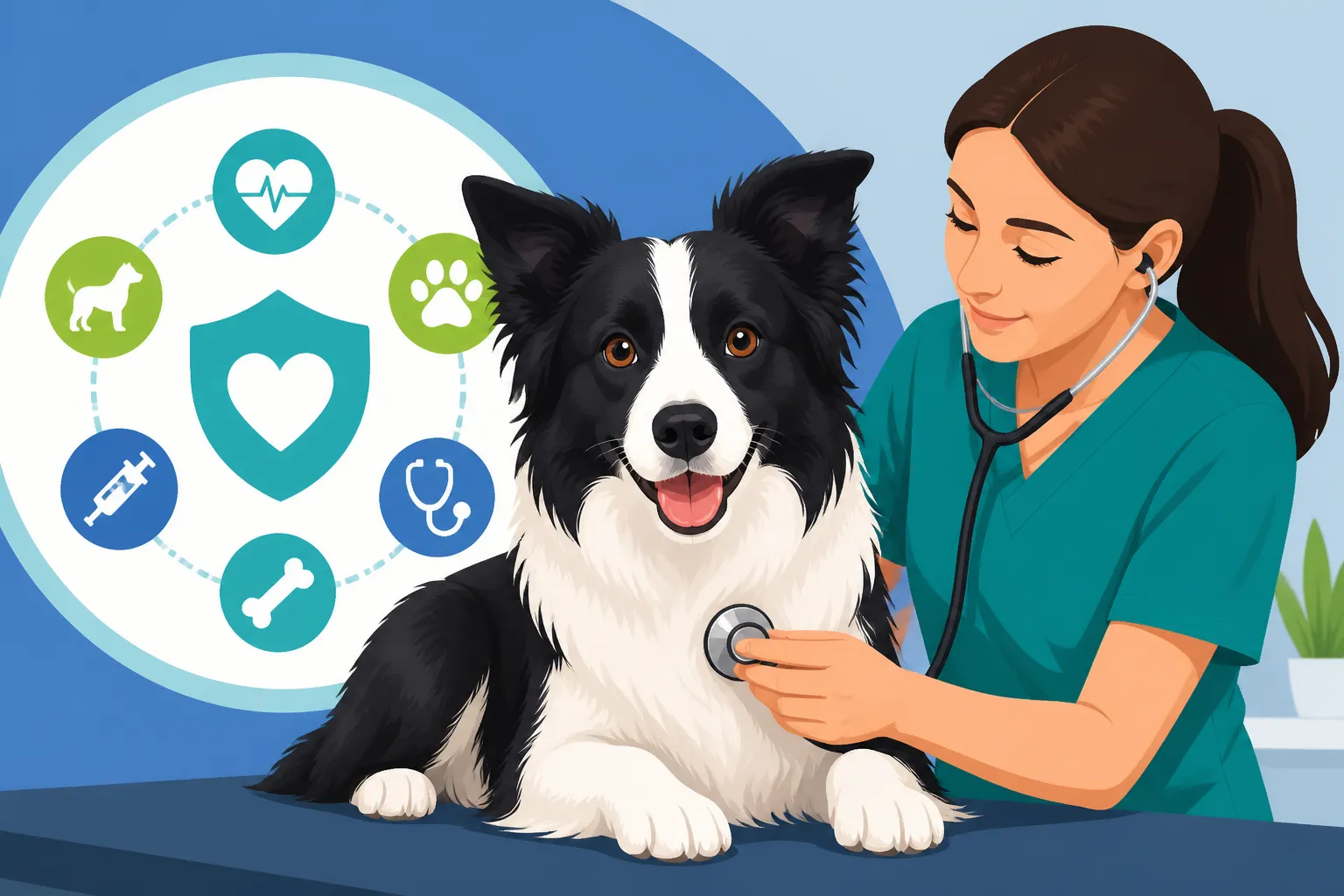
The Annual Exam a Border Collie Needs
For many Border Collie owners, that yearly trip to the vet can feel a bit like a rushed pit stop, focused mainly on getting those essential vaccinations updated. But honestly, a Border Collie's annual exam is so much more than a quick jab; it's a crucial cornerstone of their long-term health, especially for these high-energy, intelligent dogs who often mask subtle health issues until they're significant. This guide will walk you through what a truly comprehensive annual vet visit for your Border Collie should entail, why it's so vital, and how you can prepare to make the most of it.
What Happens During a Standard Annual Exam
A well-executed annual exam isn't just about the veterinarian listening to your dog's heart. It's a holistic assessment designed to catch potential problems early, monitor ongoing conditions, and ensure your Border Collie is thriving from nose to tail. Think of it as their yearly physical, but with a lot more sniffing and tail wags.
The Head-to-Tail Physical Assessment
This is where the vet really gets hands-on. They'll start by observing your Border Collie's overall demeanor, gait, and body condition. Is their weight appropriate for their frame? Are they moving freely or showing any stiffness? These initial observations are critical, especially for a breed known for its athleticism and tendency to hide discomfort.
Next, they'll systematically check everything. Their eyes will be examined for clarity, any signs of discharge, redness, or abnormalities like Collie Eye Anomaly in a Border Collie Puppy. Ears will be checked for wax buildup, mites, or infection, particularly important for those with floppy ears that can trap moisture. The mouth and teeth are often a major focus, as dental disease is incredibly common and can lead to more serious health issues if left untreated. They'll check gums, look for tartar, and any broken or worn teeth, which can be common in dogs that chew hard or carry things excessively. Your vet will palpate lymph nodes, abdominal organs, and check joint mobility in all four limbs, feeling for any heat, swelling, or pain that might indicate early arthritis or an injury, like Hip Dysplasia in a Border Collie That Runs All Day or Shoulder Injuries in an Agility Border Collie. They'll also run their hands over the entire coat and skin, looking for lumps, bumps, parasites, or any signs of skin irritation, which a thick Border Collie coat can sometimes conceal.
Core Vaccinations and Parasite Prevention
While the physical exam is thorough, vaccinations and parasite control remain a cornerstone of the annual visit. These are proactive measures that protect your Border Collie from common, and often serious, diseases. Your vet will discuss which vaccines are appropriate based on your dog's lifestyle and local risks. For instance, a Border Collie that attends dog sports, visits dog parks, or lives on a farm with livestock might need different coverage than one who primarily stays home.
Beyond the core vaccines like rabies and distemper/parvo, there are often lifestyle vaccines for things like leptospirosis, Lyme disease, and kennel cough. It’s also the perfect time to ensure your heartworm, flea, and tick prevention are up-to-date. Many vets will require a yearly heartworm test before prescribing medication, even if your dog has been consistently on preventative. This small step can save you a world of heartache and expense if your dog does contract heartworm. It's an opportunity to review the best products for your situation, whether that's a chewable from Chewy or a specific topical treatment your vet recommends.
Why Annual Exams Are Even More Critical for Border Collies
Border Collies are unique dogs. Their incredible drive, stoicism, and genetic predispositions mean that an annual exam isn't just a routine; it's a vital, proactive investment in their well-being. They're often so focused on their work or play that they can be masters at hiding discomfort until a condition is quite advanced.
Detecting Subtle Changes in a High-Drive Breed
One of the biggest challenges with Border Collies is their incredible work ethic and tolerance for pain. A dog that lives to herd, run agility, or retrieve a ball might push through discomfort that another breed would openly complain about. This means that a subtle limp, a slight decrease in enthusiasm, or a small shift in gait might go unnoticed by even the most attentive owner during the daily grind.
A skilled veterinarian, however, trained to observe these nuances, can often spot these early indicators during their hands-on examination. They might notice reduced range of motion in a joint, a wince when a certain area is palpated, or muscle asymmetry that suggests compensation for an injury. Catching these small signs early – perhaps an incipient Cruciate Tears in a Border Collie or the start of Osteoarthritis in a Border Collie by Eight – can mean the difference between minor intervention and major surgery down the line, potentially saving your Border Collie from prolonged pain and keeping them active longer.
Addressing Breed-Specific Health Concerns
Border Collies, like many purebreds, have certain health predispositions that make annual check-ups even more important. Conditions like epilepsy, certain eye diseases, and joint issues are unfortunately more prevalent in the breed. While genetic testing for parents helps mitigate some risks, individual dogs can still develop these problems. Your annual exam is the best time to discuss any concerns you might have, even if they seem minor.
For example, a Border Collie might have its first seizure between one and five years old. An owner might wonder, Whether One Seizure Means a Border Collie Has Epilepsy. Discussing any strange episodes, even brief ones, with your vet can lead to early diagnosis and management. Similarly, if you notice any changes in your dog's vision or coordination, the vet can perform initial checks and recommend specialist referrals if needed, potentially catching issues like Progressive Retinal Atrophy in an Older Border Collie early. Being open about any changes you've observed, even if you think they're "just age," is invaluable.
Monitoring for Weight Management and Diet Needs
Border Collies are lean, athletic machines, and maintaining their ideal body condition is crucial for their joint health and overall longevity. It's a common misconception that because they're so active, they can eat anything and won't gain weight. However, even a few extra pounds can put significant strain on their joints, especially as they age, and can reduce their performance and comfort.
During the annual exam, your vet will assess your Border Collie's body condition score, which is a more objective measure than just looking at their weight on the scale. They'll feel for ribs, check for a waist, and ensure there's a good abdominal tuck. If your dog is carrying too much weight, or even if they're too thin, your vet can offer advice on diet adjustments, portion control, and appropriate exercise levels. This is also a great opportunity to discuss any new dietary trends or specific nutritional needs, such as feeding a performance diet for a working dog, or considering a tailored meal plan from services like Ollie, to ensure they're getting the right balance of nutrients.
Beyond the Physical: Addressing Behavioral and Lifestyle Changes
A Border Collie's well-being isn't just about their physical health; their mental and emotional state are equally important. These highly intelligent and sensitive dogs can experience stress, anxiety, or compulsive behaviors that can significantly impact their quality of life. The annual exam is a critical time to discuss these aspects, as behavioral changes can sometimes be a symptom of an underlying physical problem, or simply a sign that their demanding needs aren't being fully met.
Discussing Behavioral Shifts and Mental Well-being
Have you noticed your usually calm Border Collie suddenly barking excessively at sounds they used to ignore? Is your dog struggling more with being left alone, or showing new anxieties around strangers or other dogs? These kinds of behavioral shifts are not just "bad habits"; they can be indicators of pain, cognitive decline, or increased stress. For a breed that thrives on routine and mental engagement, even subtle changes can point to bigger issues.
Your vet can help you decipher if a new behavior, like sudden noise sensitivity or an increase in shadow chasing, might have a medical root. For instance, some types of pain can manifest as irritability or reluctance to be touched. Similarly, early Canine Cognitive Dysfunction in an Old Border Collie can present as confusion or changes in sleep patterns. Discussing these openly allows your vet to rule out physical causes and then, if necessary, refer you to a qualified behaviorist or discuss management strategies, including environmental enrichment or even medication for severe anxiety.
Adapting to Life Stages: Puppyhood to Seniority
A Border Collie's needs change dramatically throughout their life, and the annual exam is the perfect checkpoint to ensure their care plan is evolving with them. From the boundless energy of a puppy to the slowing pace of a senior, each stage brings its own considerations.
For puppies, the focus is often on proper growth, socialization, and preventing developmental issues. The vet might discuss appropriate exercise levels to protect Stairs and a Growing Border Collie Puppy's developing joints and ensure they're on the right track for a healthy start. As Border Collies move into their prime working years, discussions might shift to optimizing performance, managing sport injuries like Iliopsoas Strain in a Border Collie, and maintaining peak physical condition. And as they enter their senior years, perhaps around eight years old, the conversation naturally turns to proactive management of age-related conditions. This includes looking for signs of arthritis, monitoring organ function through Yearly Bloodwork for a Border Collie, and discussing supplements like those found on Chewy or even prescription diets to support their aging bodies. Regular check-ups help ensure a smooth transition through these stages, allowing your Border Collie to enjoy a long, healthy, and fulfilling life.
Preparing for Your Border Collie's Vet Visit
Making the most of your Border Collie's annual exam starts long before you ever step foot in the clinic. A little preparation can ensure you cover all your bases and get the most value out of your time with the vet. After all, you know your dog best, and your observations are invaluable.
Keeping a Health Journal
Before your appointment, take some time to reflect on the past year. What changes have you noticed? A health journal, even a simple notebook or a note on your phone, can be incredibly helpful. Jot down anything that seems out of the ordinary: changes in appetite or water consumption, new lumps or bumps, variations in energy levels, any new limping or stiffness, changes in urination or bowel movements, or shifts in behavior.
For example, if your Border Collie has had episodes of collapse, note What a Border Collie Collapse Episode Looks Like and how long it takes for them to recover. If they’ve been more sensitive to loud noises, write down when and how they react. These details, even if they seem minor to you, can provide critical clues to your veterinarian. Don't be afraid to list every little thing; it's better to have too much information than not enough when it comes to your dog's health.
Gathering Questions and Concerns
It's easy to get sidetracked or forget important questions once you're in the exam room. Before your visit, make a list of everything you want to discuss. This might include questions about specific health concerns, diet recommendations, appropriate exercise for their age, or even preventative care strategies like Tick Cover for a Border Collie Working in Cover.
Consider any changes in your own lifestyle that might affect your dog. Are you planning to travel more? Has a new pet or family member joined the household? These factors can influence your Border Collie’s stress levels or exposure to new environments. Having a list ensures you address all your concerns and leave the appointment feeling informed and confident in your Border Collie's care plan.
Understanding the Financial Aspect of Preventative Care
While discussing specific costs is beyond the scope here, it's realistic to acknowledge that responsible pet ownership comes with financial considerations. Annual exams are an investment in your Border Collie's future, and understanding how to manage these costs can bring peace of mind.
Many pet owners find pet insurance to be a valuable tool for managing unexpected veterinary expenses, particularly for a breed like the Border Collie that can be prone to certain health conditions and sport injuries. Companies like Healthy Paws offer policies that can help cover costs for accidents, illnesses, and sometimes even routine care add-ons. It's always a good idea to research different providers and plans to see what best fits your needs and budget. Additionally, some vet clinics offer wellness plans that bundle routine care services, potentially at a discounted rate. Proactive financial planning allows you to focus on your Border Collie's health without added stress when unexpected issues arise, ensuring they get the care they need, from routine check-ups to more extensive treatments.
Disclaimer
This article is for general informational purposes only and does not constitute professional advice. Laws, prices and regulations vary by location and change over time. Consult a qualified professional for guidance on your specific situation.