Feeding a Border Collie That Works Two Hours a Day
It's a fantastic feeling to have a Border Collie that thrives on work, whether they're rounding up sheep, flying over agility jumps, or running miles with you. But let's be honest, figuring out how to fuel that furry dynamo for two hours of intense daily activity is a whole different ballgame than feeding a couch potato. Many of us worry about keeping them performing at their best without burning out or putting on unwanted weight. This guide will walk you through the specifics of what, when, and how to feed your hardworking Border Collie to ensure they're always operating at peak condition, feeling great, and recovering effectively.
Understanding the Energy Demands of a Working Border Collie
When your Border Collie is working hard for two hours a day, they're not just burning calories; they're engaging their entire physiological system. This isn't just about a quick trot around the block; it's about sustained mental and physical output that demands specific nutritional support. Many owners underestimate the sheer scale of this energy expenditure, often leading to dogs that are either underfueled for their tasks or, ironically, gaining weight because their metabolism is out of whack.
The Calorie Burn of Intense Activity
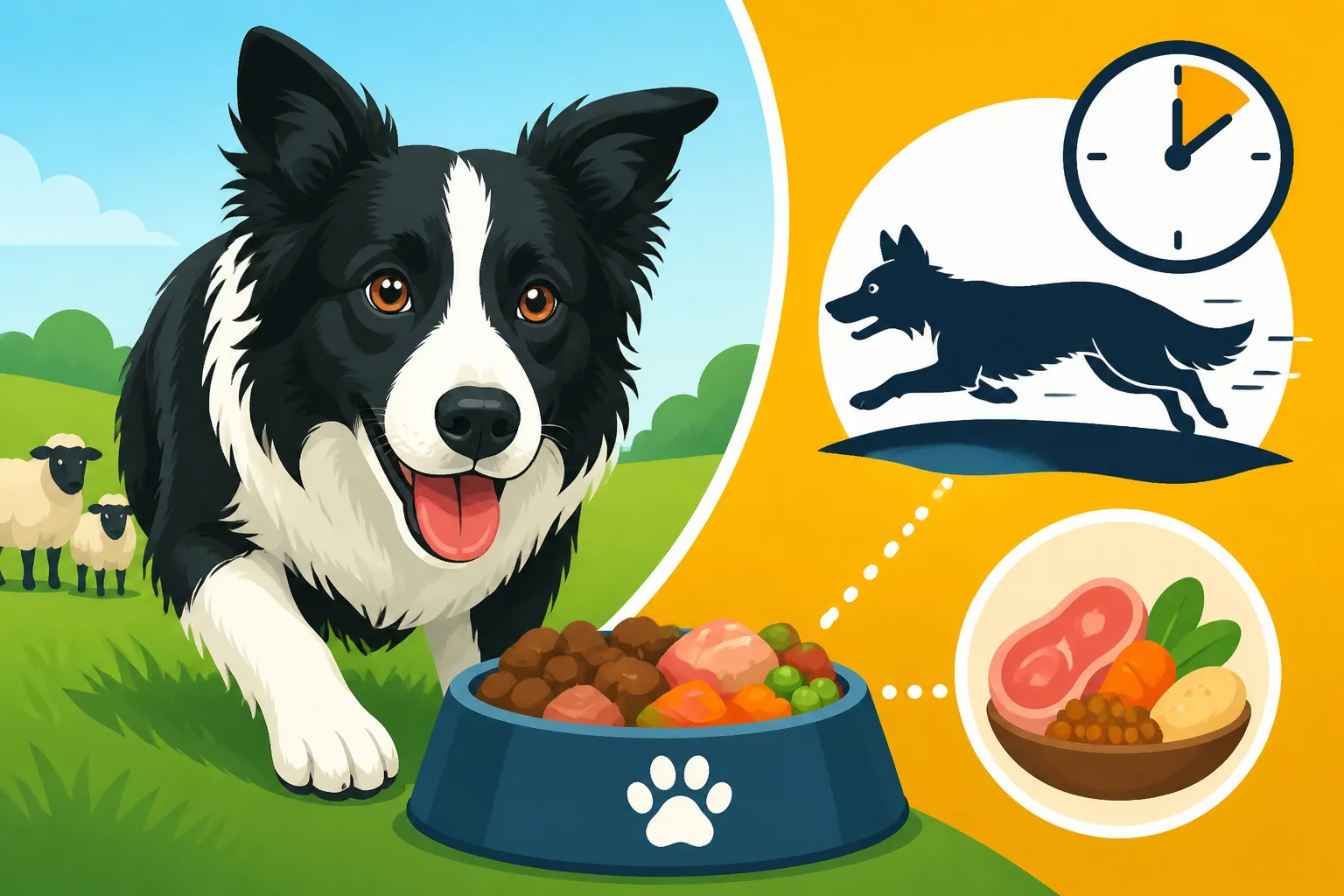
Imagine yourself running or doing high-intensity interval training for two hours straight – that's a rough equivalent for your Border Collie. Their body is constantly drawing on energy reserves, rebuilding muscle fibers, and processing nutrients at an accelerated rate. For instance, a Border Collie working sheep isn't just trotting; they're making quick bursts, sudden stops, tight turns, and running significant distances, often over varied terrain. An agility dog is launching, landing, twisting, and accelerating. Each movement is metabolically expensive.
Compared to a Border Collie that's primarily a pet with a couple of walks a day, a working dog might need anywhere from 50% to 100% more calories. It's not just the duration but the intensity and type of work. Herding, for example, combines bursts of speed with prolonged periods of mental focus, where the dog is constantly reading livestock and handler cues. This mental engagement, often overlooked, also burns a significant amount of energy. The sheer output requires a diet that can sustain such a demanding schedule without causing energy crashes or muscle depletion. Without adequate fuel, your dog won't just perform poorly; they'll also struggle with recovery, making them more prone to injury and fatigue.
Beyond the Two Hours: All-Day Metabolism
It's tempting to think that once the two hours of work are done, your Border Collie's energy needs revert to normal. But that's not quite how it works. A highly conditioned, working Border Collie maintains a higher metabolic rate even during periods of rest. Their bodies are incredibly efficient machines, but that efficiency comes at a caloric cost. Think of it like a high-performance sports car – even when idling, it uses more fuel than a compact sedan.
Their lean muscle mass plays a significant role here. Muscle tissue is metabolically active, meaning it burns more calories at rest than fat tissue. Since working Border Collies typically have a lower body fat percentage and higher muscle mass, their resting metabolic rate (RMR) is inherently higher. This means they are burning more calories just existing, even when they're snoozing on the rug after a hard day. Furthermore, their bodies are engaged in continuous repair and recovery processes long after the active work stops. This ongoing physiological demand means their daily caloric intake needs to account for this elevated baseline, not just the two hours of intense activity. If you're only factoring in the active hours, you might inadvertently be underfeeding them for their overall metabolic needs. This sustained demand is why understanding The Calorie Load a Working Border Collie Burns is so important.
Macronutrients for Peak Performance: Protein, Fat, and Carbs
Just like human athletes, Border Collies engaged in intense daily work require a precise balance of macronutrients. It’s not just about quantity, but quality. The right blend of proteins, fats, and carbohydrates will ensure sustained energy, optimal muscle recovery, and overall vitality, helping them maintain The Body Condition a Sport Border Collie Carries. Skimp on any one of these, and you'll quickly see a dip in performance and potentially long-term health issues.
The Crucial Role of Protein
Protein is absolutely non-negotiable for a working Border Collie. It's the building block for muscles, enzymes, hormones, and antibodies – essentially, everything that keeps their body functioning and recovering. When your dog works hard, microscopic tears occur in muscle fibers. High-quality protein provides the amino acids necessary to repair these tears and build stronger muscles, preventing fatigue and aiding recovery. Without sufficient protein, your Border Collie will struggle to maintain muscle mass, leading to weakness, reduced stamina, and a slower recovery time between work sessions.
Look for dog foods where protein sources are listed as the first few ingredients. Excellent sources include whole meats like chicken, beef, lamb, and fish, as well as meat meals (like chicken meal or lamb meal), which are concentrated forms of meat with most of the water removed. Aim for a dog food with at least 28-32% protein, or even higher for some very intense workers, but always balanced with other macronutrients. Ensure the protein is highly digestible to maximize absorption. This focus on protein is key to providing the Protein a Border Collie Needs to Hold Muscle.
Fueling with Healthy Fats
While protein builds and repairs, fat is the powerhouse, providing concentrated, long-lasting energy for endurance activities. For a Border Collie working two hours a day, fat is their primary and most efficient fuel source. It delivers more than twice the calories per gram compared to protein or carbohydrates, making it ideal for sustaining prolonged effort without having to eat excessively large volumes of food. Without enough healthy fats, your dog will quickly run out of steam, as their body won't have the reserves needed for sustained work.
Beyond just energy, fats, particularly Omega-3 and Omega-6 fatty acids, play a vital role in overall health. Omega-3s, found in sources like fish oil (salmon, sardine, anchovy), are crucial for reducing inflammation, supporting joint health, maintaining a healthy coat, and promoting cognitive function – all essential for a high-performance dog. Look for foods with a fat content ranging from 18-25% or even higher for extreme athletes. Good fat sources include chicken fat, beef fat, fish oil, and flaxseed. Avoid generic "animal fat" as it's less specific and potentially lower quality. Understanding the Fat Levels in a Working Border Collie's Food is paramount.
Carbohydrates for Quick Energy and Glycogen Stores
Carbohydrates often get a bad rap in some dog nutrition circles, but for a truly working Border Collie, they are a critical component, particularly when it comes to quick energy and replenishing glycogen stores. While fats provide sustained energy for endurance, carbohydrates offer readily available glucose, which is vital for high-intensity bursts of activity. Think of them as the quick-access fuel for those sudden sprints, pivots, or jumps. When your Border Collie is working intensely, their body uses glycogen (stored carbohydrates) in their muscles and liver.
After a grueling two-hour session, those glycogen stores will be significantly depleted. Providing complex carbohydrates helps to replenish these stores, aiding in recovery and ensuring they're ready for their next work session. Look for high-quality, complex carbohydrate sources like sweet potatoes, brown rice, oats, and barley. These provide sustained energy release rather than a sugar spike and crash. Avoid foods with excessive simple sugars or low-quality fillers like corn, wheat, or soy, as these offer little nutritional value and can lead to digestive upset or energy fluctuations. A balanced diet incorporates good quality carbs to support both immediate energy needs and long-term recovery.
Timing and Frequency: Optimizing Feeding Schedules
It's not enough to simply feed your Border Collie the right food; when and how often you feed them are just as crucial, especially with a demanding two-hour daily work schedule. Proper timing can prevent digestive upset, optimize nutrient absorption, and ensure your dog has sustained energy without feeling sluggish. Many owners overlook this aspect, inadvertently compromising their dog's performance and comfort.
Pre-Work Fueling Strategies
Feeding too close to a demanding work session can lead to discomfort, gastric upset, or even serious issues like bloat, especially if the dog is then asked to run, jump, and twist. The goal for a pre-work meal is to provide a small, easily digestible boost of energy without overloading the digestive system. A heavy meal redirects blood flow to the stomach, away from the muscles, which is the last thing you want right before intense activity.
Generally, it's best to feed your Border Collie their main meal at least 3-4 hours before any intense work. If a light snack is needed closer to work (say, 1-2 hours out), opt for something very small and easy to digest, like a few pieces of their regular kibble or a small piece of cooked lean meat. The exact timing might vary slightly depending on your dog's individual digestion, but the principle remains: keep it light and allow ample time for digestion before activity. This strategy is vital to avoid any issues during their working session.
Post-Work Recovery and Replenishment
The period immediately following intense exercise is often called the "anabolic window," a time when your dog's muscles are most receptive to nutrient uptake for repair and recovery. After two hours of hard work, your Border Collie's muscle glycogen stores are depleted, and muscle fibers need to be repaired. Capitalizing on this window can significantly improve recovery and reduce muscle soreness. However, you can't just shove food in front of them the second they stop running.
It's generally recommended to wait at least 30-60 minutes after intense exercise before offering a meal. This allows their heart rate to normalize, their breathing to settle, and their digestive system to get back to a relaxed state. Feeding too soon can still lead to digestive upset or even bloat, especially if they are gulping down food quickly while still hot and panting. Once settled, a meal rich in both high-quality protein and complex carbohydrates is ideal. The protein will help repair muscle tissue, while the carbohydrates will replenish those vital glycogen stores. This thoughtful approach ensures your dog recovers effectively and is ready for the next day's work. For more on this, check out How Long to Wait Before Feeding a Border Collie After Work.
Multiple Meals for Sustained Energy
For a Border Collie working two hours a day, one large meal simply won't cut it. Their bodies need a more consistent supply of energy throughout the day to support their high metabolism and demanding activity level. Splitting their total daily caloric intake into 2-3 smaller meals spread throughout the day offers several benefits. Firstly, it helps maintain more stable blood sugar levels, preventing the peaks and crashes that can lead to energy slumps. This consistent energy supply helps them feel more even-keeled and ready for whatever their day holds.
Secondly, smaller, more frequent meals are generally easier on the digestive system. A large meal can put a strain on digestion, especially for dogs with sensitive stomachs, and increase the risk of bloat (though the timing around exercise is a larger factor there). It also helps manage satiety, preventing your dog from feeling overly hungry between meals, which can sometimes lead to anxiety or destructive behaviors in highly driven breeds like Border Collies. A typical schedule might involve a light breakfast, a main meal in the late afternoon or early evening, and perhaps a small snack (if needed) to bridge longer gaps, all carefully timed around their two hours of work. For more specific guidance on timing, see Feeding a Border Collie Before and After Work.
Choosing the Right Food: Performance Diets vs. Regular Kibble
When your Border Collie is working two hours a day, their nutritional needs skyrocket past what a typical "maintenance" or "all-life-stages" dog food can offer. Trying to fuel an elite canine athlete with standard kibble is like trying to win a marathon on a diet of toast and jam – it simply won't provide the necessary sustained energy or support for recovery. Making the switch to a high-quality performance diet is one of the most impactful decisions you can make for your working dog's health and longevity.
What Defines a "Performance" Dog Food?
A true "performance" or "sporting dog" food is specifically formulated to meet the elevated caloric and nutrient demands of highly active dogs. It's not just marketing hype; these foods have a distinct nutritional profile compared to regular kibble. The most significant difference lies in their calorie density, alongside higher percentages of quality protein and fat. Where a typical adult dog food might have 20-25% protein and 10-15% fat, a performance formula will often boast 28-35% protein and 18-25% fat, sometimes even higher.
These foods are also often enriched with specific ingredients aimed at supporting active bodies, such as glucosamine and chondroitin for joint health, higher levels of Omega fatty acids for anti-inflammatory benefits, and a more robust vitamin and mineral profile to aid in recovery and immune function. The goal is to provide maximum nutrition in a manageable portion size, so your dog doesn't have to eat excessive amounts to get the energy they need. Understanding this difference is key to whether your Border Collie truly needs a Whether a Border Collie Needs a Performance Food.
Deciphering Food Labels and Ingredient Quality
Navigating dog food labels can feel like deciphering a secret code, but it's crucial for ensuring you're getting the best for your working Border Collie. Don't just look at the catchy name or the pictures on the bag; dive into the guaranteed analysis and the ingredient list. The first few ingredients are the most important, as they make up the bulk of the food. Look for named meat sources (e.g., "chicken," "beef," "salmon") or named meat meals (e.g., "chicken meal," "lamb meal") as the primary ingredients. "Meat meal" is often misunderstood; it's simply meat with the water removed, making it a concentrated source of protein. Generic terms like "meat by-products" or "animal digest" are generally less desirable, as their quality can be inconsistent.
Beyond protein, examine the fat sources – healthy fats like chicken fat, beef fat, and various fish oils are excellent. For carbohydrates, prioritize complex sources like sweet potatoes, peas, barley, or oats over large amounts of corn, wheat, or soy, which can be less digestible for some dogs. You'll also want to scrutinize the presence of artificial colors, flavors, or preservatives, as these offer no nutritional benefit and some dogs may be sensitive to them. Reputable brands often make their ingredient sourcing transparent. Online retailers like Chewy and Amazon offer a vast selection of performance dog foods, and their detailed product pages usually include full ingredient lists and guaranteed analyses, making comparison much easier.
Considering Alternative Diets: Raw, Fresh, and Hydrated Options
While kibble is convenient, many Border Collie owners explore alternative diets like raw (BARF), home-cooked, or fresh-prepared options, believing they offer superior nutrition for active dogs. These diets typically involve less processing and higher moisture content, which can be appealing. Raw diets focus on uncooked meat, bones, and organs, mimicking a dog's ancestral diet. Home-cooked meals provide complete control over ingredients, often using human-grade components. Fresh-prepared diets, like those offered by Ollie, deliver ready-to-serve meals that are gently cooked and often made with whole, recognizable ingredients.
The potential benefits of these diets for a working Border Collie can include improved coat quality, better digestion, smaller and firmer stools, and potentially better energy levels due to the perceived bioavailability of nutrients. However, they also come with significant considerations. Raw diets carry risks of bacterial contamination and must be meticulously balanced to avoid nutritional deficiencies, which can be detrimental to a high-performance dog. Home-cooked and fresh-prepared diets also require careful formulation, often with the help of a veterinary nutritionist, to ensure they are complete and balanced for a dog with such high energy demands. Simply feeding raw meat or table scraps is not a balanced diet and can lead to serious health issues. Always consult with your veterinarian before transitioning to any alternative diet to ensure it's appropriate and nutritionally sound for your specific Border Collie.
| Feature | Regular Adult Dog Food | Performance Dog Food | Raw/Fresh-Prepared Diet |
|---|---|---|---|
| Protein % | 20-25% | 28-35%+ | Highly variable, often 30-50%+ (dry matter) |
| Fat % | 10-15% | 18-25%+ | Highly variable, often 15-30%+ (dry matter) |
| Calorie Density | Moderate (approx. 300-350 kcal/cup) | High (approx. 400-500+ kcal/cup) | Moderate to High (due to moisture content) |
| Primary Energy | Balanced; more carb-reliant for moderate activity | Fat-dominant for sustained endurance | Fat-dominant, often with lower digestible carbs |
| Joint Support | May include some | Often fortified (glucosamine, chondroitin) | Relies on natural sources (bones, cartilage) |
| Cost | Lower | Moderate to High | Higher |
| Convenience | High | High | Moderate (preparation/storage) to High (subscription) |
| Ingredient Quality | Varies widely, can include fillers | Generally higher quality, fewer fillers | Typically human-grade, whole ingredients |
Hydration and Supplements for Working Dogs
When your Border Collie is putting in two hours of strenuous work every single day, their body isn't just burning through food; it's also constantly using and losing water. Hydration is often overlooked, but it's just as critical as food for performance and health. Furthermore, even the best diets sometimes need a little extra support to help protect hardworking joints and systems.
The Critical Role of Water
Think of water as the engine coolant for your working Border Collie. Without adequate hydration, their body can't regulate temperature effectively, transport nutrients, lubricate joints, or flush out waste products. Dehydration, even mild, can significantly impair performance, leading to fatigue, muscle cramps, and a serious risk of overheating. A Border Collie pushing themselves for two hours can lose a considerable amount of fluid through panting and sweating through their paw pads.
Signs of dehydration can include lethargy, sunken eyes, dry gums, and reduced skin elasticity (a gentle pinch of skin on their shoulder blades should snap back quickly). It's not enough to just put a bowl down; you need to be proactive. Always offer fresh water before, during (if possible during breaks), and immediately after their work session. Consider taking water bottles and a portable bowl with you, especially during trials or long training days. Some dogs might benefit from water with a splash of low-sodium broth to encourage drinking, or even a few ice cubes on hot days. Ensuring your Border Collie drinks enough is perhaps the simplest yet most vital aspect of their care. Knowing How Much a Border Collie Drinks on a Working Day can help you gauge if they are getting enough.
Joint and Mobility Support
The repetitive impact, quick turns, and explosive movements inherent in two hours of daily work take a toll on your Border Collie's joints. Even genetically sound dogs can develop wear and tear over time. Proactive joint support isn't a luxury; it's a necessity for a long, healthy working life. Supplements like glucosamine, chondroitin, and MSM are widely used to support cartilage health and reduce inflammation. Glucosamine helps rebuild cartilage, chondroitin inhibits enzymes that break down cartilage, and MSM provides anti-inflammatory and pain-relieving benefits.
Beyond these, Omega-3 fatty acids, particularly EPA and DHA found in fish oil, are powerful natural anti-inflammatories. They can help reduce joint pain and stiffness, improving overall mobility and comfort. Many high-quality performance dog foods include these ingredients, but a dedicated supplement can provide higher, therapeutic doses. Discussing specific joint supplements with your vet, especially if your Border Collie is already showing signs of stiffness or is highly active in sports like agility, is always a good idea. Proactive supplementation can help keep those joints healthy and mobile for years to come. For more information on this, consider reading Joint Supplements for a Border Collie Doing Agility.
Other Beneficial Supplements
While a balanced, high-quality performance diet should provide most of what your working Border Collie needs, certain supplements can offer targeted support, especially during periods of intense training, competition, or recovery from stress. Probiotics, for instance, support gut health by maintaining a healthy balance of beneficial bacteria. A healthy gut is crucial for optimal nutrient absorption, which directly impacts energy levels and immune function. For a dog that might experience stress from traveling, new environments, or intense work, maintaining gut health can be particularly important.
Antioxidants, such as vitamins C and E, can help combat oxidative stress caused by strenuous exercise. Intense physical activity produces free radicals, which can damage cells. Antioxidants neutralize these free radicals, aiding in cellular repair and recovery. Additionally, some working dog owners consider electrolytes, especially in hot weather or after prolonged, heavy work, to replenish salts lost through sweat. However, electrolytes should be used cautiously and under veterinary guidance, as over-supplementation can be harmful. Always introduce any new supplement gradually and observe your dog for any changes, and consult your veterinarian to ensure it's appropriate for your individual dog's needs.
Monitoring and Adjusting Your Border Collie's Diet
Feeding a working Border Collie is not a "set it and forget it" task. Their needs can change based on their activity level, age, season, and overall health. Continuous monitoring and willingness to adjust their diet are crucial for keeping them in prime condition. This proactive approach ensures they are always receiving the right amount of fuel and nutrients, preventing both underfeeding and overfeeding, both of which can impact their performance and health.
Assessing Body Condition Score (BCS)
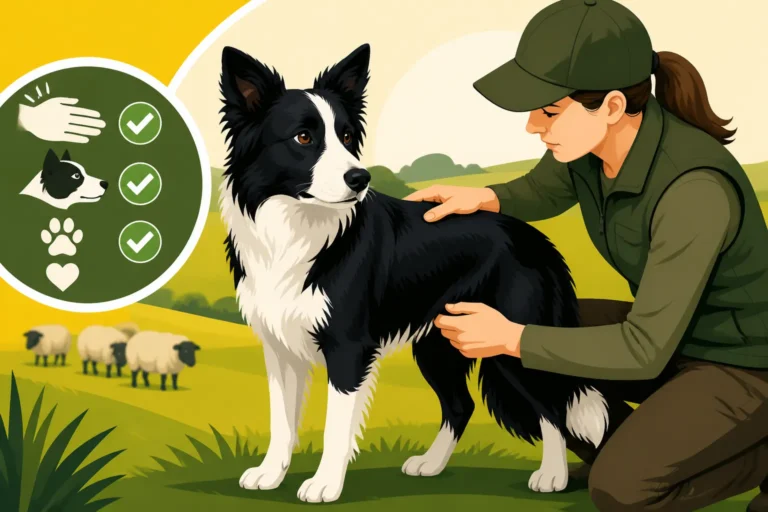
The Body Condition Score (BCS) is a far more accurate way to assess your Border Collie's weight and fat reserves than simply stepping on a scale. While the scale gives you a number, BCS tells you about their physical composition, which is vital for a lean, athletic working dog. Regular BCS assessment, ideally weekly or bi-weekly, helps you make timely adjustments to their diet. You should be able to easily feel, but not necessarily see, their ribs with just a light touch. Their waist should be clearly tucked in when viewed from above, and there should be an abdominal tuck when viewed from the side.
If their ribs are too prominent, or you can see hip bones and vertebrae, they might be too thin and need more calories. If you have to press hard to feel the ribs, or they lack a distinct waist, they're likely carrying too much weight, which can stress joints and reduce performance. A Border Collie that is working hard should be lean and muscular, not skinny or overweight. Understanding The Tuck a Fit Border Collie Should Show is a critical visual and tactile cue.
Signs Your Dog's Diet Needs Adjustment
Your Border Collie will often give you subtle (and sometimes not-so-subtle) cues when their diet isn't quite right. Keep a keen eye on these indicators. Changes in energy levels are a primary sign: if they're suddenly lethargic or losing their drive during their two hours of work, they might not be getting enough calories or the right balance of macronutrients. Conversely, if they're gaining weight despite consistent work, their caloric intake might be too high or their metabolism is slowing.
Coat quality is another excellent barometer. A dull, dry, or excessively shedding coat can indicate a lack of essential fatty acids or other nutrients. Stool consistency is also very telling – consistently loose stools or diarrhea can signal digestive issues or a food intolerance, while very hard, dry stools might suggest dehydration or insufficient fiber. Beyond physical signs, a drop in their typical high-level performance, a slower recovery time after work, or even changes in their enthusiasm for training can all point to a need for dietary adjustment.
Working with Your Veterinarian or Canine Nutritionist
While resources like this guide can provide general principles, nothing beats personalized advice for your Border Collie, especially with their demanding work schedule. Your veterinarian is an invaluable partner in managing your dog's diet. They can assess your dog's overall health, rule out any underlying medical conditions that might be affecting their metabolism or nutrient absorption, and provide guidance on appropriate food choices based on age, breed, and specific activity level.
For highly specialized cases, or if you're considering a raw or home-cooked diet, consulting a board-certified veterinary nutritionist is highly recommended. These specialists have advanced training in animal nutrition and can formulate precise diets tailored to your dog's exact needs, ensuring complete and balanced nutrition. They can also help navigate specific dietary restrictions, allergies, or health conditions. Don't hesitate to bring your dog's food bag, ingredient list, and a detailed activity log to your vet appointments to facilitate a comprehensive discussion about their nutritional plan.
Common Feeding Mistakes to Avoid
Even with the best intentions, it's easy to fall into common feeding traps, especially with a high-drive, high-energy breed like the Border Collie. For a dog that works two hours a day, these mistakes can have a more significant impact on their health, performance, and overall well-being. Being aware of these pitfalls can help you avoid them and keep your canine partner in peak condition.
Underfeeding or Overfeeding
One of the most prevalent mistakes is either underfeeding or overfeeding. On one hand, some owners, perhaps used to feeding less active dogs, don't provide enough calories to support the two hours of daily intense work. This leads to a Border Collie that is constantly drawing on its reserves, resulting in weight loss, muscle atrophy, lethargy, and a weakened immune system. They simply can't perform optimally if they're running on empty. You might observe a The Limp That Shows Up After a Border Collie Works if they are consistently under-fueled.
On the other hand, it's also easy to overfeed. While they need a lot of calories, if their activity dips (e.g., due to injury, bad weather, or an off-season), and their food intake isn't adjusted, weight gain can quickly become an issue. An overweight Border Collie faces increased stress on joints, reduced stamina, and a higher risk of various health problems, completely counteracting their athletic nature. Regular body condition scoring, as discussed earlier, and adjusting their food accordingly, perhaps even Adjusting a Border Collie's Food in the Off Season, are vital to strike the right balance.
Inconsistent Feeding Schedules
Border Collies, like many dogs, thrive on routine. An inconsistent feeding schedule can throw off their digestive system, leading to irregular bowel movements, digestive upset, and even anxiety around meal times. Imagine trying to perform at your best when your energy levels are all over the place because you don't know when your next meal is coming. Their bodies are finely tuned to process nutrients, and a predictable schedule helps them do that efficiently.
Beyond the physical impact, an inconsistent schedule can also create behavioral issues. A dog that doesn't know when its next meal is might become more demanding, anxious, or prone to resource guarding. Sticking to specific meal times helps manage hunger, signals predictability, and contributes to a calm, settled dog. Even if you have to shift times slightly on occasion, try to maintain a general routine. This consistency aids in digestion, nutrient absorption, and overall mental well-being, which directly impacts their ability to focus and perform during their working sessions.
Ignoring Individual Differences
It's tempting to think that all Border Collies, especially those working two hours a day, will have the exact same dietary needs. However, nothing could be further from the truth. Just like people, every Border Collie is an individual. Factors like age, sex, metabolic rate, specific type of work (herding vs. agility vs. hiking), genetics, and even the ambient temperature can significantly impact their caloric and nutritional requirements. A younger, still-growing Border Collie might need more calories and specific nutrients for development, while an older working dog might need joint support and a slightly adjusted fat-to-protein ratio.
Ignoring these individual differences is a common mistake. What works for one highly active Border Collie might be too much or too little for another. Some dogs simply have faster metabolisms, while others are more efficient at utilizing nutrients. A Border Collie working in extreme cold will burn more calories to maintain body temperature than one working in a temperate climate. The key is to observe your specific dog, use body condition scoring, monitor their energy levels and stool, and adjust their diet gradually based on their unique response. There's no "one-size-fits-all" feeding plan for such a dynamic and intelligent breed.
Disclaimer
This article is for general informational purposes only and does not constitute professional advice. Laws, prices and regulations vary by location and change over time. Consult a qualified professional for guidance on your specific situation.