Retiring a Border Collie From Stock Work
There comes a time in every working Border Collie's life, and consequently, in every handler's journey with them, when the rhythm shifts. The question of when to retire a beloved, driven partner from stock work is fraught with emotion, guilt, and practical challenges. This isn't just about calling it a day; it's about acknowledging the deep bond, recognizing subtle changes, and proactively planning a transition that honors your dog's lifetime of dedication, ensuring their golden years are filled with comfort and continued purpose, albeit a gentler one.
Recognizing the Signs It's Time to Step Back
Deciding when to retire your Border Collie from the demands of stock work is rarely a clear-cut decision. It's often a gradual realization, a collection of observations that, when put together, paint a picture of a dog no longer suited for the rigorous physical and mental challenges of the job. It's tough to admit, especially when your heart wants to believe they're still the powerful, tireless dog they once were.
Subtle Changes in Performance and Stamina
One of the first indicators that retirement might be on the horizon is a noticeable drop in your dog's usual performance. They might not be hitting their outruns with the same speed or precision. Perhaps their turns are a little wider, their flanks not quite as sharp. They might start to lose their hold on the sheep more easily, or take longer to gather a scattered flock. What was once effortless precision becomes a little more labored. You might notice they tire more quickly, needing more breaks during a session, or appearing drained after a task that used to be second nature. This isn't just a bad day; it's a pattern that suggests their physical endurance is waning. It’s a profound shift from the boundless energy they typically display, and often the first sign that you need to start thinking about the bigger picture of their well-being. This gradual slowing down is a natural part of aging, but for a working dog, it directly impacts their ability to do the job they love.
It’s also crucial to observe their focus and mental acuity. A Border Collie's work isn't just physical; it's intensely mental. If your dog starts to forget commands, seems distracted more easily, or struggles with problem-solving tasks that were once trivial, it could be a sign of cognitive decline. They might miss a whistle command they’ve known for years, or hesitate when faced with a familiar challenge. This loss of sharp mental edge can be as debilitating as physical weakness in a working dog, impacting their ability to anticipate sheep movements or respond quickly to your direction. For a deeper understanding of this, you might find insight in articles discussing topics like The Age a Border Collie Starts to Slow. It's not about them being stubborn; it's about their brain simply not processing information as rapidly or efficiently as it once did.
Sometimes, the subtle signs are in how they recover. Does your dog bounce back from a hard day's work as quickly as they used to? Are they still stiff or sore the next morning, even after a good night's rest? If your Border Collie is taking longer to recover, or if the stiffness lingers, it’s a clear signal that their body is struggling with the physical toll of their work. This prolonged recovery time can indicate underlying joint issues, muscle fatigue, or just general age-related wear and tear. A young, fit Border Collie might be ready to go again after a few hours, but an older dog nearing retirement will show a marked difference in their resilience.
Physical Manifestations of Aging and Injury
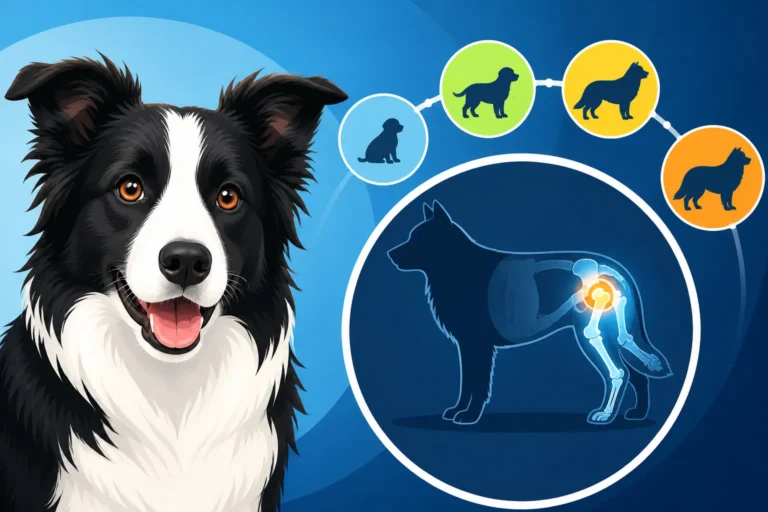
Beyond the subtle performance changes, there are often more overt physical signs that scream "it's time." Lameness is a big one. It might be a persistent limp after a long run, or favoring a leg during routine movements. While some lameness can be temporary, chronic issues, especially those related to osteoarthritis, can make intense physical work painful and damaging. You might notice them struggling to get into or out of the truck, having difficulty climbing stairs, or just generally moving with less fluidity. These can all be red flags indicating that their joints, muscles, or even their spine are no longer capable of handling the stress of herding. Conditions like Osteoarthritis in a Border Collie by Eight are unfortunately common.
Weight loss or gain that isn't easily explained by diet or exercise changes can also be a signal. As dogs age, their metabolism can shift, or they might develop underlying health conditions that affect their weight. Muscle atrophy, particularly over the hindquarters, is another common sign of aging and reduced activity, but it can also accelerate if your dog is compensating for pain elsewhere. Pay close attention to their body condition; you should be able to feel their ribs easily without seeing them, but not have their spine or hip bones protruding. If you notice significant changes, it's always wise to consult your vet.
Other physical indicators include changes in coat quality, dental issues, or vision and hearing impairment. An older dog's coat might become duller or thinner, their teeth might show significant wear or decay, making eating uncomfortable. Impaired vision could make it difficult to spot distant sheep or navigate uneven terrain, putting them at risk of injury. Hearing loss could mean they're missing your crucial commands, leading to frustration for both of you. While some of these issues can be managed, collectively they can severely impact a dog's ability to work safely and effectively. For a deeper dive into overall health management, consider reviewing Yearly Bloodwork for a Border Collie.
Behavioral Shifts and Loss of Enthusiasm
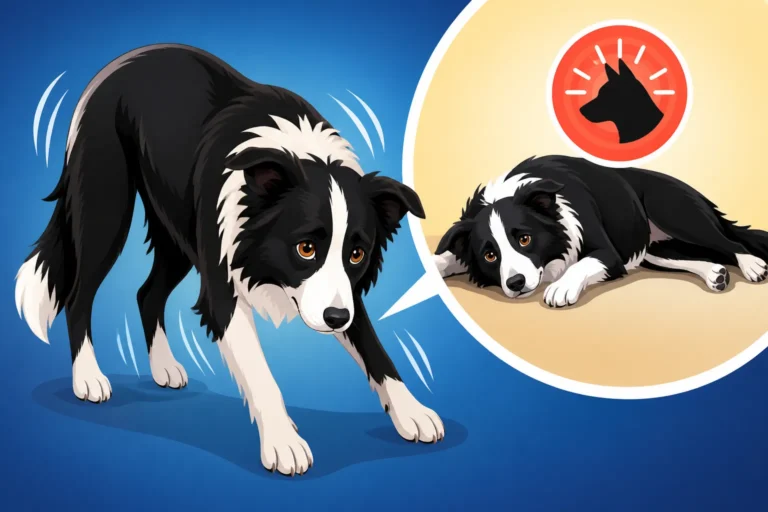
Sometimes, the most heartbreaking signs are behavioral. A Border Collie who lives to work might start showing a lack of enthusiasm for it. They might be slower to get excited when you grab the lead or the whistle. They might even actively avoid going to the fields, perhaps trying to hide or simply not coming when called. This isn't laziness; it's often a sign that the work has become too painful, too demanding, or simply no longer enjoyable due to physical discomfort or cognitive challenges. A dog that used to live for the chase might now just watch the sheep with a lack of interest, or even anxiety.
You might also observe increased irritability or anxiety, especially when asked to perform tasks that are now difficult for them. A dog that was once patient and calm around the flock might start to nip more, bark excessively, or show signs of stress like excessive panting or lip-licking. This can be a direct result of pain, confusion, or the frustration of not being able to do what their instincts tell them they should. These behavioral changes can be incredibly tough to witness, as they go against everything you know about your driven Border Collie. They're telling you, in their own way, that things are not right.
Conversely, some Border Collies will try to "push through" their discomfort, driven by their incredible work ethic. They might continue to try and work even when clearly struggling, leading to increased risk of injury or exacerbating existing conditions. This is where the handler's responsibility comes in – to recognize these attempts and make the difficult but necessary decision to protect their dog from themselves. It's about seeing beyond the strong will and understanding the underlying physical reality. You'll recognize these driven dogs who still want to gather by reading The Old Border Collie That Still Wants to Gather.
Navigating the Emotional Landscape of Retirement
The decision to retire a Border Collie from stock work is never easy. It's an intensely emotional process for both the handler and the dog, steeped in years of shared purpose, unspoken communication, and deep companionship. It's more than just ending a job; it's redefining a relationship and honoring a life of service.
The Handler's Grief and Guilt
For handlers, the decision to retire a working Border Collie often comes with a complex mix of emotions, with grief and guilt at the forefront. Grief for the loss of a working partner, for the end of a chapter that has likely defined a significant part of their daily life. This isn't just about losing a tool; it's losing a part of your team, a being with whom you shared a unique, wordless understanding out in the fields. The bond forged through working sheep together is profound, and its cessation leaves a void. You might miss the precise flanks, the powerful outrun, the quiet intensity of their "eye."
Guilt is another common emotion. Handlers often second-guess themselves: Did I work them too hard? Did I miss the signs earlier? Am I taking away their purpose? These questions can weigh heavily, especially when you know how much your Border Collie loves to work. It’s important to remember that retirement, when done thoughtfully, is an act of kindness and responsibility. It’s choosing their comfort and well-being over continuing a demanding role that their body can no longer sustain. It's about recognizing that What Ends a Border Collie's Working Life is often a cumulative effect of age and the physical demands, not a single failure on your part. Allow yourself to feel these emotions, but also remind yourself that you are making the best decision for your loyal companion.
Moreover, handlers often feel a sense of identity loss themselves. Their identity might be intertwined with being a sheepdog handler, and the retirement of their primary dog can feel like a retirement for them, too, or at least a significant shift in their own routine and purpose. It's crucial to find new ways to engage with your retired dog and perhaps with other aspects of your life, to fill that space. This transition period requires self-compassion and understanding, just as much as it requires empathy for your dog.
The Working Dog's Identity Crisis
Border Collies are bred for purpose, and their identity is deeply tied to their work. Retirement, especially if abrupt, can lead to a kind of identity crisis for the dog. They might become restless, confused, or even depressed if their daily routine suddenly lacks the mental and physical stimulation of herding. They've spent their entire lives reading stock, responding to commands, and channeling their immense drive, and suddenly, that outlet is gone. This isn't something they can easily understand.
Signs of this canine "identity crisis" can include increased anxiety, obsessive behaviors like shadow chasing, excessive barking, or a general malaise. They might pace aimlessly, seem lost, or even try to "herd" other pets or family members in the absence of sheep. It’s vital to acknowledge that their drive doesn't simply disappear with retirement; it needs to be redirected. Just as you need to find new ways to engage, so too does your dog need a new "job," even if it’s a much gentler one. This is why a complete cessation of all activity is rarely the best approach.
The key is to transition them gradually and provide alternative outlets that tap into their intelligence and energy without overtaxing their aging body. This might mean continuing short, gentle sessions on quiet stock, or introducing entirely new mental exercises. The goal is to make them feel useful and valued, maintaining their sense of purpose in a way that respects their physical limitations. It's a delicate balance to strike, ensuring they don't feel "fired" or abandoned from the work they loved so much.
Preparing the Family and Other Dogs for the Transition
Retiring a Border Collie impacts the entire household, not just the handler and the dog in question. Family members need to understand why the dog is no longer working and how their behavior might change. Children, especially, might not grasp why their once-energetic playmate is now moving slower or needs more rest. Educating everyone on the signs of discomfort or cognitive decline can foster a more supportive environment. It also means establishing new boundaries for interaction, ensuring the retired dog gets the peace and quiet they need, but also the gentle engagement.
If there are other working dogs in the household, their routine will also shift. The younger dogs might take over the bulk of the work, and the retired dog might struggle with seeing them go to the fields without them. It’s important to manage these dynamics carefully, ensuring the retired dog doesn't feel left out or jealous. This might involve giving them special, individual attention or engaging them in a different "job" while the others are out working. Maintaining a sense of normalcy, while adjusting for the changes, is crucial for everyone's well-being.
Consider also the practical adjustments within the home. An older dog might need more comfortable bedding, ramps to navigate steps or furniture, or changes in feeding schedules. They might become more sensitive to noise or changes in routine. Communicating these needs to the entire family ensures that everyone is on board with creating a comfortable and supportive environment for their senior Border Collie.
Crafting a Fulfilling Retirement for Your Border Collie
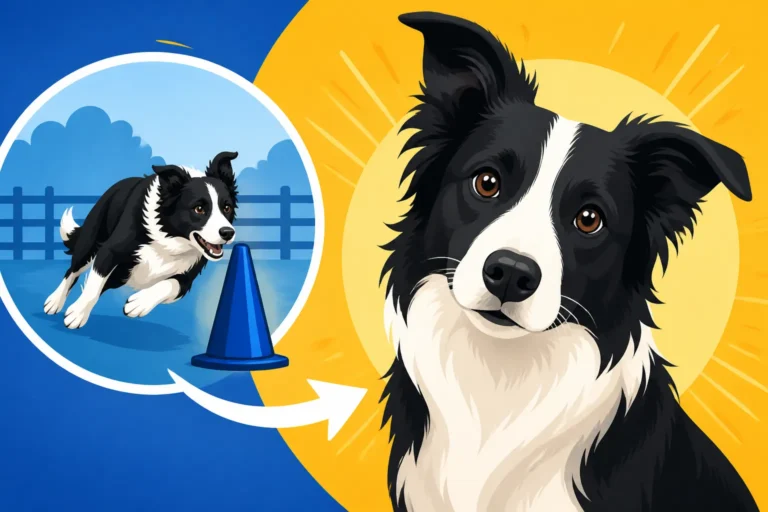
Retirement for a working Border Collie isn't about doing nothing; it's about doing different things. It’s about channeling that incredible Border Collie drive and intelligence into activities that are safe, enjoyable, and enriching for their golden years, without the physical demands of herding.
Adapting Exercise and Mental Stimulation
The first step in crafting a fulfilling retirement is to significantly adapt their exercise routine. Gone are the days of endless miles behind sheep or high-impact agility runs. Instead, focus on shorter, more frequent walks on soft surfaces, gentle off-leash exploration in safe, familiar areas, or even swimming if they enjoy it and it’s low-impact. The goal is to keep them moving to maintain muscle tone and joint health, but without causing pain or overexertion. Pay close attention to how they feel during and after these activities, adjusting the intensity and duration as needed. For example, if you were used to Feeding a Border Collie That Works Two Hours a Day, their caloric needs will drop significantly, requiring diet adjustments.
Mental stimulation remains paramount for a Border Collie, perhaps even more so in retirement. Their brains are still wired to learn and solve problems. Introduce puzzle toys that require thought to get treats, or engage them in scent work games around the house or yard. Even simple training sessions, revisiting basic obedience commands or teaching new, gentle tricks, can be incredibly rewarding. The key is to keep their minds active and engaged, preventing boredom and potential behavioral issues that can arise from an understimulated Border Collie.
Consider structured walks where they can sniff and explore at their own pace. Allowing them to engage their noses is incredibly enriching and tiring for dogs, and doesn't put stress on their joints. Hide-and-seek with treats or a favorite toy can also be a low-impact way to stimulate their mind and body. The aim is to replace the intensity of herding with a variety of engaging, gentler activities that satisfy their innate desire to do something.
Exploring New Hobbies and Gentler Pursuits
Retirement opens the door to discovering new hobbies that might have been overshadowed by their herding career. Nose work, often called "Canine Scent Work," is an excellent option. It's low-impact, incredibly engaging, and allows them to use their natural sniffing abilities to locate hidden scents. Many clubs offer beginner classes, and it can be done in a relaxed, non-competitive environment. This gives them a "job" that is purely mental and requires very little physical exertion.
Another wonderful option is therapy work, if your Border Collie has the right temperament. Visiting nursing homes, hospitals, or schools can be incredibly rewarding for both the dog and the people they meet. It provides mental stimulation, gentle social interaction, and a renewed sense of purpose. This kind of "work" taps into their loving and intelligent nature without the physical stress. Before considering this, ensure your dog is comfortable with various environments and interactions, and check local certification requirements.
Even just engaging in quiet companionship can be a new, fulfilling pursuit. Many working Border Collies don't get as much "cuddle time" as pet dogs due to their demanding schedules. Retirement can be a time for more leisurely strokes, quiet walks together, and simply enjoying each other's presence. This deepens the bond in a new way, shifting from partnership in work to companionship in relaxation.
Maintaining Routine While Reducing Demands
Border Collies thrive on routine, and maintaining some structure in retirement is important for their emotional well-being. While the demands of their former routine will decrease, keeping consistent feeding times, walk schedules, and bedtimes can provide a sense of security and predictability. However, within this routine, the intensity of the activities needs to be significantly scaled back. For example, instead of a two-hour intense herding session, it might be two 30-minute sniff walks.
It's a fine line between maintaining structure and being flexible enough to accommodate their aging needs. Some days they might feel better and be up for a bit more activity, while other days they might need more rest. Learning to read their cues and adjusting the schedule accordingly is crucial. Don't push them just because it's "walk time" if they're clearly stiff or tired. Prioritize their comfort and well-being above all else.
Consider creating a "retirement zone" for them – a comfortable, quiet space where they can retreat when they need to rest without interruption. This is particularly important in multi-dog or busy family households. A cozy bed in a quiet corner, away from high-traffic areas, can become their sanctuary. This helps them feel secure and allows them to get the restorative sleep they need.
Health Management and Support in the Golden Years
As our Border Collies transition into retirement, their health needs often become more complex and require proactive management. This isn't just about reacting to problems, but about anticipating them and supporting their quality of life for as long as possible.
Proactive Veterinary Care and Pain Management
Regular veterinary check-ups become even more crucial as your Border Collie ages. Instead of just an annual vaccine booster, these visits should include thorough physical exams, discussions about any changes in behavior or mobility, and proactive screening for age-related conditions. This might involve blood work to check organ function, especially kidneys and liver, and to monitor for conditions like thyroid disease, which can cause a drop in drive. For instance, understanding Thyroid Levels in a Border Collie That Slowed Down can be pivotal. X-rays might be recommended to assess joint health and monitor for osteoarthritis.
Pain management is often a significant component of senior dog care. Many older Border Collies develop arthritis or other musculoskeletal issues that can cause chronic pain, even if they don't vocalize it. Your vet can discuss various options, including non-steroidal anti-inflammatory drugs (NSAIDs), joint supplements like glucosamine and chondroitin, cold laser therapy, acupuncture, or even physical therapy. The goal is to keep them as comfortable and mobile as possible, allowing them to enjoy their retirement activities without unnecessary suffering. Don't let them suffer in silence; learn to recognize Signs an Old Border Collie Is in Pain.
Regular dental care is another aspect that often gets overlooked. Older dogs are prone to dental disease, which can be painful and lead to other health issues. Regular dental cleanings under anesthesia, or at-home dental care with brushing and dental chews, can make a huge difference in their comfort and overall health. Addressing dental pain can significantly improve their appetite and general well-being.
Nutritional Adjustments for a Less Active Dog
A retired working Border Collie will no longer burn the same immense amount of calories they once did. Continuing to feed them a high-performance working dog food in the same quantities will almost certainly lead to weight gain, which puts unnecessary stress on their joints and increases the risk of other health problems. It's crucial to adjust their diet to match their reduced activity level. Transition to a high-quality senior dog food, which typically has fewer calories but still provides adequate protein for muscle maintenance and essential nutrients.
Monitoring their body condition regularly is vital. You should be able to easily feel their ribs without seeing them protruding. If they start to gain weight, slowly reduce their food intake or switch to a lower-calorie option. If they're losing weight unexpectedly, it's time for a vet visit, as it could indicate an underlying health issue. Adjustments should be gradual to avoid digestive upset. This adjustment is stark compared to Feeding a Border Collie on a Performance Diet.
Consider adding supplements recommended by your vet, such as omega-3 fatty acids for joint health and cognitive function. Some senior diets are specifically formulated with ingredients to support brain health, which can be beneficial for preventing or slowing the progression of Canine Cognitive Dysfunction in an Old Border Collie. Fresh water should always be available, and sometimes offering water in different locations can encourage increased hydration.
Financial Planning for Increased Senior Care
Let's be realistic: senior pet care can become expensive. Increased vet visits, diagnostics, medications for chronic conditions, and potential specialized treatments can add up quickly. This is where proactive financial planning comes into play. Having a good pet insurance plan, like one from Healthy Paws, can really alleviate some of that stress. While many plans have age limits for new enrollments or pre-existing condition clauses, if you've had a policy in place for a while, it can be a lifesaver for unexpected senior health issues.
It's worth investigating what companies like Healthy Paws offer for senior pets, even if you’re looking to enroll a younger dog with their future retirement in mind. Many owners find that a policy from a provider like Healthy Paws becomes invaluable as their dog ages and inevitably faces more health challenges. Carefully review policy details, including deductibles, reimbursement percentages, and annual limits, to ensure it meets your needs. Knowing that you have financial support can make difficult treatment decisions a little easier.
If pet insurance isn't an option or doesn't cover all costs, consider setting up a dedicated "senior pet fund." Even small, regular contributions can accumulate over time and provide a buffer for unexpected expenses. Don't forget to factor in potential increases in premiums or changes to coverage limits as your Border Collie ages, something Healthy Paws or similar providers can walk you through. Being prepared financially allows you to prioritize your dog's health and comfort without the added burden of overwhelming costs.
| Indicator | Working Performance | Physical Signs | Behavioral Changes |
|---|---|---|---|
| Early Signs of Aging | Slower outruns, wider flanks, occasional missed commands, quicker to tire | Mild stiffness after work, slightly longer recovery time, subtle muscle loss | Less immediate enthusiasm for work, more prone to distraction, seeks more rest |
| Mid-Stage Retirement Need | Struggles with specific tasks, inconsistent focus, significant stamina drop | Persistent lameness, difficulty with stairs/jumping, moderate joint pain, coat changes | Avoids work, increased anxiety/irritability, obsessive behaviors, reduced play drive |
| Advanced Retirement Need | Cannot complete tasks, easily confused, disoriented, severe exhaustion | Chronic pain, significant mobility issues, vision/hearing loss, weight fluctuations | Depression, withdrawal, aggression due to pain/confusion, complete disinterest in work |
Disclaimer
This article is intended for informational purposes only and does not constitute veterinary advice. Always consult with a qualified veterinarian for any health concerns or before making any decisions about your Border Collie's care, diet, exercise, or retirement plan. Individual dogs may vary in their needs and responses.