Slab Fractures From a Border Collie Carrying Stones
It's incredibly frustrating, isn't it? You get a Border Collie, knowing their boundless energy and incredible intelligence, and you envision long walks, exciting training sessions, and maybe even some sheep work or agility. What you don't expect is for that same intense drive to manifest in a destructive habit, like obsessively carrying and chewing on rocks, which can lead to agonizing dental injuries known as slab fractures. This guide is here to shed light on what a slab fracture is, why it's so common in our stone-loving Border Collies, how to spot the signs, and most importantly, how to prevent this painful and often costly injury.
Understanding Slab Fractures in Border Collies
Our Border Collies are renowned for their powerful jaws and incredible focus, traits that serve them well in their traditional work. However, these very strengths can become liabilities when channeled into inappropriate chewing habits, such as carrying and grinding on stones. A slab fracture is a common and particularly nasty injury that frequently results from this kind of activity. It’s not just a chip; it’s a significant break that exposes the vulnerable inner structures of the tooth.
What Exactly is a Slab Fracture?
Imagine your dog's tooth as an ice cream cone. The outer part, the enamel, is the hard shell. Beneath that is the dentin, a slightly softer layer, and then right at the core is the pulp chamber. This pulp chamber is the nerve center of the tooth, containing nerves, blood vessels, and connective tissue. When a slab fracture occurs, it's typically a diagonal or horizontal break that starts from the chewing surface of the tooth and extends down towards the gum line. This break often shears off a "slab" of enamel and dentin, leaving the sensitive pulp exposed to the harsh environment of the mouth.
The teeth most commonly affected are the upper 4th premolars, often referred to as the carnassial teeth. These are the largest teeth in a dog's mouth, designed for shearing and crushing. They bear the brunt of any heavy chewing and impact. Because of their position and function, they are highly susceptible to the kind of stress caused by biting down repeatedly on hard objects like rocks. The exposure of the pulp is the critical issue here, as it directly connects the oral cavity to the tooth's nerve supply, causing immense pain and opening a direct pathway for bacteria into the tooth and potentially the bloodstream.
Why Stone Carrying is a Major Culprit
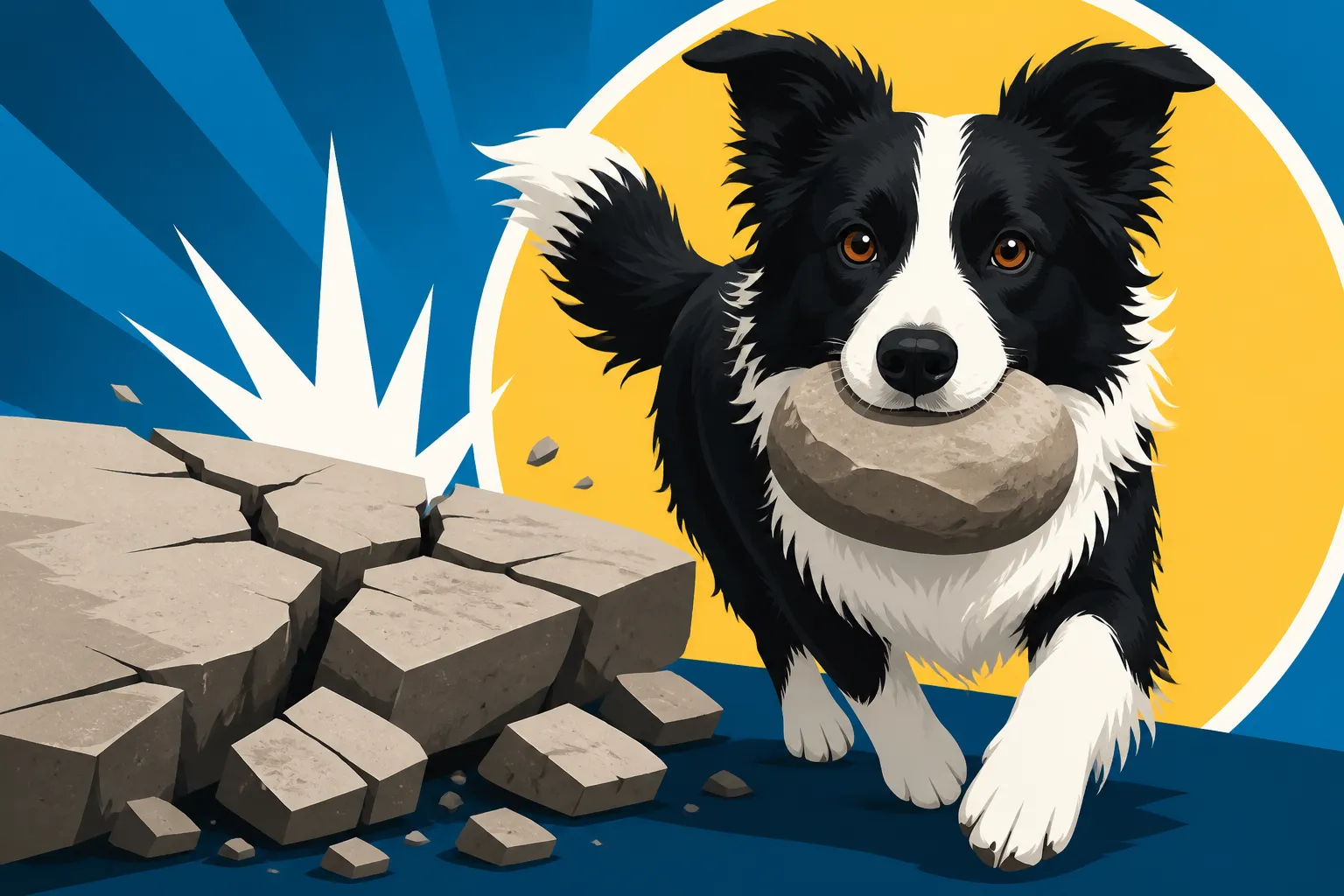
Border Collies have an almost instinctual need to "work" and engage their minds and bodies. For some, if that drive isn't adequately met with appropriate tasks or outlets, they find their own "jobs." And for many, carrying and manipulating stones becomes a highly rewarding, self-reinforcing activity. They love the feel, the weight, the challenge of carrying it, and the satisfying crunch. This isn't just casual chewing; it’s often an intense, focused activity.
The sheer force a Border Collie can exert with its jaws is considerable. When they repeatedly chomp down on an unyielding object like a stone, the teeth are subjected to extreme pressure. Instead of the stone breaking, the tooth gives way. Think of it like a nutcracker repeatedly trying to crack a rock – eventually, the nutcracker might break. It’s a tragic irony that the very qualities we admire in our Border Collies – their drive, their focus, their strong jaws – are what predispose them to this particular injury when they engage in stone carrying. It’s not malice or naughtiness; it’s a misdirection of their powerful instincts.
The Immediate and Hidden Dangers
The immediate danger of a slab fracture is the excruciating pain. Imagine having a tooth broken in half, with the nerve exposed. Every breath, every sip of water, every attempt to eat would send shockwaves of agony. Our stoic Border Collies might not always cry out, but they are suffering. Beyond the immediate pain, the exposed pulp is a gateway for bacteria. The mouth is full of bacteria, and once they enter the pulp chamber, they can cause a severe infection, leading to an abscess at the root of the tooth. This can spread to the jawbone or even into the bloodstream, potentially causing systemic illness.
Another hidden danger is the slow, insidious nature of some fractures. Not all slab fractures are immediately obvious. Sometimes, only a small part of the pulp is exposed, or the fracture line is hairline and difficult to see with the naked eye. Your dog might show subtle signs of discomfort, like a reluctance to chew on one side of their mouth or a slight decrease in appetite, rather than overt agony. These "hidden" fractures can still lead to chronic pain and infection over time, slowly eroding your dog's quality of life. Without proper veterinary attention, these issues will only worsen, impacting their overall health and well-being.
Recognizing the Signs and Getting a Diagnosis
Our Border Collies are masters at hiding pain. It's an instinctual survival mechanism from their wild ancestors. However, even the most stoic Border Collie will eventually give us clues if something is seriously wrong, especially with something as painful as a slab fracture. It's up to us, their dedicated owners, to be vigilant and know what to look for. Early detection can make a world of difference in their recovery and the complexity of treatment.
Subtle Clues Your Border Collie Might Be in Pain
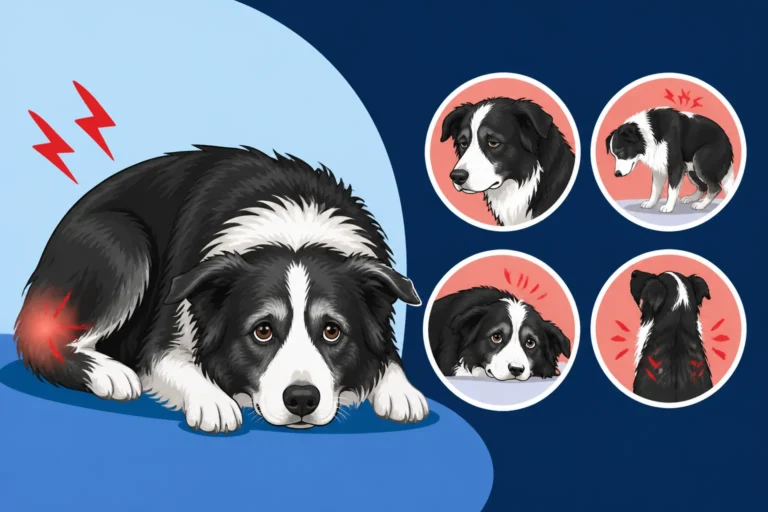
Because Border Collies are so good at masking discomfort, you might not see them limping or crying out. Instead, watch for subtle behavioral shifts. Are they suddenly reluctant to play fetch with their favorite hard toy, or do they seem hesitant to chew on a bully stick they once adored? Perhaps they're dropping food more frequently or chewing exclusively on one side of their mouth. You might notice them pawing at their mouth or rubbing their face along the carpet or furniture. Some dogs might become less enthusiastic about meal times, or take longer to eat their food, even if it's their usual kibble.
Beyond chewing habits, look at their general demeanor. A dog in chronic pain can become withdrawn, less playful, or even a little grumpy. They might flinch if you try to touch their face or open their mouth. You might also notice bad breath (halitosis) which can be a sign of infection, or even visible swelling on one side of their face, indicating an abscess. Don't dismiss these subtle changes as just "getting older" or "being a bit off." With a breed as energetic and focused as a Border Collie, any dip in their usual zest for life warrants investigation. If you're observing any of these signs, it's time to call your vet.
The Vet Visit: What to Expect
When you suspect a dental issue, a trip to the veterinarian is crucial. Your vet will perform an initial oral examination, but let’s be realistic: trying to get a thorough look at the back teeth of an alert, potentially painful Border Collie is almost impossible. The full extent of a slab fracture, especially if it's high up on the tooth or covered by gum, might not be apparent without a more in-depth procedure. This is where sedation or general anesthesia comes in.
Under sedation, your vet can safely and thoroughly examine every tooth, probe any suspicious areas, and most importantly, take dental radiographs (X-rays). Just like with humans, dental X-rays are vital for seeing what's happening beneath the gum line and inside the tooth structure. They can reveal the depth of the fracture, whether the pulp is truly exposed, if there's an abscess forming, or if there's damage to the surrounding bone. Without these X-rays, diagnosis is often incomplete, and treatment decisions would be based on guesswork. Don't be surprised if your vet recommends a dental cleaning at the same time; it's an opportunity to address any plaque and tartar buildup while your dog is already under anesthesia, making it a more efficient use of resources and minimizing the number of times your dog needs sedation.
The Importance of Timely Intervention
It's easy to put off vet visits, especially when life gets busy or the signs seem minor. But with a slab fracture, waiting can have severe consequences. An exposed pulp doesn't heal on its own. The pain will become chronic, and the infection will only deepen and spread. What might have been a relatively straightforward repair or extraction can become a much more complicated and invasive procedure if an abscess forms and bone is affected. For example, a minor pulp exposure might be treatable with a vital pulpectomy (a type of root canal preserving some tooth structure) if caught early, but an established infection will require a full root canal or extraction.
Leaving an infected tooth untreated can also impact your Border Collie's overall health. Chronic infection can stress the immune system, and bacteria can potentially spread to other organs, including the heart and kidneys, leading to more serious health problems down the line. Pet insurance providers like Healthy Paws can be a real lifesaver here, helping to cover the often significant costs associated with advanced dental procedures, encouraging owners not to delay treatment due to financial concerns. Addressing the issue promptly not only alleviates your dog's pain but also prevents a cascade of potentially dangerous and expensive complications.
Treatment Options and Recovery for Slab Fractures
Once a slab fracture is diagnosed, you and your veterinarian will discuss the best course of action. This is rarely a "wait and see" situation, as the pain and risk of infection are too high. The primary goals are to alleviate pain, eliminate infection, and prevent recurrence. While it can feel overwhelming to consider dental surgery for your active Border Collie, remember that this is about restoring their comfort and health.
Extraction Versus Root Canal
When facing a slab fracture with pulp exposure, there are generally two main treatment paths: extraction (removing the tooth entirely) or a root canal procedure (saving the tooth).
Extraction: This involves surgically removing the entire affected tooth, including its roots. It’s a permanent solution to pain and infection. For many dogs, especially those that aren't show dogs or working dogs requiring specific dental integrity (like a bite for protection work), extraction is a highly effective and often less expensive option. The main downside is the permanent loss of the tooth. Dogs adapt remarkably well to missing teeth, even large ones, and can still eat comfortably. Recovery typically involves a few weeks of soft food, pain medication, and restricted activity to allow the extraction site to heal.
Root Canal Therapy: This procedure aims to save the tooth. It involves cleaning out the infected pulp from the root canal, sterilizing the chamber, and then filling it with a special material to prevent future infection. Finally, the tooth is usually capped with a crown to strengthen it and prevent further damage. Root canals are often recommended for strategically important teeth (like the carnassials, which are crucial for chewing) or for young dogs where tooth preservation is ideal. It's a more specialized procedure, often requiring a veterinary dental specialist, and typically costs more than extraction. The benefits are keeping the tooth, but it does require excellent aftercare and routine checks.
The choice between these options depends on several factors: the severity and location of the fracture, the overall health of the tooth, your dog's age, your financial considerations, and whether you have access to a veterinary dental specialist. Your vet will guide you through the pros and cons of each for your specific Border Collie.
Managing Post-Operative Care
Whether your Border Collie undergoes extraction or a root canal, proper post-operative care is absolutely essential for a smooth recovery and to prevent complications. Your vet will provide specific instructions, but here's a general overview:
- Pain Management: Your dog will be sent home with pain medication (often anti-inflammatories and/or opioids). It's crucial to administer these exactly as prescribed, even if your dog seems to be feeling better. Pain control aids healing and keeps your Border Collie comfortable.
- Soft Food Diet: For several weeks, your dog will need to eat soft or wet food. This prevents any hard kibble or chews from irritating the surgical site, dislodging clots, or putting undue pressure on a newly repaired tooth. Gradually transitioning back to harder foods will be recommended by your vet.
- Restricted Activity: Your energetic Border Collie will need to take it easy! No intense play, jumping, or long runs for a couple of weeks, or as advised by your vet. This reduces the risk of reopening wounds or straining jaw muscles. Mental enrichment, like puzzle feeders with soft food, can help keep them occupied without physical exertion. Consider revisiting their activity level gradually, similar to how you might manage a Border Collie after a cruciate tear.
- Oral Hygiene and Monitoring: You might be given an antiseptic mouth rinse to use. Keep an eye on the surgical site for any signs of swelling, redness, discharge, or foul odor, which could indicate infection. Follow-up appointments are critical for your vet to ensure proper healing and address any concerns.
Preventing Future Fractures
The best treatment, of course, is prevention! Once your Border Collie has healed from a slab fracture, the number one priority is to ensure they don't develop another one. This means addressing the root cause: the stone-carrying habit.
- Eliminate Access to Stones: This is often easier said than done, especially if you have a large yard or frequently walk in areas with gravel. If possible, clear your yard of appealing stones. On walks, keep your Border Collie on a leash and actively redirect them if they show interest in a rock. A strong "leave it" command is invaluable here.
- Provide Safe Alternatives: Replace the thrill of stones with appropriate, durable chew toys. Focus on toys designed for strong chewers, made from materials like hard rubber (e.g., Kong, West Paw Zogoflex, GoughNuts). Supervise chewing sessions, especially with new toys, to ensure they hold up to your Border Collie's chewing power. Toys that are too soft offer no resistance, and toys that are too hard (like antlers or real bones) can still cause fractures.
- Redirection and Training: If your Border Collie picks up a stone, immediately use a strong "drop it" or "leave it" command and reward them with a high-value treat or an appropriate toy. Consistency is key. For some dogs, this habit is deeply ingrained, and you might need the help of a professional trainer. Remember, their intense drive needs an outlet, so ensure you're providing plenty of mental and physical stimulation through other means, such as agility, obedience, or even scent work. This can reduce the underlying urge to find "work" with stones.
Preventing Stone Carrying and Protecting Your Border Collie's Teeth
Preventing slab fractures in Border Collies really comes down to proactive management, understanding their unique drive, and providing appropriate outlets for their energy. It's about setting them up for success and safeguarding their pearly whites from the hazards they might inadvertently seek out.
Safer Alternatives to Stones
The core issue isn't just that Border Collies love to chew; it's that they often choose inappropriate, harmful items. Our job is to provide alternatives that are equally engaging but completely safe. Forget hard nylon bones that feel like concrete or real bones that splinter and chip teeth. Focus on durable, flexible, and stimulating options.
- Durable Rubber Toys: Brands like KONG, West Paw (their Zogoflex line), and GoughNuts are champions in the strong-chewer category. These toys are designed to withstand significant chewing without breaking apart or being hard enough to cause dental damage. They often have irregular shapes that make them fun to carry and mouth.
- Interactive Puzzle Toys: Many Border Collies crave mental stimulation as much as physical. Puzzle toys that dispense treats when manipulated can satisfy their need to "work" and engage their problem-solving skills without involving their teeth in destructive ways. Filling a KONG with frozen wet food or peanut butter can keep them occupied for a good long while.
- Flirt Poles and Tug Toys: These are excellent for satisfying their prey drive and need for vigorous play without putting their teeth at risk of fracture. A flirt pole allows them to chase and "catch" a lure, while a sturdy tug toy lets them engage their powerful jaws in a safe, interactive game with you. This controlled physical and mental activity can be far more rewarding and safer than any stone.
Training and Management Strategies
Direct intervention and consistent training are critical for breaking the stone-carrying habit. It won't happen overnight, but with patience and consistency, you can teach your Border Collie to leave the rocks alone.
- "Leave It" and "Drop It" Commands: These are non-negotiable for a Border Collie, especially one prone to picking up dangerous items. Start training these commands in a low-distraction environment with low-value items, gradually increasing the difficulty to include more exciting things and eventually, stones. Always reward heavily when they comply. You might find our guide on The Emergency Word a Border Collie Must Know helpful for perfecting these crucial commands.
- Leash Management and Supervision: When you're out and about in areas where stones are prevalent, keep your Border Collie on a leash. This gives you immediate control and allows you to redirect them away from temptation. Even in your own yard, supervise their outdoor time, especially initially, to ensure they aren't reverting to the habit. If you can't supervise, ensure they are in a safe, stone-free area or given appropriate enrichment.
- Consistent Reinforcement: Every time your Border Collie ignores a stone or drops one on command, heap on the praise and reward them. Make the alternative behavior (ignoring the stone, playing with a safe toy) far more rewarding than the forbidden one. This consistent positive reinforcement is how Border Collies learn best and makes the training stick.
Regular Dental Care and Check-ups
Even with the best prevention, regular dental care is paramount for your Border Collie's overall health, and for catching any issues early. Think of it as part of their comprehensive annual health check-up, just like you would ensure they receive their yearly bloodwork for a Border Collie.
- At-Home Brushing: If your Border Collie tolerates it, daily tooth brushing with dog-specific toothpaste is the gold standard for preventing plaque and tartar buildup. This helps maintain gum health and allows you to inspect their teeth regularly for any chips or changes.
- Professional Dental Cleanings: Just like us, dogs benefit from professional dental cleanings under anesthesia. Your vet can thoroughly clean all surfaces of the teeth, check for any hidden issues, and take full mouth X-rays to assess the health of the teeth below the gum line. The frequency will depend on your individual dog's oral health, but many vets recommend them every one to three years.
- Routine Vet Checks: During your Border Collie's regular physical exams, ask your vet to do a thorough oral check. They can spot early signs of wear, chips, or other problems that might not be obvious to you. If you have pet insurance, ensure your plan, like those offered by Healthy Paws, covers routine dental care or at least covers non-routine dental illnesses and injuries. Being proactive with dental health is a cornerstone of ensuring your Border Collie lives a long, comfortable, and pain-free life.
| Treatment Option | Description | Pros | Cons | Typical Cost (Range) | Recovery Time | Long-term Maintenance |
|---|---|---|---|---|---|---|
| Extraction | Surgical removal of the entire affected tooth and its roots. | Permanent solution to pain/infection; often less costly. | Permanent tooth loss; requires proper bone healing. | $300 – $1,500+ | 2-4 weeks (soft food, restricted activity) | Minimal |
| Root Canal Therapy | Cleaning, sterilizing, and filling the pulp chamber; often capped with a crown. | Preserves the natural tooth; maintains chewing function. | More specialized, often requires specialist; higher cost; risk of re-infection (rare). | $1,000 – $3,000+ | 2-4 weeks (soft food, restricted activity); potential for permanent crown. | Regular dental check-ups to monitor the tooth. |
Costs are estimates and can vary widely based on location, severity, specialist fees, and pre-anesthetic testing. Pet insurance like Healthy Paws can help manage these expenses.
Disclaimer
This article is for general informational purposes only and does not constitute professional advice. Laws, prices and regulations vary by location and change over time. Consult a qualified professional for guidance on your specific situation.