Running a Genetic Panel on a Pet Border Collie
It's completely understandable to wonder why you'd bother with a genetic panel for your beloved Border Collie if they're "just a pet" and not destined for the breeding program or a high-stakes working life. After all, isn't that what those fancy tests are for? However, what many loving owners don't realize is that these panels are incredibly valuable tools, offering a crystal ball into your dog's future health, regardless of their role in your family. This guide will walk you through why genetic testing is a smart move for any pet Border Collie, what conditions it screens for, and how the results can profoundly impact their long, healthy life with you.
The Surprising Value of Genetic Panels for Pet Border Collies
When we bring a Border Collie into our lives, whether they come from a long line of working champions or a more casual backyard breeder, we fall in love with their boundless energy, their keen intelligence, and their goofy antics. We often don't think about the silent, genetic predispositions they might carry beneath that beautiful coat. But just like humans, dogs can be carriers or affected by genetic conditions that, without testing, might only surface when symptoms become debilitating and difficult, if not impossible, to manage. For a pet Border Collie, a genetic panel is less about making breeding decisions and more about informed ownership and preventative care.
Uncovering Hidden Health Risks
Imagine knowing years in advance that your dog carries a gene for a condition that could cause blindness, neurological issues, or even sudden collapse. This isn't about fear-mongering; it's about empowerment. Many genetic diseases in Border Collies are insidious, meaning they develop slowly or manifest suddenly and severely without much warning. For example, a condition like Collie Eye Anomaly (CEA) can range from mild to severe, potentially leading to retinal detachment and blindness, and it’s present from birth. Knowing your dog's status means you can monitor them more closely or even adapt their environment to support their vision.
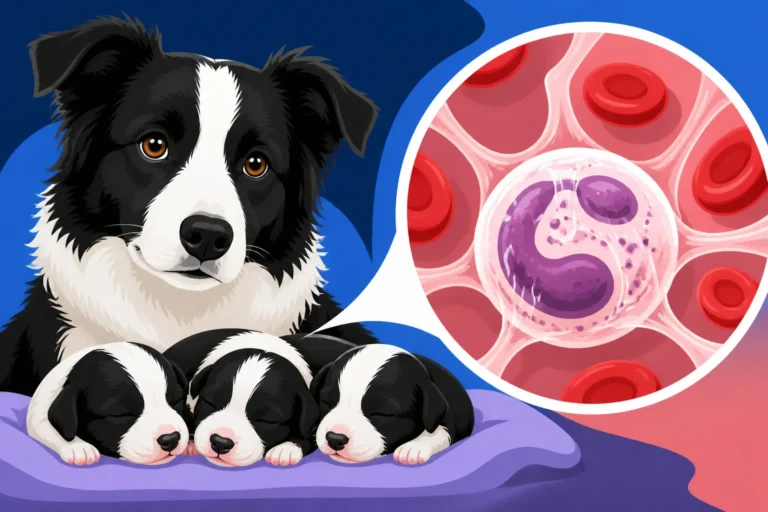
Then there's Trapped Neutrophil Syndrome (TNS), a devastating immune deficiency that affects puppies, making them vulnerable to recurrent infections and often leading to a shortened lifespan. Discovering your pet is a carrier for such a serious condition, even if they'll never develop it themselves, provides crucial information. It helps you understand their lineage and, if you ever consider another Border Collie, what questions to ask a breeder about the parents' genetic status. Without a genetic panel, these conditions remain hidden until symptoms emerge, often when treatment options are limited and expensive, causing immense stress and heartache for you and your furry friend.
Tailoring Vet Care and Emergency Protocols
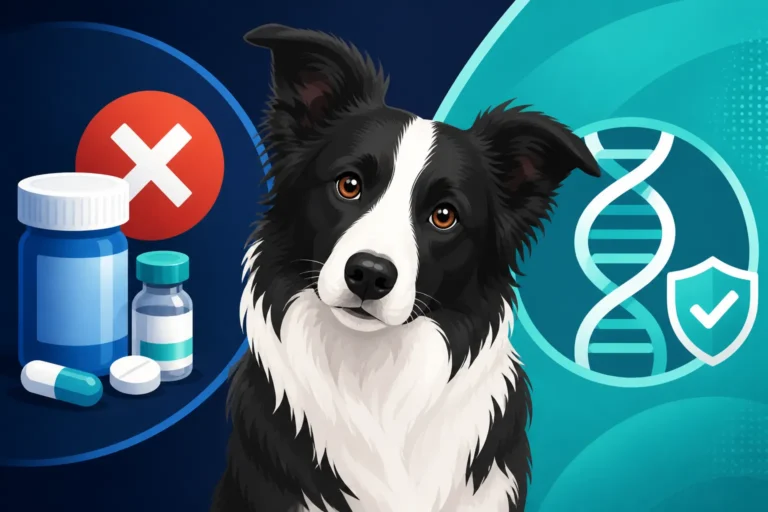
One of the most immediate and practical benefits of running a genetic panel on your pet Border Collie comes down to medication sensitivities. Multidrug Resistance 1 (MDR1) is a genetic mutation that affects how certain drugs are metabolized in many herding breeds, including Border Collies. If your dog has two copies of the mutated gene (meaning they are "affected"), common medications, including some anti-parasitics like ivermectin (used in heartworm prevention), certain anesthetics, chemotherapy drugs, and even some anti-diarrhea medications like loperamide (Imodium), can be toxic or even fatal.
Imagine an emergency situation where your dog needs immediate surgery or treatment, and the vet needs to act fast. If you know your Border Collie is MDR1 affected, you can inform the veterinary staff immediately, allowing them to choose safe alternative medications. This isn't just a minor detail; it's potentially life-saving. Without this knowledge, your vet might unknowingly administer a drug that causes severe neurological symptoms, seizures, or even death. Having this information readily available, perhaps even printed and attached to their medical records, is a powerful protective measure. Knowing Which Drugs an MDR1 Border Collie Cannot Have is vital for their safety. You can also educate your regular vet by Telling a Vet a Border Collie Is MDR1 Affected if they are not already familiar with your dog's specific genetic profile.
What a Comprehensive Border Collie Genetic Panel Typically Screens For
A good genetic panel for a Border Collie isn't just a single test; it's a battery of tests that investigate a spectrum of conditions known to affect the breed. These panels have evolved significantly over the years, becoming more comprehensive and accessible. It’s not just about what a breeder might look for, but what could impact any individual dog's health and well-being.
Key Genetic Conditions to Understand
Several conditions are particularly prevalent or severe in Border Collies, making them prime targets for genetic screening. Understanding what each means is the first step in appreciating the value of the panel.
- Collie Eye Anomaly (CEA): As mentioned, this is an inherited eye disorder affecting the choroid, the layer of tissue under the retina. Severity varies, but it can lead to vision impairment or detachment. A Border Collie puppy usually gets an eye exam at six weeks, but the DNA test confirms the genetic status. You can learn more about Collie Eye Anomaly in a Border Collie Puppy and how it manifests.
- Trapped Neutrophil Syndrome (TNS): A serious immune deficiency. Affected puppies have a dysfunctional immune system, leading to chronic infections and typically don't live past their early years. Learning about Trapped Neutrophil Syndrome in Border Collie Litters highlights the importance of early detection.
- Neuronal Ceroid Lipofuscinosis (NCL): This is a progressive neurological disorder that impacts the brain and nervous system, leading to motor difficulties, behavioral changes, and seizures. It's often devastating, with no cure. For more details, explore Neuronal Ceroid Lipofuscinosis in a Border Collie.
- Multidrug Resistance 1 (MDR1): This gene mutation impacts drug metabolism, leading to severe reactions to common medications. This is especially important for Drug Sensitivity and the Border Collie MDR1 Rate.
- Cobalamin Malabsorption (IGS): Also known as Imerslund-Gräsbeck Syndrome, this condition prevents the dog from absorbing vitamin B12 from their diet, leading to chronic diarrhea, poor growth, and lethargy. This can be managed with B12 supplements if caught early. Find out more about Cobalamin Malabsorption in a Border Collie.
- Degenerative Myelopathy (DM): A progressive disease of the spinal cord in older dogs, leading to weakness, ataxia, and eventual paralysis of the hind limbs. While there's no cure, knowing the risk can help with supportive care and management.
Here's a table summarizing some of the most common genetic conditions screened for in Border Collies:
| Condition Acronym | Full Name | Affected Body System(s) | Potential Symptoms | Carrier Status Implication (for pet owner) |
|---|---|---|---|---|
| CEA | Collie Eye Anomaly | Eyes | Vision impairment, blindness, retinal detachment | None (dog won't develop condition) |
| TNS | Trapped Neutrophil Syndrome | Immune System | Recurrent infections, poor growth, early mortality | None (dog won't develop condition) |
| NCL | Neuronal Ceroid Lipofuscinosis | Nervous System | Progressive neurological decline, seizures, behavioral changes | None (dog won't develop condition) |
| MDR1 | Multidrug Resistance 1 | Drug Metabolism | Adverse drug reactions, neurological toxicity | None (unless heterozygous, then drug sensitivity exists) |
| IGS | Cobalamin Malabsorption | Digestive/Metabolic | Chronic diarrhea, poor growth, lethargy | None (dog won't develop condition) |
| DM | Degenerative Myelopathy | Spinal Cord | Progressive hind limb weakness, paralysis | None (dog won't develop condition) |
It's important to remember that being a carrier means your dog carries one copy of the gene but will not develop the disease themselves. Being "affected" means they have two copies and are likely to develop or are already experiencing the condition. For a pet, the "affected" status is critical to know, while "carrier" status primarily provides information about the breed line, but still useful for comprehensive health understanding. For a deeper dive into the meanings, consider reading Carriers, Affected and Clear on a Border Collie Panel.
Beyond the Basics: What Else Might Be Included
While the conditions listed above are paramount for Border Collies, many comprehensive genetic panels, like those offered by companies such as Embark or Optimal Selection, go far beyond just these few. They might include screenings for:
- Progressive Retinal Atrophy (PRA): A group of genetic diseases causing progressive degeneration of the retina, ultimately leading to blindness. Some panels test for specific forms of PRA relevant to Border Collies.
- Glaucoma: Certain genetic markers can indicate an increased risk for this painful eye condition, which can lead to vision loss if not managed.
- Congenital Hypothyroidism with Goiter (CHG): A rare but severe thyroid disorder present from birth.
- Dilated Cardiomyopathy (DCM): Some panels test for genetic predispositions to certain heart conditions.
- Dental Anomalies: Certain genes are linked to missing teeth or other dental issues.
These broader panels can also provide insights into coat color genetics, trait testing (like ear set or tail length), and even breed ancestry. While these might seem less critical for a pet Border Collie's health, they add to your overall understanding of your individual dog. The more information you have, the better you can partner with your veterinarian to provide truly personalized care. If you're wondering what the full spectrum looks like, The Border Collie Genetic Panel and What It Screens offers a fantastic overview.
The Simple Process of Getting Your Pet Border Collie Tested
The idea of "genetic testing" might conjure images of complicated vet visits and blood draws, but for most comprehensive genetic panels available to pet owners today, the process is surprisingly straightforward and can often be done right at home. It's designed to be as stress-free as possible for both you and your Border Collie.
From Swab to Results: How DNA Collection Works
The most common method for collecting a DNA sample for a genetic panel is a simple cheek swab. This involves gently rubbing a sterile swab (provided in the testing kit) against the inside of your dog's cheek for a minute or two to collect epithelial cells. It's painless, non-invasive, and can be done without any special training.
Here's a general step-by-step:
- Order Your Kit: Reputable genetic testing companies, such as Embark, Wisdom Panel, or GenSol, offer kits specifically for breed-specific panels or comprehensive health screens. You order it online, and it arrives at your door.
- Prepare Your Dog: Make sure your dog hasn't eaten or drunk anything for at least 30 minutes prior to swabbing. This prevents food particles from contaminating the sample.
- Swab the Cheek: Following the kit's instructions, use the provided swabs to rub firmly but gently on the inside of your dog's cheek and under their tongue. Some kits come with multiple swabs for better sample collection.
- Dry and Package: Allow the swab to air dry thoroughly (usually 5-10 minutes) before placing it back into its sterile packaging. This prevents mold growth that could compromise the sample.
- Mail It Back: Register your kit online, if required, and then mail the sample back to the lab using the pre-paid envelope included in most kits.
Once the lab receives your sample, the process typically takes a few weeks, depending on the company and the breadth of the panel. You'll usually receive email updates as your sample moves through processing, and then an email notification when your results are ready to view on an online portal. If you're curious about specific options, Where to Send a Border Collie Cheek Swab provides excellent guidance on reputable laboratories.
Interpreting the Results and Working with Your Vet
Receiving those results can be a mixed bag of emotions – excitement, relief, or sometimes a bit of anxiety if something unexpected pops up. The key is to understand what the terms "Clear," "Carrier," and "Affected" truly mean for your individual pet.
- Clear: Your dog has two normal copies of the gene and does not carry the mutation for that specific disease. This is fantastic news, indicating they are not at risk for developing that genetic condition, nor can they pass it on.
- Carrier (or Heterozygous): Your dog has one normal copy and one mutated copy of the gene. For most recessive genetic diseases, being a carrier means your dog will not develop the disease themselves. However, if bred, they could pass the mutated gene to their offspring. For a pet Border Collie, this primarily serves as informational context about their genetic makeup and any future potential decisions. The notable exception is MDR1, where even carriers (heterozygotes) can have increased drug sensitivities, though usually less severe than affected dogs.
- Affected (or Homozygous Affected): Your dog has two copies of the mutated gene and is at high risk of developing or is already affected by the genetic condition. This is the most critical result for a pet owner, as it signals a need for proactive management and careful veterinary oversight.
Once you have your results, the most crucial step is to share them with your veterinarian. Don't just read them yourself and file them away. Your vet can help you interpret the implications, especially for affected status or MDR1 results. They can discuss:
- Monitoring protocols: What specific signs to watch for, and how often to schedule check-ups.
- Preventive measures: Are there any dietary changes, supplements, or lifestyle adjustments that could mitigate risks or support your dog's health?
- Medication adjustments: Crucially, which drugs to avoid for MDR1 affected dogs, and what safe alternatives exist.
- Specialist referrals: If a serious condition is indicated, your vet might recommend consulting a specialist, like a veterinary ophthalmologist for CEA or a neurologist for NCL.
This information becomes a vital part of your Border Collie's permanent medical record, ensuring that any vet who treats them in the future has the complete picture. It empowers you and your veterinary team to provide the most informed and protective care possible throughout your dog's life.
The Peace of Mind and Practical Benefits for Pet Owners
At the end of the day, all pet owners want what's best for their furry family members. Running a genetic panel on your pet Border Collie might seem like an extra step, especially if you're not planning on showing or breeding. However, the benefits extend far beyond those specific circles, leading to profound peace of mind and tangible practical advantages in managing your dog's health.
Proactive Health Management
Imagine knowing that your Border Collie has a genetic predisposition for a certain joint issue, even if they aren't showing symptoms yet. This knowledge allows you to be incredibly proactive. You might start them on joint supplements earlier in life, like glucosamine and chondroitin. You could adjust their exercise regimen to be lower impact, focusing on swimming instead of high-jumping agility. Similarly, if you know they're predisposed to a certain eye condition, regular eye check-ups become even more critical, potentially catching issues before they become severe.
This proactive approach isn't about avoiding inevitable outcomes; it's about optimizing their quality of life. By understanding their genetic blueprint, you can work with your vet to create a tailored health and wellness plan that anticipates potential challenges, rather than just reacting to them. This can mean earlier interventions, which are often less invasive and more effective, ultimately saving your dog from unnecessary discomfort and you from unexpected, costly emergencies. It's about giving them the best chance at a long, vibrant life, free from preventable complications.
Planning for the Future
Let's be realistic: vet bills can add up, especially when dealing with chronic or unexpected health conditions. Knowing your Border Collie's genetic predispositions can help you plan, both emotionally and financially. If your dog tests positive for a condition that might require ongoing medication or specialized care later in life, you can start setting aside funds or investigating pet insurance options like Healthy Paws. Understanding the likelihood of certain conditions can help you make informed decisions about coverage, ensuring you have the financial support needed should those conditions arise.
Beyond finances, there's the emotional preparedness. If you know your dog has a higher risk for a neurological disorder, for instance, you can educate yourself on the symptoms, understand what to expect, and mentally prepare for how you'll support them through any future challenges. This foresight allows you to savor every moment, knowing you're doing everything possible to keep them happy and healthy, equipped with the knowledge to navigate whatever their genetic journey may hold. It’s an investment in their future, and yours, offering a roadmap to a lifetime of shared joy and companionship.
Disclaimer
Please remember that this article provides general information and should not be considered a substitute for professional veterinary advice. Always consult with a qualified veterinarian regarding your Border Collie's specific health concerns, diagnosis, and treatment plan. Genetic test results are a valuable tool but should always be interpreted in conjunction with your veterinarian's clinical expertise.