Ear Infections Under a Border Collie’s Folded Ear
There's nothing quite as frustrating as watching your spirited Border Collie scratch incessantly at their ears, or worse, notice that tell-tale foul odor wafting from their head. For many Border Collie owners, ear infections become a recurring nightmare, especially given their unique ear structure. This guide is here to walk you through why these infections happen, how to spot them, and what practical steps you can take to keep your working companion's ears healthy and happy.
The Unique Challenge of the Border Collie Ear
Border Collies, with their intelligent gaze and often expressive, semi-pricked or folded ears, are absolute marvels. However, those very ears, while adding to their charm, can also be a breeding ground for discomfort and infection. Unlike breeds with fully upright ears that allow for excellent air circulation, or floppy ears that hang freely, many Border Collies have ears that fold or sit close to the head. This seemingly small anatomical detail creates a microclimate that’s just perfect for unwelcome guests.
Imagine a warm, dark, and slightly humid cave – that’s pretty much what the inside of a folded Border Collie ear can become. This environment is a paradise for yeast and bacteria, which naturally exist on the skin but can quickly overgrow when conditions are right. Combine this with their active, outdoorsy lifestyle, often involving splashes in creeks, dives into puddles, or running through damp fields, and you've got a recipe for trouble. Moisture gets trapped, warmth provides incubation, and the lack of air circulation means everything stays put, inviting microorganisms to set up shop and multiply.
Anatomy That Contributes to Issues
To truly understand why these infections are so prevalent, it helps to look a little deeper at the ear canal itself. A dog's ear canal isn't a straight shot like a human's; it has a distinctive L-shape. There's a vertical canal that runs down from the opening, and then it makes a sharp turn into a horizontal canal leading to the eardrum. This anatomical bend already makes drainage difficult and creates nooks and crannies where debris, wax, and moisture can easily accumulate.
When you add a folded ear flap on top of that L-shaped canal, it acts like a lid, further exacerbating the problem. The ear flap can seal off the opening, preventing air from circulating freely and making it even harder for any moisture or foreign material to escape. This creates a perfect incubator for bacterial and yeast growth, leading to inflammation and infection. It's a design flaw, in a way, for a dog bred to be out in all weather.
Common Triggers and Irritants
Beyond the anatomical predispositions, several factors can trigger or worsen ear infections in our beloved Border Collies. Allergies are a massive culprit, often flying under the radar. Just like people can have seasonal allergies that cause sniffles, dogs can have environmental allergies that manifest as itchy skin, including the skin inside their ears. When the ears become itchy due to allergens, your Border Collie will scratch and shake their head, causing micro-traumas to the delicate skin lining the ear canal, which then paves the way for secondary bacterial or yeast infections.
Food allergies are another common, though sometimes tricky, factor. If your Border Collie is reacting to something in their diet, ear infections can be one of the primary symptoms, often presenting with other signs like "Sensitive Skin in a Border Collie". Parasites, such as ear mites, while less common in adult dogs than puppies, can also cause intense irritation and lead to infection. Finally, foreign bodies like grass seeds, which are notorious for finding their way into paw pads, can also migrate into the ear canal, causing acute irritation and infection. It's a real pain point for active dogs who spend so much time exploring.
Spotting the Subtle Signs of an Ear Infection
Border Collies are incredibly stoic animals. They are bred to work, often pushing through discomfort, and they don't always wear their pain on their sleeve (or ear, in this case). This means that as their owner, you need to be extra vigilant and learn to recognize the often subtle signs that an ear infection might be brewing. Catching it early can save your dog a lot of pain and prevent the infection from becoming a chronic, harder-to-treat issue.
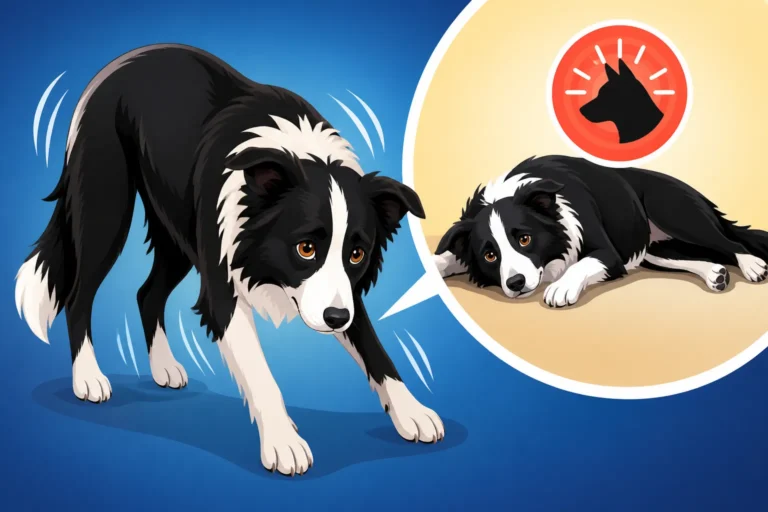
The most obvious signs are usually related to itchiness and discomfort. You might notice your Border Collie shaking their head more frequently or vigorously than usual, as if trying to dislodge something. They might also be scratching at their ears with a back paw, sometimes so intensely that they cause raw spots or hair loss around the ear flap. Pay close attention during quiet times; sometimes, the scratching happens when they think you're not looking.
Visual and Olfactory Clues
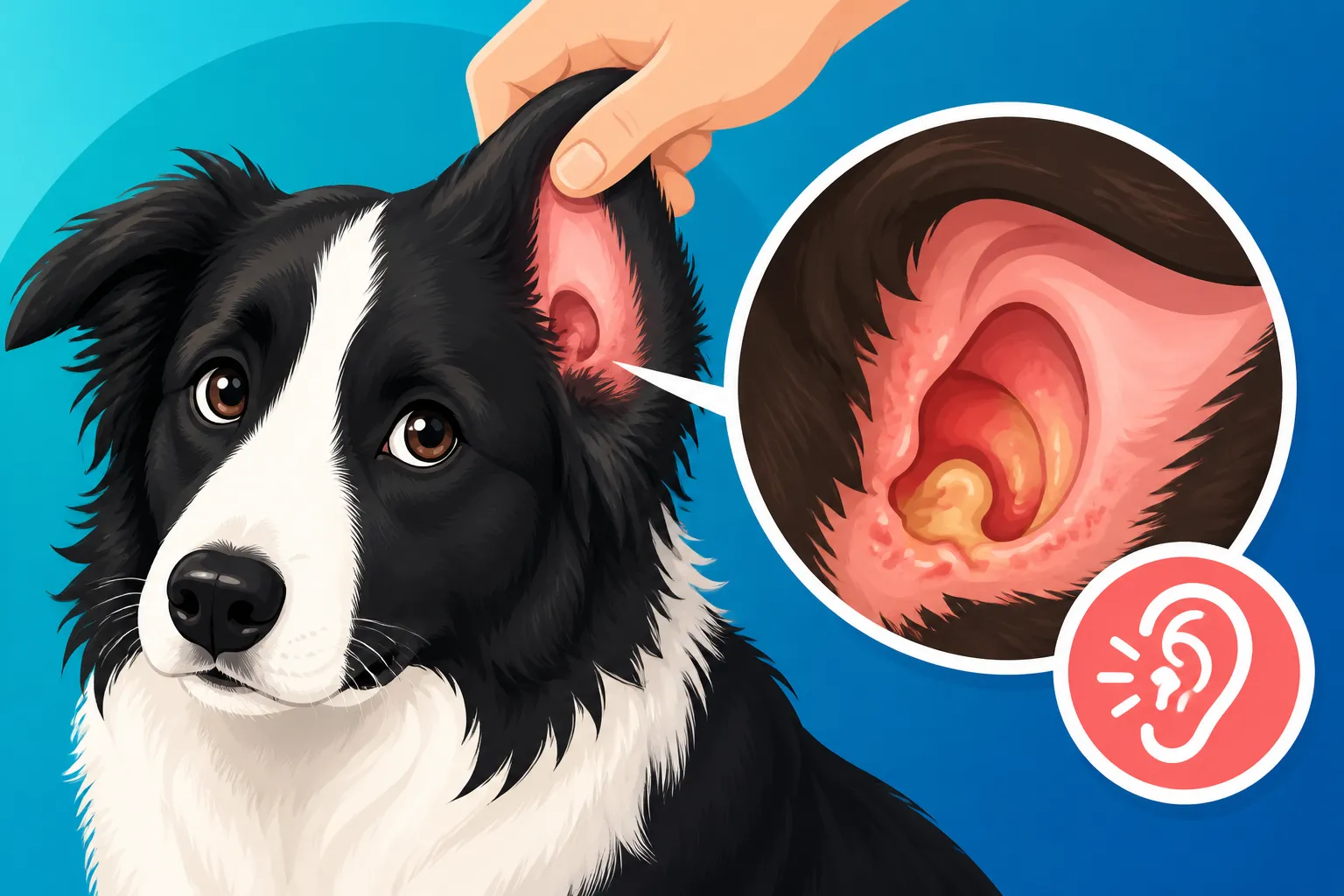
Beyond the behavioral changes, a physical inspection of the ear can reveal a lot. Gently lift your Border Collie's ear flap and take a good look and a sniff. A healthy ear canal should be clean, pale pink, and largely free of odor. If you see redness, swelling, or crusting inside the ear, that's a red flag. Discharge is another major indicator. It could be waxy and dark brown, resembling coffee grounds (often yeast or mites), or it could be yellowish-green and pus-like (usually bacterial).
And then there's the smell. A distinct, often pungent odor, ranging from sweet and yeasty to outright putrid, is a nearly undeniable sign of an active infection. Don't ignore a change in smell; it's one of the earliest and most reliable indicators that something is amiss. Sometimes, the infection can be so deep that you don't see a lot of discharge right at the opening, but the smell will still be there.
Behavioral Indicators of Discomfort
Because Border Collies are so tough, you might need to look for changes in their overall demeanor. A dog with a painful ear infection might become more withdrawn or irritable. They might flinch or vocalize when you try to pet their head or even when they chew. You might notice them holding their head tilted to one side, favoring the unaffected ear. Their enthusiasm for their usual activities, whether it's a game of fetch or their daily walk, might diminish.
If your Border Collie, usually eager for their "Away to Me" or "Come Bye" commands on the field, seems less responsive or a bit grumpy, an ear infection could be the culprit, especially if they are usually keen to work. This isn't just about the physical irritation; chronic pain can impact their mental state and willingness to engage.
Here’s a quick overview of what to look for:
| Symptom Category | Mild Indication | Moderate Indication | Severe Indication |
|---|---|---|---|
| Behavioral | Occasional head shake, light scratching | Frequent head shaking, persistent scratching, head tilt | Constant scratching, whining when touched, loss of appetite |
| Visual | Slight redness, increased ear wax | Visible discharge (brown/yellow), swelling, crusting | Significant swelling, bleeding, raw skin, hair loss |
| Olfactory | Faint yeasty smell | Strong, distinct odor (yeasty or foul) | Overpowering, putrid smell |
| Pain | No apparent pain upon gentle touch | Flitches/pulls away when ear is touched | Cries out, growls, or snaps when ear is approached/touched |
Proactive Prevention and Effective Treatment Strategies
The good news is that many ear infections in Border Collies are preventable, and when they do occur, they can be effectively treated with prompt veterinary care. The key is consistency in prevention and swift action at the first sign of trouble. Don't fall into the trap of thinking it's "just a little itch" – that little itch can quickly escalate into a full-blown, painful infection.
One of the most crucial elements of prevention is regular ear cleaning. For Border Collies prone to infections, this might mean a quick check and clean once a week, or even more frequently if they've been swimming or playing in wet environments. Use a veterinarian-approved ear cleaner. These cleaners are specifically formulated to gently break down wax and debris without irritating the delicate skin, and many also have drying agents to help remove moisture. Always use a soft cotton ball or gauze pad – never cotton swabs, as these can push debris further into the canal and potentially damage the eardrum.
The Importance of Drying and Environmental Management
After baths, swims, or any wet adventures, thoroughly drying your Border Collie's ears is paramount. Gently blot the outer ear flap and the visible part of the canal with a clean towel. You can also use a small amount of an ear-drying solution, especially formulated for dogs, which can help evaporate any residual moisture. This is especially important for those with heavily folded ears that trap water easily. Think of it like drying your own ears after a swim to prevent swimmer's ear – it's the same principle.
Consider the environment your dog lives and works in. If your Border Collie spends a lot of time in tall grass, ensure you check their ears for grass seeds or other foreign bodies after each outing. If allergies are suspected as an underlying cause for recurring ear issues, discuss this with your vet. They might recommend exploring options like a prescription diet to rule out food allergies, or specific medications to manage environmental allergies. Addressing underlying issues like "Allergies in a Border Collie" is often the only way to break the cycle of chronic ear infections.
When to Seek Veterinary Intervention
Despite your best efforts, ear infections can still happen. The moment you notice any of the signs – head shaking, scratching, redness, odor, or discharge – it's time for a vet visit. Please don't try to self-diagnose or treat with home remedies. What looks like a yeast infection could actually be bacterial, or a foreign body could be lodged deep inside, requiring professional removal. Improper cleaning or using the wrong product can make things worse, pushing the infection deeper or irritating the ear further.
Your veterinarian will use an otoscope to examine the ear canal thoroughly and check the eardrum. They will also likely take a swab of the ear discharge to look at under a microscope, which helps them identify whether the infection is bacterial, yeast-based, or a combination, and rule out mites. This diagnostic step is crucial because different types of infections require different medications. A bacterial infection might need antibiotics, while a yeast infection will require antifungal drops. Sometimes, an ear flush may be necessary to remove stubborn debris before medication can be applied effectively.
For some Border Collies, ear infections can become chronic, requiring ongoing management. This is where pet insurance can be a real lifesaver. Providers like Healthy Paws can help alleviate the financial burden of repeated vet visits, diagnostics, and long-term medication, ensuring your dog gets the consistent care they need without you having to worry as much about the cost. Having an annual check-up, often referred to as "The Annual Exam a Border Collie Needs", can also help catch early signs of chronic issues.
Long-Term Management and Advanced Care for Persistent Issues
Dealing with a single ear infection is one thing, but for some Border Collies, ear problems can become a persistent battle. If your dog experiences recurrent ear infections, it’s a clear signal that there’s an underlying cause that needs to be identified and addressed. Simply treating the symptoms each time won't solve the root problem, and your dog will continue to suffer. This is where long-term management strategies and sometimes, advanced veterinary care, come into play.
The first step in managing chronic ear infections is to work closely with your veterinarian to pinpoint the underlying cause. As mentioned, allergies are extremely common culprits. This might involve a more in-depth investigation, potentially with a veterinary dermatologist. They can conduct specific tests to identify environmental allergens, such as pollen, dust mites, or molds, or suggest an elimination diet trial to identify food sensitivities. Understanding these triggers is essential, as managing them is key to preventing future flare-ups. For instance, if your Border Collie has food sensitivities, changing to a hypoallergenic diet can make a dramatic difference.
Specialized Treatments and Diagnostics
When standard treatments aren't enough, your vet might recommend specialized diagnostic tools or treatments. This could include further imaging, such as X-rays, CT scans, or MRI, especially if the infection is suspected to have spread into the middle ear or if there's concern about polyps or tumors within the ear canal. In very severe, chronic cases where the ear canal is permanently damaged and unresponsive to medical management, a Total Ear Canal Ablation (TECA) surgery might be considered. This is a last resort procedure that involves removing the entire ear canal, permanently resolving the infection, but also resulting in deafness in that ear.
It’s crucial to remember that treating ear infections, especially chronic ones, can be costly. From specialized consultations to advanced diagnostics and potentially long-term medication or even surgery, the bills can add up quickly. This is where pet insurance, like a comprehensive plan from Healthy Paws, really proves its value. It can help cover a significant portion of these expenses, allowing you to focus on your Border Collie's health and comfort without the added stress of financial strain. Thinking about "The Annual Border Collie Budget Nobody Plans For" should definitely include potential health issues like this.
Consistent Home Care and Monitoring
Even with advanced veterinary intervention, consistent home care remains vital. This includes continuing with regular ear cleaning routines as advised by your vet, especially if your dog has residual inflammation or a predisposition to wax buildup. Learn how to properly administer any prescribed ear drops or ointments, ensuring you're reaching the affected areas without causing further discomfort. For a working Border Collie, particularly those in their "Caring for a Border Collie Past Its Working Years," maintaining ear health can significantly impact their quality of life.
Maintaining a detailed record of your Border Collie's ear health can also be incredibly helpful. Note down when infections occur, what symptoms you observe, how long they last, and what treatments were successful. This information can provide valuable insights to your vet, helping them identify patterns and tailor treatment plans more effectively. Regularly scheduled follow-up appointments, along with keeping up with "Yearly Bloodwork for a Border Collie," are essential to monitor progress and adjust management strategies as needed. It's a journey, not a sprint, but with dedication, your Border Collie can enjoy a much more comfortable life, free from the constant annoyance of ear problems.
Disclaimer
This article is intended for informational purposes only and does not constitute veterinary advice. Always consult with a qualified veterinarian for any health concerns or before making any decisions about your pet's medical care.