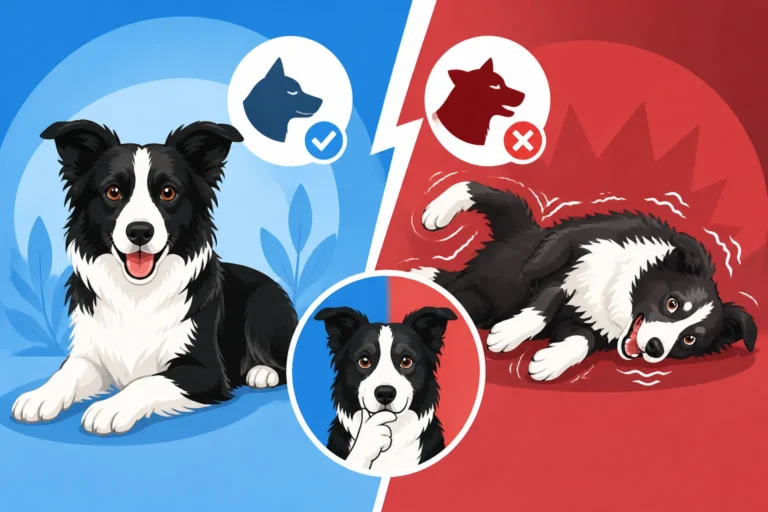
Allergies in a Border Collie
It’s heartbreaking to watch your usually vibrant Border Collie, full of boundless energy and eager to work, suddenly transform into an obsessive scratcher, licker, or head-shaker. You know something is off when their skin is red and angry, they're developing persistent ear infections, or their once-glossy coat looks dull and patchy. This constant discomfort isn't just a minor annoyance for them; it significantly impacts their quality of life and leaves you feeling helpless. This comprehensive guide will delve into the frustrating world of allergies in Border Collies, helping you understand the common culprits, recognize the often-subtle symptoms, navigate the diagnostic process, and explore effective management strategies to bring your beloved companion relief.
Unraveling the Mystery of Border Collie Allergies
Allergies in dogs, much like in humans, are essentially an overreaction of the immune system to substances that are typically harmless. Instead of ignoring pollen, certain food ingredients, or flea saliva, the body mounts an exaggerated defense, leading to inflammation and discomfort. For a breed as sensitive and energetic as the Border Collie, these immune system misfires can be particularly distressing, often manifesting as intense itching and skin issues. It's a frustrating cycle that can take a toll on both dog and owner.
Why Border Collies Seem Prone to Allergies
While any dog breed can develop allergies, Border Collies, like many purebreds, can have a genetic predisposition. Their keen intelligence and high drive mean that chronic discomfort from allergies can lead to more intense, obsessive behaviors like constant licking or chewing. Furthermore, their active lifestyles, often spent outdoors in fields, forests, or agility rings, expose them to a wider array of environmental allergens. Think about the Border Collie working sheep all day in a dusty pasture, or the agility dog rolling around in grass at a trial – they're soaking up pollen, mold spores, and various plant materials that could trigger a reaction.
The Different Faces of Canine Allergies
Understanding the different types of allergies is the first step toward finding relief. They generally fall into three main categories, each with its own set of triggers and common symptoms:
- Environmental Allergies (Atopy): These are by far the most common type of allergy in dogs, often showing up seasonally but sometimes persisting year-round. Triggers include pollens from trees, grasses, and weeds, as well as dust mites, mold spores, and dander. It's frustrating because these allergens are almost impossible to completely avoid. Imagine your Border Collie who loves to play in the backyard, but every time they come in, they're scratching their paws raw – that's often a classic sign of environmental allergies at play. You might even notice that a Border Collie's drive drops with its thyroid, which can sometimes be linked to overall immune health.
- Food Allergies: Less common than environmental allergies, food allergies occur when a dog's immune system reacts adversely to specific proteins in their diet. Common culprits include beef, dairy, chicken, wheat, and soy, though any protein source can technically be an allergen. Unlike food intolerances, which cause digestive upset but don't involve the immune system, true food allergies can manifest with both skin and gastrointestinal symptoms. It can be a real puzzle trying to figure out which ingredient is causing the problem.
- Flea Allergy Dermatitis (FAD): This isn't just a reaction to fleas; it's an intense allergic reaction to the saliva of fleas. For a dog with FAD, even a single flea bite can cause an incredibly itchy, inflamed reaction that lasts for days or even weeks. Given how much time many Border Collies spend outdoors, strict flea control is absolutely paramount, as missing even one dose of preventative can lead to an outbreak of intense itching and hot spots.
Recognizing the Signs and Symptoms of Allergies
One of the biggest frustrations for Border Collie owners dealing with allergies is that the symptoms often look similar to other skin conditions, making accurate diagnosis a challenge. However, paying close attention to your dog's behavior and physical changes can provide crucial clues.
The Itch-Scratch Cycle: Skin, Paws, and Ears
The most hallmark sign of allergies in Border Collies is, without a doubt, relentless itching. This can manifest in several ways:
- Generalized Itching and Scratching: You'll see your Border Collie scratching their body with their hind legs, often vigorously. This can lead to hair loss, redness, and secondary skin infections from bacteria or yeast, creating an unpleasant odor. Owners often report seeing their dog "chew itself when bored," but often, this chewing is driven by underlying irritation rather than boredom.
- Licking and Chewing Paws: If your Border Collie is constantly licking, chewing, or even gnawing at their paws, especially between the toes, it's a strong indicator of allergies. The saliva can stain their fur a rusty color, making it even more obvious. This can also lead to issues like paw infection, which might be mistaken for other problems if the underlying allergy isn't addressed.
- Recurrent Ear Infections: This is a huge one for many Border Collies, especially those with folded or semi-pricked ears. The ear canal becomes inflamed and itchy, leading to excessive head shaking, scratching at the ears, and a foul odor. If you find yourself at the vet repeatedly for ear infections under a Border Collie's folded ear, allergies are a very strong suspect.
- Rubbing Face and Body: Dogs might rub their face against furniture, carpets, or even you, trying to relieve the intense itch. This can cause raw spots around their eyes, muzzle, or chin.
Skin Manifestations Beyond the Itch
Allergies don't just make a Border Collie itchy; they can lead to a host of visible skin problems:
- Redness and Inflammation: The skin often appears visibly red and inflamed, especially in areas like the armpits, groin, belly, and between the toes.
- Rashes and Bumps: Small red bumps, pustules, or a widespread rash can appear. This is often a sign of a secondary bacterial infection taking hold in the damaged skin.
- Hair Loss and Thinning Coat: Constant scratching and licking can cause significant hair loss, sometimes leading to large bald patches. The remaining coat might appear dull or greasy.
- "Hot Spots" (Acute Moist Dermatitis): These are quickly developing, painful, red, oozing skin lesions that commonly appear on the flanks, hips, or neck. They are almost always a result of intense scratching, licking, or chewing in one area, often triggered by an allergic itch. The sudden appearance of hot spots on a Border Collie is usually a clear cry for help.
Gastrointestinal and Other Symptoms
While skin issues are primary, food allergies can also present with digestive upset:
- Vomiting and Diarrhea: Chronic or intermittent vomiting and diarrhea, particularly after eating specific foods, can be a sign of a food allergy.
- Flatulence and Abdominal Discomfort: Excessive gas, a rumbling stomach, or signs of discomfort when touched around the abdomen can also be indicative.
- Respiratory Signs: Though far less common in dogs than in humans, some dogs can experience respiratory symptoms like coughing, sneezing, or wheezing with severe environmental allergies.
It's crucial to remember that many of these symptoms can overlap with other conditions, from parasites to fungal infections. This is why a thorough veterinary investigation is so important.
Diagnosing the Allergy: A Patient and Methodical Approach
Pinpointing the exact cause of your Border Collie's allergies can feel like detective work, requiring patience and a close partnership with your veterinarian. There's no single "allergy test" that covers everything, and it often involves a process of elimination.
The Initial Veterinary Consultation
Your first step is always a visit to your trusted veterinarian. They will take a detailed history, asking about the onset of symptoms, seasonality, diet, flea prevention, and any changes in your dog's environment. Be prepared to discuss:
- When did the symptoms start?
- Are they seasonal or year-round?
- What food does your Border Collie eat?
- What flea prevention are they on, and how consistently?
- Any new household products, changes in routine, or travel?
This initial information helps your vet form a hypothesis and rule out the most common non-allergic causes of itching. They'll also perform a full physical exam, including a thorough skin and ear check.
Ruling Out Other Itchy Culprits
Before diving into allergy diagnostics, your vet will want to rule out other conditions that mimic allergy symptoms:
- Parasites: Fleas (even just one!), mites (like sarcoptic mange or demodex), and even some internal parasites can cause intense itching. Skin scrapings and flea combs are standard procedures to check for these.
- Infections: Bacterial (pyoderma) and yeast (Malassezia) infections are incredibly common secondary problems in allergic dogs because the damaged skin barrier allows these organisms to proliferate. Your vet will often perform cytology (examining skin cells under a microscope) to identify these infections and prescribe appropriate antibiotics or antifungals to clear them up first. This is crucial because you can't properly assess underlying allergies if secondary infections are rampant.
- Other Skin Conditions: Less common but possible conditions like autoimmune diseases or hormonal imbalances can also cause skin issues. Bloodwork, like the yearly bloodwork for a Border Collie, can help assess overall health and rule out some of these.
The Gold Standard: Food Elimination Trial
If food allergies are suspected, the only truly accurate diagnostic method is a food elimination trial, which is often easier said than done with a clever, food-motivated Border Collie.
- Strict Novel or Hydrolyzed Protein Diet: Your vet will prescribe a specialized diet. This is either a "novel protein" diet, containing a protein source your dog has never eaten before (like venison, duck, or kangaroo), or a "hydrolyzed protein" diet, where the proteins are broken down into such small pieces that the immune system doesn't recognize them as allergens. Brands like Royal Canin or Hill's offer excellent veterinary-specific options.
- No Cheating! For 8-12 weeks, your Border Collie must eat nothing else. This means no treats, no table scraps, no flavored medications (unless approved by your vet), and no access to other pets' food. This is where the challenge often lies; an inquisitive Border Collie can easily snatch a dropped crumb or raid a cat's bowl.
- Monitor Symptoms: You'll meticulously track your dog's symptoms. If they improve significantly, it indicates a food allergy.
- Reintroduction (Optional but Informative): To confirm the specific allergen, your vet might recommend reintroducing old food ingredients one by one. If symptoms return after reintroducing chicken, for example, you've found your culprit.
Environmental Allergy Testing
Once food allergies and other causes are ruled out, environmental allergy testing can be considered. These tests identify which environmental allergens your dog reacts to, which can be helpful for developing immunotherapy.
- Intradermal Skin Testing (IDST): This is considered the most accurate method. A veterinary dermatologist shaves a small patch of fur on your dog's side, injects tiny amounts of various common allergens under the skin, and then monitors for localized reactions (red bumps) over about 20 minutes. It requires sedation and is usually done by a specialist.
- Blood Testing (Serology): A blood sample is sent to a lab to measure allergen-specific antibodies (IgE) in the blood. While less invasive than IDST, its accuracy can be debated, and results can sometimes be less reliable. It's often used as a screening tool or when IDST isn't feasible.
It's important to understand that positive allergy tests don't always mean your dog has clinical allergy symptoms, and some dogs with allergies can have negative results. The tests are a tool to help guide treatment, especially if immunotherapy is being considered. Navigating these diagnostic costs can be overwhelming, which is why pet insurance providers like Healthy Paws can be a lifesaver, helping to cover a significant portion of these necessary investigations.
Managing and Treating Border Collie Allergies
Once you have a diagnosis, or at least a good understanding of what might be going on, the focus shifts to management. There's no cure for allergies, but there are many ways to keep your Border Collie comfortable and minimize their symptoms. Often, a multi-modal approach combining several strategies yields the best results.
Strategies for Environmental Allergies (Atopy)
Managing environmental allergies often involves a combination of medication, immunotherapy, and environmental control.
Medications for Symptom Relief
These medications help to control the itching and inflammation directly:
- Antihistamines: For mild, seasonal allergies, over-the-counter antihistamines like diphenhydramine (Benadryl) or cetirizine (Zyrtec) can sometimes offer some relief. Always consult your vet for proper dosing, as human formulations can vary.
- Corticosteroids: These are powerful anti-inflammatory drugs (e.g., prednisone) that provide rapid and effective relief from severe itching. However, long-term use can lead to significant side effects, so they are generally reserved for short-term flare-ups or when other options aren't effective.
- Apoquel (Oclacitinib): This is a targeted medication that specifically blocks the itch pathway in dogs. It's often very effective and generally has fewer side effects than steroids, making it a popular choice for long-term management.
- Cytopoint (Lokivetmab): This is an injectable monoclonal antibody that targets and neutralizes a specific protein involved in sending the itch signal. A single injection can provide 4-8 weeks of itch relief, offering a convenient and highly effective option for many dogs, with very few side effects.
Immunotherapy (Allergy Shots/Drops)
This is the only treatment that aims to change the immune system's response to allergens, rather than just suppressing symptoms.
- Custom-Made Serum: Based on your Border Collie's allergy test results, a veterinary dermatologist will formulate a custom serum containing tiny amounts of the specific allergens your dog reacts to.
- Administration: This serum is given either through injections at home (allergy shots) or drops under the tongue (sublingual immunotherapy).
- Long-Term Commitment: Immunotherapy requires a significant commitment, typically administered for 1-2 years before full effectiveness is assessed. About 60-80% of dogs show significant improvement, becoming less reliant on other medications. It's a proactive approach that can lead to lasting relief.
Topical and Environmental Management
Supporting your Border Collie's skin health and reducing allergen exposure can make a big difference:
- Regular Bathing: Frequent bathing with a hypoallergenic, medicated, or soothing shampoo can wash allergens off the coat, relieve itching, and treat secondary skin infections. Look for ingredients like oatmeal, aloe vera, or chlorhexidine. Getting water through a Border Collie's undercoat can be a chore, but it's essential for thorough cleaning.
- Topical Treatments: Sprays, mousses, or wipes containing corticosteroids, antihistamines, or soothing agents can provide localized relief to particularly itchy areas.
- Omega-3 Fatty Acid Supplements: High-quality fish oil supplements can help improve skin barrier function and reduce overall inflammation, making the skin less reactive to allergens.
- Environmental Control: While impossible to completely eliminate allergens, you can minimize them. Use HEPA air filters in your home, vacuum frequently with a HEPA-filtered vacuum, wash bedding weekly in hot water, and consider wiping down your Border Collie's paws and coat with a damp cloth after outdoor excursions to remove pollen.
Managing Food Allergies
The cornerstone of managing food allergies is strict dietary avoidance of the identified trigger ingredients.
- Prescription Diets: Continue feeding the novel or hydrolyzed protein diet that proved successful during the elimination trial. These diets are specifically formulated to be non-allergenic.
- Careful Label Reading: If you transition to an over-the-counter "limited ingredient" or "grain-free" diet, read labels meticulously. Even tiny amounts of a problematic ingredient can trigger a reaction.
- Treats and Chews: Be extremely careful with treats, chews, and even dental products. Many contain common allergens. Stick to single-ingredient treats that align with your dog's safe protein source, or bake your own.
- Preventing Scavenging: Given a Border Collie's intelligence and curiosity, you'll need to be extra vigilant about preventing them from scavenging food off the ground, raiding garbage cans, or stealing food from other pets or family members.
Combatting Flea Allergy Dermatitis (FAD)
For FAD, relentless flea control is the only way to prevent symptoms.
- Consistent Flea Prevention: Use a veterinarian-recommended, high-quality flea preventative year-round, without fail. Oral medications like Bravecto or NexGard, or topical treatments like Frontline, are often most effective. Do not rely on over-the-counter products from pet stores, as many are ineffective or not truly systemic. Tick cover for a Border Collie working in cover is also crucial for overall parasite management.
- Environmental Treatment: If your home has an active flea infestation, you'll need to treat your house and yard in addition to your dog. This might involve professional pest control or diligent use of household flea sprays that contain insect growth regulators.
The Long-Term View and Financial Planning
Living with an allergic Border Collie means accepting that this is usually a chronic condition requiring ongoing management. It's not a quick fix, and treatments may need to be adjusted over time as your dog's needs change or as new allergens emerge. The costs associated with diagnostics, prescription foods, medications, and regular vet visits can add up quickly. This is where having comprehensive pet insurance, such as a policy from Healthy Paws, can provide immense peace of mind, helping you afford the best possible care without compromising your financial stability. Many owners also save instead of insuring a Border Collie, but for chronic conditions like allergies, insurance can often be more beneficial.
It's a journey, but with accurate diagnosis, a consistent treatment plan, and a lot of love, you can significantly improve your Border Collie's comfort and allow them to get back to being the happy, energetic companion you know and love.
| Allergy Type | Common Triggers | Primary Symptoms | Common Treatments |
|---|---|---|---|
| Environmental (Atopy) | Pollen (trees, grass, weeds), dust mites, mold | Itchy skin, ear infections, paw licking, hot spots, recurrent skin infections | Antihistamines, corticosteroids, Apoquel, Cytopoint, immunotherapy, medicated baths, Omega-3s, environmental control |
| Food Allergy | Beef, chicken, dairy, wheat, soy, lamb | Itchy skin, recurrent ear infections, vomiting, diarrhea, flatulence | Strict food elimination diet, novel protein or hydrolyzed diets, careful treat selection |
| Flea Allergy Dermatitis | Flea saliva | Intense itching, scabs, hair loss, hot spots, especially over the hindquarters and tail base | Year-round, consistent, high-quality flea prevention, environmental flea control |
Disclaimer
This article is intended for informational purposes only and is not a substitute for professional veterinary advice. Always consult with a qualified veterinarian for any health concerns or before making any decisions about your pet's medical treatment.