Whether One Seizure Means a Border Collie Has Epilepsy
Witnessing your beloved Border Collie suffer a seizure for the first time is one of the most frightening and disorienting experiences a dog owner can face. That sudden, uncontrolled activity, the collapse, the thrashing – it's a terrifying moment that leaves you shaken and immediately asking a cascade of anxious questions. The biggest one often is: "Does this mean my dog now has epilepsy?" This guide is here to walk you through understanding that crucial question, what a single seizure might signify, and the important steps to take in the aftermath.
The Frightening Reality of a First Seizure
When an otherwise healthy, vibrant Border Collie suddenly seizes, it's a moment frozen in time. The sheer unpredictability and the violence of the event can be deeply traumatic for an owner. Many people describe feeling helpless, unsure what to do, and overwhelmed by a surge of fear for their dog's well-being. It’s a completely natural reaction.
What a Border Collie Seizure Looks Like
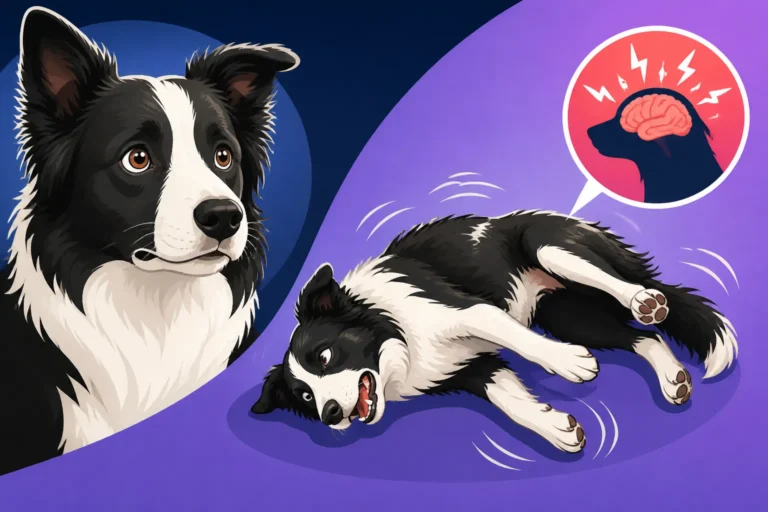
A typical generalized seizure, often called a grand mal seizure, in a Border Collie can manifest quite dramatically. You might first notice a subtle change in your dog's demeanor, a moment of confusion or staring into space, sometimes referred to as the 'aura' phase. Then, without warning, they might collapse, fall to their side, and begin to paddle their legs uncontrollably, almost as if they're swimming. Their body might become rigid, their head could be thrown back, and they often lose consciousness.
Salivation, or drooling excessively, is common, as is involuntary urination or defecation. Their eyes may roll back or become fixed, and their breathing might be labored or irregular. This active phase of the seizure usually lasts from a few seconds to a few minutes. It can feel like an eternity when you're watching it unfold. If you've never seen one before, it's easy to assume the worst. For a more detailed look at the physical manifestations, you can read about What a Border Collie Seizure Looks Like.
The Immediate Aftermath and Your Role
Once the active seizure phase subsides, your Border Collie will enter what's known as the 'post-ictal' phase. This period can range from minutes to hours, or even a full day. During this time, your dog will likely be disoriented, confused, restless, and perhaps temporarily blind or deaf. They might pace aimlessly, bump into furniture, or seek reassurance. Some dogs might be extremely hungry or thirsty during this phase.
Your primary role during the seizure itself is to ensure your dog's safety. Move any objects they could hit their head on and keep your hands away from their mouth – they can unintentionally bite during a seizure. Resist the urge to hold them down or try to 'bring them out of it.' Once the seizure stops, keep them warm and quiet. It's crucial to calmly observe and record details like the start time, duration, and specific symptoms. This information is invaluable for your veterinarian in diagnosing the cause. Understanding The First Minute of a Border Collie Seizure can help you respond effectively.
Understanding Epilepsy in Border Collies
The term "epilepsy" often carries a heavy emotional weight, conjuring images of ongoing medical management and a potentially altered quality of life for your dog. While it's a serious condition, it's also important to understand exactly what it means in the veterinary context, especially when dealing with a single seizure event.
Defining Canine Epilepsy
At its core, canine epilepsy is a chronic neurological disorder characterized by recurrent, unprovoked seizures. The key word here is "recurrent." It's not just a single event, but a pattern of seizures. These seizures originate from abnormal electrical activity in the brain. They are considered "unprovoked" because they aren't directly caused by an identifiable, immediate trigger like a toxin or a metabolic crisis that can be easily resolved.
There are different types of epilepsy, with idiopathic epilepsy being the most common form in dogs. "Idiopathic" simply means the cause is unknown, but it's strongly suspected to have a genetic basis. Other forms, like structural epilepsy, occur when there's an identifiable brain lesion, such as a tumor or stroke, causing the seizures.
When Does One Seizure Become Epilepsy?
This is the million-dollar question for many worried owners. Generally, a single seizure episode, even if it's dramatic, does not automatically constitute a diagnosis of epilepsy. Most veterinarians will look for a pattern of recurrent seizures before making an epilepsy diagnosis. A common guideline is that two or more unprovoked seizures occurring more than 24 hours apart within a six-month period might indicate epilepsy.
Think of it like this: a single cough doesn't mean you have chronic bronchitis. It could be a temporary irritation. Similarly, a single seizure could be an isolated incident with a transient cause. It’s a warning sign, yes, and one that absolutely requires immediate veterinary attention, but it's not necessarily a life sentence of chronic epilepsy. The period between the first and any subsequent seizure is a time for careful monitoring and often, a series of diagnostic tests to rule out other potential causes. If you're concerned about a young dog, Epilepsy in a Border Collie Between One and Five provides further insight into onset ages.
Breeds Prone to Epilepsy and Genetic Factors
Unfortunately, Border Collies are one of the breeds with a known predisposition to idiopathic epilepsy. This means they are genetically more likely to develop the condition than many other breeds. Other breeds commonly affected include Beagles, German Shepherds, Labrador Retrievers, Golden Retrievers, and Australian Shepherds.
This genetic link is why responsible breeders often perform DNA tests and carefully track health histories in their breeding lines. The hereditary nature of idiopathic epilepsy means that if a Border Collie has a seizure, especially at a typical age of onset (often between six months and five years), it raises a higher suspicion for epilepsy than it might in a breed without this predisposition. However, even with this genetic factor, a single seizure still needs thorough investigation to rule out other possibilities. When considering breeding, knowing Which DNA Tests a Border Collie Breeder Should Have Run is vital.
Other Reasons for a Single Seizure
While epilepsy is a significant concern for Border Collie owners, it's crucial to remember that a single seizure can be a symptom of many different underlying health issues. Some of these are temporary and treatable, making a thorough diagnostic process absolutely essential.
Metabolic Imbalances and Toxins
The body's delicate internal chemistry plays a huge role in brain function. Any significant imbalance can disrupt normal electrical activity, leading to a seizure.
- Hypoglycemia (Low Blood Sugar): This is a relatively common cause, especially in puppies or small breeds, but can affect adult dogs with certain medical conditions like insulinomas (pancreatic tumors). Without enough glucose, the brain simply can't function correctly.
- Liver Disease: The liver is crucial for detoxifying the blood. If it's not working properly, toxins can build up and affect brain function, leading to hepatic encephalopathy, which can manifest as seizures.
- Kidney Disease: Similar to liver disease, severe kidney dysfunction can lead to a buildup of waste products in the blood, causing neurological symptoms.
- Electrolyte Disturbances: Imbalances in electrolytes like sodium, potassium, or calcium can profoundly affect nerve impulse transmission and muscle contraction, potentially triggering a seizure.
- Toxins: Accidental ingestion of poisons is a surprisingly frequent cause of acute seizures. Common culprits include:
- Chocolate: Contains theobromine, which is toxic to dogs.
- Xylitol: An artificial sweetener found in many sugar-free products, extremely toxic to dogs.
- Pesticides and Herbicides: Products like snail bait (metaldehyde), rat poison, or certain lawn chemicals.
- Household Cleaners and Medications: Many human medications are highly toxic to dogs, and even common cleaning agents can cause severe neurological effects if ingested.
Head Trauma and Infections
Physical injury or infection affecting the brain can also induce seizures.
- Head Trauma: A severe blow to the head, perhaps from a fall, being hit by a car, or an altercation with another animal, can cause swelling, bleeding, or bruising in the brain. This can lead to immediate or delayed seizures. Even if the initial trauma seems minor, internal damage might be present.
- Infections:
- Encephalitis: Inflammation of the brain itself. This can be caused by various agents, including viruses (like canine distemper), bacteria, fungi, or parasites.
- Meningitis: Inflammation of the membranes surrounding the brain and spinal cord. It can have similar causes to encephalitis and also lead to neurological signs, including seizures.
- Other Systemic Infections: Sometimes, a severe infection elsewhere in the body can lead to high fever or sepsis, which can indirectly trigger a seizure.
Structural Brain Issues
While less common, structural abnormalities within the brain can be the underlying cause of seizures, particularly in older dogs or those with a sudden onset of symptoms.
- Brain Tumors: Both benign and malignant tumors can press on brain tissue, disrupt normal electrical activity, and cause seizures. The type and location of the tumor will influence the specific symptoms observed.
- Strokes (Cerebrovascular Accidents): Similar to humans, dogs can suffer strokes, where blood flow to a part of the brain is interrupted. This can damage brain tissue and lead to seizures, as well as other neurological deficits.
- Congenital Malformations: In some cases, a Border Collie might be born with an abnormality in brain structure that only manifests as seizures later in life. These can include hydrocephalus (water on the brain) or other developmental anomalies.
It's vital that your veterinarian explores all these possibilities diligently. A thorough diagnostic workup is essential for pinpointing the exact cause, which in turn dictates the most effective treatment plan.
The Diagnostic Journey After a First Seizure
After your Border Collie experiences a seizure, the path forward involves a detailed investigation by your veterinarian. This journey is about ruling out all the other potential causes before settling on a diagnosis of epilepsy. It can feel like a lot of tests, but each one serves a critical purpose.
Your Vet Visit: The Crucial First Step
Your first stop, immediately after a seizure, should always be your veterinarian. Even if your dog seems completely recovered, a professional assessment is non-negotiable. When you go, be prepared to share as much detail as possible about the seizure event.
- Timing: When did it start? How long did it last? Was there more than one seizure?
- Observations: What did you see before, during, and after the seizure? Was there an aura? Did they lose consciousness? Did they paddle, stiffen, drool, urinate, or defecate? How long did the post-ictal phase last, and what were the symptoms during that time? Keeping a detailed log of these events is incredibly helpful. For a deeper understanding of what to track, consider reading What to Record About a Border Collie's Seizures.
- Potential Triggers: Was your dog exercising intensely? Was there exposure to anything unusual? Did they eat something they shouldn't have?
Your vet will perform a thorough physical examination, checking vital signs, listening to the heart and lungs, and palpating the abdomen. Crucially, they will also conduct a comprehensive neurological exam to assess your Border Collie's reflexes, coordination, balance, and cranial nerves. This helps them pinpoint any neurological deficits that might suggest a specific area of the brain is affected.
Initial Bloodwork and Urinalysis
Once the immediate assessment is done, the first line of diagnostic testing usually involves a panel of blood tests and a urinalysis. These are designed to rule out metabolic and systemic causes for the seizure.
- Complete Blood Count (CBC): This evaluates red and white blood cells, which can indicate infection, inflammation, anemia, or other systemic issues.
- Biochemistry Panel: This is a broad screen that checks organ function (liver, kidneys), electrolyte levels (sodium, potassium, calcium, phosphorus), and blood glucose levels. Significant abnormalities in any of these areas can point to a metabolic cause for the seizure. For instance, extremely low blood sugar (hypoglycemia) would be immediately flagged here.
- Urinalysis: Analyzing urine can provide additional insights into kidney function, hydration status, and rule out urinary tract infections that could be part of a broader systemic illness.
If any of these initial tests reveal an underlying medical condition, your vet will focus on treating that specific issue. For example, if severe hypoglycemia is found, the treatment would revolve around managing blood sugar levels, and if successful, might prevent future seizures.
Advanced Diagnostics
If the initial bloodwork and urinalysis come back normal, and especially if the seizures recur or there are other concerning neurological signs, your vet might recommend more advanced diagnostics. These tests aim to look directly at the brain.
- Magnetic Resonance Imaging (MRI): An MRI is often considered the gold standard for imaging the brain in cases of seizures. It provides incredibly detailed images of brain structures, allowing the veterinarian to identify abnormalities such as tumors, strokes, inflammation, fluid accumulation (hydrocephalus), or congenital malformations that might be causing the seizures. This is a non-invasive procedure but requires general anesthesia, as the dog must remain perfectly still for the scans. The cost of such procedures can be significant, highlighting the value of pet insurance from providers like Healthy Paws if subsequent seizures and extensive diagnostics become necessary.
- Cerebrospinal Fluid (CSF) Analysis: Sometimes performed in conjunction with an MRI, a CSF tap involves collecting a small sample of the fluid that surrounds the brain and spinal cord. This fluid is then analyzed for signs of inflammation, infection (viral, bacterial, fungal), or abnormal cells, which could indicate conditions like meningitis or encephalitis. Like an MRI, this also requires anesthesia.
The decision to proceed with advanced diagnostics depends on many factors: the frequency and severity of seizures, your Border Collie's age, other clinical signs, and your financial considerations. Your vet will discuss the pros and cons of each option, helping you make an informed decision about the best course of action for your dog. For those considering these advanced tests, understanding What a Border Collie MRI Costs After a Seizure can help with preparation.
What Happens Next and Living with the Unknown
The period following a first seizure, especially if initial tests don't reveal a clear cause, can be incredibly stressful. You’re left with the anxiety of not knowing if or when another seizure might occur. This "watch and wait" approach, while frustrating, is often a necessary part of the diagnostic process.
Monitoring and Waiting: The Difficult Period
If your vet rules out obvious metabolic or structural causes, but your Border Collie has only had one seizure, the next step is often a period of careful observation. This means no immediate anti-seizure medication is typically prescribed, as the goal is to confirm if the seizures are indeed recurrent and unprovoked, fitting the definition of epilepsy.
During this time, your role as an owner becomes paramount. You'll need to meticulously monitor your Border Collie and keep a detailed seizure log. This log should include:
- Date and Time: Of each seizure.
- Duration: How long the seizure lasted (active phase and post-ictal phase).
- Description: What exactly happened (paddling, drooling, vocalizing, urination, defecation, etc.).
- Potential Triggers: Anything unusual before the seizure (stress, loud noises, specific activities, medication changes, heat, etc.).
- Recovery: How long until your dog seemed "normal" again.
This log will be invaluable to your vet in determining if a pattern is emerging and if medication is warranted. It's a tough waiting game, filled with worry, but it provides crucial data. The age of your Border Collie when the first seizure arrives is also an important factor your vet will consider, as certain conditions are more common at different life stages. For instance, The Age a Border Collie's First Seizure Arrives can offer further context.
Proactive Steps for Owners
While waiting, there are several things you can do to support your Border Collie and manage your own stress levels.
- Consistency is Key: Border Collies thrive on routine. Maintaining a consistent daily schedule for feeding, walks, and rest can help reduce stress and create a stable environment.
- Stress Reduction: Minimize sudden changes or overly stimulating situations. While Border Collies are high-energy, ensuring they also have ample quiet time and a comfortable, secure den is important.
- Diet Considerations: Discuss your dog's diet with your vet. While diet alone rarely cures epilepsy, some anecdotal evidence suggests certain diets (e.g., ketogenic diets, or those rich in MCTs – medium-chain triglycerides) may help some dogs manage seizures. Royal Canin's Veterinary Diet Canine Early Care Neutered Adult, for example, is often recommended by vets for general health, but specialized diets for seizure management would be discussed directly with your vet. Avoid sudden food changes, which can be stressful.
- Pet Insurance: This is a crucial consideration, especially with breeds prone to conditions like epilepsy. While most pet insurance policies, including those from Healthy Paws, will not cover pre-existing conditions, enrolling your Border Collie before any seizures occur can be a wise financial decision. If a diagnosis of epilepsy is eventually made, the ongoing costs of medication, regular vet check-ups, and potential emergency care can be substantial over your dog's lifetime. Having a policy in place beforehand can alleviate a significant portion of this financial burden. Planning for such eventualities by researching Insuring a Border Collie Before the Seizure Window is highly recommended.
The Emotional Toll on Owners
Let's be honest, experiencing a seizure with your dog, and then living with the uncertainty of what it means, is emotionally exhausting. You're constantly on edge, scrutinizing every twitch or unusual behavior. This anxiety is real and valid. It’s okay to feel overwhelmed, scared, or even heartbroken.
Remember, you're not alone. Many Border Collie owners have navigated similar paths. Reach out to your veterinary team with questions, consider joining online support groups for owners of dogs with seizures, and lean on your personal support network. Taking care of your own mental well-being is just as important as caring for your dog. A calm and supportive owner is better equipped to manage the situation.
| Characteristic | Single Seizure (Possible Causes) | Epilepsy (Idiopathic) |
|---|---|---|
| Occurrence | One isolated event, potentially with a specific trigger | Recurrent, unprovoked seizures over time |
| Primary Cause | Metabolic imbalance, toxin exposure, trauma, acute infection, etc. | Genetic predisposition, abnormal brain electrical activity |
| Brain Imaging | Often normal if not structural, or reveals specific lesion | Typically normal (no structural cause identified) |
| Bloodwork/Urinalysis | May show abnormalities related to the underlying cause | Generally normal |
| Treatment Focus | Address and resolve the underlying cause (if identifiable) | Long-term management with anti-seizure medication |
| Prognosis | Varies widely depending on cause, often good if treatable | Managed, but lifelong condition |
| Diagnosis Criteria | Not definitive on its own; requires investigation | Usually 2+ unprovoked seizures within a timeframe |
Disclaimer
This article is intended for informational purposes only and does not constitute veterinary medical advice. If your Border Collie experiences a seizure, please consult with a qualified veterinarian immediately. Only a veterinary professional can accurately diagnose and recommend appropriate treatment for your dog's specific condition.