Rehoming the Border Collie a Family Could Not Keep Up With
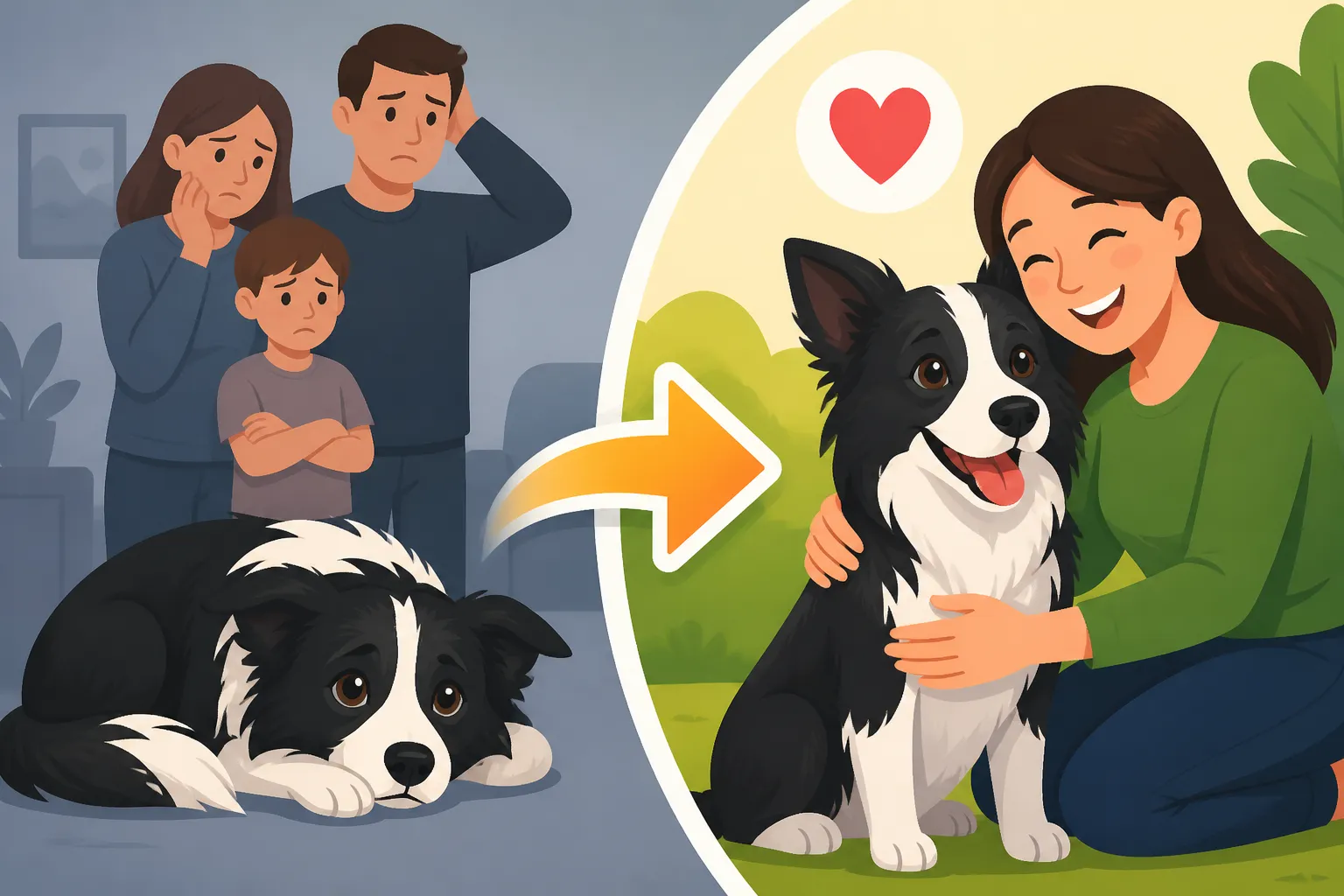
It's a conversation no one ever wants to have, and a decision that weighs heavily on the heart: realizing that you might need to rehome your beloved Border Collie. The guilt, the heartache, the feeling of failure – it's all incredibly overwhelming, and often, it feels like there's no good option. But sometimes, despite our best intentions and deepest love, a home just isn't the right fit for a dog, especially one as demanding and brilliant as a Border Collie. This guide isn't here to judge; it's here to offer a compassionate, realistic roadmap for understanding why rehoming might be necessary, exploring every alternative, and if it comes to it, navigating the process to ensure your Border Collie finds the perfect new beginning.
Understanding Why Rehoming Becomes Necessary
The decision to rehome a dog is never made lightly, and with a Border Collie, it often comes after months, or even years, of trying everything you can think of. It's important to remember that this isn't a reflection of your worth as a person or your love for your dog. Life happens, and sometimes, the best choice for the dog's well-being means acknowledging that your current situation just isn't sustainable for them.
When Good Intentions Meet Unforeseen Realities
Many Border Collie owners start with the best intentions. They fall in love with the breed's intelligence, athleticism, and stunning looks, perhaps from seeing them in dog sports or working on a farm. However, the reality of living with such a high-drive, intelligent animal can be drastically different from the expectation. Life can throw curveballs: a new baby demands all your time and attention, a job change leads to longer hours away from home, or financial strain makes it impossible to provide the care your dog truly needs. Maybe a sudden illness or a move to a smaller living space makes daily walks, intense training, and mental enrichment simply impossible to maintain.
These situations are often unexpected and can leave owners feeling trapped and heartbroken. It’s not that you stopped loving your dog; it’s that circumstances have shifted in a way that makes it difficult, if not impossible, to meet their profound needs. The constant pressure to provide enough stimulation, the guilt of seeing your dog bored or destructive, and the feeling that you’re both struggling can lead to immense emotional exhaustion. Acknowledging these unforeseen realities is the first step toward finding a path forward, whether that’s adjusting your lifestyle or finding a new home for your canine companion.
The Specific Challenges of the Border Collie Breed
Border Collies are truly extraordinary dogs, but their very best qualities can become their most challenging in the wrong environment. They aren't just high-energy; they're high-drive, high-intelligence, and possess an intense herding instinct that can manifest in surprising ways in a pet home. Many people find themselves struggling when their Border Collie starts herding children, nipping at heels, or becoming obsessed with shadows and light. These aren't "bad" behaviors in a working context; they're inherent breed traits.
Without appropriate outlets, that boundless energy and sharp mind can turn destructive. A bored Border Collie can become a master escape artist, chew through furniture, or develop incessant barking habits. They need a job, a purpose, and if that's not sheep, it needs to be an equally engaging substitute like advanced obedience, agility, flyball, or intensive scent work. When owners can't provide the level of engagement necessary, the dog's frustration mounts, leading to behaviors that become impossible to manage. If you're wondering "Why People Choose a Border Collie and Then Struggle", it almost always comes back to an underestimation of these core breed characteristics.
Recognizing the Signs Your Border Collie Needs a Different Home
It's one thing to feel overwhelmed, but another to truly discern if your Border Collie would genuinely be happier elsewhere. Your dog might be sending clear signals that their current environment isn't serving them well. Look for changes in behavior: is your normally happy dog withdrawn, anxious, or exhibiting new destructive habits? Are they pacing, excessive licking, or showing signs of stress like shedding more, yawning, or lip-licking frequently? These can all be indicators of chronic stress.
Sometimes, the signs are more overt. Aggression, even if it's just barrier frustration or resource guarding, can make a home unsafe, especially with children or other pets. Unmanageable reactivity on walks, persistent digging, or obsessive behaviors like "The Border Collie That Runs the Fence at Traffic" might signal that your dog isn't getting the mental or physical release they desperately need. While some of these behaviors can be managed with professional help, if they persist despite your best efforts and are causing significant distress to both you and your dog, it's a strong sign that a new, more suitable environment might be the kindest option for their long-term well-being.
Exhausting All Alternatives Before Rehoming
Before taking the heartbreaking step of rehoming, it's crucial to explore every possible alternative. Many issues that seem insurmountable can often be resolved or significantly managed with the right approach, resources, and expert guidance. This stage requires brutal honesty about your own capacity and a willingness to try new strategies, even if they feel inconvenient or expensive.
Seeking Professional Help and Training
One of the most impactful steps you can take is to bring in professional help. A certified professional dog trainer or a veterinary behaviorist can often identify the root cause of problem behaviors and develop a tailored plan. For instance, if your Border Collie is nipping, lunging, or displaying anxiety, these professionals can assess whether it's simply a lack of appropriate training, an unmet breed need, or an underlying behavioral condition. They can teach you effective communication methods and management strategies that can transform your dog's behavior and your relationship.
Sometimes, all it takes is a fresh pair of expert eyes and a structured program to turn things around. They can help with issues like excessive barking, destructive chewing, or even reactivity towards strangers or other animals. Investing in professional training might seem like an added expense, but when weighed against the emotional and practical costs of rehoming, it's often a worthwhile attempt. Many reputable trainers offer online consultations or group classes that can be more accessible, proving that help is available to address challenging behaviors.
Adjusting Your Lifestyle and Environment
If professional help highlights a gap in your dog's needs, consider if you can make significant adjustments to your lifestyle or home environment. For Border Collies, this almost always boils down to more appropriate exercise and mental stimulation. Are you truly meeting the benchmark of "Two Hours of Work a Border Collie Needs Daily"? This doesn't just mean physical exercise, but dedicated mental engagement like puzzle games, training sessions, or scent work. If daily walks aren't enough, can you incorporate bikejoring, fetch sessions in a secure field, or even find a local herding instinct test or agility class?
Beyond direct activity, consider the physical environment. Is your yard truly secure? For an intelligent escape artist, "Fencing a Yard a Border Collie Cannot Leave" might require more than a standard fence. Can you provide more mental enrichment indoors with advanced puzzle toys, or even subscriptions that deliver challenging new items regularly? Companies like Chewy offer a vast array of durable, engaging toys that can help keep a busy Border Collie mind occupied. Sometimes, hiring a dedicated dog walker or enrolling your dog in a structured daycare program a few days a week can provide that crucial outlet you simply can't offer yourself.
Addressing Health and Behavioral Issues with Your Vet
It's absolutely vital to rule out any underlying medical conditions that could be contributing to behavioral changes. Pain, discomfort, hormonal imbalances, or neurological issues can all manifest as unexpected aggression, anxiety, or lethargy. Before concluding that a behavioral problem is purely behavioral, schedule a thorough check-up with your veterinarian. They might recommend specific tests, such as bloodwork as part of your "Yearly Bloodwork for a Border Collie", to check for things like thyroid issues or other systemic problems.
If a medical cause is found, treating it could resolve the behavioral problem entirely. For example, a dog suddenly showing fear or aggression might be experiencing pain from an undiagnosed injury, or an older dog exhibiting confusion or pacing might be suffering from conditions like "Canine Cognitive Dysfunction in an Old Border Collie". In cases of severe anxiety or compulsive behaviors, your vet might discuss anti-anxiety medication in conjunction with behavior modification. Remember, your vet is a partner in your dog's health and can help determine if medication or a specialized diet might alleviate some of the stress your Border Collie is experiencing.
Navigating the Rehoming Process Responsibly and Ethically
If, after exhausting all alternatives, you come to the difficult conclusion that rehoming is truly the best option for your Border Collie, the next step is to ensure it's done responsibly. This is not just about finding any home, but the right home – one that understands and can meet the unique needs of this intelligent and driven breed.
Why "Free to Good Home" is a Dangerous Option
The phrase "free to good home" might sound appealing, conjuring images of a loving family taking in a pet at no cost. However, in reality, it's one of the riskiest ways to rehome a dog, particularly a highly desirable breed like a Border Collie. Sadly, there are individuals who exploit such offers for nefarious purposes, including using dogs as bait in dog fighting rings, for breeding purposes without proper health screening, or simply to neglect or abuse them.
These individuals often appear as "good homes" initially, but without a rigorous screening process, it's impossible to discern their true intentions. Charging a rehoming fee, even a small one, acts as a barrier to those with ill intent and demonstrates a serious commitment from potential adopters. It helps ensure that the new owner is willing to invest financially in their new pet, which is a fundamental aspect of responsible pet ownership. Never offer your Border Collie for free; their safety and future depend on a more cautious approach.
Working with Breed-Specific Rescues
For a Border Collie, breed-specific rescues are often the gold standard for rehoming. These organizations are run by individuals who live and breathe Border Collies; they understand the breed's quirks, energy levels, and training requirements inside and out. They have extensive networks of foster homes that provide a safe, knowledgeable environment for your dog while they await their forever home. This allows the rescue to accurately assess your dog's temperament and needs in a home setting.
Breed-specific rescues also have rigorous screening processes for potential adopters, often including detailed applications, vet checks, and home visits. They are dedicated to matching each dog with the perfect family, not just any family. For owners who need to rehome, a rescue provides immense peace of mind, knowing their dog is in expert hands and will go to a home vetted by people who genuinely understand the breed. You might find answers to questions about their process in resources like "What a Border Collie Rescue Charges and Screens For", which can help you understand their intake and placement procedures. Many reputable rescues, like Border Collie Rescue of New England or local chapters, specialize in finding perfect matches for these incredible dogs.
Ethical Rehoming through Reputable Organizations
If a breed-specific rescue isn't an option due to location, capacity, or your dog's specific needs, reputable general shelters and humane societies can also be a responsible choice. However, it's crucial to differentiate between ethical shelters and those that are overcrowded or have high euthanasia rates. Do your research: visit their facilities, ask about their adoption process, their intake policies, and their euthanasia rates. A good shelter will be transparent and prioritize the well-being of the animals.
Ethical shelters often have similar screening processes to breed-specific rescues, including applications, interviews, and sometimes home checks. They strive to educate adopters about the needs of different breeds, and many will place Border Collies into homes with prior experience with active dogs. When surrendering your dog, be completely honest about their temperament, health history, and any behavioral issues. This transparency allows the shelter to accurately assess your dog and place them in the most suitable home, ensuring a higher chance of a successful adoption and a happy future for your Border Collie.
Preparing Your Border Collie for a New Beginning
Once you’ve decided on a rehoming path, preparing your Border Collie for the transition is essential. This involves more than just physically moving them; it means gathering all necessary information, addressing any immediate needs, and making the handover as smooth and stress-free as possible for your dog.
Health Records and Veterinary Care
One of the most critical aspects of preparing your Border Collie for a new home is compiling a complete and accurate health history. Gather all veterinary records, including vaccination certificates, deworming history, and spay/neuter documentation. Any past illnesses, injuries, medications, or allergies should be clearly noted. If your dog has any ongoing conditions, provide detailed information on their management, including dosages of any medications.
It's also a good idea to ensure your Border Collie is up-to-date on all vaccinations, flea, tick, and heartworm prevention before rehoming. This demonstrates responsible ownership and immediately sets the new owner up for success without immediate vet bills. If your dog has a microchip, make sure your contact information is current, and be prepared to transfer ownership with the microchip company once the rehoming is complete. If you’ve invested in pet insurance, like through Healthy Paws, inquire about transferability or what records the new owner would need to establish their own policy.
Behavioral Assessment and Training Refreshers
Transparency about your Border Collie's temperament and training level is paramount. Write down everything you know: their quirks, their fears, their favorite games, what motivates them, and any behavioral challenges. Be honest about things like separation anxiety, reactivity, or obsessive behaviors. This isn't to deter potential adopters, but to help the rescue or new family understand what they're taking on and how to best support your dog.
It can also be beneficial to refresh some basic obedience commands. Work on "sit," "stay," "come," and a solid recall. If your Border Collie is crate trained, reinforce that positive association. A dog that knows basic manners is more likely to settle into a new home successfully. Consider this a "doggie resume" – highlight their strengths, but don't shy away from their areas for improvement. This helps the new owners understand "The Age a Border Collie Starts Testing You" and allows them to be prepared for continued training and bond building.
Gathering Essential Supplies and Comfort Items
To help your Border Collie adjust to a new environment, send them off with familiar items that carry your scent and provide comfort. This should include their favorite bed, blankets, toys, and any specific bowls they use. Include a supply of their current food to allow the new owners time to transition them to a different brand if desired, without causing digestive upset. Many owners rely on brands like Ollie for high-quality, specialized dog food that might be a good fit, or find a wide selection of suitable diets through Chewy.
Don't forget their leash, collar (with updated tags if possible), and any harness or special equipment they might use. If they have a favorite chew toy or a comfort item they sleep with, ensure it goes with them. These items, imbued with familiar smells and memories, can provide a sense of security and continuity during a potentially unsettling transition, making the first few days and weeks in their new home a little easier.
Finding the Perfect Match: Screening Potential Adopters
Finding the right family for your Border Collie is perhaps the most critical part of the rehoming process. This involves a thorough, thoughtful screening process designed to ensure the potential adopters are truly capable of providing a lifelong, loving, and suitable home for a dog with such specific needs.
The Application and Interview Process
Whether you’re working with a rescue or conducting the rehoming yourself, a detailed application form is the first step. This should cover everything from their living situation (house, apartment, yard size, fence height) and work schedule to their experience with dogs, especially active breeds like Border Collies. Ask about their lifestyle, how they plan to exercise and mentally stimulate the dog, and their philosophy on training and discipline.
Following a promising application, a comprehensive interview is essential. This is your chance to ask clarifying questions and get a feel for their commitment and understanding. Ask open-ended questions that require more than a "yes" or "no" answer. For example, instead of "Do you have a fence?", ask "Tell me about your fencing and how you plan to keep a Border Collie secure." Discuss hypothetical scenarios and gauge their reactions. This conversation should give you a strong sense of whether they truly grasp the commitment required.
Home Checks and Vet References
A home check is non-negotiable when rehoming a Border Collie. This involves visiting the potential adopter's home to ensure it's a safe, secure, and appropriate environment. Look for secure fencing, potential hazards, and general cleanliness. Assess if the living space matches what they described in their application and if it seems suitable for an active dog. This also gives you a chance to meet all family members who will be living with the dog and observe their interactions.
Equally important are vet references. Always request the contact information for their current or previous veterinarian and follow up. Ask the vet if the applicants have a history of responsible pet ownership, including regular check-ups, vaccinations, and prompt treatment for illnesses or injuries. A responsible owner will have no problem providing this information. If they don't have a current vet, ask how they plan to find one and ensure they understand the importance of ongoing veterinary care.
Trial Periods and Follow-Up Support
Even with the most thorough screening, sometimes a dog and family aren't a perfect match. Offering a trial period, typically one to two weeks, can be immensely beneficial. This allows both the dog and the new family to experience daily life together before making a final commitment. It gives the Border Collie time to settle in and reveal their true personality, and it allows the family to identify any unexpected challenges they might face.
During the trial period, maintain open lines of communication. Be available to answer questions and offer support. If the trial period is successful, formalize the adoption. Even after the adoption, consider offering follow-up support, at least for the first few months. This could be checking in periodically, offering advice, or simply being a resource. This continued connection can make a significant difference in the dog's long-term success in their new home and reinforces that you care about their well-being.
The Emotional Toll of Rehoming
Rehoming a beloved pet is a profoundly painful experience, and it's vital to acknowledge the immense emotional toll it takes. You're not just finding a new home for a dog; you're saying goodbye to a family member, and that comes with a complex mix of grief, guilt, and sadness.
Processing Guilt and Grief
It's completely normal to feel a crushing weight of guilt when you make the decision to rehome your Border Collie. You might question if you tried hard enough, if you failed your dog, or if you're a "bad" pet owner. These feelings are valid and a testament to the love you have for your dog. However, it's important to remember that this decision is often made from a place of deep care, recognizing that your current circumstances aren't providing your dog with the quality of life they deserve.
Allow yourself to grieve. This is a real loss, and it's okay to feel sad, angry, or even a sense of relief once the decision is made. Don't let others minimize your feelings. You formed a bond, invested time and emotion, and now you're ending that chapter. This period of processing is crucial for your own emotional healing. Be kind to yourself, understanding that sometimes love means letting go when you can no longer provide the best environment.
Setting Realistic Expectations for Yourself and Your Dog
When rehoming, it's easy to get caught up in an idealized vision of your dog's new life or to harbor unrealistic expectations about how quickly they'll adjust. Understand that your Border Collie will need time to decompress and adapt to their new surroundings, new people, and new routines. This adjustment period can take weeks or even months, and there might be setbacks.
For yourself, recognize that the pain won't disappear overnight. There will be moments when you miss them intensely, or when you second-guess your decision. Focus on the positive outcome: you are giving your Border Collie a chance at a happier, more fulfilling life in a home better equipped to meet their needs. This act, however painful, is ultimately an act of selfless love. Your dog will adapt, thrive, and be loved, and knowing that can eventually bring you a sense of peace.
Finding Support and Moving Forward
You don't have to go through the emotional challenges of rehoming alone. Talk to trusted friends or family members who understand your situation and can offer empathy and support without judgment. If the feelings of guilt or sadness become overwhelming, consider reaching out to a therapist or counselor who specializes in pet loss and grief. Many professionals can help you navigate these complex emotions.
Moving forward means allowing yourself to heal and focusing on what you've learned. This experience, however difficult, can be a valuable lesson about responsible pet ownership, understanding breed-specific needs, and acknowledging personal limitations. It can inform future decisions, perhaps guiding you towards a different breed or confirming that you need to be in a very specific life stage to welcome another Border Collie. Ultimately, making a difficult but responsible decision is a sign of strength and deep caring, allowing both you and your Border Collie to find a path toward a better future.
Long-Term Considerations for a Rehomed Border Collie
The journey doesn't end the moment your Border Collie walks out the door with their new family. There are long-term considerations that impact both the dog's successful integration into their new home and your own peace of mind. Understanding these aspects can help ensure a truly happy ending for everyone involved.
Adjustment Period in the New Home
Even the most adaptable Border Collie will experience an adjustment period in a new home. This isn't a simple few days; it can often stretch for weeks or even months. During this time, the dog might display behaviors that weren't evident in their previous home, or they might seem withdrawn, anxious, or exhibit house-training accidents. This is entirely normal as they learn new routines, bond with new people, and understand the new rules and expectations. Patience from the new owners is key.
A commonly cited guideline is the "3-3-3 rule": 3 days to decompress, 3 weeks to learn the routine, and 3 months to feel fully at home. For a highly sensitive and intelligent breed like the Border Collie, this timeline might even be longer. It's a period of immense mental and emotional work for the dog, requiring consistency, understanding, and minimal pressure from their new family. Resources that describe "What a Border Collie Does With Its Whole Day" can help new owners establish routines that meet their dog's needs effectively from the start.
Maintaining Contact If Appropriate and Agreed Upon
For many owners who rehome their pets, the desire for occasional updates is strong. Seeing photos or hearing stories about their former dog thriving in their new home can provide immense comfort and closure. If this is important to you, discuss it openly and honestly with the potential adopters during the screening process. Establish clear boundaries and expectations from the outset. Perhaps an email update with photos every few months, or a quick text message on their "gotcha day."
However, it's crucial to respect the new family's wishes and not overstep. Some adopters prefer a clean break, and that must be respected. If contact is agreed upon, ensure you don't use it to micromanage or judge their care. The goal is to receive comforting updates, not to interfere. Your dog needs to fully bond and integrate into their new family without the lingering presence of their past owners creating confusion. Remember, your ultimate goal is the dog's happiness and stability.
Lessons Learned for Future Pet Ownership
Rehoming a dog, while heartbreaking, offers an invaluable opportunity for introspection and learning. It forces you to confront the realities of pet ownership, breed-specific needs, and your own capacity. What did you learn about the Border Collie breed that you didn't know before? Were their exercise requirements more intense than you anticipated? Did their intelligence require more consistent mental work than you could provide? This reflection isn't about blaming yourself, but about gaining wisdom.
This experience can guide your decisions for any future pets. Perhaps you realize a more sedate breed would be a better fit for your current lifestyle, or you understand that you need to wait until your children are older or your work schedule is more flexible before bringing another high-energy dog into your home. The lessons learned, though hard-won, equip you with a deeper understanding of what it truly takes to provide a lifelong, fulfilling home for a canine companion, regardless of their breed.
| Rehoming Option | Pros | Cons | Ideal For |
|---|---|---|---|
| Private Rehoming | Direct control over selection; personal connection with new owners. | High risk of improper screening; time-consuming; emotionally taxing; potential for exploitation. | Experienced owners with strong vetting skills and time. |
| Breed-Specific Rescue | Expert knowledge of the breed; thorough screening; foster care; dedicated to specific breed. | May have waiting lists; stringent requirements; limited capacity. | Border Collies with specific needs or behavioral challenges. |
| General Shelter/Humane Society | Professional intake and assessment; broad reach for adopters; often provide vet care. | Can be stressful for the dog; varying screening quality; higher risk of euthanasia in some facilities. | Dogs needing immediate placement; those with general needs. |
Disclaimer
The information provided in this article is for general informational purposes only and does not constitute professional veterinary or behavioral advice. Always consult with a qualified veterinarian or certified dog behaviorist for personalized advice regarding your pet's health and specific needs. The decision to rehome a pet is complex and personal, and this guide is intended to offer compassionate support and practical guidance, not to dictate individual choices.