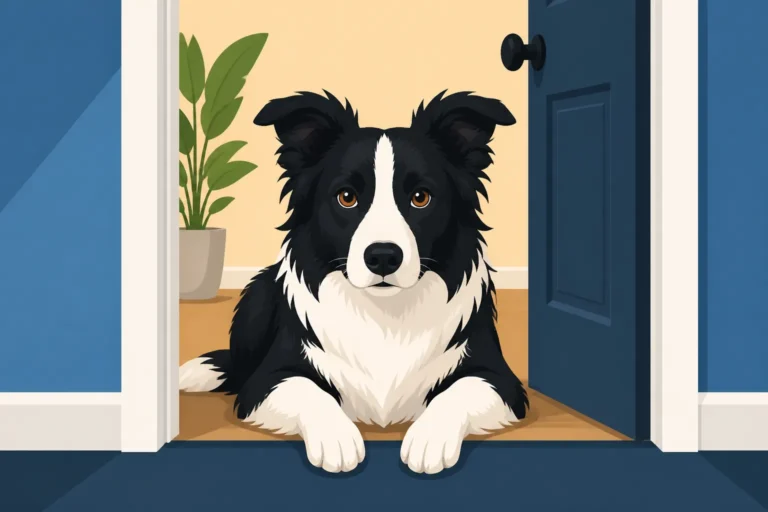
The Age a Border Collie Starts Testing You
It’s a scenario many Border Collie owners know all too well: your once-eager-to-please puppy suddenly develops selective hearing, seems to "forget" commands, or pushes boundaries they previously respected. This isn't defiance, but a natural developmental stage where your smart, driven Border Collie begins to test the established rules and explore their independence. This guide will walk you through what this phase looks like, why it happens, and how to navigate it effectively to maintain a harmonious relationship with your brilliant companion.
Understanding the "Testing" Phase in Border Collies
When we talk about a Border Collie "testing" you, it can sound quite dramatic, conjuring images of a dog deliberately trying to overthrow your authority. In reality, it's far less malicious and much more about learning, growth, and pushing boundaries to understand the world better. Think of it less as a battle of wills and more as a highly intelligent creature's way of gathering data. They're asking, "What happens if I don't listen this time?" or "Can I get away with this?" They're not being stubborn to annoy you; they're genuinely trying to figure out the rules, what they can get away with, and what the true consequences are. This is a critical period for shaping their understanding of your relationship and their place in your household.
This testing phase typically aligns with canine adolescence, a period that can begin as early as six months and often extends up to eighteen months or even two years of age in some individuals. Just like human teenagers, adolescent Border Collies experience hormonal changes and a surge of independence. Their brains are still developing, and they're becoming more aware of the wider world, which can make your previously solid recall suddenly seem optional. What makes it particularly pronounced in Border Collies is their exceptional intelligence and drive. They aren't content with simple "cause and effect"; they observe patterns, remember outcomes, and will continue to experiment if there's any perceived inconsistency. If they discover that ignoring "come" sometimes results in chasing a squirrel for a few extra seconds before you eventually catch up, that brief reward can be enough to make them try it again.
It's also worth remembering that Border Collies are bred to be independent thinkers, making decisions at a distance from their handler while working stock. While invaluable on the farm, this trait can manifest as "testing" in a pet home. They might decide their plan is better than yours, or that their innate drive to chase, gather, or patrol is more compelling than your request to "stay." This isn't a flaw in their character; it's an inherent part of their breed make-up that needs understanding and consistent, patient guidance to channel appropriately. Recognising this developmental stage for what it is—a period of intense learning and boundary exploration—is the first step toward managing it successfully and strengthening your bond.
How Border Collies Push the Envelope
So, what does this "testing" actually look like in day-to-day life with a Border Collie? It manifests in a variety of behaviors that can range from mildly annoying to genuinely frustrating, and sometimes even a little worrying. One of the most common complaints is the sudden onset of "selective hearing," especially with commands they previously mastered. Your Border Collie might deliberately ignore a recall command, particularly if there are interesting smells or other dogs nearby. It's as if they've mentally put on earmuffs, completely focused on their own agenda, and challenging the idea that your voice always means immediate action. This isn't them forgetting the word; it's them testing the consequence of not complying.
Beyond ignoring commands, you might see them pushing physical boundaries. This could involve an increase in mouthiness, jumping on guests who previously received polite greetings, or even trying to "herd" family members, especially children or other pets, by nipping at heels or blocking pathways. They’ll try to see what they can get away with before you intervene. A Border Collie puppy that used to gently mouth your hand might suddenly apply more pressure, pushing the limits to see if the rules have changed. You might notice them being more assertive over resources, too, such as refusing to give up a favored toy or guarding their spot on the couch, which are subtle ways of establishing their perceived status.
You might also observe an increase in what seems like general naughtiness. This could be destructive chewing on household items they previously left alone, exploring forbidden areas of the house, or escalating barking patterns. They might bark for attention, at passersby, or at perceived threats, and if that barking sometimes yields a result – even just you yelling at them – it reinforces the behavior. This phase is also characterized by a surge in distractibility and a greater desire for independence. They’re less inclined to stick close to you and more interested in exploring the world on their own terms, which can be particularly challenging when you're working on concepts like Recall on a Border Collie That Has Locked On or teaching a young dog not to worry stock. They are intelligent enough to learn patterns quickly, which means if inconsistency creeps in, they will exploit it.
Strategies for Success: Navigating the Testing Phase
Navigating the testing phase requires a calm, consistent, and proactive approach. The single most important strategy you can employ is consistency. Every member of the household needs to be on the same page regarding rules, commands, and consequences. If one person allows the dog on the couch but another doesn't, your Border Collie will quickly learn who to "test" and when. They are masters of pattern recognition, and any inconsistency will be seen as an opportunity to push further. Using a consistent set of commands and rewards, like those taught in online programs such as BAXTER & Bella, can be invaluable for ensuring everyone is speaking the same language.
Next, it's crucial to reinforce basic commands as if your Border Collie were a puppy again. Go back to basics in low-distraction environments and gradually build up to more challenging situations. Make "come," "sit," and "stay" fun and rewarding. Use high-value treats and praise every single time they comply. This isn't a step backward; it's a vital re-establishment of the foundation. Remember, a Border Collie learns incredibly fast, so a few solid, consistent sessions can quickly bring them back on track. For instance, revisiting why a Border Collie is taught to Why a Border Collie Is Taught to Lie Down First can solidify respect for commands.
Environmental management is also key. Don't set your Border Collie up for failure. If they are prone to destructive chewing, make sure valuable items are out of reach. If they're testing boundaries with counter-surfing, ensure the counters are clear. A secure crate can be an invaluable tool for quiet time and preventing unwanted behaviors when you can't actively supervise. Ensure your home is proofed against their intelligent explorations. Furthermore, meeting their intrinsic needs through proper Exercise, Work and What Actually Settles a Border Collie is paramount. A bored or under-stimulated Border Collie is far more likely to invent their own "work," which often involves testing your patience. Incorporate plenty of mental stimulation, such as puzzle feeders available on Amazon or scent work games. Puzzle Feeders That Hold a Border Collie can keep their sharp minds engaged and tire them out mentally.
Finally, approach this phase with patience and empathy. It’s a temporary developmental stage, not a permanent change in their personality. Keep training sessions short, fun, and positive. Never resort to punishment, which can damage your relationship and make a smart Border Collie even more cunning in their testing. Focus on rewarding the behaviors you want to see. If you find yourself consistently frustrated or overwhelmed, don't hesitate to seek guidance from a certified professional dog trainer. They can offer tailored advice and help you understand your individual dog's specific challenges during this period. Remember, this is the time to build a solid, trusting relationship that will last for years to come.
The Unique Challenge of the Border Collie Intellect
Owning a Border Collie means living with a canine genius, and while this intelligence is often celebrated, it also presents unique challenges during the "testing" phase. Their remarkable cognitive abilities mean they pick up on subtle cues, learn patterns quickly, and remember consequences with astonishing accuracy. This is a double-edged sword: they learn good behaviors rapidly, but they also learn bad ones with equal, if not greater, speed, especially if those behaviors are self-rewarding. For example, if a Border Collie learns that ignoring your "come" command sometimes leads to a five-second chase of a fascinating leaf before you eventually get to them, they'll catalog that tiny reward and factor it into their future decisions. They're not just reacting; they're calculating.
Their strong natural drives, particularly their intense herding instinct and keen prey drive, also play a significant role. When a Border Collie "locks on" to something—be it a squirrel, a child running, or even a vacuum cleaner—that instinct can override learned commands. You might find your Border Collie A Border Collie That Stalks the Vacuum, for instance, completely consumed by its movement, making it incredibly difficult to break their focus. This isn't defiance; it's a deeply ingrained behavioral pattern taking precedence, and they are testing how absolute your command is against their powerful innate urges. This makes managing the environment and providing appropriate outlets for their instincts even more critical during this testing period.
Moreover, a Border Collie's problem-solving skills mean they will actively seek loopholes in your rules. If you've been inconsistent with a boundary even once, they'll remember. They might try different approaches to achieve their goal, adapting their "testing" methods based on your reactions. This requires owners to be equally adaptive and, most importantly, unwaveringly consistent. The notion that How Few Repetitions a Border Collie Needs to learn a command is true, but that also applies to them learning what doesn't require immediate compliance. The intense focus and dedication they bring to a task, whether it's herding sheep or finding out if they can steal a sock, means they will persist where other breeds might give up. Understanding What a Border Collie Reads in a Handler's Body also becomes vital, as any hesitation or uncertainty on your part can be interpreted as a crack in the rules for them to exploit. This makes the testing phase with a Border Collie an intense but ultimately rewarding exercise in clear communication and unwavering leadership.
Common Border Collie Testing Behaviors and Owner Responses
Here's a quick reference for some typical "testing" behaviors you might encounter and effective ways to respond. Consistency across the board is your superpower!
| Behavior Manifestation | What it Looks Like | Likely Age Range | Why They Do It | Effective Owner Response |
|---|---|---|---|---|
| Selective Hearing / Ignoring Commands | Refuses recall, "forgets" "sit" or "stay" in distractions. | 6-18 months | Testing boundaries, seeking self-reward, increased distractibility, "do I have to?" | Go back to basics, use high-value rewards, practice in low-distraction environments, never repeat commands. |
| Pushing Physical Boundaries | Jumping on people, excessive mouthing, nudging for attention. | 4-12 months | Exploring interaction limits, seeking attention, lack of bite inhibition refinement. | Immediately disengage (turn away, leave room), replace unwanted behavior with desired alternative (e.g., "sit" for attention), consistent "off" or "no bite" command. |
| Increased Independence | Wanders off further on walks, less checking in with owner. | 8-24 months | Exploring environment, developing confidence, reduced focus on handler. | Use a long line for safety, call back frequently for rewards (even if just a check-in), play proximity games. |
| Herding Family Members/Pets | Nipping at heels, circling, blocking paths, A Border Collie Gathering the Family Into One Room. | 6-18 months+ | Instinctual drive, seeking outlet for energy, lack of appropriate channeling. | Redirect to appropriate outlets (flirt pole, big ball herding), consistent "leave it" or "that'll do," firm boundary setting. |
| Destructive Chewing | Chewing furniture, shoes, forbidden items. | 4-18 months | Boredom, anxiety, teething, exploring textures, seeking mental stimulation. | Provide appropriate chew toys (Amazon has many), increase mental exercise, crate if unsupervised. |
| Resource Guarding (mild) | Growling when approached while eating or with a toy, The Border Collie That Will Not Drop the Ball. | 6-24 months+ | Fear of losing resources, instinctual possession, feeling insecure. | Teach "drop it" and "leave it" with trades, make approaching a positive experience (toss treat), consult pro if severe. |
This article is for general informational purposes only and does not constitute professional advice. Laws, prices and regulations vary by location and change over time. Consult a qualified professional for guidance on your specific situation.