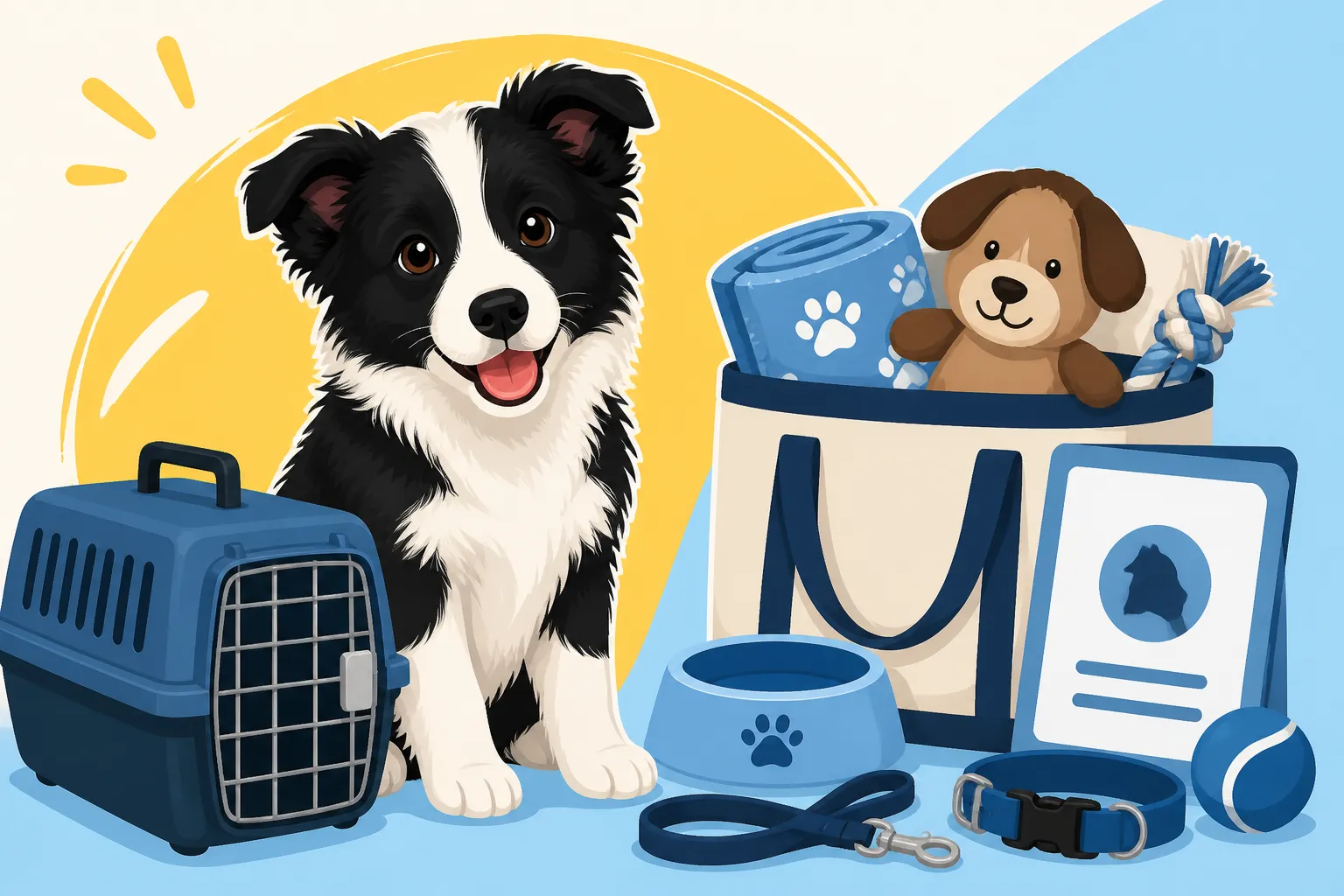
What Comes With a Border Collie Puppy at Pickup
Bringing home a Border Collie puppy is an incredibly exciting time, full of anticipation and joy. But amidst the flurry of preparations, many new owners feel a little lost about what exactly they should receive from their breeder on "gotcha day." It's easy to get swept up in the excitement and forget to ask for crucial paperwork or confirm essential items. This guide will walk you through the essential documents, initial supplies, and crucial health information you should expect to accompany your new furry family member, ensuring a smooth and confident transition for everyone.
Essential Documentation: The Paperwork Trail for Your Border Collie
When you pick up your Border Collie puppy, you're not just getting a fluffy bundle of energy; you're also taking on a responsibility that comes with a significant paper trail. These documents are vital for proving ownership, tracking health, and understanding your puppy's lineage. Don't be shy about asking your breeder to go over each piece with you, as understanding them now can save you a lot of confusion down the line.
Registration Papers and Pedigree
One of the first things you should receive are the papers detailing your puppy's registration eligibility and its family tree. For Border Collies, this usually means documentation from the ABCA (American Border Collie Association) if you're getting a working line, or potentially the AKC (American Kennel Club) if you've opted for a show-bred puppy. Reputable breeders should have these ready for you.
These papers aren't just fancy certificates; they trace your puppy's lineage, showing who its parents, grandparents, and even great-grandparents were. This information is crucial for understanding the genetic background, potential working abilities, and overall health history of your pup. It's a testament to the breeder's commitment to the breed and their particular lines. Remember, a good breeder will happily walk you through the significance of their dogs' ancestry and discuss topics like Why the ABCA Objects to Conformation Showing if you have questions about the different registries.
Without these initial papers, registering your dog can be a headache, and proving its heritage becomes much harder. Some breeders provide the official registration form for you to submit, while others might have already registered the litter and will provide you with the individual puppy's registration certificate directly. Always clarify the exact process with your breeder beforehand to avoid any surprises.
Health Records and Guarantees
Perhaps the most critical set of documents relates to your puppy's health. You should receive a comprehensive record of all veterinary care the puppy has received up to the point of pickup. This includes vaccination dates, deworming schedules, and any other medical treatments.
This health history is absolutely indispensable for your new vet. They need to know what vaccinations have been given and when the next boosters are due to keep your puppy protected. If you're wondering about Vaccination Costs for a Border Collie Puppy, having accurate records will help your vet create an appropriate schedule without over-vaccinating. Beyond vaccinations, a good breeder will also provide documentation of specific health screenings performed on the parents, such as hip and elbow scores, or genetic panel results, which can offer insights into the puppy's predispositions. Always ask the breeder for these test results, as understanding them helps you anticipate potential health considerations down the road.
Most reputable breeders will also offer a health guarantee, often covering specific genetic conditions for a certain period. This guarantee should be clearly outlined in a written contract. It details what recourse you have if your puppy develops a serious hereditary health issue shortly after coming home. It's a good idea to discuss the terms of this guarantee in detail, including what conditions are covered and what steps you would need to take. Many breeders also emphasize the importance of getting your new puppy to your own vet within a few days of pickup for a check-up, often a condition of their health guarantee.
Microchip Information
Many breeders microchip their puppies before they go to their new homes. This tiny chip, implanted under the skin, is a permanent form of identification that links your dog to you. If your Border Collie puppy is microchipped, you should receive all the necessary information to register the chip in your name.
This typically includes the microchip number and instructions on how to transfer ownership or register yourself as the primary contact with the microchip registry. Some breeders even start the registration process for you. Microchips are an invaluable tool for reuniting lost pets with their families, especially for an active and intelligent breed like the Border Collie, which might be prone to exploring.
Make sure you understand the registration process and complete it as soon as possible after taking your puppy home. A microchip that isn't registered to you isn't very helpful if your dog ever goes missing. This small piece of documentation offers immense peace of mind.
Initial Supplies and Comfort Items from the Breeder
While you'll have likely bought a mountain of new toys and gear for your impending arrival, a thoughtful breeder will often send your new Border Collie puppy home with a few essentials to help them settle in. These items are designed to make the transition less stressful for the puppy and offer continuity from its previous environment.
A Small Bag of Current Food
One of the most common and helpful items a breeder will send home is a small quantity of the food the puppy has been eating. This is absolutely critical for digestive health during a stressful time. Sudden changes in diet can cause stomach upset, diarrhea, and other issues in puppies, who already have sensitive systems.
Your breeder might provide a small ziplock bag or a sample-sized bag from their food supplier. Even if you plan to switch your puppy to a different brand, having this familiar food on hand allows you to make the transition gradually, mixing it with the new food over a week or more. Brands like Chewy often have a wide variety of quality puppy foods, so once you've made your decision, you can easily set up a transition plan. This continuity helps the puppy feel secure and prevents unnecessary gastrointestinal distress.
Discuss with your breeder what brand and type of food they are using. If you're interested in fresh food options, services like Ollie provide pre-portioned, human-grade meals that some owners transition their puppies to after the initial settling-in period. Knowing what they're accustomed to is the first step in maintaining their well-being.
A Blanket or Toy with Familiar Scents
Moving to a new home is a huge change for a puppy. They're leaving their mother, siblings, and the only environment they've ever known. A blanket or toy that smells like their littermates and mother can provide immense comfort during the first few nights and days.
This scent acts as a security blanket, helping to reduce anxiety and loneliness. Many breeders will rub a blanket on the mother dog or keep it with the litter for a few days before pickup to ensure it carries these comforting smells. Placing this item in their new crate or sleeping area can help them feel less alone and settle more quickly.
The familiar scent can be particularly soothing as they adjust to new sounds, sights, and routines. It’s a small gesture from the breeder that can make a world of difference in helping your puppy sleep through the night and feel safe in its new surroundings. Don't underestimate the power of a familiar smell in a new place.
Basic Care Instructions and Schedule
While you might have done tons of research, every puppy is an individual, and every breeder has their own routine. Expect to receive some written instructions on your puppy's current feeding schedule, potty training routine, and general daily habits.
These instructions are invaluable for maintaining consistency during the initial days. They'll tell you how often your puppy eats, when they usually go potty, and what their typical nap schedule looks like. This helps you establish a smooth routine from day one, which is key to successful potty training and adjustment. If you're unsure about How Often a Border Collie Puppy Is Fed, these instructions will be your immediate guide.
A good breeder might also offer advice specific to their line of Border Collies, perhaps tips on dealing with typical puppy behaviors or suggestions for early training. They've spent weeks observing these puppies, so their insights are gold. Don't hesitate to ask questions about anything that's unclear.
Health Certification and Early Screenings
Beyond the immediate health records, a reputable Border Collie breeder invests significantly in the health of their breeding stock and, by extension, their puppies. This means providing evidence of crucial health screenings and certifications that speak to the long-term well-being of your new companion.
Eye Certification (OFA CAER)
For Border Collies, eye health is a significant concern. Conditions like Collie Eye Anomaly (CEA) can impact their vision, and early screening is crucial. A responsible breeder will have had their puppies’ eyes checked by a board-certified veterinary ophthalmologist, typically around six to eight weeks of age. You should receive a certificate from this examination.
This eye exam, often referred to as an OFA CAER (Companion Animal Eye Registry) exam, screens for inherited eye diseases. The certificate will state whether your puppy was found to be "clear" or "affected" with any ocular conditions. Understanding Why a Border Collie Litter Is Eye-Checked Before It Leaves is crucial, as this early screening offers a baseline and can sometimes catch issues that might not be immediately obvious.
Even if a puppy is mildly affected with something like CEA, it's important to know for future reference and discussions with your vet. This documentation ensures transparency and shows the breeder's commitment to producing healthy puppies. It's a vital piece of information that contributes to your puppy's overall health picture.
Genetic Panel Results for Parents
While the puppy itself may not have had a full genetic panel done yet, you should certainly receive copies of the genetic test results for both parents. Border Collies are prone to several genetic conditions, including Collie Eye Anomaly (CEA), Trapped Neutrophil Syndrome (TNS), Neuronal Ceroid Lipofuscinosis (NCL), and Multi-Drug Resistance 1 (MDR1).
These tests determine if the parents are clear, carriers, or affected by these conditions. Knowing the parents' status allows the breeder to make informed breeding decisions and gives you a clear picture of your puppy's genetic likelihood of being affected or a carrier. For instance, if you're interested in Which DNA Tests a Border Collie Breeder Should Have Run, seeing these results demonstrates the breeder's diligence.
Genetic testing is a cornerstone of responsible breeding, helping to reduce the incidence of debilitating diseases in future generations. Even if your puppy is "clear" by parentage, understanding the genetic background is empowering for any owner. This information informs future vet discussions and helps you understand your dog’s unique genetic makeup.
Preparing for the First Few Days: Beyond the Pickup Box
While the breeder provides what you need for a smooth transition, the responsibility then falls to you to make those first few days and weeks as comfortable and enriching as possible. Thinking ahead about what your Border Collie needs once it's home will prevent last-minute rushes and ensure you're ready to embrace your new life together.
Setting Up Your Home Environment
Before your puppy even sets a paw inside, your home should be puppy-proofed and ready. This means securing electrical cords, removing toxic plants, putting away small objects that could be swallowed, and establishing a safe, comfortable space for your puppy.
A crate is often recommended as a secure den for your Border Collie puppy, helping with potty training and providing a quiet retreat. Make sure it's the right size, allowing them to stand up and turn around comfortably. Think about where their food and water bowls will be, and have a designated potty area outside. If you're worried about accidental messes, puppy pads can be useful in the short term, but the goal is to get them outside consistently. Establishing routines from day one is key to building good habits.
Remember, a Border Collie puppy is incredibly intelligent and curious, so they will explore everything. Having a safe space ready means you can focus on bonding, rather than constantly supervising for danger. Consider what Fencing Heights a Border Collie Will Not Clear if you have a yard, as their athleticism starts early.
Planning for Immediate Vet Care and Insurance
One of the most important things to do within the first 48-72 hours of bringing your puppy home is to schedule a visit with your own veterinarian. This initial check-up confirms the puppy's health status, allows for a discussion about vaccination schedules, and establishes a relationship with your new vet.
Your vet will review all the documentation from the breeder, perform a thorough physical exam, and answer any questions you have. This appointment is often a requirement of your breeder's health guarantee. It's also an excellent time to discuss preventive care, such as flea and tick medication, and heartworm prevention. Moreover, this early visit is crucial for looking into pet insurance. Many breeders recommend looking into a policy with providers like Healthy Paws right away, as pre-existing conditions are typically excluded, and the sooner you enroll, the more comprehensive your coverage might be for future unforeseen illnesses or accidents.
Considering Insuring a Border Collie Before the Seizure Window is a smart move, as some conditions may manifest later in life. Having that coverage in place can offer significant peace of mind.
Initial Training and Socialization Plans
While your puppy is still small, their brain is a sponge, absorbing everything around them. Have a plan for early socialization and training. This doesn't mean formal obedience classes right away, but rather exposing them to a variety of sights, sounds, people, and other vaccinated, friendly dogs in a positive and controlled manner.
Think about how you'll introduce them to household sounds like the vacuum cleaner or doorbell, and different textures under their paws. Gentle play with safe, appropriate toys is also essential, but be mindful of their developing joints; excessive jumping or repetitive activities like intense fetch should be limited in young puppies to protect their growth plates. For more information on this, consider exploring Running a Young Border Collie on Concrete.
Border Collies thrive on mental stimulation, so even simple games and short training sessions can start building a strong bond and laying the groundwork for future learning. Having a plan for these early weeks sets your Border Collie up for a confident and well-adjusted life.
Below is a helpful table summarizing the key items and documents to expect and prepare for when picking up your Border Collie puppy.
| Category | Expected Items from Breeder | Your Preparations Before Pickup | Importance |
|---|---|---|---|
| Documentation | Registration papers (ABCA/AKC) | Research registries, understand pedigree | Proves lineage, ownership, and breed standards. |
| Health records (vaccinations, deworming) | Schedule vet check, select new vet | Essential for continued care, prevents over-vaccination. | |
| Health guarantee/contract | Read contract carefully, clarify terms | Protects you in case of hereditary health issues. | |
| Parent's genetic test results (CEA, TNS, MDR1, etc.) | Discuss with breeder, understand implications | Informs you of potential genetic predispositions. | |
| Eye Certification (OFA CAER) | Review results, discuss with breeder | Confirms early eye health, crucial for Border Collies. | |
| Microchip information & registration instructions | Register chip immediately, keep records | Vital for reuniting if lost. | |
| Supplies | Small bag of current puppy food | Purchase new food, plan gradual transition | Prevents digestive upset during transition. |
| Blanket/toy with familiar scents | Place in new crate/bed, use for comfort | Reduces anxiety, provides security in new environment. | |
| Basic care instructions/feeding schedule | Create daily routine based on breeder's info | Maintains consistency, aids in potty training and adjustment. | |
| Home Prep & Care | (Not provided by breeder directly) | Puppy-proof home, secure hazardous items | Ensures safety for curious puppy. |
| (Not provided by breeder directly) | Set up crate, food/water station, potty area | Provides safe den, establishes routine from day one. | |
| (Not provided by breeder directly) | Research pet insurance (e.g., Healthy Paws) | Mitigates financial impact of unexpected veterinary care. | |
| (Not provided by breeder directly) | Plan for early socialization & gentle training | Builds confidence, forms good habits, strengthens bond. |
Picking up your new Border Collie puppy is the culmination of weeks, or even months, of anticipation. By knowing what to expect in terms of documentation and initial supplies, and by preparing your home and schedule for their arrival, you're setting the stage for a wonderful, long-lasting relationship with your incredibly intelligent and devoted companion. Enjoy every moment of those first few days – they fly by!
Disclaimer
This article is for general informational purposes only and does not constitute professional advice. Laws, prices and regulations vary by location and change over time. Consult a qualified professional for guidance on your specific situation.