Shipping a Border Collie Across the Country
Moving your beloved Border Collie across the country isn't just a matter of packing a few boxes; it's a huge undertaking that can fill even the most seasoned dog owner with anxiety. The thought of your highly intelligent, sensitive companion enduring a long journey, often without you by their side, can be incredibly stressful. This comprehensive guide is here to demystify the process, offering practical advice and empathetic insights to help you navigate shipping your Border Collie and ensure their comfort and safety every step of the way.
Understanding the Complexities of Pet Transport for a Border Collie
Let's be honest, moving a dog, especially a Border Collie with their unique needs and sensitivities, is not like sending a parcel. It requires meticulous planning, a deep understanding of their temperament, and a commitment to ensuring their well-being throughout what can be a very disorienting experience.
Why Shipping a Border Collie Isn't Like Shipping a Package
Your Border Collie isn't just a piece of cargo; they are a living, breathing, and highly aware member of your family. These dogs are creatures of routine, incredibly perceptive, and deeply bonded to their people. A sudden, drastic change in environment, routine, and especially the absence of their primary caregiver, can cause significant stress. Unlike a inanimate object, a Border Collie can't tell you they're thirsty, need a potty break, or are feeling anxious. They experience fear, discomfort, and confusion, which is why their emotional and physical needs must be paramount in any transport decision.
The stakes are higher with live animal transport. There are strict regulations, often varying by airline, state, or even country, that dictate everything from crate size and ventilation to health certifications and temperature restrictions. These rules are in place for a reason – to protect your pet. Overlooking any detail can lead to delays, denied boarding, or, worst of all, jeopardize your dog's health. The physical demands of travel can also be taxing; a Border Collie accustomed to hours of activity will find confinement challenging, potentially leading to gastrointestinal upset, dehydration, or increased anxiety.
Deciding Between Air, Ground, or Driving Yourself
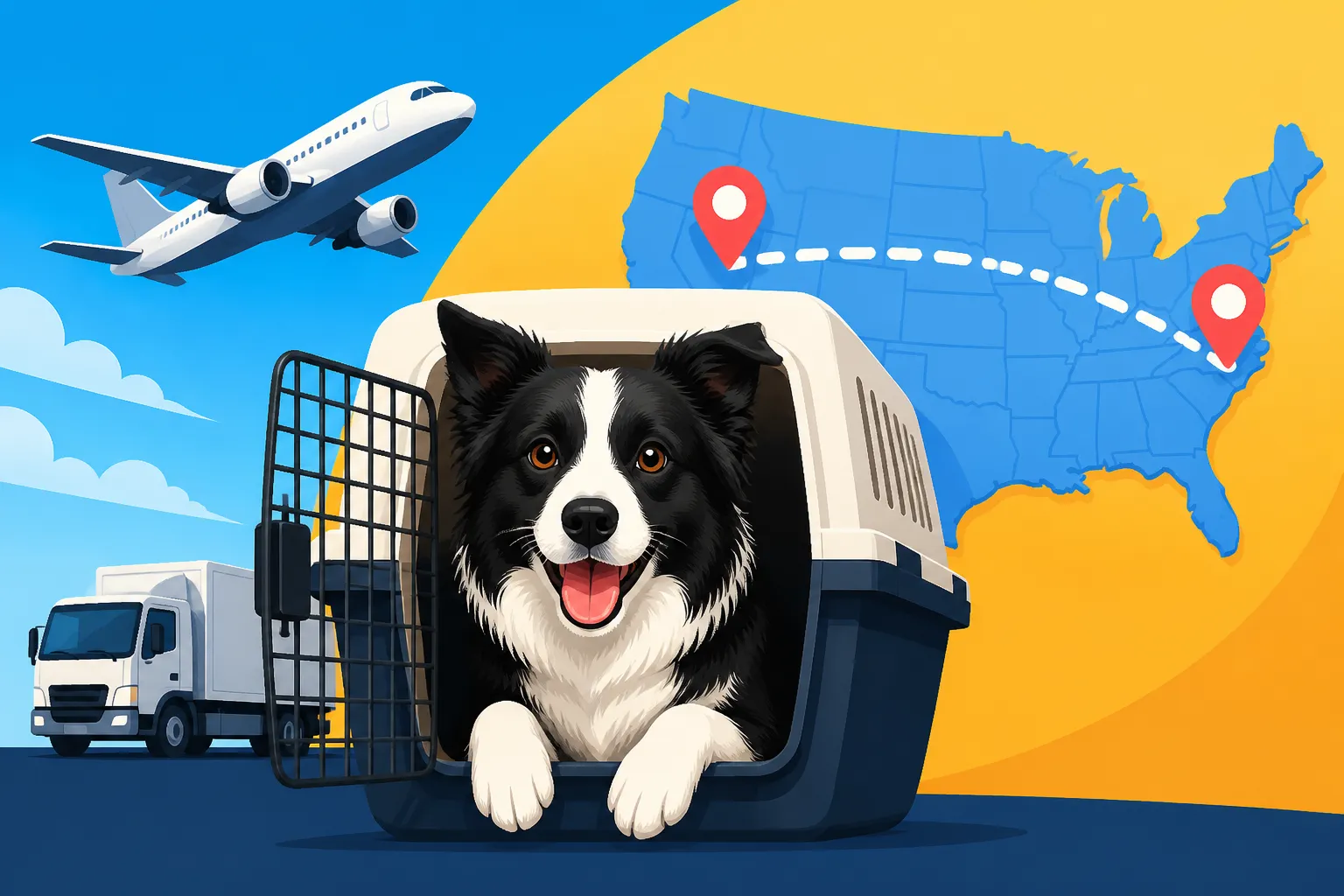
The first major decision you'll face is how your Border Collie will travel. Each method has its own set of pros and cons, and the "best" choice often depends on the distance, your budget, your dog's personality, and your personal comfort level.
Driving your Border Collie yourself is often the least stressful option for the dog, especially for shorter distances. You maintain direct oversight, can control stops for potty breaks and exercise, and provide constant reassurance. For a Border Collie, being with their person can significantly reduce anxiety. However, it's the most time-consuming and can be exhausting for the driver. You'll need to plan for pet-friendly accommodations, consistent access to food and water, and plenty of opportunities for your dog to stretch their legs and engage their mind. Remember, Exercise, Work and What Actually Settles a Border Collie is about mental engagement as much as physical.
Professional ground transport services offer a middle ground. These companies specialize in moving pets and often use climate-controlled vehicles with handlers who provide frequent breaks, feeding, and monitoring. This can be less jarring than air travel for sensitive dogs, as they're not exposed to the loud noises and abrupt changes in pressure of an aircraft. The journey is typically longer than flying, but the continuous care and personal attention can be invaluable. This option is great for those who can't drive their dog themselves but want a more personal touch than cargo air travel.
Air travel becomes a necessity for very long distances or international moves. It's the fastest way to get your Border Collie from point A to point B, minimizing the total time they spend in transit. However, it can also be the most stressful. Dogs travel in the cargo hold, which is pressurized and temperature-controlled but still a foreign and often noisy environment. Direct owner oversight is impossible, and there are stringent rules and temperature restrictions that can cause last-minute cancellations, especially during extreme weather. Weighing the speed against potential stress is crucial.
Navigating Air Travel for Your Border Collie
If air travel is your chosen route, prepare for a steep learning curve. Airlines have strict rules, and rightly so, to ensure the safety and well-being of the animals in their care. It’s a completely different ballgame than just buying a ticket for yourself.
Airline Requirements and Restrictions for Live Animals
This is where planning truly becomes paramount. Every airline has its own specific policies for live animal cargo, and these can change without much notice, so always check directly with the airline you intend to use. One of the biggest factors is temperature restrictions. Airlines have strict guidelines for the ambient temperature at both the departure and arrival airports, and sometimes even connection points. If the temperature is too hot or too cold, your Border Collie's flight might be delayed or canceled, often at the very last minute. While Border Collies are generally resilient, they are also active dogs who can be prone to overheating if stressed or in an overly warm environment, especially if they are not allowed to cool down or hydrate sufficiently.
Crate requirements are equally stringent. The International Air Transport Association (IATA) sets global standards for pet crates, and airlines adhere closely to these. Your Border Collie's crate must be large enough for them to stand up naturally (without their head touching the top), turn around, and lie down in a natural position. It needs proper ventilation on all four sides, a leak-proof bottom, and must be clearly labeled with "LIVE ANIMAL," your contact information, and directional arrows. Food and water bowls that attach securely inside the crate and can be filled from the outside are also mandatory. Don't skimp on the crate; it's your dog's only safe space during their journey.
Health certificates and vaccinations are non-negotiable. You'll need a health certificate issued by a licensed veterinarian within a specific timeframe (usually 10 days) of travel, stating your Border Collie is healthy enough to fly. All required vaccinations, especially rabies, must be up-to-date. Some states or countries have additional requirements, such as specific parasite treatments or import permits. A good starting point is ensuring your Border Collie has had The Annual Exam a Border Collie Needs and all necessary vaccines. Booking your cargo space well in advance is critical, as airlines have limited capacity for live animals, particularly during peak travel seasons.
Preparing Your Border Collie for the Flight
The journey begins long before the actual flight. Proper preparation can significantly reduce your Border Collie's stress levels and make the experience smoother for everyone.
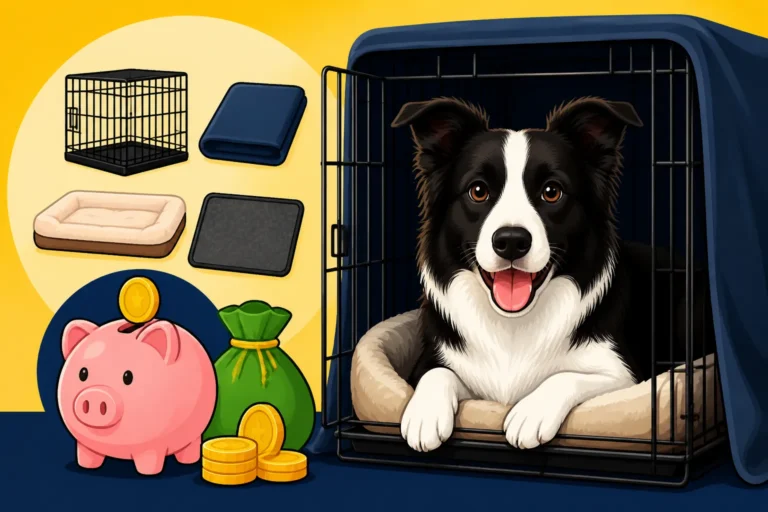
Crate Training is Non-Negotiable: This is probably the single most important thing you can do. Your Border Collie needs to view their travel crate as a safe, comfortable den, not a scary prison. Start weeks, even months, in advance. Feed meals in the crate, offer high-value treats inside, and gradually increase the time they spend in it, with the door closed. Make it a positive experience every time. For a Border Collie prone to separation anxiety or those who might become anxious when left alone, like A Border Collie That Panics When You Leave, dedicated crate training is absolutely vital.
Familiarization and Desensitization: While you can't simulate a cargo hold, you can help your dog get used to being in their crate in different environments. Take them for short car rides in the crate, expose them to the sounds of luggage carts or even the general hustle and bustle of a busy area (from a safe distance). This helps generalize the "crate is safe" feeling to various situations.
Adjusting Schedules: In the 4-6 hours before the flight, offer only a small, easily digestible meal, or none at all, to reduce the risk of airsickness or needing to relieve themselves mid-flight. Ensure they have access to water right up until check-in. Avoid sedatives unless explicitly recommended by a vet who is aware of the specific stresses of air travel and your dog's health, as some sedatives can have adverse effects at altitude.
Identification is Key: Attach clear identification tags to your Border Collie's collar and to the crate itself, with your name, destination address, and multiple phone numbers. Include a "live animal" label and arrows indicating which way is up. Ensure your Border Collie is microchipped and that your contact information associated with the chip is current. A pre-travel vet check, including updated Yearly Bloodwork for a Border Collie, can help identify any underlying issues that might complicate travel.
Exploring Ground Transportation Options
When flying isn't an option, or you simply want a more hands-on approach, ground transportation offers valuable alternatives. This can often be a kinder, gentler way for your Border Collie to travel, especially if they're prone to stress or have health concerns.
Professional Pet Transport Services
For many, professional pet transport services are a lifesaver. These companies specialize in moving animals safely and comfortably via road, offering a door-to-door service that can significantly reduce your stress. Imagine a climate-controlled vehicle, essentially a mobile pet hotel, designed for your dog's comfort.
The benefits are numerous. Your Border Collie will experience frequent stops for potty breaks, water, and short walks, mirroring their regular routine much more closely than air travel. They receive direct supervision from experienced handlers, who are often trained in animal first aid and can recognize signs of stress or illness. This personal attention can be a huge comfort for a sensitive Border Collie. Look for reputable companies with glowing reviews, strong references, and transparent policies on insurance, vehicle maintenance, and handler training. Don't hesitate to ask about their emergency protocols and how they handle unforeseen health issues on the road.
Costs for professional ground transport are often based on mileage, the size of your dog, and the level of service provided. While it might seem higher than flying at first glance, factor in the personalized care, direct route, and reduced stress for your dog. For those considering pet insurance, companies like Healthy Paws offer various plans that could provide peace of mind for unexpected vet visits, even during travel. Researching What Insurers Quote Monthly for a Border Collie can help you budget for ongoing care.
Making the Cross-Country Drive with Your Border Collie Yourself
Taking on the cross-country drive with your Border Collie is a fantastic way to bond and maintain control over their journey, but it requires diligent planning. You become the pilot, the co-pilot, and the flight attendant all rolled into one.
Route and Schedule Planning: Plot your route with pet-friendly stops in mind. Plan for regular breaks every 2-4 hours, not just for potty, but also for a short walk and some mental stimulation. For a Border Collie, even a 15-minute fetch session or a puzzle toy can make a huge difference in managing pent-up energy. Remember, mental work can be just as tiring as physical exertion for these intelligent dogs.
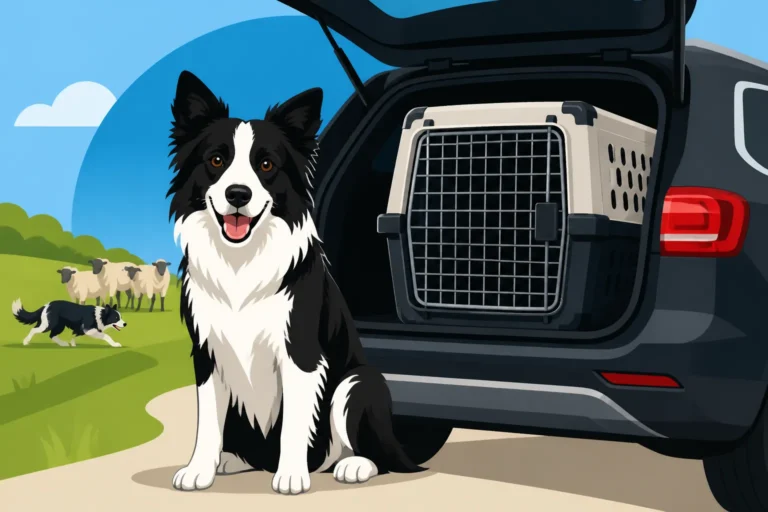
Safety First in the Car: Your Border Collie should be safely secured in the vehicle. A sturdy crate, properly anchored, is ideal, or a crash-tested car harness attached to a seatbelt. An unrestrained dog can become a projectile in an accident or a dangerous distraction to the driver. Never let your Border Collie ride with their head out the window; flying debris can cause serious eye or ear injuries.
Packing Essentials: Create a dedicated "dog bag" with everything your Border Collie will need:
- Plenty of their regular food. You might even want to pack a small bag from Chewy or Ollie that they are used to.
- Ample fresh water and travel bowls.
- Favorite toys and chew items to help with boredom and stress.
- Their bed or a familiar blanket for comfort.
- Any necessary medications, with clear instructions.
- A pet first-aid kit.
- Waste bags, cleaning supplies for accidents, and old towels.
Accommodation and Destination: Book pet-friendly hotels or campsites in advance, verifying their pet policies and any associated fees. Upon arrival at your new home, give your Border Collie time to acclimate. Provide a safe, quiet space with their familiar bed and toys. Remember that Border Collies need secure environments; ensuring Fencing a Yard a Border Collie Cannot Leave is in place at your new property is a critical step for their safety and your peace of mind.
Costs, Contingencies, and Staying Sane
Moving house, let alone moving a high-energy, intelligent dog like a Border Collie across the country, is inherently stressful and comes with a price tag. Understanding these aspects upfront can save you significant headaches and heartaches down the road.
The Shape of Shipping Costs for a Border Collie
Let's talk about money, because shipping a Border Collie is not a minor expense. The costs can vary dramatically based on your chosen method, the distance, and the level of service you opt for.
Airline Cargo Fees: If flying, expect fees based on the size and weight of your Border Collie and their crate. These fees are usually separate from your own ticket and can range considerably. International flights, naturally, command higher prices. You'll also need to factor in the cost of a compliant, IATA-approved travel crate, which can be a significant upfront expense depending on your dog's size.
Veterinary Expenses: Before any travel, your Border Collie will need a thorough health check and various certifications. This includes the cost of the veterinary exam, potentially updated vaccinations, parasite treatments, and the official health certificate itself. If you're moving internationally, additional blood tests, permits, and even quarantine fees can quickly add up. These are essential for ensuring your dog is fit to travel and meets all destination requirements. It's similar to the kind of health checks involved in The Cost of Border Collie Genetic Testing, but focused on travel readiness.
Professional Ground Transport: As discussed, this option often provides a more personalized service, which is reflected in the cost. Rates are typically calculated per mile, sometimes with additional charges for extra services like overnight stops or extended care. While it might appear expensive compared to air cargo, remember you're paying for dedicated attention, comfort, and often a less stressful experience for your dog.
Contingency Budget: This is critical. Unexpected delays (weather, paperwork issues, vehicle breakdowns) can mean additional nights in a hotel, unexpected vet visits, or last-minute changes to transport. Always have a buffer in your budget for these unforeseen circumstances. Pet insurance, such as plans from Healthy Paws, can be invaluable here, helping to cover emergency veterinary costs that might arise during transit.
Essential Preparations Beyond the Travel Itinerary
Beyond the logistics of the journey itself, there are crucial preparations you need to make to ensure your Border Collie's smooth transition into their new life.
Comprehensive Documentation: Gather all of your Border Collie's important papers. This includes their full health history, vaccination records, proof of ownership, and any registration papers, like those you might receive when acquiring What a Border Collie Puppy Costs From a Working Breeder. Keep both physical and digital copies in a secure, easily accessible place. These documents will be vital for any vet visits at your new location, or if you need to register your dog in a new municipality or with an organization like the ABCA or AKC. Don't forget local regulations at your destination, like the requirements for Licensing a Border Collie as a Working Farm Dog.
Emergency Contacts and Medication: Have a list of emergency contacts, including your current vet, the contact information for a vet clinic near your new home, and your own cell phone number clearly attached to your dog's crate or carrier. If your Border Collie is on any medication, pack a generous supply, clearly labeled, with detailed instructions. Always keep a few days' worth of their regular food, perhaps from a trusted brand like Chewy or Ollie, to avoid any dietary upset during the transition. A sudden change in diet on top of travel stress is not a recipe for a happy tummy.
Comfort Items: Pack a familiar blanket, a favorite toy, or even an old t-shirt with your scent. These items can provide immense comfort and a sense of security in a strange environment. For a highly intelligent dog like a Border Collie, familiarity can significantly reduce anxiety.
Settling In: Once you arrive, dedicate time to helping your Border Collie adjust. Don't just unpack boxes; prioritize setting up their safe space. This might include ensuring Fencing a Yard a Border Collie Cannot Leave is secure before letting them off-leash, or simply creating a quiet, comfortable corner where they can retreat.
Managing Your Border Collie's Stress During and After the Move
Border Collies thrive on routine and stability. A cross-country move is anything but. Managing their stress, both during the journey and in the weeks that follow, is paramount for their well-being.
Before the Journey: Try to maintain as much of their regular routine as possible in the days and weeks leading up to the move. Stick to consistent feeding times, walk schedules, and play sessions. Your calm demeanor will rub off on them. If you're anxious, they will pick up on it. Continue positive crate training, making it a place of comfort, not punishment.
During Transit: If driving yourself, ensure frequent, relaxing stops. Avoid busy dog parks immediately after a long stretch in the car; a quiet walk on a leash or a controlled play session in a secure area is better. Offer water frequently. If using a professional service, choose one that clearly outlines its approach to managing animal stress and provides regular updates. For air travel, trust in the airline's protocols and know that your careful preparation has given your dog the best chance for a smooth flight.
Upon Arrival: The moment you arrive at your new home, prioritize your Border Collie. Before you even think about unpacking, take them to a designated potty spot. Then, lead them to their pre-prepared safe space, complete with their familiar bed, water bowl, and toys. Allow them to explore at their own pace. Don't force interactions or overwhelm them with new sights and sounds.
It’s normal for a Border Collie to be a bit "off" for a few days or even weeks after a major move. They might be more clingy, more vocal, or temporarily lose their appetite. Be patient and reassuring. Re-establish their routine as quickly as possible. This means consistent feeding times, regular exercise, and dedicated training or play sessions. Remember, What a Border Collie Does With Its Whole Day should involve mental stimulation, which is crucial for helping them adapt. Engage their brains with puzzle toys, short training sessions, or scent work to help them settle and feel productive in their new environment. Giving them a sense of purpose and structure will go a long way in rebuilding their confidence and reducing stress in their new surroundings.
Disclaimer
This article is for general informational purposes only and does not constitute professional advice. Laws, prices and regulations vary by location and change over time. Consult a qualified professional for guidance on your specific situation.