Renting Sheep to Train a Border Collie
Many Border Collie owners find themselves with a dog whose deepest desires revolve around gathering and moving things, yet they live far from open pastures or don't own a flock of sheep. This creates a real dilemma: how do you fulfill that profound instinct without committing to a full-fledged farm? The good news is that for many, renting sheep to train a Border Collie offers an incredible, accessible way to tap into that ancient drive, fostering a stronger bond and a much more satisfied canine companion. This guide will walk you through everything you need to know about getting started.
Why Renting Sheep is a Game-Changer for Border Collie Training
The Border Collie is an unparalleled working dog, bred for centuries to gather and control livestock. While their intelligence and drive translate well to many dog sports and tasks, nothing quite compares to seeing them work sheep. For owners who don't have their own flock, renting sheep provides an invaluable opportunity to engage their dog in its most natural, fulfilling endeavor.
Tapping into Instinct Without the Full Farm Commitment
Imagine your Border Collie, a descendant of generations of supreme sheepdogs, living out its purpose. It's a powerful experience, not just for the dog, but for you as the owner, to witness that instinct blossom. For those living in urban or suburban environments, owning livestock simply isn't feasible, and frankly, who has the time or space for an entire flock just for one dog? This is where renting sheep comes in. It allows you to introduce your dog to actual livestock, under controlled conditions, without the huge commitment of land, feed, and animal husbandry. This isn't just about providing physical exercise; it's about deep mental stimulation and allowing your dog to express its very essence. Many owners initially try to satisfy this drive with endless games of fetch or flirt poles, but while those are great outlets, they don't quite hit the same spot as genuine herding for a dog bred specifically for it.
The difference between simulated herding games and working actual sheep is stark for a Border Collie. While a large "herding ball" can engage some of their instincts, it lacks the living, thinking, moving component of sheep that truly challenges their intellect and focus. When a Border Collie engages with sheep, they are problem-solving in real-time, responding to the subtle shifts of the flock, the commands of their handler, and their own deep-seated intuition. It’s an intricate dance that no toy can replicate, leading to a profound sense of satisfaction for the dog, and a level of tired that goes beyond just physical exertion. It’s a full mind-body workout that truly settles a Border Collie in a way few other activities can. You'll often find that after even a short session on sheep, your dog will be calmer and more content for days.
The Foundational Skills a Dog Learns on Livestock
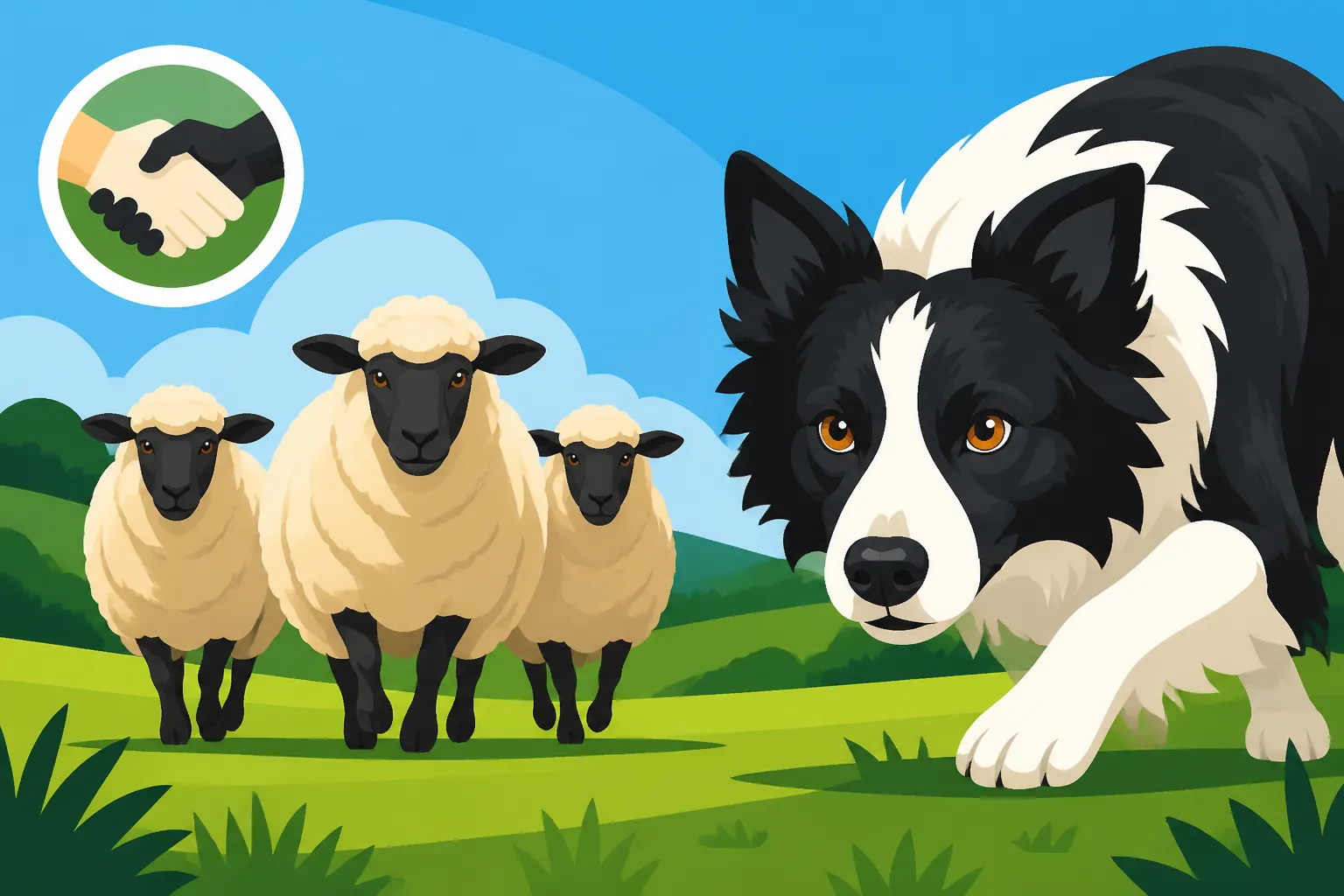
When a Border Collie starts working sheep, they learn far more than just "move the sheep." They learn to use their "eye" – that intense, focused stare that is the hallmark of the breed – to influence the sheep's movement. They learn flanks (circling left and right, often to "come bye" and "away to me" commands), the art of pressure and release, and how to maintain balance to keep the flock together. These aren't just tricks; they are complex behaviors that require keen observation, quick decision-making, and immense self-control. The sheep themselves provide immediate, honest feedback: if your dog is too much, they scatter; too little, and they ignore. This natural consequence is a powerful teacher.
An experienced instructor will guide both you and your dog, introducing commands like "walk up" to push the sheep forward, or "lie down" at a distance to stop the drive. This process builds immense communication between handler and dog. The dog learns to listen to subtle cues amidst the chaos of moving livestock, and you learn to "read" your dog and the sheep. It's an evolving partnership that strengthens the bond immensely. Even if your goal isn't competitive sheepdog trials, these foundational skills translate into better focus, responsiveness, and a more well-rounded companion in everyday life. For instance, the discipline required to "stay" with a strong instinct raging can significantly improve your dog's general Recall on a Border Collie That Has Locked On.
Assessing Natural Instinct in a Young Border Collie
Before you even think about competitive trials, many owners are simply curious if their Border Collie has the "stuff." Renting sheep for a single session, or attending an instinct test, is a fantastic way to find out. A good instinct test provides a controlled environment for a dog to meet sheep for the very first time, usually with an experienced trainer observing and guiding. They'll look for key indicators like the dog's interest in the sheep, its natural desire to gather, its willingness to respond to direction, and that characteristic "eye." It's important to remember that not all Border Collies will show strong instinct, and that's perfectly okay. Some are bred more for other sports or companionship, and their genetics might simply not lean towards herding.
However, for those with a strong inherent drive, these initial sessions on rented sheep can be revelatory. You might see a puppy, not yet a year old, instinctively circling the flock, using its body language to influence their movement, often with The Border Collie Stare and Where It Comes From that is so iconic. While it's generally advised to wait until a Border Collie is a bit older, often around 6-12 months, before serious herding work to protect their developing joints, an instinct test can be done safely earlier. This early exposure, even if brief, can confirm you're on the right track and guide your future training decisions. It's a wonderful way to see The First Time a Border Collie Meets Sheep in a safe, supported environment.
Finding and Choosing a Suitable Facility to Rent Sheep
Deciding to introduce your Border Collie to sheep is exciting, but finding the right place to do it is crucial. The quality of the facility and instruction can make all the difference in a positive first experience and continued progress. This isn't something you want to DIY in a farmer's field; professional guidance is paramount for the safety of both your dog and the livestock.
What to Look For in a Herding Facility
When you're searching for a place to rent sheep, the first and most important factor is the instructor. You want someone experienced, patient, and knowledgeable, not just about herding, but about dog behavior and Border Collie specifics. They should be able to read both your dog and the sheep, understanding how to apply pressure, when to intervene, and how to motivate without intimidating. Ask about their training philosophy; ideally, they should use positive reinforcement methods, focusing on building a partnership rather than just commanding. A good instructor will explain the "why" behind their commands and help you understand your dog's instincts, not just tell you what to do.
Beyond the instructor, consider the facility itself. Are the sheep calm and "dog broke"? Meaning, are they accustomed to dogs working them and not overly skittish or aggressive? Fresh, untrained sheep can be dangerous for a novice dog and handler. The working areas should be securely fenced, preventing any escapes for both dogs and sheep. Pay attention to the ground condition; it should be safe and free of hazards. Many facilities offer trial classes or observation opportunities, which are excellent ways to gauge if the environment and teaching style are a good fit for you and your dog. Don't be afraid to ask questions about safety protocols, emergency procedures, and how they handle different temperament types in both dogs and sheep.
Understanding the Different Rental Structures
Herding facilities typically offer a few different ways to rent sheep and receive instruction, each with its own benefits and cost structure. The most common for beginners is private lessons. Here, you get one-on-one time with an instructor and a small flock of sheep, tailored specifically to your dog's level and your goals. This allows for focused attention and immediate feedback, which is invaluable when starting out. You can progress at your dog's pace, working on specific skills without the distractions of other dogs. Of course, this personalized attention usually comes at a higher hourly rate.
Another popular option is group clinics or workshops. These are often structured over a half-day or full weekend, with several dog-and-handler teams participating. While you won't get constant one-on-one instruction, you'll still receive guidance during your turns on the sheep, and you can learn immensely by observing others. Clinics can also be more cost-effective per session, and they offer a chance to connect with other herding enthusiasts. "Open field" rental, where you rent a pasture and sheep without direct instruction, is generally not recommended for beginners. It requires a significant amount of experience and a dog already proficient in herding commands and self-control. Always start with supervised instruction to ensure safety and effective learning. You can usually find information on Herding Lesson Rates for a Border Collie through contacting facilities directly.
Preparing Yourself and Your Border Collie for the First Session
Before heading out to your first herding lesson, a little preparation goes a long way. Your Border Collie should have a solid foundation of basic obedience. A reliable "stay," "come," and "down" command, even amidst distractions, will be incredibly helpful. While the herding commands are different, having a dog that respects your voice is crucial. Physically, your dog should be in good health. Herding is demanding, so ensure they are fit enough for strenuous activity. If you have any concerns about their physical readiness, a vet check is always a good idea. Consider investing in pet insurance from providers like Healthy Paws, especially if you plan to get serious about dog sports, as injuries can happen, and veterinary care can be costly. This can provide peace of mind down the line.
For yourself, comfortable, closed-toe footwear suitable for uneven, muddy ground is essential. Dress in layers, as you'll be outside, moving around. Bring plenty of water for both you and your dog, a secure collar and leash, and a long line (often 20-30 feet) if your instructor recommends it. Don't forget treats for positive reinforcement off the sheep, and perhaps some high-value kibble from a brand like Ollie, known for its fresh, nutrient-dense options, to ensure your high-energy working dog is properly fueled. Mentally, approach the session with an open mind and patience. Your first time might be chaotic, exhilarating, or a mix of both. Trust your instructor, enjoy the process, and celebrate every small step forward. This experience is a journey, and every session builds on the last.
The Practicalities and Costs of Renting Sheep
So, you're ready to take the plunge and introduce your Border Collie to sheep. Understanding the practical aspects, especially the financial commitment, will help you plan your herding journey effectively. It's an investment, but for many Border Collie owners, the rewards are immeasurable.
Decoding the Cost Structure
The cost of renting sheep and instruction varies significantly depending on your location, the facility, and the type of session. Generally, private lessons with an instructor and a small flock of sheep are priced by the hour. You might find rates varying widely, so it's best to check with local facilities directly. Some places offer package deals, where you pay for multiple sessions upfront at a slightly reduced rate, which can be a good option once you know you and your dog enjoy herding. Clinics and workshops, as mentioned earlier, might be priced per day or weekend, often including a set number of turns for each dog.
Beyond the direct session fees, remember to factor in travel costs. Herding facilities are often located in more rural areas, so gas mileage can add up if you're traveling a significant distance regularly. Equipment costs are typically minimal to start – a good leash, collar, and maybe a long line. However, as you get more serious, you might consider investing in more specialized gear like working whistles, durable boots for yourself, or even a sturdy car crate for safe transport. Feeding a working Border Collie also involves specific considerations; their high energy output demands a nutrient-dense diet. Companies like Ollie provide fresh dog food tailored to a dog's activity level, which can be an excellent way to support their performance and overall health when they are regularly working.
Here’s a general idea of how different session types might compare:
| Session Type | Instruction Level | Typical Duration | Cost Structure | Ideal For |
|---|---|---|---|---|
| Private Lesson | One-on-one, tailored | 30-60 minutes | Per hour/package | Beginners, targeted skill work, addressing issues |
| Group Clinic | Shared, rotational | Half-day/Full day | Per dog, per clinic | Learning from others, consistent exposure, social |
| Instinct Test | Focused assessment | 15-30 minutes | Flat fee | First-timers, checking natural aptitude |
| Open Field Time | None (self-directed) | Hourly/Daily | Pasture & sheep rent | Experienced handlers & dogs, independent practice |
Maximizing Your Time and Investment on the Field
To get the most out of your rented sheep sessions, preparation and active engagement are key. Arrive a little early to allow your dog to potty and settle in. Listen intently to your instructor's guidance; they have years of experience reading dogs and sheep. Don't be afraid to ask questions if something isn't clear, or if you're struggling with a particular concept. Remember, you're learning just as much as your dog is. Focus on the small, achievable goals the instructor sets for each session, rather than getting overwhelmed by the big picture.
Between sessions, you can practice many of the verbal commands and concepts without the sheep. For example, practicing "come bye" and "away to me" by having your dog circle objects in your yard can reinforce the directionals. Work on your recall in distracting environments and ensure your dog has a solid "down" from a distance. Reviewing what you learned, perhaps even taking notes, can help solidify the new skills. Consistency, even if it's just once a month, is usually more effective than sporadic, intense sessions. And don't forget to reward your dog generously for effort, not just perfection, building that positive association with the work. High-quality treats or even a small portion of their regular delicious meal, like those offered by Chewy, can be great motivators.
Managing Expectations and Progress
Herding is a nuanced, complex activity, and progress is rarely linear. It's a journey, not a race. Some Border Collies will take to it like a fish to water, while others might be more hesitant or require more time to understand their role. It's vital to manage your expectations. Not every Border Collie will become a champion trial dog, and that's perfectly fine. For many owners, the true value lies in providing an enriching outlet for their dog's natural instincts, strengthening their bond, and seeing their dog genuinely fulfilled. The goal might simply be to allow your dog to move sheep calmly, showing control and partnership, rather than achieving a specific trial title.
Celebrate the small victories: the first time your dog successfully pushes the sheep, holds them together, or responds to a whistle command at a distance. Be patient with setbacks; they are part of the learning process. An experienced instructor can help you understand your dog's progress and potential. They can also offer insight into common issues like Why a Border Collie Cannot Stop on Its Own when their drive is high, and how to work through them. Ultimately, the joy comes from the shared experience and the profound connection you build with your intelligent, driven Border Collie as you explore this incredible heritage together. It's about letting your dog be the dog it was born to be, and that is a truly wonderful thing.
Disclaimer
This article is for general informational purposes only and does not constitute professional advice. Laws, prices and regulations vary by location and change over time. Consult a qualified professional for guidance on your specific situation.