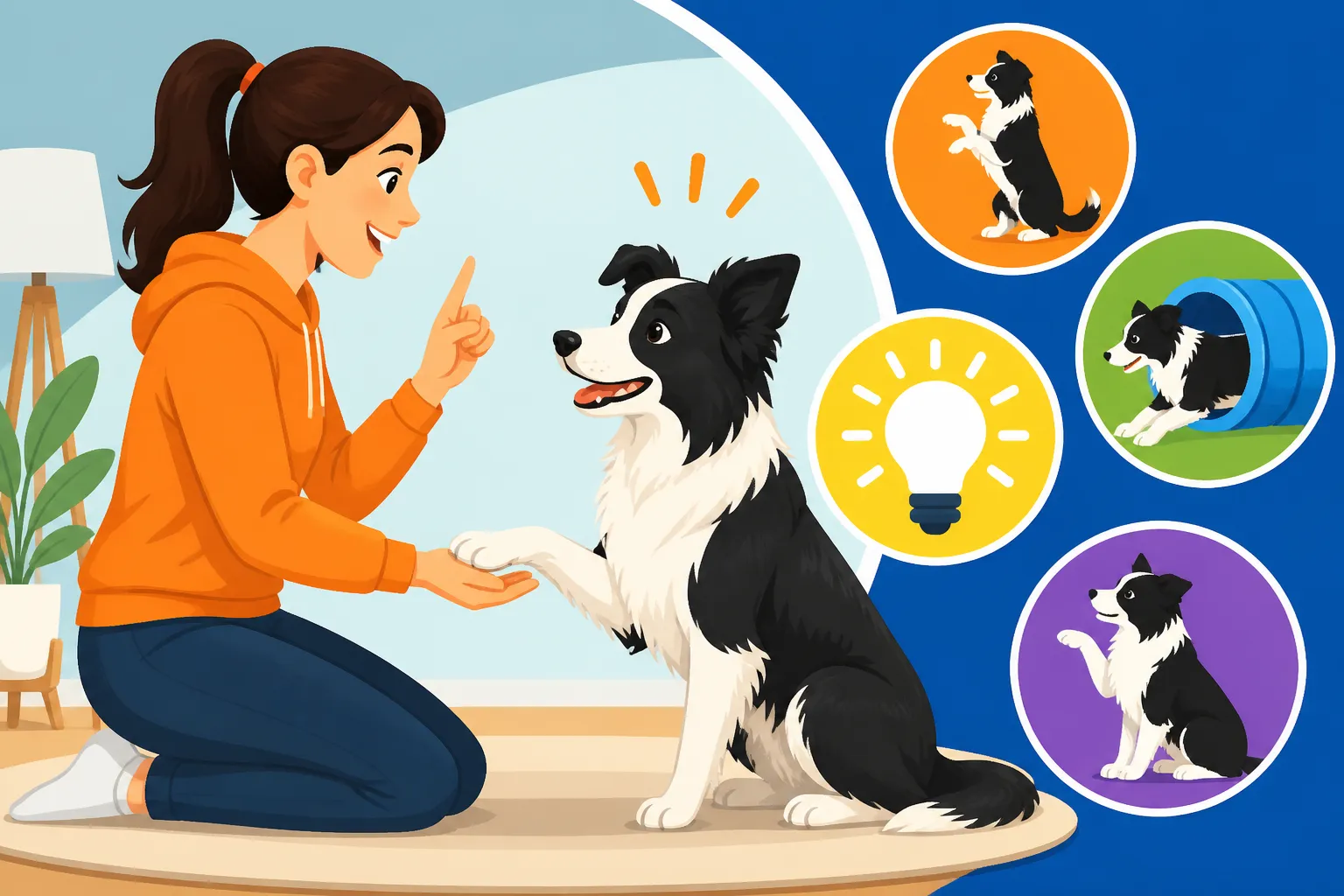
Trick Training a Border Collie Indoors
Living with a Border Collie can sometimes feel like trying to bottle a lightning storm, especially when outdoor weather isn't cooperating, or you're confined indoors. Many owners find themselves frustrated when their incredibly intelligent dog starts inventing its own (often destructive) games out of sheer boredom. This guide is here to walk you through the rewarding world of indoor trick training, providing your Border Collie with the mental workout it craves, no matter what's happening outside.
Why Indoor Trick Training is Crucial for Border Collies
Border Collies are renowned for their exceptional intelligence and boundless energy. While physical exercise is undeniably important, neglecting their mental needs is a recipe for disaster. Owners often find that simply running their Border Collie until it's physically tired isn't enough; the dog's mind is still buzzing, looking for a job to do. This is where indoor trick training shines, offering a structured outlet for their cognitive drive.
Addressing Boredom and Destructive Behavior
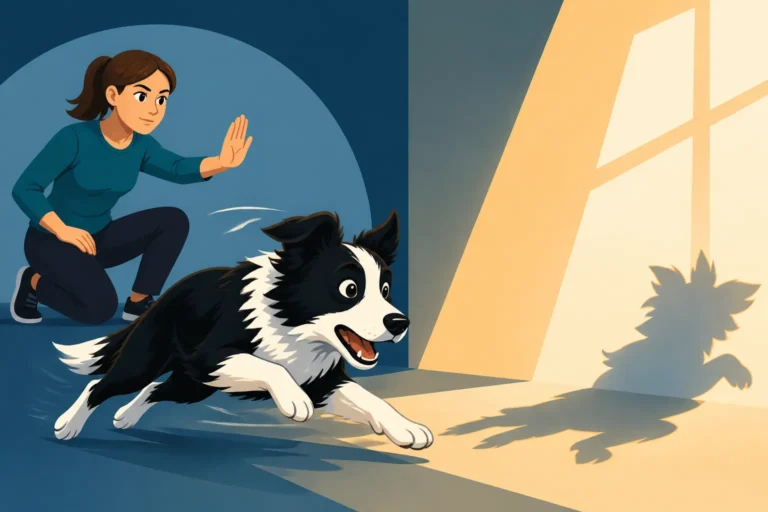
A bored Border Collie is an inventive Border Collie, and unfortunately, their inventions rarely align with our home decor or peace of mind. Without sufficient mental engagement, they'll often resort to self-employment, which can manifest as excessive barking, chewing furniture, digging at carpets, or even incessant shadow chasing. Imagine a dog that spends hours meticulously dismantling a cushion, not out of malice, but because figuring out how to get to the stuffing was the most stimulating thing available to them all day. It’s a classic Border Collie conundrum, and it’s why something as simple as teaching them to "put toys away" can be a game-changer. It gives them a task, a purpose, and a sense of accomplishment, all while keeping your home intact.
This isn't just about preventing bad habits; it's about fostering a happy, well-adjusted companion. A dog that is regularly challenged mentally is less likely to develop anxiety or frustration. They learn that engaging with you is a source of joy and purpose, deepening your bond. It's a proactive approach to managing their unique drive, turning potential problems into positive interactions. You might be surprised to find that a good half-hour session of focused trick training can tire your dog more effectively than an hour of mindless fetching, especially if you've been struggling with Why Walking a Border Collie Is Not Enough.
Mental vs. Physical Exertion
It’s easy to focus on how much ground a Border Collie can cover in a day, but the truth is, their minds need as much, if not more, exercise than their bodies. Think of it like this: a marathon runner might be physically exhausted after a race, but if they then have to solve a complex mathematical problem, their brain might still be fresh. For a Border Collie, a long walk around the neighborhood, while good for their physical health, might be equivalent to a leisurely stroll for us – pleasant, but not exactly taxing our intellect.
Mental exertion, like that found in trick training, engages different parts of their brain. It requires problem-solving, memory recall, focus, and intricate communication with you. Teaching a new trick demands sustained concentration and the ability to link actions with cues and rewards. This type of work burns mental energy far more efficiently. It’s the difference between doing twenty push-ups and learning a new language – both are taxing, but in very different ways. For a breed known for its intelligence, providing these cognitive challenges is not just beneficial, it's essential for their overall well-being and satisfaction. It taps into their natural desire to understand and work.
Getting Started: Essential Supplies and Mindset
Before you dive headfirst into teaching your Border Collie to dance the cha-cha, it’s important to set yourself up for success. This isn't just about having the right gear, but also cultivating the right attitude and approach to training. Remember, your Border Collie learns incredibly fast, but they also pick up on your energy and consistency.
Selecting the Right Tools
You don't need a fancy training studio to teach tricks indoors. In fact, many successful sessions happen right in your living room or kitchen. However, a few key tools can make the process much smoother and more effective.
First and foremost, high-value treats are your best friend. These should be small, easily consumable, and absolutely irresistible to your dog. Think tiny pieces of cooked chicken, cheese, or specialized training treats. The higher the value, the more motivated your Border Collie will be to figure out what you want. You can often find great options on platforms like Amazon, making it convenient to stock up. A treat pouch worn around your waist is also invaluable, keeping your hands free and treats readily accessible.
Next, consider a clicker. A clicker is a precise marker that tells your dog exactly the moment they performed the correct action. Unlike verbal praise, which can vary in tone and timing, a click is always the same, making it a very clear communication tool for your intelligent Border Collie. If you're new to clicker training, there are many beginner-friendly guides and starter kits available, even some through online resources like BAXTER & Bella that can teach you the ropes. Beyond that, a few simple props like a small mat, a target stick, or even a cardboard box can be incredibly versatile for teaching a multitude of tricks. You might also want to explore Puzzle Feeders That Hold a Border Collie to incorporate mental games into their daily routine outside of formal trick training.
| Tool Type | Purpose | Key Features |
|---|---|---|
| High-Value Treats | Motivation and reward | Small, soft, easily chewable, highly palatable, readily available |
| Clicker | Precise marker for correct behavior | Consistent sound, easy to operate, quick feedback |
| Treat Pouch | Accessibility of rewards | Hands-free design, secure closure, durable material |
| Target Stick | Guiding specific movements | Extendable, visible tip, comfortable grip |
| Small Mat | Teaching 'place' or specific positions | Non-slip, washable, distinct from regular bedding |
| Simple Props | Expanding trick repertoire (e.g., boxes, cones) | Safe, lightweight, easily moved, can be repurposed for various tricks |
Creating a Conducive Training Environment
The environment where you train can significantly impact your Border Collie's ability to focus and learn. When starting out, choose a quiet space indoors with minimal distractions. This means turning off the TV, silencing your phone, and ensuring other pets or family members aren't creating a lot of commotion. A cluttered space can also be distracting, so clear away any unnecessary items that might tempt your dog to investigate instead of focusing on you.
Think about the flooring – a non-slip surface is best for tricks that involve movement or balance, protecting your dog's joints and preventing slips. If you have slick floors, consider laying down a rug or mat specifically for training sessions. The goal is to create a "classroom" where your Border Collie feels safe, comfortable, and can dedicate their full attention to the task at hand. Keep sessions short and positive, especially when introducing new concepts. Five to ten minutes of focused work is far more effective than a long, drawn-out session where both of you end up frustrated. Always end on a high note, even if it means asking for an easy, known trick and rewarding heavily. This builds a positive association with training and keeps your Border Collie eager for the next session. Remember, the key is consistency and positive reinforcement to build their confidence and willingness to engage.
Teaching Foundational Tricks
Once you have your supplies and a quiet space, it's time to dive into the fun stuff! Border Collies thrive on learning, and starting with foundational tricks helps build their confidence and understanding of how training works. These aren't just cute party tricks; they lay the groundwork for more complex behaviors and strengthen your communication.
"Shake a Paw" and "High Five"
These two tricks are fantastic starting points because they involve a natural canine behavior (lifting a paw) and are relatively easy to shape. To teach "Shake a Paw," hold a treat in your closed fist and present it to your dog. Most Border Collies will instinctively try to paw at your hand to get the treat. The moment their paw touches your hand, click and open your hand to give the treat. Repeat this several times. Once they are consistently pawing, start adding the verbal cue "Shake!" or "Paw!" just as their paw lifts. Eventually, you'll be able to present your open hand, say the cue, and they'll offer their paw. This is an excellent way to teach them to think about what actions get them rewards.
"High Five" is a natural progression from "Shake a Paw." Once your dog reliably offers a "Shake," simply raise your hand a bit higher, turning it palm-out. When they lift their paw to touch your palm, click and treat. Gradually increase the height and angle until they are reaching up for a proper high five. Border Collies often pick this up very quickly due to their eagerness to engage and their knack for observation. These tricks not only look impressive but also teach your dog crucial body awareness and how to respond to specific hand signals, skills that are invaluable for other training. It's truly amazing to see how quickly they grasp these concepts; it's a testament to How Many Words a Border Collie Can Learn.
"Bow" and "Play Dead"
These tricks add a touch more complexity and demonstrate your Border Collie's impressive flexibility and body control. "Bow" is a wonderful way to stretch their back and teach them to lower their front end while keeping their rear up. To teach "Bow," hold a treat near your dog's nose and slowly lure their head down and back between their front legs, as if they are trying to reach the treat through their legs. Their elbows should bend, and their chest should lower, while their rear end stays up. The instant they achieve this "bow" position, click and treat. Once they are consistently following the lure into the bow, add your verbal cue, such as "Bow!" or "Curtsy!" You can also use a hand signal, like making a bowing motion yourself, to solidify the cue.
"Play Dead" is a showstopper, but it requires a bit more patience and relies on your dog already knowing "Down" and "Roll Over" (or at least being comfortable lying on their side). Start with your dog in a "Down." Lure them onto their side with a treat, then move the treat to encourage them to roll further onto their back or hold the position. The moment they are lying completely still on their side or back, click and treat. Introduce a dramatic verbal cue like "Bang!" or a hand signal like a pointed finger. The key here is to reward stillness and a convincing "death" pose. Some dogs might prefer rolling completely onto their back, while others will just flop to their side. Celebrate whatever they offer as long as it's consistent. This trick really showcases their ability to perform intricate sequences and hold positions, proving that The Border Collie That Learns Faster Than You Teach isn't just a myth.
Advanced Indoor Challenges and Problem Solving
Once your Border Collie has mastered the basics, it's time to raise the bar. Their keen minds will relish the challenge of more complex sequences and problem-solving games. This stage is where you truly harness their impressive intelligence and turn individual tricks into dazzling routines.
Combining Tricks into Routines
This is where your Border Collie's advanced cognitive abilities really shine. Instead of just performing one trick, challenge them to string multiple known behaviors together in a specific order. For example, you could teach a routine like "Spin, then Bow, then Shake." Start by cueing the first trick, rewarding it, then immediately cueing the second, and so on. As they become more proficient, you can gradually delay the individual rewards until they have completed the entire sequence, then offer a jackpot reward. This teaches them to anticipate and remember longer chains of commands, which is incredibly mentally stimulating.
You can add novelty by introducing props. A small tunnel, weave poles made from PVC pipe, or even a set of low agility jumps can be used safely indoors. Imagine teaching your dog to "fetch the remote," then "bring it here," then "put it on the table." The possibilities are endless, and you can even give your routines unique names to make them more fun for both of you. Many online dog training programs, like those offered by BAXTER & Bella, include modules on linking behaviors, providing structured guidance for those looking to expand their dog's repertoire. This level of training actively prevents your Border Collie from getting into trouble like The Border Collie That Chews Itself When Bored, by giving them productive outlets for their energy.
Troubleshooting Common Training Hurdles
Even with the smartest of dogs, you'll encounter some bumps in the road. It’s part of the learning process! One common hurdle is when a Border Collie gets stuck on a particular step of a trick or seems to lose motivation. If this happens, don't get frustrated. Instead, break the trick down into smaller, easier steps. Go back to what your dog can do, reward it, and then slowly reintroduce the next tiny piece of the challenge. Sometimes, a change of scenery (even just moving to a different room) or a different type of treat can re-ignite their enthusiasm.
Another issue can be a Border Collie offering all their known tricks at once when they're unsure what you want. This is often a sign that you need to be clearer with your cues or make the initial steps simpler. If your dog gets over-excited and starts jumping or barking, it might be a sign that the session is too long, the rewards are too high-value for that moment, or they need a brief cool-down period. Always remember to end on a positive note. If a trick isn't working today, go back to an easy one they love, reward them heavily, and try the challenging trick again tomorrow with a fresh perspective. Consistency, patience, and a sense of humor are your best tools in overcoming any training challenge, and understanding Why a Border Collie Cannot Stop on Its Own can help you manage their drive during sessions.
Expanding Your Indoor Training Repertoire
Once your Border Collie has a solid foundation in trick training and you've navigated some initial hurdles, you'll find there's a vast world of indoor activities to explore. This breed truly thrives on variety and mental challenge, and pushing their boundaries in new ways will keep them engaged and happy.
Incorporating Cognitive Games and Puzzle Feeders
Beyond formal tricks, cognitive games and puzzle feeders are excellent ways to provide mental stimulation indoors. These tools challenge your Border Collie to problem-solve independently, using their natural intelligence to earn a reward. Think about toys that require them to flip levers, slide panels, or lift cups to get treats. These aren't just for puppies; advanced puzzle feeders can keep even the most seasoned Border Collie engaged for a good amount of time, giving their brains a serious workout. Many such puzzles can be found on Amazon, ranging from beginner to expert difficulty.
Start with simpler puzzles and gradually increase the complexity as your dog masters them. Observing how your Border Collie approaches these puzzles can be fascinating; they often employ different strategies, showcasing their individual problem-solving styles. These games are especially useful for those times when you can't actively engage in a training session but still need to provide mental enrichment. It’s a fantastic way to teach them to think for themselves, which can build confidence and independence, and can be a great alternative to obsessive behaviors like Stopping a Border Collie Chasing Shadows and Light. Remember to supervise at first to ensure they understand the game and don't get frustrated or try to chew through the toy.
Scent Work and Nose Games
Border Collies possess an incredible sense of smell, and engaging their noses indoors is a highly enriching and often calming activity. Scent work, sometimes called "nose work" or "container searches," teaches your dog to find a specific scent (like birch or anise, which can be purchased as essential oils) hidden in various containers or areas. You don't need fancy equipment to start; you can begin by simply hiding a high-value treat under one of several overturned cups and encouraging your dog to find it.
As they get better, you can increase the number of cups, hide treats in different rooms, or even use empty boxes to create a "search area." The mental focus required to sift through scents is immensely tiring for dogs, and it leverages their natural instincts in a way that's deeply satisfying for them. It's a wonderful alternative for days when outdoor activities are limited, and it builds incredible focus and perseverance. This kind of focused work is exactly the sort of Mental Work That Tires a Border Collie Faster, helping them to settle down afterward. There are numerous online resources and even formal classes available for those who want to delve deeper into competitive nose work, but simple home games are just as effective for enrichment.
Learning the Names of Objects
This is where the Border Collie truly shines and demonstrates their extraordinary capacity for language. You can teach your dog the names of their toys, household objects, or even family members. Start with two distinct toys. Say the name of one toy ("Go get your ball!"), throw it a short distance, and praise enthusiastically when they retrieve it. Repeat with the second toy ("Go get your rope!"). Once they consistently retrieve the correct toy when named, place both toys on the floor and ask for one. When they pick the right one, big praise and a treat!
Gradually increase the number of toys, spacing them further apart. Border Collies have been known to learn hundreds of object names, a testament to The Border Collie That Learns Faster Than You Teach. This isn't just a trick; it's a form of active communication that deepens your bond and provides endless mental gymnastics for your dog. It requires them to recall specific labels, discriminate between objects, and follow complex commands. This is another fantastic way to utilize their brainpower when outdoor adventures aren't possible, transforming indoor time into a stimulating learning environment.
Conclusion
Trick training your Border Collie indoors is far more than just teaching cute parlor tricks; it's a vital component of meeting their profound mental and emotional needs. By consistently engaging their brilliant minds with structured challenges, you can prevent boredom-induced destructive behaviors, strengthen your bond, and foster a truly well-adjusted companion. Whether you're teaching a simple "shake" or an elaborate routine, every session builds confidence, refines communication, and reminds you both why the Border Collie is such an extraordinary breed. Embrace the journey, celebrate every small success, and enjoy the incredible intelligence and partnership that unfolds right there in your living room.
Disclaimer
This article is for general informational purposes only and does not constitute professional advice. Laws, prices and regulations vary by location and change over time. Consult a qualified professional for guidance on your specific situation.