Caring for a Border Collie Past Its Working Years
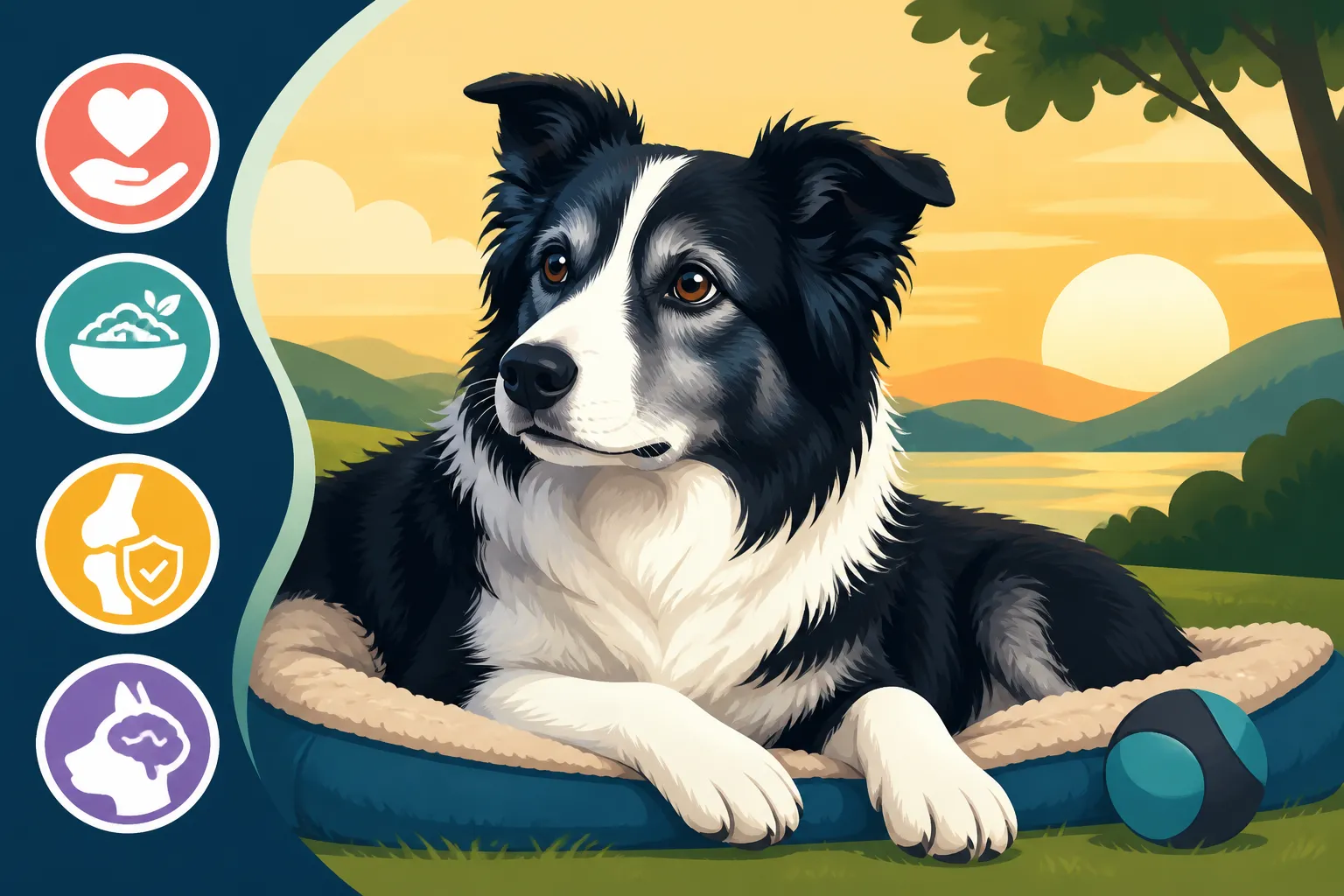
The day your Border Collie starts slowing down is tough for any owner. It's a bittersweet shift, watching that tireless drive, that boundless energy that defined their youth and working years, begin to mellow. You might find yourself grappling with guilt, wondering if you pushed them too hard, or just feeling a deep sadness as the inevitable march of time catches up. This guide is here to walk you through the nuances of caring for your beloved Border Collie as they transition from their active, working life into their golden years, offering practical advice and emotional support to navigate this new chapter together.
Understanding the Transition: From Worker to Retiree
It’s a natural part of life, but it doesn't make it any easier when your loyal working partner starts to show their age. Border Collies, by their very nature, are driven, intelligent, and often seem like they’ll keep going forever. Yet, even the most dedicated sheepdog or agility champion eventually faces retirement. Understanding this transition is the first step in providing the best possible care for them.
Recognizing the Signs Your Border Collie Is Slowing Down
Sometimes, the changes are subtle. You might notice your dog isn't quite as quick to leap into the truck, or perhaps they take a little longer to get up after a nap. Their enthusiasm for that long morning run might still be there, but their stamina might not. Instead of circling the flock with their usual speed and precision, they might be a step behind, or cut corners they never used to. This isn't laziness; it's often the first whisper of age taking hold.
Other signs can be more obvious. Maybe they start to favor a limb after a day out, or their once-sleek movements become a little stiffer, a bit more deliberate. You might observe a decrease in their overall playfulness or a reluctance to engage in activities they once adored, like endless games of fetch. It's crucial not to dismiss these indicators as just a "bad day," but rather to view them as cues that their body is no longer as youthful or resilient as it once was. Paying close attention to these early warnings allows you to intervene sooner and adjust their routine and care accordingly. It's a common misconception that Border Collies never slow down, but even the dogs we dream will be The Border Collie That Stays Sound Into Its Teens will eventually show signs of aging.
The Emotional Impact of Retirement on a Working Dog
For a Border Collie, work isn't just a pastime; it's often their entire identity. Their purpose, their focus, their deep connection with their handler – it all revolves around their job, whether that’s gathering sheep, running an agility course, or even just managing the chaos of a busy household with their innate herding instincts. To suddenly have that purpose diminished or removed can be profoundly confusing and upsetting for them. They don't understand "retirement" in the human sense; they just know they're not doing what they've always done.
This can manifest as boredom, restlessness, or even anxiety. A dog accustomed to complex tasks and constant mental stimulation might become destructive, bark excessively, or develop new compulsive behaviors if their intellectual needs aren't met in other ways. They might try to "work" inanimate objects, family members, or other pets out of habit and instinct. It's a tough balance: you want to respect their physical limitations, but you also need to honor their inherent drive and intelligence. Finding new, gentle ways to engage their brilliant minds is paramount to ensuring their emotional well-being during this significant life change.
Adjusting Diet and Nutrition for the Senior Border Collie
As your Border Collie moves into their senior years, their dietary needs shift quite dramatically. They're no longer burning the same colossal amount of calories as a young working dog, and their body needs different kinds of support to maintain health and comfort. Getting their nutrition right is one of the most impactful things you can do to support their longevity and quality of life.
Calorie and Protein Needs for a Less Active Dog
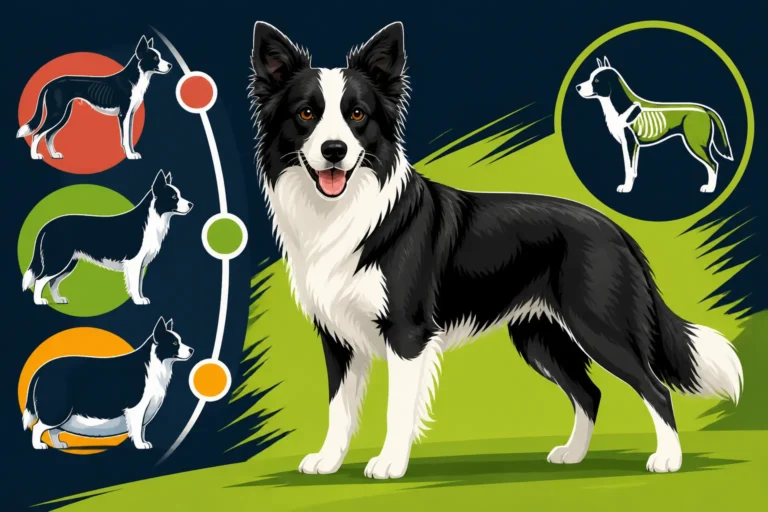
One of the biggest mistakes owners make with aging Border Collies is continuing to feed them the same amount and type of food they received during their peak working years. While it's tempting to think they still need that fuel, a less active senior dog simply doesn't. Their metabolism often slows down, and reduced activity means fewer calories expended. Continuing a high-calorie diet designed for strenuous work can quickly lead to unhealthy weight gain, which then exacerbates joint pain and puts strain on internal organs.
Instead, the focus should shift to a diet that is lower in calories but still high in quality protein. Protein remains crucial for maintaining muscle mass, which naturally begins to decline with age. Look for senior-specific dog foods that are formulated with controlled fat and carbohydrate levels, but boast excellent protein sources. It's about feeding quality, not quantity. You might find yourself needing to gradually reduce their portion sizes or switch to a different formula entirely. This adjustment is key to preventing obesity and ensuring their body gets the right building blocks without the excess energy it no longer needs. For specific guidance, you'll want to explore What a Retired Border Collie Should Eat Instead.
Supplements to Support Aging Joints and Cognition
Beyond their core diet, many senior Border Collies benefit immensely from targeted supplements. Joint health is often a primary concern, given their active past. Ingredients like glucosamine, chondroitin, and MSM can help support cartilage health and reduce inflammation, offering some relief from the stiffness that often comes with age. Omega-3 fatty acids, commonly found in fish oil, are another fantastic addition, known for their anti-inflammatory properties that benefit both joints and skin. You can find these readily at places like Chewy, offering a wide array of options to choose from.
Cognitive function is another area where supplementation can make a real difference. Just like humans, dogs can experience age-related cognitive decline, often referred to as Canine Cognitive Dysfunction. Supplements containing antioxidants, medium-chain triglycerides (MCTs) like coconut oil, and certain B vitamins can help support brain health and potentially slow the progression of these changes. Discussing these options with your vet is always the best first step to determine which supplements are most appropriate for your individual dog's needs and to ensure they don't interact negatively with any existing medications. Many working dogs are given Joint Supplements for a Border Collie Doing Agility, and these can often be adapted for aging dogs as well.
Hydration and Feeding Strategies for Older Dogs
Hydration becomes increasingly important as Border Collies age. Older dogs can sometimes be less efficient at regulating their body temperature and may have a reduced thirst drive, making them more susceptible to dehydration. Always ensure multiple fresh water sources are available throughout the house, and consider adding water to their kibble or offering wet food to boost their fluid intake. Some owners even invest in dog-specific water fountains, as the moving water can entice dogs to drink more.
In terms of feeding strategies, some senior Border Collies may develop dental issues or simply find it harder to chew hard kibble. This is where options like Soft Food for a Border Collie With Worn Teeth become invaluable. You might need to soften their kibble with water, switch to a wet food diet, or even consider a fresh-cooked diet service like Ollie, which can often be tailored to senior nutritional needs and be easier on sensitive teeth and stomachs. Additionally, if your dog has any mobility issues, ensure their food and water bowls are raised to a comfortable height, eliminating the need for them to bend down excessively, which can be painful for arthritic necks or backs.
| Dietary Consideration | Young, Working Border Collie | Senior, Retired Border Collie |
|---|---|---|
| Calorie Needs | High, to fuel intense physical activity | Moderate to lower, to prevent weight gain |
| Protein Needs | High, for muscle development and repair | High quality, to maintain muscle mass and prevent atrophy |
| Fat Levels | Moderate to high, for sustained energy | Controlled, to manage weight and prevent digestive upset |
| Carbohydrate Sources | Complex carbs for readily available energy | Easily digestible, moderate levels |
| Supplement Focus | Often none, or performance-specific | Joint support (glucosamine, chondroitin), Omega-3s, cognitive support |
| Hydration | Critical during/after work | Consistent access, may need encouragement (wet food) |
| Feeding Style | Often free-fed or large meals once/twice daily | Smaller, more frequent meals; elevated bowls |
Managing Aches, Pains, and Mobility Challenges
One of the most heart-wrenching aspects of caring for an aging Border Collie is witnessing them struggle with aches and pains. Their bodies, once finely tuned machines, inevitably start to wear down. Recognizing these challenges and proactively managing them is crucial for their comfort and overall quality of life.
Common Orthopedic Issues in Senior Border Collies
Border Collies, with their athletic builds and history of intense physical activity, are unfortunately prone to several orthopedic issues as they age. Hip and elbow dysplasia, even if mild in youth, can progress into significant osteoarthritis over time. This can cause chronic pain, stiffness, and reduced range of motion. You might notice them struggling with stairs, hesitant to jump, or exhibiting a distinctive limp after resting. Hip Dysplasia in a Border Collie That Runs All Day is a concern for working dogs, and this condition can certainly worsen with age.
Other common issues include spondylosis, a degenerative condition affecting the vertebrae of the spine, and cruciate ligament tears, which can occur even with minor trauma in an older, less resilient joint. Arthritis can develop in almost any joint that has experienced wear and tear over the years, from their shoulders to their toes. Observing Signs an Old Border Collie Is in Pain is paramount. They might lick at painful areas, growl when touched, or simply withdraw. Early diagnosis and a comprehensive management plan from your veterinarian are key to keeping them as comfortable as possible.
Non-Pharmacological Approaches to Pain Management
While veterinary medications certainly have their place, there's a lot you can do at home to help manage your senior Border Collie's pain without always resorting to drugs. Gentle, consistent exercise, for instance, can help maintain joint flexibility and muscle strength, preventing further stiffening. Think short, slow walks on soft surfaces rather than intense runs. Hydrotherapy (swimming or underwater treadmill) is another fantastic option, as it allows for low-impact movement and builds muscle without putting strain on aching joints.
Beyond exercise, physical therapy, chiropractic adjustments, and acupuncture, performed by qualified professionals, can provide significant relief for many dogs. At home, consider warm compresses on sore areas, or investing in an orthopedic dog bed that provides superior support and cushioning. Simple measures, like adding non-slip rugs to slippery floors, can prevent falls and help them move with more confidence. Many dog parents also find great success with therapeutic massage, gently working those tired muscles and stiff joints to improve circulation and reduce tension.
Adapting Exercise Routines to Protect Aging Bodies
The idea that an older Border Collie needs no exercise is a myth that can actually be detrimental to their health. While their days of galloping across fields for hours might be behind them, appropriate physical activity is still vital for maintaining muscle tone, joint health, and mental well-being. The key is adaptation. Instead of long, strenuous hikes, opt for several shorter, gentler strolls throughout the day. Listen to your dog; if they're lagging behind or showing signs of discomfort, it's time to head home.
Incorporate varied terrain if possible – soft grass and dirt paths are much kinder to joints than pavement. Avoid high-impact activities like jumping or sudden stops and starts. Consider adding short, low-impact games like "find the treat" in the yard, rather than fast-paced fetch. The goal is to keep them moving, keep their muscles strong, and keep their joints mobile, all without causing pain or overexertion. This requires a mindful approach, constantly assessing their comfort levels and adjusting as needed, because a single bad step could lead to issues like Cruciate Tears in a Border Collie.
Maintaining Mental Engagement Without Overexertion
The body may slow down, but the Border Collie mind remains sharp and eager to learn. This is perhaps one of the greatest challenges and opportunities when caring for a retired working dog: how to keep that incredible intelligence stimulated and satisfied without demanding too much from their aging physical form. Ignoring their mental needs can lead to boredom, frustration, and even behavioral problems.
Gentle Brain Games and Scent Work for Older Dogs
Mental stimulation is paramount for senior Border Collies, and thankfully, many brain games are low-impact. Puzzle toys, where your dog has to figure out how to release treats, are fantastic for keeping their minds active. You can find a wide variety of these on platforms like Amazon, from simple treat-dispensing balls to more complex multi-step puzzles. Rotate these toys to keep them fresh and interesting.
Scent work is another incredibly rewarding activity that taps into a dog's natural instincts without requiring much physical exertion. Hiding treats around the house or yard and encouraging your Border Collie to "find it" is a simple yet highly engaging game. You can make it more challenging by increasing the number of hiding spots, using smaller or less potent treats, or even hiding them under objects. Formal nose work classes, if available and accessible, can also provide structure and confidence, building on their natural problem-solving abilities. This kind of activity allows The Old Border Collie That Still Wants to Gather to feel a sense of purpose.
Continuing Training with Lower Impact Activities
Just because your Border Collie is retired doesn't mean their training days are over. In fact, continuing to learn new things can be incredibly beneficial for their cognitive health and emotional well-being. Focus on refining known commands or teaching fun, new tricks that don't involve strenuous physical activity. Think about "shake a paw," "speak," "bow," or teaching them to pick up specific toys by name. These activities reinforce your bond, provide a sense of accomplishment, and keep their minds pliable.
You might find that your senior Border Collie still loves to "work" on basic obedience, enjoying the rhythm and predictability of a training session. Short, positive reinforcement-based sessions, perhaps 5-10 minutes long, a couple of times a day, can make a huge difference. It gives them a job, a purpose, and a chance to engage with you in a meaningful way, tapping into that deep-seated desire to please and solve problems.
Social Interaction and Preventing Isolation
Border Collies are often very people-oriented and thrive on interaction. As they age, and their physical activities become more restricted, it's easy for them to become isolated if you're not careful. Make a conscious effort to ensure they still receive plenty of positive social interaction, both with you and with other calm, well-mannered dogs if they enjoy it. Short, supervised playdates with a gentle canine friend can provide mental and emotional benefits without leading to overexertion.
Simply spending time together, whether it’s gentle petting, quiet cuddles on the couch, or just having them by your side as you go about your day, reinforces their sense of belonging and security. Their world may shrink physically, but their emotional world should remain rich and connected. Preventing loneliness and ensuring they feel valued and included is a vital part of caring for their aging spirit.
Veterinary Care and Health Monitoring in the Golden Years
Proactive veterinary care becomes increasingly important as your Border Collie ages. Regular check-ups are no longer just about vaccinations; they're about monitoring for age-related conditions, catching potential issues early, and managing chronic diseases to ensure the best possible quality of life.
The Importance of Regular Senior Health Checks
For a senior Border Collie, an annual vet visit might not be enough. Many veterinarians recommend bi-annual (every six months) check-ups for older dogs. These visits allow your vet to keep a closer eye on their overall health, perform more frequent physical examinations, and discuss any subtle changes you might have noticed at home. Early detection of issues like arthritis, dental disease, or even organ dysfunction can make a huge difference in prognosis and treatment effectiveness.
These appointments are also a prime opportunity to discuss changes in appetite, thirst, bathroom habits, activity levels, or behavior. Your vet can provide advice on pain management strategies, dietary adjustments, and appropriate exercise. Think of these visits as comprehensive wellness checks tailored to the unique needs of an aging dog, rather than just routine appointments. They are vital in ensuring your Border Collie continues to live a full and comfortable life.
Screening for Common Senior Ailments
Beyond the basic physical exam, senior health checks often include a battery of diagnostic tests designed to screen for common age-related conditions. Yearly Bloodwork for a Border Collie is essential, typically including a complete blood count (CBC) and a biochemistry panel, which can reveal issues with kidney, liver, or thyroid function, or detect early signs of anemia or infection. A urinalysis is also standard, checking for urinary tract infections, kidney disease, and diabetes.
Depending on your dog's specific symptoms or breed predispositions, your vet might also recommend specialized tests. For example, blood pressure monitoring can detect hypertension, which is common in older dogs and can affect the kidneys, eyes, and heart. Imaging, such as X-rays, might be used to assess joint health and look for signs of arthritis or spondylosis. Regular dental check-ups are also crucial, as dental disease is rampant in older dogs and can contribute to other health problems throughout the body.
Managing Medications and Chronic Conditions
Many senior Border Collies will develop at least one chronic health condition that requires ongoing management. This might include arthritis, hypothyroidism, heart disease, or even early-stage kidney disease. Your veterinarian will work with you to develop a treatment plan, which often involves daily medications. It's incredibly important to administer these medications exactly as prescribed and to never stop or alter dosages without consulting your vet.
Keeping a detailed record of your dog's medications, dosages, and any observed side effects can be immensely helpful during vet visits. Be prepared for regular follow-up appointments and blood tests to monitor the effectiveness of treatments and check for any potential adverse reactions to medications. Living with a chronically ill dog can be challenging, but with consistent veterinary care and your diligent attention, you can significantly improve their comfort and extend their healthy years.
Grooming and Comfort for the Aging Border Collie
Grooming might seem like a superficial concern, but for an aging Border Collie, it becomes an integral part of their health and comfort. What was once a quick brush-through might now require more patience and understanding, especially if they are experiencing pain or stiffness.
Adapting Grooming Routines for Sensitive Skin and Coats
As Border Collies age, their skin can become thinner, drier, and more sensitive, and their coat might change in texture or thickness. Brushing sessions need to be gentle and mindful of any painful joints. If your dog has arthritis, consider grooming them while they're lying down comfortably on a soft mat, rather than forcing them to stand for long periods. This might feel like a small change, but it can make a world of difference to their comfort. Grooming an Arthritic Border Collie Lying Down is often a necessary adjustment.
Use soft brushes and combs, and pay close attention to any mats that might develop, especially behind the ears, in the armpits, or on their "trousers" – these can pull on their sensitive skin and cause discomfort. Regular, gentle brushing helps stimulate blood flow, distributes natural oils, and allows you to check for any new lumps, bumps, or skin irritations that need veterinary attention. If Whether a Border Collie's Coat Thins With Age becomes a concern, discuss it with your vet, as it can sometimes be a sign of underlying health issues.
Creating a Comfortable and Accessible Living Environment
Their home environment plays a massive role in a senior Border Collie's quality of life. Slippery floors can be a major hazard, making it difficult and even painful for them to stand up, walk, or change direction. Place non-slip rugs or runners on hard surfaces, especially in high-traffic areas and where they eat and sleep. Ramps can be incredibly helpful for accessing furniture, beds, or even getting into and out of the car, saving their joints from repeated jumping.
Consider investing in an orthopedic dog bed with plenty of cushioning and support. These beds help distribute weight evenly and relieve pressure on aching joints, promoting better sleep and reducing stiffness. Ensure their favorite resting spots are in warm, draft-free areas, especially in colder months, as cold can exacerbate joint pain. Simple adjustments like these can transform their daily living experience, making it easier for them to navigate their world.
Addressing Toileting Changes and Incontinence
Changes in toileting habits are a common, and often frustrating, part of aging. Your senior Border Collie might need to urinate more frequently, or they might experience accidents indoors due to weakened bladder control, cognitive decline, or simply being unable to get outside fast enough due to mobility issues. It's important to approach these changes with patience and understanding, not anger or punishment.
Increase the frequency of potty breaks, especially after waking up, eating, and drinking. Ensure easy access to the outdoors, perhaps through a dog door if they can still use one, or by keeping a door open to a fenced yard. For dogs with incontinence, washable dog diapers or belly bands can be a lifesaver for keeping your home clean and your dog comfortable. Regular cleaning of any soiled areas is essential to prevent skin irritation. Always consult your vet about any sudden changes in toileting, as it could indicate a treatable medical condition, such as a urinary tract infection or kidney issues.
The Emotional Journey: Supporting Your Senior Border Collie and Yourself
Caring for an aging Border Collie is an emotional journey, filled with unique challenges and profound moments of connection. As their bodies change, so too can their personalities and needs, requiring boundless patience, empathy, and a realistic understanding of what lies ahead.
Recognizing Canine Cognitive Dysfunction
One of the most challenging aspects of senior dog care is Canine Cognitive Dysfunction (CCD), often referred to as "doggy dementia." It's heartbreaking to see your once-sharp Border Collie become confused, disoriented, or forgetful. Canine Cognitive Dysfunction in an Old Border Collie can manifest in various ways: changes in sleep-wake cycles (pacing at night), house-soiling accidents, increased anxiety or irritability, staring blankly at walls, or reduced interaction with family members.
While there's no cure for CCD, there are strategies to manage it. Your vet might suggest dietary changes, supplements (as discussed earlier), or even medications to help alleviate symptoms and improve quality of life. Creating a consistent routine, keeping their environment predictable, and using gentle, familiar commands can help reduce their anxiety. Above all, showering them with love and understanding, even when they seem confused, is paramount.
Balancing Quality of Life with Medical Interventions
As your Border Collie enters their twilight years, you may face difficult decisions about medical interventions. When do you push for more aggressive treatments, and when do you prioritize comfort and quality of life? This balance is deeply personal and often agonizing for owners. It's crucial to have open and honest conversations with your veterinarian about prognosis, potential side effects of treatments, and what recovery might look like.
Consider what truly makes your Border Collie happy. Is it still the joy of a short walk? A favorite puzzle toy? Cuddles on the couch? If a treatment plan significantly compromises these joys, or causes prolonged pain and distress with little chance of meaningful improvement, it might be time to focus on palliative care. This means shifting the goal from curing a disease to maximizing comfort, managing pain, and cherishing every remaining moment.
Preparing for the Final Stages of Life
No one wants to think about it, but preparing for the eventual loss of your beloved Border Collie is a compassionate act. Understanding that their time is limited allows you to make the most of your remaining time together and to make informed, loving decisions when the moment comes. This includes discussing end-of-life care options with your veterinarian, such as euthanasia, and considering whether in-home services might be available to make the process as peaceful as possible.
Grief is a natural and profound response to losing a pet, and it's important to allow yourself to feel it. Lean on friends, family, or pet bereavement support groups if needed. The bond you share with a Border Collie, especially one who has been a working partner, is incredibly deep, and their loss leaves an immense void. Remember the joy, the loyalty, and the adventures you shared; these memories will forever be a part of your life.
Disclaimer
This article is for general informational purposes only and does not constitute professional advice. Laws, prices and regulations vary by location and change over time. Consult a qualified professional for guidance on your specific situation.