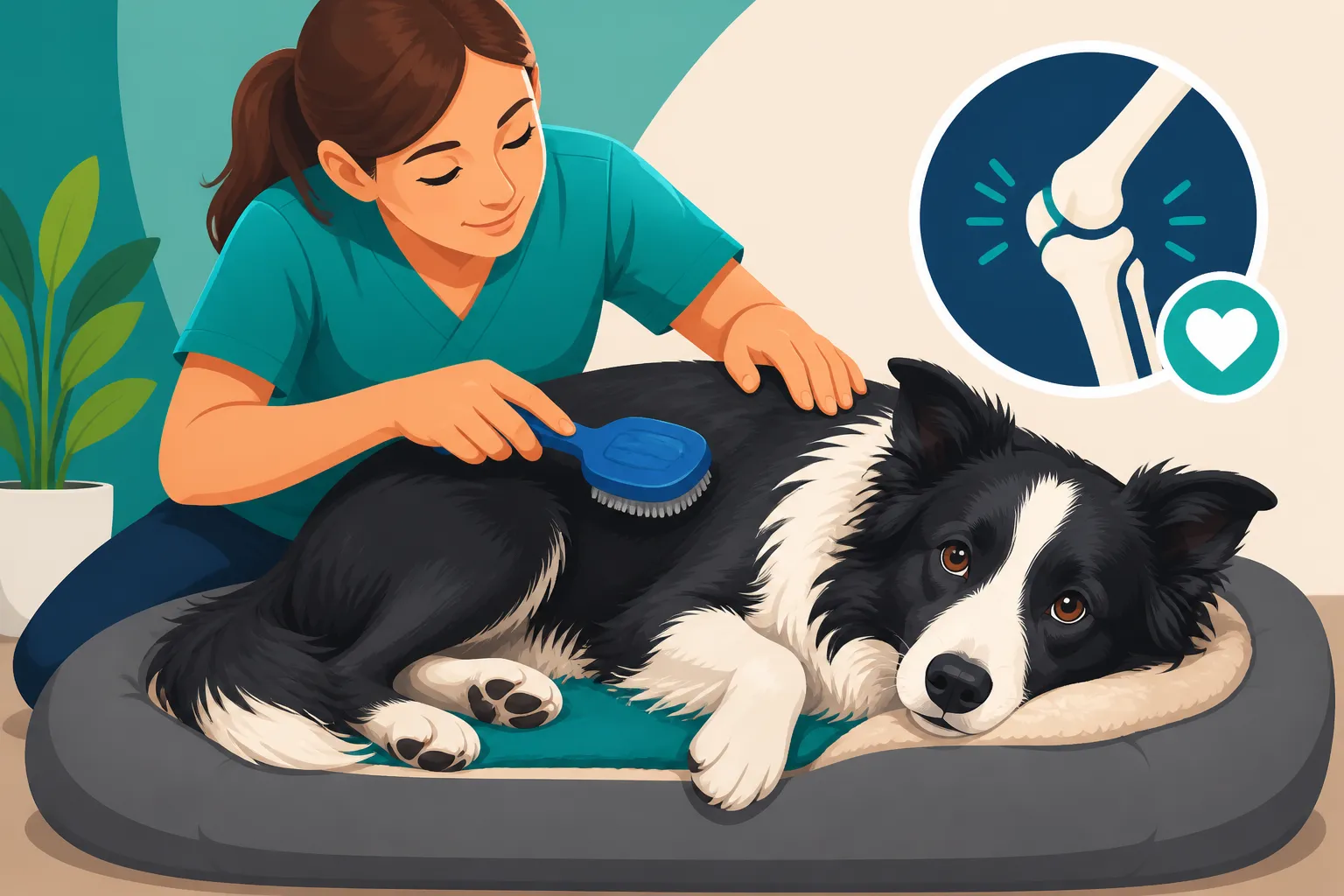
Grooming an Arthritic Border Collie Lying Down
If you've got an older Border Collie, especially one who's slowing down and perhaps dealing with a bit of arthritis, you know the struggle of keeping them well-groomed. That once-eager dog who'd tolerate being brushed standing up might now be stiff, sore, and frankly, a bit grumpy about the whole ordeal. This guide is all about helping you navigate the delicate art of grooming your arthritic Border Collie while they're lying down, making it a comfortable, positive experience for both of you.
Understanding Arthritis and Its Impact on Grooming
Arthritis, or osteoarthritis, is an incredibly common condition in older dogs, and our active Border Collies, with their history of intense physical work and sport, are certainly not immune. It's essentially the wear and tear on their joints over time, leading to pain, stiffness, and reduced mobility. What used to be a simple grooming session can become a minefield of potential discomfort, and it's vital we approach it with understanding and a whole lot of empathy. Imagine trying to stand still for an extended period, or twist into awkward positions, when your own joints are screaming at you – that's often what our beloved Border Collies are experiencing.
Recognizing the Signs of Discomfort During Grooming
Our dogs are masters at hiding pain, a trait honed over millennia in the wild, where showing weakness could mean danger. So, when it comes to grooming an arthritic Border Collie, you need to become a detective of subtle cues. It's rarely a dramatic yelp, at least not initially. Instead, you might notice your dog stiffening up when you reach for a certain spot, or flinching almost imperceptibly as the brush touches their hip or shoulder. They might start shifting their weight constantly, trying to find a comfortable position that just isn't there, or they might try to pull away from you more often than they used to.
Sometimes, it's a soft groan or sigh when they're manipulated, or a sudden reluctance to lie on one side. They might refuse to extend a leg that was previously fine, or give you a quick, worried glance. Pay close attention to these small signals. If your Border Collie has always loved being brushed, but now seems less enthusiastic or even a little fearful, pain is often the underlying reason. Ignoring these signs can lead to a complete aversion to grooming, making future sessions even harder and more stressful for everyone involved. For a broader understanding of discomfort, you might find Signs an Old Border Collie Is in Pain helpful.
The Importance of a Gentle Approach and Patience
When your Border Collie is dealing with arthritis, rushing through a grooming session isn't just unproductive; it can be actively detrimental. A quick, rough brush can easily cause a sharp jab of pain, reinforcing their fear and making them dread the next time you bring out the grooming tools. This isn't just about physical discomfort; it's about breaking their trust and creating a negative association with something that should be a bonding experience.
A gentle approach, on the other hand, prioritizes their comfort above all else. This might mean longer, more frequent, but shorter sessions. It means taking breaks, offering reassurance, and recognizing when they've had enough. Patience allows you to move slowly, letting them adjust to each stroke and position. It helps you anticipate where they might be sore and adapt your technique accordingly. While it might feel like it takes more time in the short run, it ultimately leads to more relaxed, cooperative grooming sessions in the long term, preventing painful mats and promoting a healthy coat. This positive interaction also strengthens your bond, which is so crucial for dogs in their senior years, as discussed in Caring for a Border Collie Past Its Working Years.
Setting Up a Comfortable Grooming Space for Lying Down
Creating the right environment is half the battle when grooming an arthritic Border Collie. You wouldn't expect someone with joint pain to exercise on a hard, uneven surface, and the same consideration applies to their grooming space. It needs to be a haven of comfort, security, and calm, free from distractions and sudden movements. This thoughtful preparation not only makes the physical act of grooming easier but also helps your dog relax mentally, knowing they're in a safe and supportive place.
Choosing the Right Location and Surface
First things first, pick a spot in your home that’s generally quiet and free from sudden noises or foot traffic. A corner of the living room, a sunbeam in the kitchen, or even your bedroom can work well. You want to avoid high-traffic areas where family members might walk by and startle your dog, or where other pets might interrupt. Make sure the area is warm enough, especially for older dogs whose circulation might not be as robust, but not so hot that they become uncomfortable.
The surface beneath them is absolutely crucial. A hard floor is a definite no-go. Think soft, non-slip, and supportive. A thick dog bed with memory foam is ideal, providing cushioning and pressure relief for aching joints. If you don't have one, stack several soft blankets or duvets on the floor to create a comfortable, yielding surface. Some owners find grooming on their own bed or a large sofa helpful, as it brings their dog closer to their level, reducing bending for the owner. Just ensure it's a stable, wide surface where your dog feels secure and won't risk falling off. You might want to consider laying a non-slip mat or towel on top of the bedding for extra grip and to catch loose hair.
Essential Tools for Gentle Grooming
Having the right tools can make a world of difference. For an arthritic Border Collie, you need tools that are effective yet exceptionally gentle.
- Soft Brushes: A good quality pin brush with rounded pins or a slicker brush with protected tips (often rubber-coated) is a must. These help to remove loose hair and tangles without scratching delicate skin or pulling too hard. Avoid brushes with sharp, exposed wire pins.
- Wide-Tooth Comb: This is your best friend for gently working through any snags or mats. A metal comb with widely spaced, smooth teeth is far less likely to snag and pull than a fine-toothed comb. Use it for the feathery bits on legs and tail.
- Deshedding Tools: If your Border Collie is prone to heavy shedding, a deshedding tool like a Furminator can be very effective, but use it gently and sparingly. Don't press hard, and only use it for short periods to avoid irritating the skin. A rubber curry brush can also be fantastic for stimulating circulation and removing loose hair on smoother areas without pulling.
- Nail Clippers/Grinder: For nails, a grinder is often preferred over clippers for arthritic dogs. It creates less jarring pressure on their toes and joints. If you use clippers, ensure they are sharp to make quick, clean cuts.
- Treats!: High-value treats are not just for training; they are essential for positive reinforcement during grooming. Think small, delicious morsels that your dog absolutely loves.
- Detangling Sprays & Conditioners: These can be invaluable for rough coats. A good quality detangling spray can make brushing through knots much easier and more comfortable. You can find excellent options on platforms like Chewy or Amazon. Look for sprays that moisturize the coat and reduce static, helping the brush glide through. Some pet-safe conditioning sprays can also help loosen up minor mats.
| Tool Type | Recommended For Arthritic Border Collies | Why It Helps | Avoid If |
|---|---|---|---|
| Slicker Brush | Soft-tipped, flexible pins | Gentle on skin, effective for undercoat without excessive pulling | Stiff, sharp-tipped pins that can scratch or poke |
| Pin Brush | Rounded, smooth pins | Glides through coat, good for general brushing and sensitive areas | Bent or sharp pins that can snag hair or scratch skin |
| Comb | Wide-tooth, metal, smooth edges | Detangles large knots, less likely to pull small hairs | Fine-tooth combs that can snag and pull hair painfully |
| Deshedding Tool | Rubber curry brush or very gently used specialized tools (e.g., Furminator) | Removes loose hair without sharp pulling, stimulates skin | Aggressive use of sharp-edged deshedding tools that can cause skin irritation |
| Nail Trimmer | Nail grinder or sharp guillotine/scissor clippers | Grinder reduces joint jarring; sharp clippers make quick, clean cuts | Dull clippers that crush rather than cut the nail, causing pain |
| Sprays | Detangling, conditioning, soothing oatmeal sprays | Eases brushing, moisturizes skin, reduces static, calms irritation | Harsh chemical sprays that could irritate sensitive skin |
Step-by-Step Guide to Grooming an Arthritic Border Collie While Lying Down
Now that your space is set up and your tools are ready, let's get down to the actual grooming. Remember, the goal here is comfort and minimal stress. This isn't about achieving a perfect show-ring finish; it's about maintaining hygiene, preventing painful mats, and ensuring your dog feels loved and cared for.
Starting with Comfort and Positive Reinforcement
Approach your Border Collie calmly. Speak to them in a soft, reassuring voice. Don't immediately grab the brush; instead, start with gentle petting in their favorite spots – maybe a good ear rub or a scratch behind the shoulders. This helps them relax and associate your hands with pleasure, not discomfort.
Once they're relaxed, gently introduce the grooming tools. Let them sniff the brush. Offer a high-value treat before you even start brushing. This creates a positive association right from the start. Throughout the session, continue to offer treats and praise frequently, especially after you've worked on a potentially sensitive area.
Keep sessions short, especially at first. Five to ten minutes might be all they can tolerate. It’s far better to do several short, positive sessions than one long, painful one. If you notice any signs of discomfort, stop, reassure them, and perhaps switch to an easier area or end the session for the day. Remember, you can always come back to it later.
Tackling Specific Areas Gently
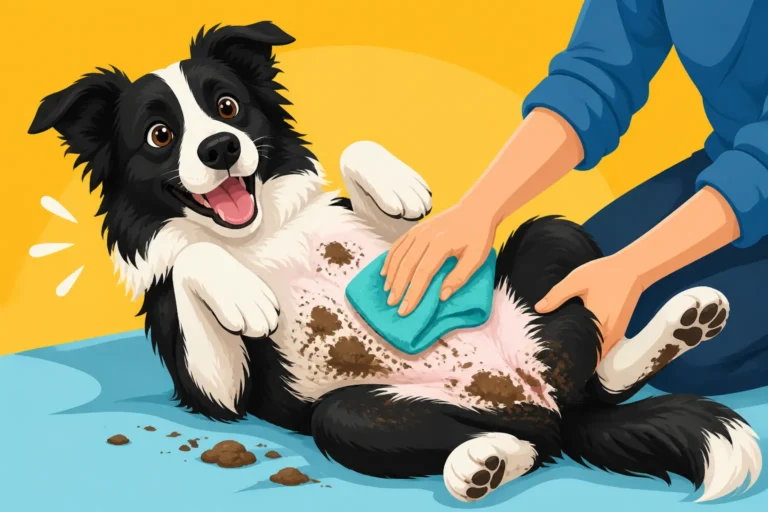
When your Border Collie is lying down, you'll need to work strategically, often tackling one side at a time, then gently encouraging them to roll over (or carefully shifting them if they can't manage it themselves) to get to the other side.
- The Body: Start with areas you know are less sensitive, like their back or sides. Use short, light strokes with your soft brush, moving in the direction of hair growth. Always keep one hand on their body, gently supporting them. If you're brushing near a joint, try to support the joint with your hand to minimize movement or pressure. This helps to prevent any sudden jolts that might cause pain.
- Legs and Feathering: The long hair on their legs, often called "feathering," can be prone to tangles. These areas can be particularly sensitive due to potential hip or elbow arthritis. When brushing the front legs, gently lift the leg only as high as necessary, supporting the joint with your hand. For the hind legs, work with them stretched out or bent, whichever is most comfortable for your dog. Use your wide-tooth comb for these areas, working slowly through the hair. Feathering on a Border Collie's Front Legs and The Trousers on a Rough Border Collie's Hind End cover these areas in more detail.
- Ears and Face: These areas require extreme gentleness. Use a smaller brush or comb, or even just your fingers, to clear any tangles or debris. Be especially careful around their eyes and ears. Check for Mats Behind a Rough Border Collie's Ears, as these can be painful and pull on the skin.
- The Tail: A Border Collie's tail often has a lovely plume of hair, but it can also be a magnet for burrs and tangles. The base of the tail can be sensitive if they have hip or lower back pain. Support the tail gently, keeping it low, and work with your wide-tooth comb, detangling from the tip upwards. Don't yank or pull. For serious tangles, refer to Burrs Caught in a Border Collie's Tail.
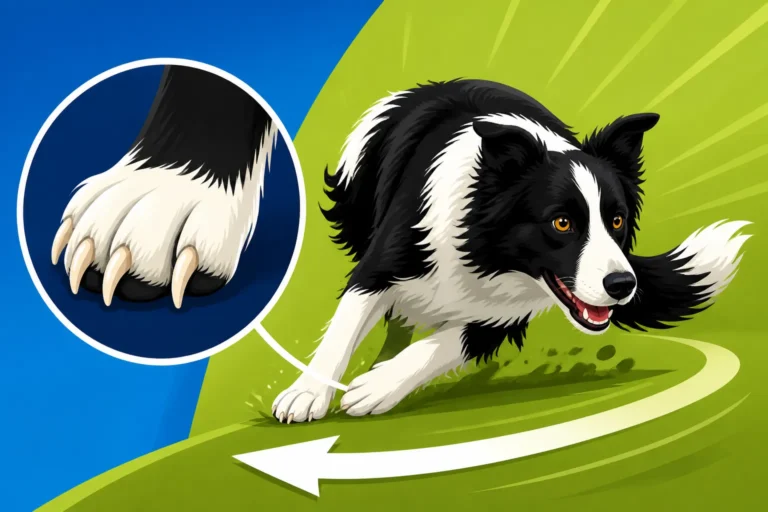
- Feet and Pads: These are critical areas for comfort and mobility. Arthritic dogs might struggle with toe pain, so approach with extreme care. Gently spread their toes to check for any mats between the pads, or for foreign objects like Grass Seeds in a Border Collie's Feet. For nail trims, consider using a nail grinder, as it causes less percussion on the joint compared to clippers. If clipping, make sure your clippers are sharp and take off only small amounts at a time. How Often a Border Collie's Nails Need Cutting provides valuable insights here.
Managing Mats and Tangles Without Causing Pain
Mats are the enemy of comfort, especially for an arthritic dog. They pull on the skin, restrict movement, and can hide skin infections. Prevention is always better than cure. Regular, gentle brushing helps keep them at bay.
If you encounter a mat:
- Don't Pull: Never try to brush through a large, tight mat with a slicker brush or pull it with a comb. This will cause pain.
- Use Detangling Spray: Liberally apply a pet-safe detangling spray (brands like Burt's Bees, Earthbath, or even specific detangling formulas available on Chewy or Amazon can be very helpful) directly to the mat. Let it sit for a few minutes to soften the hair.
- Work in Sections: Using your wide-tooth comb, start at the very edge of the mat, working only a few strands at a time. Use a "line brushing" technique, where you hold the hair closest to the skin and gently comb out the ends, slowly working your way down to the skin.
- Support the Skin: Always place your fingers between the mat and your dog's skin to prevent tugging. This is incredibly important for comfort.
- Small Scissors (with caution!): For very stubborn, small mats, you might be able to carefully snip into the mat with blunt-nosed scissors, always pointing away from the skin. However, this is risky and best left to a professional if you're unsure.
- Know When to Call a Pro: If the mats are severe, large, or too close to the skin, do not attempt to remove them yourself. It's much safer and kinder to take your Border Collie to a professional groomer or your vet. They have specialized tools and techniques, and in extreme cases, a vet can even sedate your dog for a pain-free shave down.
Long-Term Care and Preventing Grooming Aversion
Grooming isn't a one-and-done event, especially with an arthritic dog. It’s an ongoing process that requires dedication, understanding, and a proactive approach to their overall health. The goal is to maintain their comfort and health throughout their senior years, ensuring that grooming remains a positive ritual.
Regularity and Short Sessions are Key
The golden rule for grooming an arthritic Border Collie is consistency. Daily, short sessions – even just five minutes – are far more beneficial than infrequent, hour-long struggles. Think of it as preventative maintenance for their coat and a gentle daily check-in for their body. These brief interactions help prevent mats from forming, allow you to identify any new lumps, bumps, or tender spots, and keep their skin healthy.
By making grooming a regular, low-stress part of their routine, you reinforce the positive association. Your dog learns that it won't be a prolonged, painful ordeal. They'll come to expect the gentle touch, the treats, and the quiet attention. This routine becomes a comfort, not a chore, for both of you. You'll find that small, regular efforts mean less time wrestling with knots, and more time enjoying the bond with your dog, as highlighted in guides like Grooming a Rough-Coated Border Collie.
Incorporating Veterinary Advice and Pain Management
Grooming, especially for an arthritic dog, should always be part of a broader health management plan developed with your veterinarian. If grooming is consistently painful or difficult, it's a strong indicator that their underlying arthritis might not be adequately controlled.
Discuss pain management strategies with your vet. This could involve anti-inflammatory medications, joint supplements, or other therapies. Many owners find success with supplements containing glucosamine, chondroitin, and MSM (available from pet supply retailers like Chewy or Amazon, and often integrated into high-quality dog foods like those from Ollie). Joint Supplements for a Border Collie Doing Agility offers more depth on this topic. Your vet might also suggest specialized diets designed for joint health.
Beyond medication, consider physical therapies. Hydrotherapy (swimming in a controlled environment) and physiotherapy can significantly improve mobility and reduce pain, making daily activities, including grooming, much more comfortable. These can strengthen muscles around the joints, providing better support. You might want to explore the Physiotherapy Costs for a Sport Border Collie if this sounds like a good fit for your dog. Regular veterinary check-ups, often referred to as The Annual Exam a Border Collie Needs, are also essential to monitor their arthritis progression and adjust their care plan as needed.
Knowing When to Seek Professional Help
There are times when even with the best intentions and the gentlest approach, professional help is the best course of action.
- Severe Matting: If your Border Collie has developed extensive, tight mats, especially close to the skin, it's almost impossible to remove them at home without causing significant pain. A professional groomer has specialized tools, techniques, and often a better angle to work from. They can also use clippers to safely shave off mats, which is often the kindest solution.
- Extreme Pain or Aversion: If your dog is consistently showing severe pain during grooming, or has developed a strong aversion to being touched or brushed, it’s time to involve both your vet and a professional groomer. Your vet can assess their pain levels and adjust medication. A professional groomer, particularly one experienced with senior or special needs dogs, might have different techniques or a more neutral environment that helps.
- Veterinary Grooming: For dogs who are exceptionally painful, fearful, or have very sensitive skin, some veterinary clinics offer grooming services, often performed by veterinary technicians. In some cases, light sedation might be an option under veterinary supervision to make the grooming process entirely stress-free and pain-free for your dog. This ensures their welfare is paramount while still addressing their grooming needs.
Remember, seeking professional help isn't a failure; it's a responsible and loving decision to prioritize your arthritic Border Collie's comfort and well-being.
Disclaimer
This article is for general informational purposes only and does not constitute professional advice. Laws, prices and regulations vary by location and change over time. Consult a qualified professional for guidance on your specific situation.