Comparing a Border Collie Against Its Trial Season Photos
It’s a common scenario for many Border Collie owners: you look at those incredible photos from trial season, your dog honed and perfectly conditioned, a picture of lean athleticism. Then you look at your beloved companion curled up on the rug in the off-season, perhaps a little rounder, a touch less defined, and a nagging worry sets in. Maintaining that peak working condition when the intensity of competition isn't driving their daily exercise can be a real challenge, leading to subtle weight creep and impacting their long-term health. This guide will walk you through how to use those treasured trial season photos as your ultimate benchmark for assessing and managing your Border Collie's body condition year-round, ensuring they stay healthy, happy, and ready for whatever work or sport comes next.
The Visual Cues of a Fit Working Border Collie
When you’re around Border Collies every day, it’s easy to get used to their look and perhaps miss the subtle signs that their body condition is changing. But there's a distinct difference between a healthy, active Border Collie and one in peak "trial fit" condition, and understanding these visual cues is your first step.
What "Trial Fit" Really Looks Like
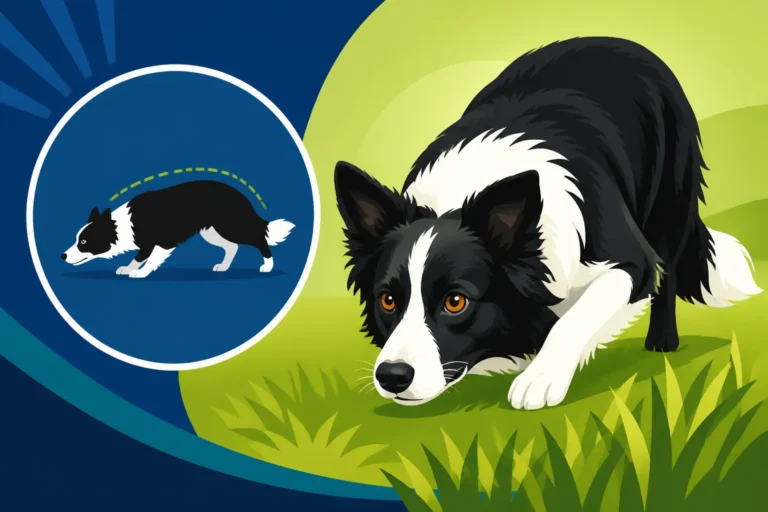
A Border Collie in prime trial condition isn't just "thin"; they are a finely tuned athlete. Think of it less as a weight on a scale and more as a sculpted physique, built for endurance, speed, and agility. When you look at those trial photos, you'll see a definite waistline, clearly visible when viewed from above, that tapers inwards from the rib cage to the hips. From the side, their abdomen should be neatly tucked up, not hanging low or appearing distended.
You should be able to easily feel their ribs when you run your hands along their sides without pressing hard, but the ribs shouldn't be visibly protruding or sharp to the touch. It's about being well-padded, yet lean. Muscle definition in their hindquarters and shoulders should be apparent, not hidden under a layer of fat. Their coat should look healthy and shiny, reflecting good nutrition and overall wellness. This isn't just about aesthetics; this lean, athletic build is crucial for their performance, allowing them to make quick turns, cover ground effortlessly, and sustain energy throughout a demanding trial day. This is the ideal The Body Condition a Sport Border Collie Carries you're aiming for.
Understanding the Border Collie's Natural Build
Border Collies are, by nature, a lean and agile breed. They were developed for arduous, all-day work in rugged terrain, which means their natural build is athletic and efficient, not bulky. Unlike some other breeds that carry more weight or have a stockier frame, a Border Collie should always look "light on its feet." Even when they aren't actively working stock or competing, their genetics predispose them to a certain level of leanness.
A few extra pounds on a Border Collie might not seem like much on a larger dog, but for this breed, it can significantly impact their joints, cardiovascular health, and overall stamina. Imagine carrying a weighted vest all day, every day – that’s what even a small amount of excess weight feels like to them. This breed relies on its swift movements and incredible agility, and that extra burden can slow them down, increase the risk of injuries, and diminish their enjoyment of life. It's often harder to spot these changes in a rough-coated Border Collie, where their abundant hair can create an optical illusion, making them appear fuller than they actually are. This is why understanding The Tuck a Fit Border Collie Should Show is so important.
Why the Trial Season Photo is Your Gold Standard
It's easy to get complacent about our dogs' physical condition. They're part of our daily lives, and gradual changes can sneak up on us. This is where those trial photos become an invaluable tool, serving as an objective, undeniable benchmark.
The Demands of Competition and Their Impact
Consider what goes into preparing a Border Collie for trial season, whether it's herding, agility, or any other high-energy dog sport. The training regimens are intense, involving explosive bursts of speed, intricate maneuvers, sustained focus, and incredible endurance. Dogs in this environment are working at their peak physical and mental capacity. This demanding schedule naturally leads to a very specific, optimized body condition. Their muscles are taut, their energy expenditure is high, and their diet is often meticulously managed to fuel performance without adding unnecessary weight.
These aren't just moments of physical exertion; they are tests of stamina, precision, and sheer will. A Border Collie that is "trial fit" has a body that is a testament to this rigorous training and competition. The photos taken during this period capture them at their physical prime, showcasing their ideal lean muscle mass and low body fat percentage. It’s a snapshot of perfection, a physical blueprint that should be your goal for their non-competition periods too, adjusted, of course, for overall activity level.
The Pitfalls of "Eyeballing" Your Dog's Condition
One of the biggest challenges in managing a dog's weight is our own inherent bias and the phenomenon of "fat blind spot." Because we see our dogs every single day, we become accustomed to their appearance. A gradual gain of a pound or two over several months can go completely unnoticed by us, even though it represents a significant percentage of their ideal body weight. We might subconsciously adjust our perception of what "normal" looks like, thinking our dog is still perfectly lean when, in reality, they've started to carry too much weight.
This is especially true for Border Collies with luxurious rough coats, where that thick fur can be incredibly deceptive. It can easily mask a thickening waistline or a loss of muscle definition. You might be looking at your dog and thinking they look just fine, but a side-by-side comparison with a photo of them at their leanest during trial season can be a real eye-opener. That objective visual evidence cuts through our subjective daily observations and gives us a clear target to aim for. This visual comparison can often reveal Whether a Rough Coat Hides a Fat Border Collie, urging us to look beyond the fur.
Practical Steps for Comparing and Adjusting
Now that you understand why the trial season photos are so important, let's talk about how to actually use them and what steps you can take to keep your Border Collie in optimal shape.
Taking Consistent Reference Photos
To make effective comparisons, consistency is key. You can't compare a fuzzy phone snapshot taken while your dog is lying down to a professional action shot from a trial. Make it a routine to take new reference photos of your Border Collie every month or quarter. Choose a well-lit area, perhaps against a plain background, and try to get photos from the same angles each time: directly from above, directly from the side, and perhaps a three-quarter view. Ask your dog to stand naturally, not hunched or stretched.
Once you have these new photos, compare them directly to your chosen trial season benchmark. Lay them side-by-side on your computer screen or print them out. Look for the waistline, the abdominal tuck, the definition of their leg muscles, and the visibility (or lack thereof) of their ribs. Are these features as pronounced as they were in their prime? This regular, objective visual check-in will help you catch any changes early.
Here's a quick checklist for your photo sessions:
| Aspect | Trial Season Photo (Ideal) | Current Photo (Check Against Ideal) | Action Needed? |
|---|---|---|---|
| Waistline | Clearly defined, tapers inward | Defined? Less tapered? | Adjust diet/exercise |
| Abdominal Tuck | Noticeable tuck from chest to pelvis | Still tucked? Flatter? Sagging? | Adjust diet/exercise |
| Ribs | Easily palpable, not visible/protruding | Easily palpable? Harder to feel? Too visible? | Adjust diet/exercise |
| Muscle Definition | Visible in hindquarters/shoulders | Still visible? Softer? | More targeted exercise |
| Overall Energy | Bright, alert, ready | Same? More sluggish? Less enthusiastic? | Consider all factors |
Tools and Techniques for Objective Assessment
Beyond photos, incorporating a hands-on approach and a standardized body condition scoring (BCS) system can provide an even more accurate assessment. While photos are great for visual comparison, the "feel test" is indispensable, especially for dogs with longer coats.
Run your hands along your Border Collie's sides, feeling for their ribs. You should be able to feel them distinctively, like running your fingers over knuckles, with just a thin layer of fat and muscle covering them. If you have to press firmly to feel them, or if you can't feel them at all, your dog is likely carrying too much weight. Next, feel along their spine and hip bones. These should also be palpable but not sharp or jutting out. There should be a smooth contour, not a boney protrusion. This is often the best way of Feeling Ribs Through a Rough Border Collie's Coat. Many vets use a 5-point or 9-point BCS chart; familiarizing yourself with these can give you a more objective way to score your dog's condition, moving beyond just "looks good."
Adjusting Diet and Exercise Without Compromising Health
If your comparison reveals your Border Collie is carrying a little extra weight, don't panic. Small, consistent adjustments are far more effective and healthier than drastic changes. When looking to bring your Border Collie down to Bringing a Border Collie Down to Trial Weight, start by carefully re-evaluating their food portions. Many commercial dog foods provide feeding guidelines, but these are often based on average activity levels, which might not match your dog's current routine, especially in the off-season.
Consider a small reduction in their daily food intake, perhaps 5-10%, and monitor their weight over a few weeks. If your Border Collie is on a specialty performance food designed for high-energy working dogs, remember that these are very calorie-dense. Switching to a less calorie-rich formula or reducing the quantity during lower activity periods is often necessary. Brands like Ollie can be great for pre-portioned, real food options which make calorie control easier, but always check their specific guidelines for active dogs. Don't forget treats! Those extra calories add up quickly. Opt for low-calorie training treats, or use small pieces of plain cooked vegetables. For finding these specific diet options or even puzzle toys that make mealtime a mental exercise, consider browsing platforms like Chewy or Amazon.
Alongside diet, re-evaluate their exercise. While the intensity of trial training might be paused, their need for mental and physical stimulation remains high. Increase the duration or intensity of walks, add in some off-leash running in safe areas, or incorporate mentally challenging activities like advanced obedience, scent work, or trick training. The goal is to gradually Taking Weight Off a Border Collie Without Cutting Work unnecessarily, maintaining muscle mass while reducing fat. Remember to be consistent with these adjustments and give them time to work. It’s a marathon, not a sprint, to keep them in peak form. Adjusting a Border Collie's Food in the Off Season is crucial here.
Common Pitfalls and When to Seek Professional Advice
Even with the best intentions, it's easy to make mistakes when managing your Border Collie's condition. Knowing what to watch out for and when to call in the experts can prevent health issues down the line.
Misinterpreting Coat Changes for Weight Changes
One of the most common mistakes Border Collie owners make is misinterpreting the natural changes in their dog's coat for changes in body weight. Border Collies, particularly those with rough coats, can undergo significant seasonal changes in their fur. In winter, they often grow a thicker, denser undercoat, which can make them appear much fuller and less streamlined than they actually are. The luxurious feathering on their legs, belly, and tail can also create an illusion of bulk.
Conversely, after blowing their coat in spring or summer, they might look surprisingly lean, even if their actual body fat percentage hasn't changed drastically. This is why relying solely on visual inspection can be misleading. Always, always combine your photo comparisons with the "feel test" to get an accurate assessment. Get your hands on your dog, feel their ribs, spine, and hip bones. This tactile check will give you the true picture, regardless of how fluffy or sleek their coat might be at any given moment. Remember, a rough coat can definitely Whether a Rough Coat Hides a Fat Border Collie.
The Importance of Regular Vet Checks
While your trial photos and diligent at-home assessments are powerful tools, they don't replace professional veterinary care. Regular check-ups are essential for several reasons. Firstly, your veterinarian can provide an objective body condition score and confirm your findings. They can also offer tailored nutritional advice, helping you understand the appropriate calorie load your Border Collie burns given their activity level, and recommend specific foods or supplements if needed. For a working Border Collie, understanding The Calorie Load a Working Border Collie Burns is key.
Secondly, persistent weight issues – whether it's an inability to gain weight, or stubborn weight that won't come off despite your best efforts – can sometimes be a symptom of an underlying medical condition. Hormonal imbalances, metabolic disorders, or other health problems can all affect a dog's weight. During their The Annual Exam a Border Collie Needs, your vet can perform necessary blood tests or other diagnostics to rule out any medical causes. As our Border Collies age, their metabolism can slow, and their activity levels naturally decrease. Your vet can guide you on how to best adjust their care as you begin Caring for a Border Collie Past Its Working Years, ensuring their diet supports their changing needs without leading to excessive weight gain. Always involve your vet in any significant dietary or exercise changes, especially if your dog has existing health concerns.
Disclaimer
This article is for general informational purposes only and does not constitute professional advice. Laws, prices and regulations vary by location and change over time. Consult a qualified professional for guidance on your specific situation.