Whether a Border Collie’s Coat Thins With Age
It’s a natural worry for any Border Collie owner to see changes in their beloved companion as the years march on. One common observation that often sparks concern, and certainly a lot of questions, is whether a Border Collie’s coat thins with age. The simple answer is, yes, it often does, but understanding why it happens and what's normal versus what might signal a health issue is key to providing the best care for your senior dog. This guide will walk you through the nuances of an aging Border Collie's coat, covering everything from natural changes to potential health red flags and how to keep them comfortable.
The Natural Progression of Coat Changes in Senior Border Collies
Just like us, our Border Collies experience physical changes as they get older, and their magnificent coats are no exception. It’s part of the beautiful journey of watching them mature into wise, grey-muzzled companions.
Understanding the Lifespan of a Hair Follicle
Think about your own hair. It grows, it rests, and then it sheds to make way for new growth. Dog hair works much the same way, cycling through various phases: anagen (growth), catagen (transition), and telogen (resting/shedding). As a Border Collie ages, particularly once they hit those senior years—which can be anywhere from seven to ten, depending on the individual and their health—this cycle starts to slow down.
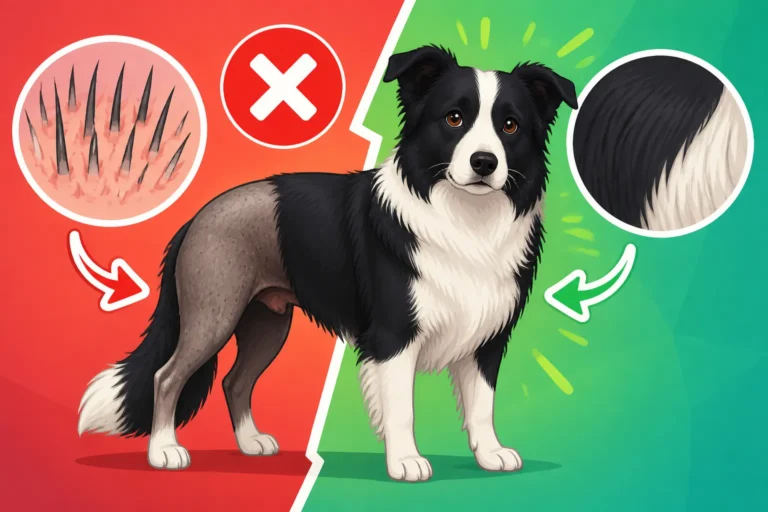
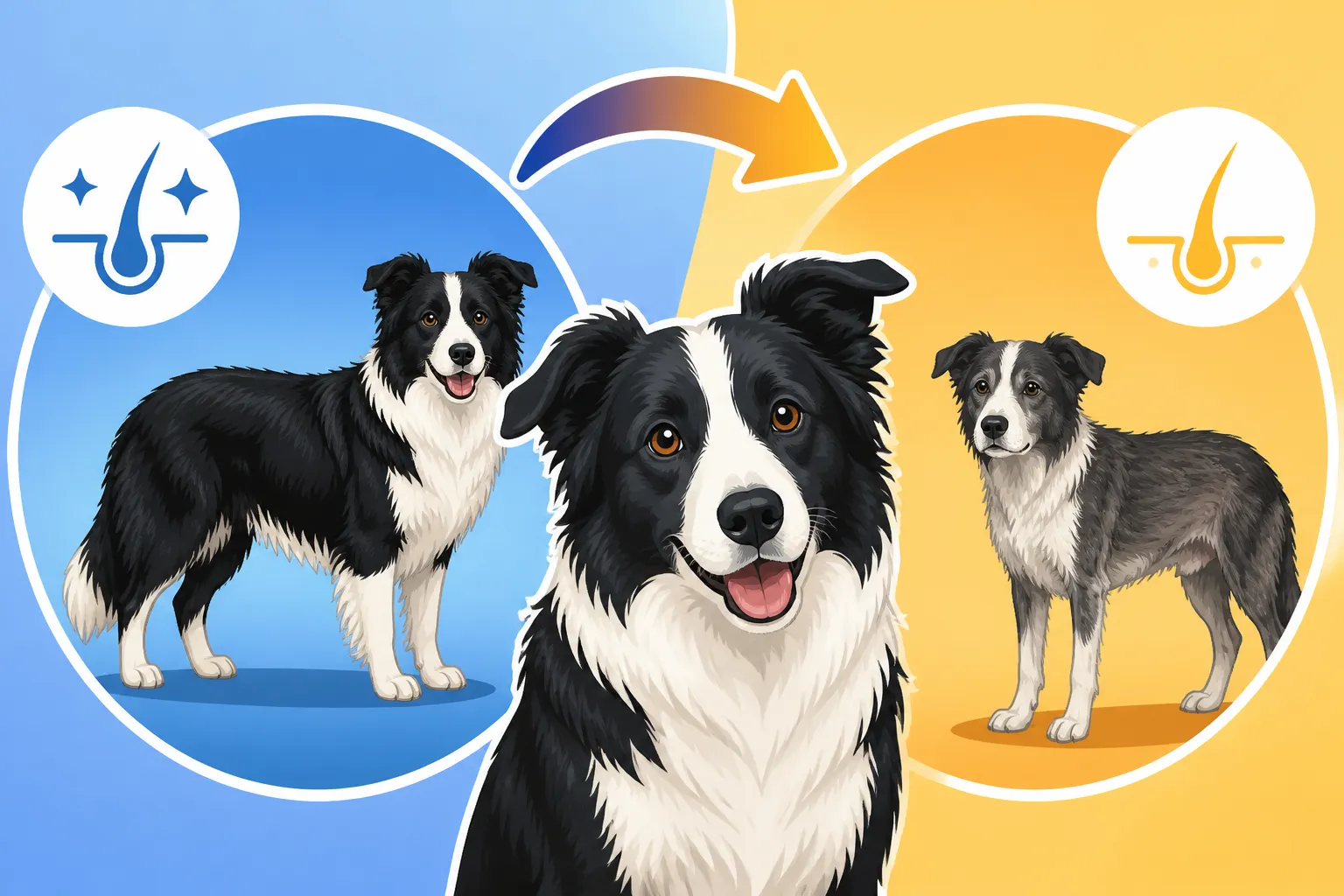
What this often means is that the anagen (growth) phase shortens, and the telogen (resting) phase lengthens. Less time growing, more time resting, and sometimes, the new hair that does come in isn't as robust as it once was. You might notice the coat becoming generally less dense, particularly on their flanks, belly, or the inner parts of their legs. It's not usually dramatic baldness in patches, but more of an overall thinning where you can see their skin a bit more easily when you part the fur. This isn't necessarily a cause for alarm; it's just a natural part of the aging process, much like how some of us find our own hair isn't quite as thick as it was in our younger days. It's a testament to the years of hard work and play your Border Collie has enjoyed.
Texture and Pigmentation Shifts
Beyond thinning, you're likely to observe other changes in their coat's appearance and feel. The texture can undergo a transformation. A Border Collie's glorious double coat, which in their prime is often a plush, resilient barrier, might start to feel softer, perhaps a bit finer, or conversely, a little coarser and more brittle in places. The protective qualities might diminish slightly, making them a little more sensitive to extreme temperatures.
Then there's the beautiful, inevitable fading of pigment. This is most noticeable in Border Collies with dark coats. Their vibrant black might soften to a faded charcoal, and their rich brown might become a muted, almost dusty hue. And, of course, the grey hairs. They start around the muzzle, spreading gracefully around the eyes and sometimes through the body. While it's lovely to see their "wisdom whiskers," sometimes this greying can also coincide with a general lightening of the coat pigment throughout their body. This change in color is entirely normal and a heartwarming sign of a well-loved, long-lived dog. Just remember to admire those distinguished silver streaks! For more on the health of an aging Border Collie, consider reading The Border Collie That Stays Sound Into Its Teens.
Common Health Issues That Affect an Older Border Collie's Coat
While some coat thinning is normal with age, there are several health conditions prevalent in older Border Collies that can exacerbate these changes or cause more concerning hair loss. Keeping an eye out for these is part of being a diligent owner.
Hormonal Imbalances and Their Impact
One of the most frequent culprits behind significant coat changes in older dogs is a hormonal imbalance, with hypothyroidism topping the list for Border Collies. Hypothyroidism occurs when the thyroid gland doesn't produce enough thyroid hormone. This hormone is crucial for many bodily functions, including metabolism and, you guessed it, healthy hair growth.
When a Border Collie develops hypothyroidism, you might notice a very characteristic pattern of hair loss. It often begins on the trunk, especially on the flanks, chest, and tail, without much itching or skin irritation initially. The hair might become brittle, dull, and sparse, and the skin can become dry, flaky, and thickened. Your dog might also seem lethargic, gain weight even on a normal diet, and seem colder than usual. If you suspect thyroid issues, a vet visit is essential for diagnosis through blood tests. Thankfully, once diagnosed, hypothyroidism is usually very manageable with daily medication. This condition is why topics like Why a Border Collie's Drive Drops With Its Thyroid and Coat Loss in a Border Collie With Thyroid Trouble are so vital for owners to understand.
Another less common but possible hormonal issue is Cushing's disease (hyperadrenocorticism), where the body produces too much cortisol. This can lead to a thin, fragile coat, often with symmetrical hair loss, pot-bellied appearance, increased thirst, and frequent urination. Again, diagnosis by a vet is key.
Nutritional Deficiencies and Absorption Problems
As Border Collies age, their digestive systems might not be as efficient at absorbing nutrients from their food. Even if you're feeding them a high-quality diet, they might not be getting all the building blocks they need for a healthy coat and skin. Protein, essential fatty acids (like Omega-3 and Omega-6), and certain vitamins (like B vitamins and zinc) are particularly important for skin and coat health.
If your senior Border Collie's diet isn't providing these in sufficient amounts, or if their body isn't absorbing them properly, you might see a dull, dry, and thinning coat. Sometimes, specific supplements can help, but it's crucial to consult your veterinarian before adding anything to their diet. They can assess your dog's overall health and recommend appropriate dietary adjustments or supplements. For instance, a diet optimized for a high-performance younger dog might be too rich or not easily digestible for a slower, older one. Brands like Ollie offer fresh food options that can be easier on sensitive digestive systems, potentially aiding in better nutrient absorption. Likewise, reputable brands available on Chewy or Amazon can provide targeted supplements for joint and skin health.
| Nutrient Type | Importance for Coat Health | Signs of Deficiency (Coat) |
|---|---|---|
| Protein | Builds hair structure, promotes growth | Dull, brittle, thinning, slow growth |
| Omega-3/6 Fatty Acids | Reduces inflammation, maintains skin barrier, adds shine | Dry, flaky skin, dull coat, excessive shedding |
| Zinc | Essential for cell division, immune function, skin repair | Sparse coat, scaly skin, crusting |
| B Vitamins | Involved in metabolism and cell regeneration | Poor coat quality, hair loss |
| Vitamin E | Antioxidant, supports skin health | Dry skin, dull coat |
Parasites, Allergies, and Skin Conditions
Older Border Collies can sometimes become more susceptible to external parasites or develop new allergies or skin conditions, even if they've never had them before. A weakening immune system can play a role here. Fleas, mites, or even environmental allergens (like pollen or dust) can cause intense itching, leading your dog to scratch, chew, and lick excessively. This self-trauma is a common cause of patchy hair loss, skin redness, scabs, and secondary skin infections.
You might notice areas where the fur is rubbed away, or hot spots developing, especially if they're particularly sensitive. Even subtle changes in your home environment or diet could trigger a reaction. It's always worth a thorough check for fleas, even if you use preventative measures, as their effectiveness can sometimes wane, or infestations can still occur. Your vet can perform skin scrapings or allergy tests to pinpoint the issue. Don't dismiss persistent scratching as just an "old dog thing." It could be making them very uncomfortable. Addressing underlying skin sensitivities can make a world of difference for their comfort and coat. See our article on Allergies in a Border Collie or Sensitive Skin in a Border Collie for more detail.
Environmental Factors and Grooming Considerations for Senior Coats
As your Border Collie ages, their routine care, especially grooming and environmental comfort, needs to adapt to their changing needs. What worked in their energetic prime might not be ideal now.
The Importance of Regular, Gentle Grooming
A thinning coat, while potentially more fragile, still needs regular grooming. In fact, it might need it more than ever, just with a gentler touch. Older dogs often have less muscle mass, may develop arthritis, or simply find standing for long periods uncomfortable. Trying to brush them vigorously on a hard floor can be painful.
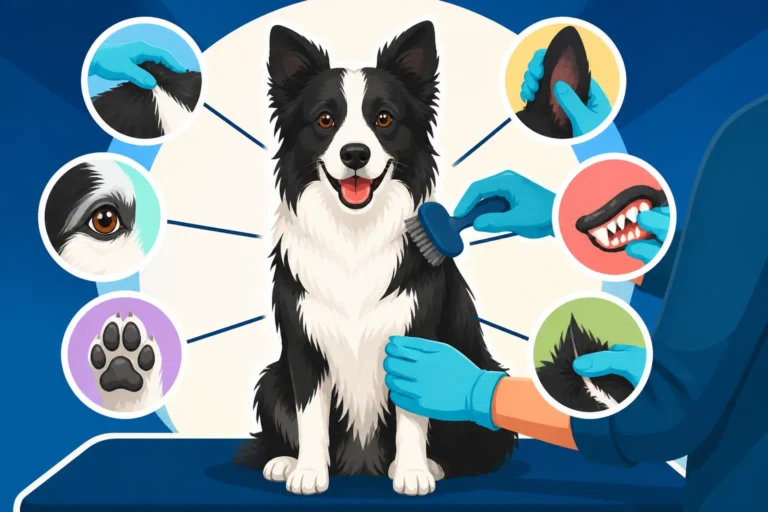
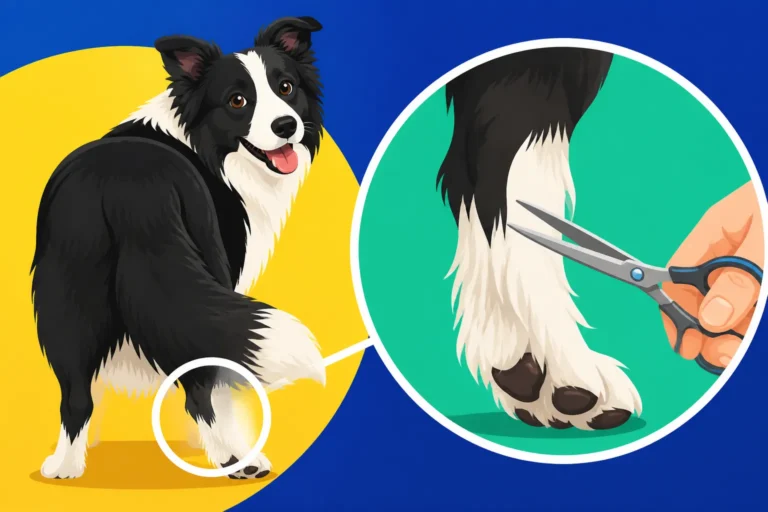
When grooming an older Border Collie, aim for comfort. Use softer brushes, like a rubber curry brush or a gentle slicker brush, to stimulate circulation without pulling at their skin or fragile hair. Regular, shorter grooming sessions can be much better than one long, intense session. This helps distribute natural oils, remove loose hair, and prevent mats, which can be particularly painful if they pull on thinning skin. Pay special attention to areas prone to matting, like behind the ears, armpits, and feathering on the legs, as these can still get tangled even with a thinner coat. If your Border Collie has joint pain, consider brushing them while they are lying down comfortably, perhaps on a soft mat or bed. For tips on accommodating an older dog during grooming, check out Grooming an Arthritic Border Collie Lying Down. You can find a wide array of gentle grooming tools on platforms like Amazon or Chewy.
Temperature Regulation and Comfort
A thinning coat means less natural insulation. This can make your senior Border Collie more susceptible to temperature extremes. In colder months, they might chill more easily. Provide warm, comfortable bedding, perhaps an elevated bed away from drafts, or even a cozy dog sweater if they tolerate it well, especially when outdoors. Ensure they have access to warm, sheltered spots both inside and outside.
Conversely, in warmer weather, a thinner coat can also mean they are less protected from the sun's harsh rays. While Border Collies are generally well-equipped for various climates, thinning fur can expose sensitive skin to sunburn, particularly if they enjoy lounging in sunny spots. Always ensure they have ample shade and fresh water. Their internal temperature regulation might not be as efficient as it once was. Monitoring their comfort and providing appropriate shelter and clothing (if needed) becomes even more critical in their senior years.
When to Consult Your Vet About Coat Changes
It’s easy to dismiss changes in an older dog as "just aging," but sometimes, these subtle shifts are actually early warnings that something more serious is going on. Knowing when to call your veterinarian is crucial.
Red Flag Symptoms to Watch For
While some gradual thinning and greying are normal, there are definite red flags that warrant a trip to the vet. Don't wait if you observe any of the following:
- Sudden or Patchy Hair Loss: If your Border Collie is losing clumps of hair, or you see distinct bald patches, especially if accompanied by red, irritated skin, it's not normal aging. This could point to parasites, fungal infections (like ringworm), severe allergies, or an underlying systemic illness.
- Excessive Itching, Chewing, or Licking: If your dog is constantly scratching, biting at their skin, or licking particular areas, they are uncomfortable. This can lead to hot spots, secondary infections, and significant hair loss.
- Dull, Dry, or Brittle Coat with Skin Changes: A coat that looks lifeless, feels rough, or breaks easily, especially if the skin underneath is flaky, greasy, thickened, or has an unusual odor, is a strong indicator of a health issue, often hormonal or metabolic.
- Sores, Bumps, or Lumps: Any new skin lesions, scabs, or growths under the fur should always be checked by a vet to rule out infections, benign growths, or, in some cases, more serious conditions.
- Behavioral Changes Accompanying Coat Issues: If coat problems coincide with changes in appetite, energy levels, increased thirst, weight fluctuations, or any other noticeable shift in behavior, it adds weight to the idea that a systemic health problem might be at play. Remember, early detection is often key to effective treatment. Keep up with your Yearly Bloodwork for a Border Collie and The Annual Exam a Border Collie Needs to catch issues early.
Diagnostic Tests and Treatment Options
When you bring your senior Border Collie to the vet with concerns about their coat, your vet will likely start with a thorough physical examination, taking into account your dog's age and overall health. They will ask about their diet, any medications, and your observations at home.
Depending on what they find, they might recommend several diagnostic tests:
- Blood Tests: A complete blood count (CBC) and biochemistry panel can give a general overview of organ function and rule out underlying systemic illnesses. A specific thyroid panel is often high on the list, especially if hypothyroidism is suspected. These tests are essential for getting a full picture of your dog’s health.
- Skin Scrapes or Biopsies: If parasites, fungal infections, or specific skin conditions are suspected, a small sample of skin or hair might be taken and examined under a microscope. In some cases, a skin biopsy may be recommended for a more definitive diagnosis.
- Allergy Testing: If allergies are suspected, your vet might discuss dietary elimination trials or specific allergy tests to identify environmental or food triggers.
Treatment options will, of course, depend entirely on the diagnosis. They could range from simple dietary changes or nutritional supplements to specific medications for hormonal imbalances, antibiotics for skin infections, or anti-parasitic treatments. Sometimes, it's a combination of approaches. The goal is always to address the root cause, alleviate discomfort, and help your beloved Border Collie feel as good as possible in their golden years.
Disclaimer
This article is for general informational purposes only and does not constitute professional advice. Laws, prices and regulations vary by location and change over time. Consult a qualified professional for guidance on your specific situation.