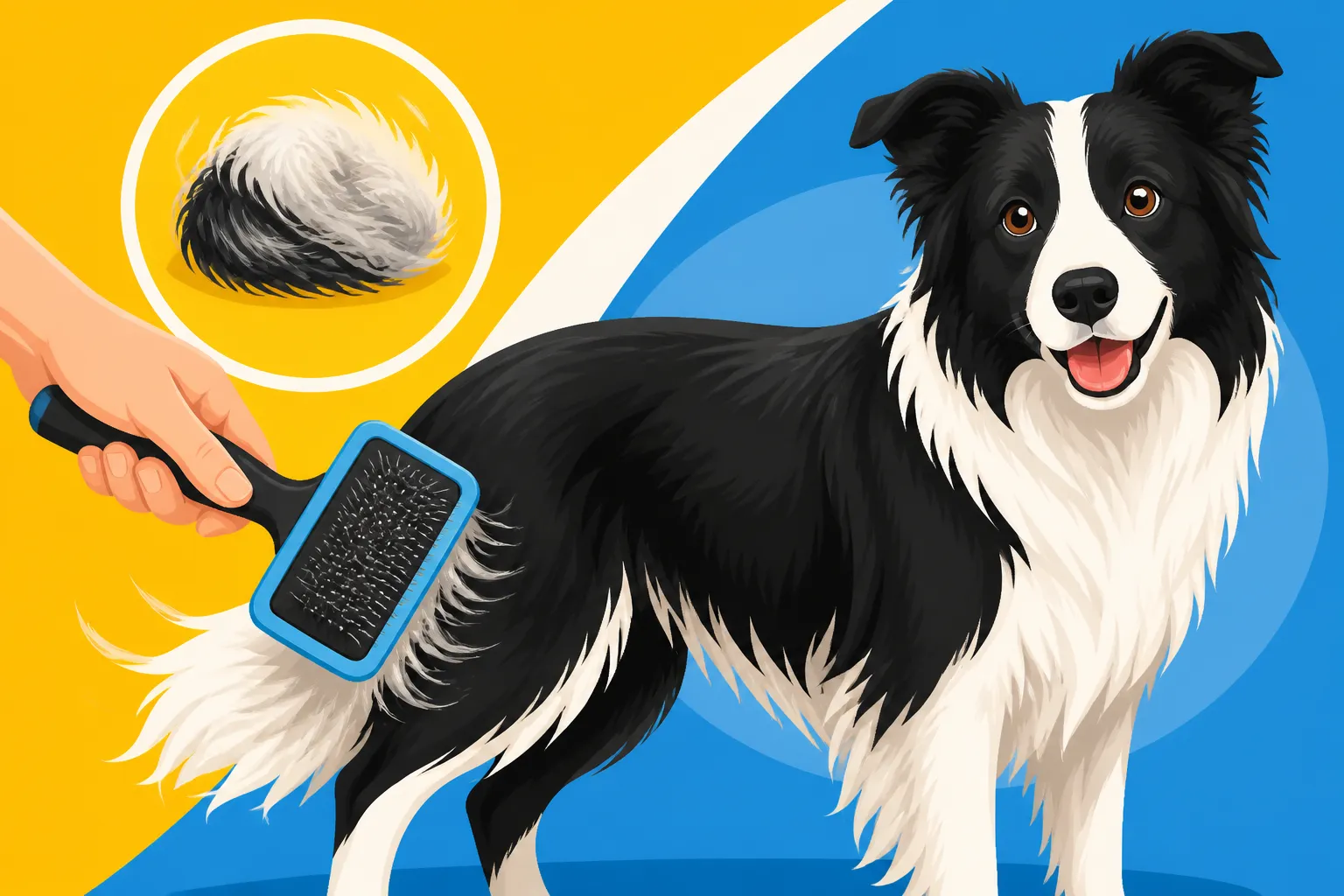
Brushing Out a Rough Border Collie’s Feathering
Anyone who lives with a rough-coated Border Collie knows the struggle: that beautiful, flowing feathering on their legs, belly, and tail, while stunning, is a magnet for burrs, mud, and endless tangles. It's not just about aesthetics; matted feathering can be uncomfortable, even painful, for your hard-working companion. This guide will walk you through everything you need to know about effectively brushing out your rough Border Collie's feathering, turning a dreaded chore into a manageable routine.
Understanding the Rough Border Collie's Coat
Before you grab a brush, it helps to understand the unique characteristics of your rough-coated Border Collie's fur. It's not just hair; it's a carefully designed system that protected their ancestors on the Scottish borders. Knowing how it works will help you care for it best.
The Double Coat and Feathering Explained
The rough-coated Border Collie boasts a magnificent double coat, a true marvel of natural engineering. This isn't a single layer of fur; it's a sophisticated two-part system designed for insulation and protection. First, you have the dense, soft undercoat. This layer is close to the skin and acts like a thermal blanket, keeping your Border Collie warm in winter and cool in summer by trapping air. It's incredibly fine and sheds seasonally, sometimes quite dramatically, leading to what we lovingly call "blowing coat."
Above this, you have the coarser, longer outer coat, often called guard hairs. These hairs are water-resistant and provide a protective barrier against rain, snow, and debris like thorns and twigs. The "feathering" we often talk about is simply the longer, softer hair found on specific parts of the body. This includes the backs of their legs, particularly the front legs (often called "trousers" on the hind legs), the belly, chest, and of course, their magnificent plume-like tail. This feathering is genetically designed to be longer and offers extra protection in areas prone to friction or exposure. It's what gives a rough-coated Border Collie its distinctive, flowing appearance.
This combination of dense undercoat and protective guard hairs, with its longer feathering, is fantastic for a dog working out in all weather conditions, but it does come with its grooming challenges. Without proper care, this intricate system can quickly become a tangled mess, especially the delicate feathering.
Why Feathering Gets Tangled and Matted
The very qualities that make your Border Collie's feathering beautiful and protective are also what make it so prone to tangles and mats. The length and fineness of the hair, particularly the undercoat within the feathering, means it catches everything. Think about running through tall grass, splashing through mud, or simply rolling around in the yard. Every bit of plant matter, every speck of dirt, every burr becomes instantly embedded. These foreign objects, combined with shed undercoat that hasn't been removed, start to weave together.
Friction is another major culprit. As your Border Collie moves, especially running and turning sharply (which they do constantly!), the hair on their legs and belly rubs against itself and the ground. This friction exacerbates tangling, knotting the hairs into tighter and tighter clumps. Areas like behind the ears, under the elbows, and in the "armpits" are particularly notorious for matting due to constant movement and rubbing. Even sleeping positions can contribute, as the dog's weight can press and knot hair together. Over time, these small tangles can quickly escalate into solid mats that pull at the skin, causing discomfort, irritation, and even skin infections if moisture gets trapped underneath. A matted coat can also hinder the dog's natural thermoregulation, making them overheat or get too cold. This is why regular, thorough brushing is absolutely non-negotiable for a rough-coated Border Collie.
Essential Tools for Feathering Care
Having the right tools makes all the difference when tackling that glorious, yet often challenging, Border Collie feathering. Skimping on quality here will only lead to frustration for both you and your dog.
Brushes and Combs You'll Actually Use
Let's talk about the cavalry for your grooming arsenal: brushes and combs. You're going to need a few specific types, not just one all-purpose brush, because different tools serve different purposes for a double coat with feathering.
First up, the slicker brush. This is your primary weapon for getting through the bulk of the coat and pulling out dead undercoat. Look for one with fine, angled wire bristles that are slightly bent at the tips. When using a slicker, you want to brush in layers, always brushing away from the skin, not directly into it, to avoid "brush burn." It's incredibly effective for removing loose hair, especially during shedding season. Many owners find a good quality slicker brush, perhaps one from a brand you might find on Chewy, is indispensable for daily maintenance and preventing matts from forming in the first place.
Next, you need a pin brush. This brush has widely spaced, smooth pins, usually with little protective tips on the ends. It's excellent for working through the longer feathering gently, helping to separate hairs and smooth the outer coat. While it won't remove undercoat like a slicker, it's perfect for fluffing up the feathering and giving it that lovely, airy look.
Then there's the undercoat rake. This tool is specifically designed to get deep into the dense undercoat without damaging the outer guard hairs. It has long, widely spaced teeth, often with a curved or hooked shape. It's fantastic for areas with heavy undercoat, like the ruff around the neck or the deeper feathering on the legs. Use it with light, long strokes, following the direction of hair growth. This is particularly crucial during the biannual "coat blow" when your Border Collie sheds their entire undercoat, leaving tufts of fluff everywhere. Regular use of an undercoat rake can significantly reduce the amount of loose hair floating around your home.
Finally, and perhaps most crucially for feathering, is a good steel comb. This isn't just any comb; it needs to be sturdy, with both wide-set and fine-set teeth. The wide teeth are for starting to break apart larger tangles, while the fine teeth are for working through smaller knots and ensuring all dead hair is removed, especially in delicate areas like behind the ears or on the hocks. You should always be able to run a steel comb through the entire coat, including the feathering, after brushing. If the comb snags, you know there's still a tangle hiding there. Using the comb after the brushes ensures you've gotten everything. A comb with a comfortable handle makes a big difference when you're working on those intricate sections.
Sprays and Conditioners for Easier Detangling
Brushing dry, tangled feathering is a recipe for static, breakage, and discomfort for your dog. That's where detangling sprays and conditioners come in. These products are not just luxuries; they are vital tools for making the grooming process smoother and more effective.
A good detangling spray or leave-in conditioner should be applied before you start brushing any matted or tangled areas. These sprays work by coating each hair shaft, making it slicker and reducing friction. This allows your brush or comb to glide through knots more easily, minimizing pulling and pain for your Border Collie. Look for sprays that are formulated for dogs, preferably with natural ingredients that won't irritate their skin or leave a greasy residue. Some even offer moisturizing benefits, which is great for preventing dry, brittle hair that breaks easily. You can find a wide array of options online, perhaps searching on Amazon for highly-rated detangling sprays specifically for long-coated breeds. A quick spritz on the feathering, letting it sit for a minute or two, can dramatically improve your success rate with stubborn knots.
For a deeper condition, especially after a bath, a good rinse-out conditioner is invaluable. Border Collies that spend a lot of time outdoors in varied weather, or those with particularly dry coats, benefit from the extra moisture a conditioner provides. It helps to seal the hair cuticle, making the coat smoother, shinier, and less prone to tangling in the future. After shampooing, work the conditioner into the feathering, let it sit for the recommended time, and then rinse thoroughly. This can make subsequent brushing sessions much easier and keep the feathering looking its best.
Remember, always read the labels and choose products that are safe for dogs. Avoid human hair products, as their pH balance and ingredients can be harmful to canine skin and coat. Using these sprays and conditioners effectively can transform grooming from a battle into a bonding experience, keeping your Border Collie comfortable and their feathering pristine.
Step-by-Step Guide to Brushing Feathering
Now that you have your tools ready and understand the why, let's get into the how. Brushing feathering effectively requires a systematic approach and a lot of patience.
Preparing Your Border Collie for Grooming
Before you even think about putting a brush to your Border Collie's feathering, proper preparation is key. This isn't just about the physical setup; it's about getting your dog into the right mindset. A relaxed dog is a cooperative dog, and a cooperative dog makes for a much more pleasant grooming session for everyone involved.
First, choose a quiet time and a comfortable, secure location. This might be on a non-slip mat on the floor, a sturdy grooming table if you have one, or even a raised platform if your dog is accustomed to it. The goal is to have your Border Collie standing or lying comfortably, in a way that allows you access to all their feathered areas without them feeling anxious or unstable. Give them a chance to relieve themselves beforehand, so they're not squirming with a full bladder. Make sure you have all your tools laid out and within easy reach: slicker brush, pin brush, undercoat rake, steel comb, detangling spray, and some high-value treats. Yes, treats are crucial!
If your Border Collie is new to grooming, or particularly sensitive, start with very short sessions. Even five minutes is a win. The idea is to build a positive association. Offer praise and treats liberally throughout the process. Don't force them or make it a punishment. If they're showing signs of stress or fear, take a break and try again later. You might even start by just touching them with the brush, then quickly giving a treat, without actually brushing any hair. Gradually increase the duration and intensity as they become more comfortable. For a dog that might be particularly high-strung, a calming chew or a comfortable bed might make the experience more tolerable. The goal is for your Border Collie to view grooming as a calm, even enjoyable, part of their routine, not a scary ordeal. Getting a Border Collie Puppy to Rest on Cue can be a great way to introduce calm behavior from a young age, which will pay dividends during grooming.
The Detangling Process: Nape to Tail
With your Border Collie settled and your tools at the ready, it's time to begin the actual brushing. A systematic approach will ensure you don't miss any spots and prevent new tangles from forming while you're working on another area. Start from the top and work your way down, focusing on small sections at a time.
Begin with the body coat, using your slicker brush to remove any loose hair and light tangles. Brush in the direction of hair growth, using short, gentle strokes. Once the body is relatively clear, move to the feathering. This is where the real work begins. I recommend starting at the nape of the neck, moving down the chest, and then along the belly. For these areas, the pin brush can be a good starting point to gently separate the longer hairs. When you encounter a tangle, do not pull. Instead, mist the area with your detangling spray and gently work the knot apart with your fingers first. Then, use the wide-toothed end of your steel comb, starting from the very tip of the tangle and working your way incrementally up towards the skin. It's like picking apart a loose string, bit by bit. Once the wide teeth go through, switch to the finer teeth.
After you've done the chest and belly, move to the long feathering on the back of the front legs. These areas can be particularly prone to matting from movement. Work slowly, section by section. Hold the hair closer to the skin with one hand while you brush or comb the ends with the other; this minimizes pulling on the skin if you hit a snag. As you clear each section, give your Border Collie praise and a small treat. Remember, consistency and patience are your best friends here. By working methodically from the top down, you're systematically addressing tangles before they become overwhelming, making the whole process more efficient and less stressful for your dog.
Focusing on the Problem Areas: Legs, Ears, Tail
While the general body and belly feathering demand attention, certain "hot spots" on a rough Border Collie are notorious for collecting mats. These areas require extra vigilance and a more targeted approach. Ignoring them will almost guarantee solid, uncomfortable mats that are difficult to remove.
The legs, particularly the "trousers" on the hind legs and the feathering behind the front elbows, are prime real estate for tangles. They rub against themselves, collect mud, and are constantly in motion. When brushing the legs, pay close attention to the "armpits" and the area behind the elbows, as well as the hocks. These areas can get incredibly matted. For these sections, use your steel comb primarily, working small sections at a time. Gently hold the hair at the base with one hand and comb out the ends with the other, carefully teasing apart any knots. Remember, a detangling spray is your best friend here. Don't forget the feet and between the paw pads; while not exactly feathering, long hair here can collect debris and even ice balls in winter, causing discomfort. Keep the hair between the pads trimmed to prevent this. You might even want to check Toe and Pad Injuries on a Working Border Collie for related care tips.
The ears are another common trouble spot. Many Border Collies have longer hair behind and at the base of their ears, which often gets neglected. This hair is fine and easily mats, especially if they shake their head a lot or scratch. Use the fine-toothed end of your steel comb, being extra gentle around the sensitive ear leather. Always approach the ears calmly and slowly. Ear Infections Under a Border Collie's Folded Ear can also be a concern, making regular cleaning and checking of the ears vital alongside grooming.
And then there's the tail. A rough Border Collie's tail is a magnificent plume, but it's also a giant feather duster for everything on the ground. It collects burrs, stickers, and debris with incredible efficiency. When brushing the tail, start at the tip and work your way up towards the base, holding the hair as you comb to prevent pulling the sensitive tail skin. Use your slicker brush for the main fluff, and your steel comb to ensure all small knots are gone. The goal is to be able to run your comb from root to tip without any snags. Neglecting the tail can lead to uncomfortable, heavy mats that weigh it down and restrict movement. Taking extra time with these key areas will prevent major headaches down the line and keep your Border Collie happy and healthy.
Preventing Mats and Maintaining Feathering Health
An ounce of prevention is worth a pound of cure, especially when it comes to Border Collie feathering. Establishing good habits now will save you countless hours of detangling later and ensure your dog's comfort.
Establishing a Regular Grooming Routine
The single most important factor in preventing mats in your rough-coated Border Collie's feathering is consistency. You cannot wait until you see a mat to start brushing; by then, you're already behind the curve. A regular grooming routine is paramount, and its frequency will depend largely on your dog's activity level and coat type.
For most rough-coated Border Collies, especially those who spend a good amount of time outdoors, a thorough brushing two to three times a week is a good baseline. This isn't just a quick once-over; it's a dedicated session where you systematically work through all areas, paying particular attention to the feathering on the legs, belly, chest, behind the ears, and tail. During peak shedding seasons (typically spring and fall, when they blow their undercoat), you might need to increase this to daily brushing, even if it's just a quick 10-15 minute session, to keep up with the sheer volume of shedding hair. Remember, loose undercoat is the primary building block for mats.
Incorporate this routine into your dog's schedule so they learn to expect it. Maybe it's after their morning walk when they've settled down, or in the evening before dinner. The predictability helps them relax and become more cooperative. Make it a positive experience with praise, gentle handling, and treats. If you have a young Border Collie puppy, start introducing brushes and combs early, even if you're just doing a few strokes and then giving a reward. This early conditioning will make future grooming sessions much easier. Think of it as a small investment of time that pays huge dividends in your dog's comfort and coat health, preventing severe matting that might eventually require shaving. A clean, well-maintained coat is also a clear indicator of overall good health, and a sign of responsible pet ownership.
Tips for Keeping Feathering Clean Between Brushes
While regular brushing is essential, life happens, and your Border Collie will inevitably find ways to get their magnificent feathering dirty. Implementing a few extra strategies can help keep those longer hairs cleaner and less prone to matting between your dedicated grooming sessions.
One of the simplest yet most effective tips is a quick wipe-down after outdoor adventures. Keep a damp towel by the door or in your vehicle. After a walk through muddy fields, a romp in the woods, or even just a particularly dusty trail, give the feathering on their legs and belly a quick wipe to remove surface dirt, burrs, and moisture. This prevents dirt from drying and becoming firmly embedded, making future brushing much easier. For more stubborn debris like burrs or sticky seeds, a quick spot-check and removal right away is better than letting them sit and tangle further.
Consider investing in some protective gear for specific situations. While not always practical for everyday wear, a lightweight dog coat or vest can protect the belly and chest feathering from excessive mud or wet brush during especially mucky outings. Some owners even use specialized dog leggings or boots if their Border Collie is working in very rough terrain with lots of burrs or foxtails. While boots aren't for every dog (and many Border Collies will try to shed them!), they can be incredibly effective for protecting delicate paw and leg feathering.
Another often-overlooked tip is ensuring their bedding is clean and mat-free. If your Border Collie sleeps on dirty, matted, or rough bedding, it can actually contribute to matting of their own coat, especially on the belly and hocks. Regularly washing their dog beds and blankets keeps their coat cleaner and reduces friction that can cause tangles. Brands like Ollie often talk about the importance of overall dog well-being, and a clean sleeping environment is a part of that holistic care. Finally, ensure your Border Collie has access to fresh, clean water. A well-hydrated dog often has healthier skin and coat, which can be less prone to dryness and breakage that leads to tangles.
When to Seek Professional Grooming Help
While many Border Collie owners become adept at home grooming, there are definitely times when it's smart, and even necessary, to call in the professionals. Don't view seeking a groomer as a failure; view it as a responsible decision for your dog's well-being.
One of the most common reasons to visit a professional groomer is when mats become severe or extensive. If you're encountering large, solid mats that are close to the skin and seemingly impossible to detangle without causing your dog significant pain, a professional groomer is your best bet. They have specialized tools, techniques, and often a lot more patience (and less emotional attachment!) to work through these situations. In many cases, severe matting will require shaving, as attempting to brush out dense, painful mats can be inhumane. Groomers are skilled at safely shaving matted coats, minimizing the risk of nicks or cuts to the skin underneath, which can be very thin and irritated by the mats. They can also provide a fresh start for a neglected coat, allowing you to then maintain it with a regular home routine.
Another reason might be if you're struggling with a particularly uncooperative Border Collie. Some dogs, despite your best efforts, simply do not tolerate extensive grooming at home. This might be due to past negative experiences, a naturally sensitive temperament, or just a strong dislike for being still. A professional groomer often has experience with anxious or difficult dogs and can use calm, confident handling techniques, and sometimes even gentle restraints, to get the job done safely. They might also have a calming environment or even discuss options like sedation with your vet if absolutely necessary for the dog's comfort and safety.
Finally, you might consider occasional professional grooming just for maintenance and expert advice. A groomer can provide services like thorough de-shedding treatments, nail trims (which can be tricky on a wiggly Border Collie), ear cleaning, and even sanitary trims. They can also offer valuable advice on specific brushes or techniques that might work better for your dog's individual coat type, or identify early signs of skin issues that you might miss. Think of it as a periodic tune-up, ensuring your Border Collie's coat remains in peak condition, complementing your home efforts.
Common Challenges and Troubleshooting
Even with the best intentions and tools, grooming a rough Border Collie isn't always smooth sailing. There will be challenges, but knowing how to approach them can make a huge difference.
Dealing with Extreme Matting
Encountering extreme matting can feel overwhelming, like staring at an impenetrable fortress of felted fur. It's a common, albeit frustrating, problem, especially with active Border Collies whose feathering is constantly picking up debris. When a mat becomes a solid, hard mass close to the skin, trying to brush it out can cause immense pain and even skin damage.
The absolute first rule when dealing with extreme matting is: do not pull. Tugging on a tight mat will hurt your dog, make them fear grooming, and can rip their delicate skin. If the mat is small and relatively loose, you can try applying a generous amount of detangling spray or even a touch of cornstarch to the area. Use your fingers to gently try and pull apart the edges of the mat. Then, with a wide-toothed comb, start at the very outermost edge of the mat, teasing out just a few hairs at a time. Work slowly, from the tip of the hair inwards, never trying to pull the comb straight through. It's a painstaking process, often referred to as "line brushing."
However, if the mats are extensive, tight against the skin, or if your Border Collie is showing signs of pain or extreme discomfort, shaving is often the kindest and safest solution. This is where professional help truly shines. A skilled groomer has specialized clippers with various blade lengths and the expertise to safely navigate under mats without injuring the skin, which can be thin, stretched, or inflamed beneath the matted fur. Trying to cut out mats with scissors at home is extremely dangerous due to the risk of cutting the skin. It’s better to accept that a shave-down is necessary for your dog's comfort and health, even if it means losing that beautiful feathering temporarily. The coat will grow back, and with a renewed commitment to regular grooming, you can prevent such severe matting from recurring. Remember, a healthy, comfortable dog is far more important than a perfectly long coat.
My Border Collie Hates Being Brushed!
It's a common lament among Border Collie owners: "My dog hates being brushed!" This can turn what should be a routine task into a wrestling match, leaving both you and your canine companion stressed and frustrated. The good news is that with patience and a positive approach, you can often turn this around.
First, re-evaluate the experience from your dog's perspective. Are your tools causing discomfort? Dull brushes or combs with broken teeth can pull hair and scratch skin. Are you being too rough, inadvertently hurting them? Are you trying to tackle huge mats all at once? All these things can create a negative association. Switch to high-quality, gentle tools, use detangling spray, and always brush with a light hand.
Next, start small and make it positive. If your Border Collie truly despises brushing, don't attempt a full-body session initially. Instead, aim for tiny, five-second bursts. Bring out the brush, gently touch it to their side, give a high-value treat (something really special, like a piece of cheese or cooked chicken), and then put the brush away. Repeat this several times a day. Gradually increase the duration: touch, one stroke, treat, put away. Slowly build up the number of strokes and the areas you touch. Always end on a positive note, even if it's just one successful stroke. This process is called desensitization and counter-conditioning.
Consider the environment. Is it too noisy or distracting? A quiet room where your Border Collie feels safe can help. You might also try different positions – lying down on their side, or standing on a non-slip mat. Some dogs feel more secure if you support them gently against your body. For very anxious dogs, you might even incorporate lick mats smeared with peanut butter or a favorite soft treat; this can keep them happily distracted for a longer period, making them associate grooming with a positive, delicious activity. Consistent positive reinforcement is key. It might take weeks or even months, but transforming brushing into a tolerable, or even enjoyable, experience is well worth the effort for a dog that will live for How Long a Border Collie Lives.
Seasonal Shedding and Feathering Impact
Rough-coated Border Collies are renowned for their impressive double coats, and with that comes seasonal shedding. This isn't just a nuisance; it significantly impacts their feathering and requires an adjustment to your grooming routine. Twice a year, typically in spring and fall, Border Collies undergo what's commonly known as "blowing coat."
During these periods, your dog will shed their dense undercoat to prepare for the changing temperatures. In spring, they lose the heavy winter insulation to make way for a lighter summer coat, and in fall, they shed the old summer coat to grow a new, thicker winter one. This process can be quite dramatic, with loose tufts of hair appearing everywhere. The feathering, being longer and often denser, can become a prime collector for this shed undercoat. If not removed, this loose hair quickly intertwines with the live hair, forming mats at an alarming rate.
During these "coat blow" seasons, your regular twice-a-week brushing simply won't cut it. You'll need to increase your grooming sessions to daily, or at least every other day. Focus heavily on using your undercoat rake and slicker brush to pull out as much dead undercoat as possible. Pay extra attention to the feathering on the legs, belly, and tail, as these areas are notorious for trapping shed hair. You might also find that a bath during a heavy shed, followed by a thorough blow-drying (if your dog tolerates it), can help loosen and remove a significant amount of dead hair, making subsequent brushing easier. Just ensure you brush before the bath to remove any existing mats, as water can tighten them considerably. While this time requires more effort, consistent removal of the shedding undercoat will prevent painful matting and keep your Border Collie more comfortable. It's a small price to pay for that gorgeous, functional coat.
| Tool Type | Primary Use | Best For | When to Use |
|---|---|---|---|
| Slicker Brush | Removing loose undercoat and light tangles | Main body, starting feathering detangling | Daily/Every other day, especially shedding |
| Pin Brush | Smoothing outer coat, fluffing feathering | Long feathering on legs, belly, tail | After slicker brushing, for finishing touches |
| Undercoat Rake | Deep undercoat removal, de-shedding | Dense undercoat, thickest feathering | During shedding seasons, weekly |
| Steel Comb | Detangling knots, checking for missed tangles | All feathering, behind ears, "armpits," tail | After brushing, for precision detangling |
| Detangling Spray | Lubricating hair, easing knot removal | Any matted or tangled area | Before brushing knots, or general conditioning |
Disclaimer
This article is for general informational purposes only and does not constitute professional advice. Laws, prices and regulations vary by location and change over time. Consult a qualified professional for guidance on your specific situation.