Whether a Damp Border Collie Coat Causes Trouble
That feeling when your Border Collie bounds in from a rainy walk, or emerges from a dip in the lake, and they're just… saturated? You might towel them off, but often that lingering dampness can feel like a recipe for trouble. This guide will explore whether a damp Border Collie coat actually causes problems, delve into the potential health risks, and offer practical, empathetic advice on how to keep your hardworking companion healthy and dry.
The Unique Design of a Border Collie's Coat and Why It Stays Damp
Border Collies, whether they're working livestock in the Scottish Borders or playing fetch in a local park, are built for the outdoors. Their coats are designed to protect them from the elements, but this very design can sometimes work against us when it comes to drying them out properly. Understanding the structure of their coat is the first step to understanding why dampness can be a lingering issue.
Double Coat Dynamics
Most Border Collies sport a dense, protective double coat. This isn't just one layer of fur; it's two distinct layers working in harmony. You have the harsh, weather-resistant outer coat, often called guard hairs, which helps repel water and dirt. Underneath that, there's a softer, thicker, woollier undercoat that provides insulation, keeping them warm in cold weather and actually helping to regulate their temperature in the heat by trapping air. Think of it like a natural all-weather jacket.
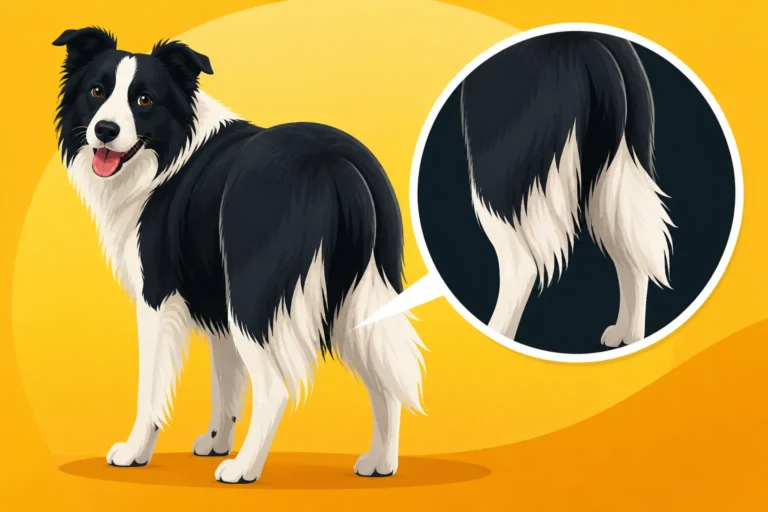
However, this fantastic insulating layer is also incredibly good at trapping moisture. When your Border Collie gets thoroughly soaked, that undercoat acts like a sponge, holding onto water close to their skin. While the outer coat might feel dry to the touch relatively quickly, the undercoat can remain damp for hours, or even days, if not properly addressed. This is particularly true for rough-coated Border Collies with their longer feathering and dense ruff, though even smooth coats can hold a surprising amount of moisture in their undercoat.
Factors Affecting Drying Time
The time it takes for a Border Collie's coat to dry can vary wildly depending on several factors. Obviously, the sheer volume of water matters – a light drizzle is different from a full-on swim. Humidity in the air plays a huge role; a dry, breezy day will help evaporate moisture faster than a damp, still one. The coat type is also significant; a rough-coated dog, with its longer hair and extensive feathering, simply has more surface area and more undercoat to hold onto water compared to a smooth-coated Border Collie.
Beyond environmental factors, the individual dog's coat density also matters. Some Border Collies just seem to have a more prodigious undercoat than others. And let's not forget the role of activity. A dog that continues to run and move will generate some body heat which can aid drying, but if they're then settling down for a nap in a crate, that trapped moisture has nowhere to go. This combination of factors often means that what looks like a 'damp' dog can actually be a really damp dog for a lot longer than you might initially think.
The Unseen Troubles a Damp Coat Can Brew
While a damp coat might seem like a minor inconvenience, for a Border Collie, prolonged wetness can quickly escalate into uncomfortable and sometimes painful health issues. Their dense fur, combined with warm skin, creates an ideal environment for problems to take root. We've all heard the adage about letting dogs "air dry," but for a Border Collie, that advice can sometimes lead to more trouble than it prevents.
Skin Irritations and Hot Spots
One of the most immediate and common concerns with a perpetually damp coat is the development of skin irritations, especially "hot spots," formally known as acute moist dermatitis. These are nasty, red, inflamed, often oozing patches of skin that can appear seemingly overnight. The constant moisture softens the skin, making it vulnerable, and allows naturally occurring bacteria on the skin to multiply rapidly. Your dog might start by scratching or licking an itchy area, but this only makes the problem worse, creating a vicious cycle of irritation and self-trauma.
A hot spot can start small, perhaps a dime-sized patch on a flank or leg, but it can expand alarmingly quickly. Before you know it, an area the size of a dinner plate can become raw and painful. It's often tucked away under dense fur, so you might not even notice it until the smell becomes distinct or your dog is visibly agitated. Regular grooming, even when your dog isn't visibly dirty, becomes crucial, especially if they are frequently getting wet, to allow you to check the skin underneath. Hot Spots on a Border Collie offers a deeper dive into recognizing and managing these issues.
Yeast and Fungal Infections
Beyond bacterial hot spots, prolonged dampness is also a prime breeding ground for yeast and other fungal infections. Yeast, particularly Malassezia pachydermatis, is a common culprit. If you've ever noticed a musty, somewhat sweet or "corn chip" smell coming from your dog, especially in areas like their armpits, groin, between their toes, or under their ears, it could very well be a yeast infection taking hold. This isn't just a smelly inconvenience; yeast infections are incredibly itchy and uncomfortable for your dog.
Like bacterial infections, yeast thrives in warm, moist, and dark environments. The thick undercoat of a Border Collie provides all of these conditions when it stays damp. These infections can lead to red, greasy, scaly skin, hair loss, and relentless scratching or licking. They can also exacerbate existing skin sensitivities. It's a misery that's entirely preventable with proper drying and coat care.
Matting and Skin Health
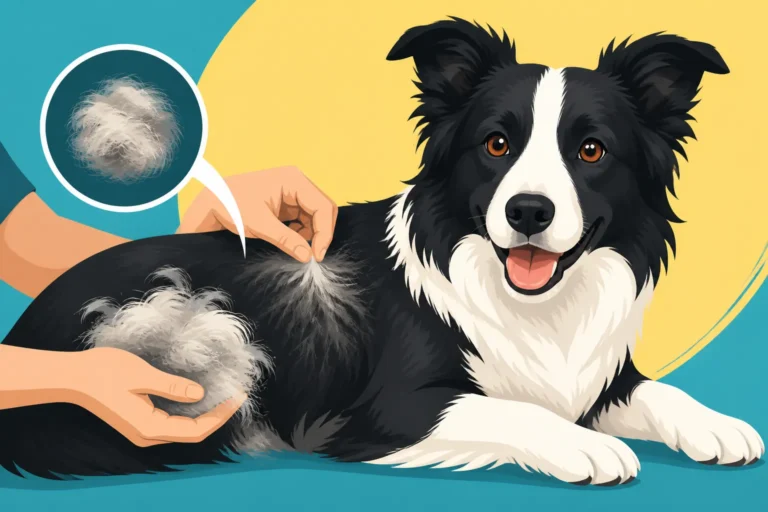
When a Border Collie's coat gets wet and then dries slowly without proper brushing, it’s much more prone to matting. The wetness can cause the individual hairs, especially the soft undercoat, to clump together and tangle. As the coat dries, these tangles tighten and pull on the skin. Mats aren't just an aesthetic problem; they are a serious health concern.
Large, dense mats can trap even more moisture against the skin, creating localized damp, airless pockets that become ripe for bacterial or yeast infections, similar to what we discussed earlier. They also restrict air circulation, which prevents the skin from breathing properly and makes it harder for any moisture to evaporate. Furthermore, mats can be incredibly painful, pulling on the skin with every movement your dog makes. They can lead to bruising, skin tears, and even restrict blood flow in severe cases. This is why a regular grooming routine, which includes thorough brushing to prevent tangles and remove dead undercoat, is paramount, especially when your dog is often wet. Grooming a Rough-Coated Border Collie covers essential brushing techniques.
Practical Strategies for Effective Drying and Prevention
The good news is that preventing these dampness-related issues is entirely within your control. It takes a bit of diligence and the right tools, but incorporating some straightforward habits into your routine can make a world of difference for your Border Collie's comfort and skin health. We want our dogs to enjoy their lives, whether that's working sheep or splashing in a creek, without suffering the consequences of a neglected coat.
Immediate Post-Wetness Care
The moment your Border Collie comes in from being soaked, immediate action is your best friend. Don't just let them shake off and wander around; that's when the moisture starts to settle deep into the undercoat. Start with vigorous towel drying. Use absorbent towels, really working them into the coat to wick away as much surface water as possible. For rough-coated dogs, pay special attention to the longer feathering on their legs, belly, and tail, as these areas can hold a tremendous amount of water.
For a truly soaked Border Collie, especially if they have a dense undercoat, investing in a high-velocity force dryer can be a game-changer. These aren't like human hairdryers (which can get too hot and damage their skin); they blow unheated or gently warmed air with incredible force, pushing water out of the coat rather than just drying the surface. This is by far the most efficient way to get a Border Collie thoroughly dry right down to the skin. You can find excellent pet-specific force dryers on sites like Chewy or Amazon. If you don't have a force dryer, keep toweling and, if possible, let them air dry in a warm, low-humidity room, checking and brushing their coat every 15-30 minutes until fully dry.
Grooming Routine for Damp Climates
Beyond immediate drying, a consistent grooming routine is essential, particularly if you live in a damp climate or your Border Collie is frequently exposed to wet conditions. Regular brushing, at least a few times a week, is critical. This helps to remove dead undercoat, which can hold onto moisture and contribute to matting. A good slicker brush and an undercoat rake are indispensable tools. As you brush, feel their skin, checking for any damp patches, redness, or bumps. Which Brush Suits a Rough Border Collie's Coat provides excellent guidance on selecting the right tools for your dog's specific coat type.
During damp periods, consider increasing your brushing frequency. If your Border Collie has longer feathering, those areas will need extra attention. It's also a good idea to ensure their feet are clean and dry, as moisture trapped between their paw pads can also lead to issues. Keeping their nails trimmed helps maintain good foot health and prevents debris from accumulating. Don't underestimate the power of a well-maintained coat to dry faster and stay healthier.
Protective Gear and Avoiding Excessive Wetness
Sometimes, the best offense is a good defense. For those days when you know it's going to be wet, a lightweight, breathable raincoat for your Border Collie can save you a lot of drying time later. While it won't keep them 100% dry if they're rolling in puddles, it can significantly reduce the amount of water their main body coat absorbs. This is especially helpful for rough-coated dogs.
Of course, not all wetness can be avoided, nor should it be! Border Collies love to work, play, and explore, and sometimes that means getting dirty or wet. However, being mindful of unnecessary prolonged wetness can help. For instance, if you're working stock or training in wet fields, ensure you have a plan for immediate drying afterwards. During particularly cold or muddy conditions, you might choose to limit deep-water swimming to drier days. It's about balance—allowing them to enjoy their activities while proactively managing the after-effects.
Here's a quick comparison of common drying methods:
| Drying Method | Pros | Cons | Best Use Case |
|---|---|---|---|
| Towel Drying | Quick initial moisture removal, no special equipment. | Often leaves undercoat damp, can be time-consuming for dense coats. | Light wetness, initial dry after heavy soaking. |
| Force Dryer | Highly efficient, dries to the skin, prevents matting. | Can be noisy (requires desensitization), initial cost, takes practice. | Thorough drying after baths or heavy soaking, esp. double coats. |
| Air Drying | No equipment needed, natural. | Slow, high risk of matting and skin issues if undercoat remains damp. | Only for very light dampness in a dry, warm environment, with frequent checks. |
| Absorbent Robe/Coat | Wicks moisture, comfortable for the dog, hands-free. | Doesn't fully dry to the skin, requires separate towel dry or air dry after. | Travel, after swimming, light rain, to absorb initial wetness. |
Knowing When to Call the Vet for Persistent Dampness Issues
Even with the best preventative measures, sometimes problems can arise. Border Collies are stoic, and they won't always make it obvious they're in discomfort. That's why being vigilant and knowing the signs that warrant a trip to the veterinarian is so important. Ignoring persistent skin issues can lead to more severe infections and prolonged misery for your dog.
Recognizing Red Flags
Your nose and hands are your best diagnostic tools here. First, smell your dog. If you detect any unusual odors – a strong musty scent, a sickly sweet smell, or something just generally "off" that wasn't there before – it's a red flag. Next, run your hands over their body, especially in areas where dampness tends to linger: armpits, groin, under the collar, at the base of the tail, and between their toes. Feel for any warmth, bumps, scabs, oozing, greasiness, or patches of matted fur that feel particularly tight.
Observe your dog's behavior, too. Is your Border Collie suddenly scratching, licking, or chewing at certain spots more than usual? Are they restless, perhaps rubbing against furniture or the ground? Are they reluctant to be touched in a particular area? Any of these signs, especially if they are persistent or worsening, indicate that their skin health is compromised. A small, red patch on the skin might just be an irritation, but if it starts to ooze or spread, it needs attention. These issues can often be mistaken for Allergies in a Border Collie, but dampness can initiate or exacerbate such conditions.
The Importance of Early Intervention
It's tempting to think a little itch or a small patch of redness will just "go away on its own." With skin issues caused by dampness, this is rarely the case. In fact, they almost always worsen rapidly because the underlying cause (trapped moisture, bacterial/yeast overgrowth, continued licking) remains unchecked. What starts as a minor irritation can quickly become a full-blown infection requiring antibiotics, anti-fungals, and pain management.
If you notice any of the red flags, don't hesitate to contact your veterinarian. They can accurately diagnose the problem, whether it's a hot spot, a yeast infection, or something else entirely. They can provide appropriate medication, recommend medicated shampoos (some of which you might find on Amazon or Chewy with a prescription), and give you specific advice on how to manage the condition. Early intervention means a quicker, less painful recovery for your Border Collie, and often saves you more significant vet bills down the line. Preventative steps, including thorough drying and regular grooming, are truly the best medicine. The Annual Exam a Border Collie Needs is a great time to discuss any ongoing coat or skin concerns with your vet.
Disclaimer
This article is for general informational purposes only and does not constitute professional advice. Laws, prices and regulations vary by location and change over time. Consult a qualified professional for guidance on your specific situation.