Mats Behind a Rough Border Collie’s Ears
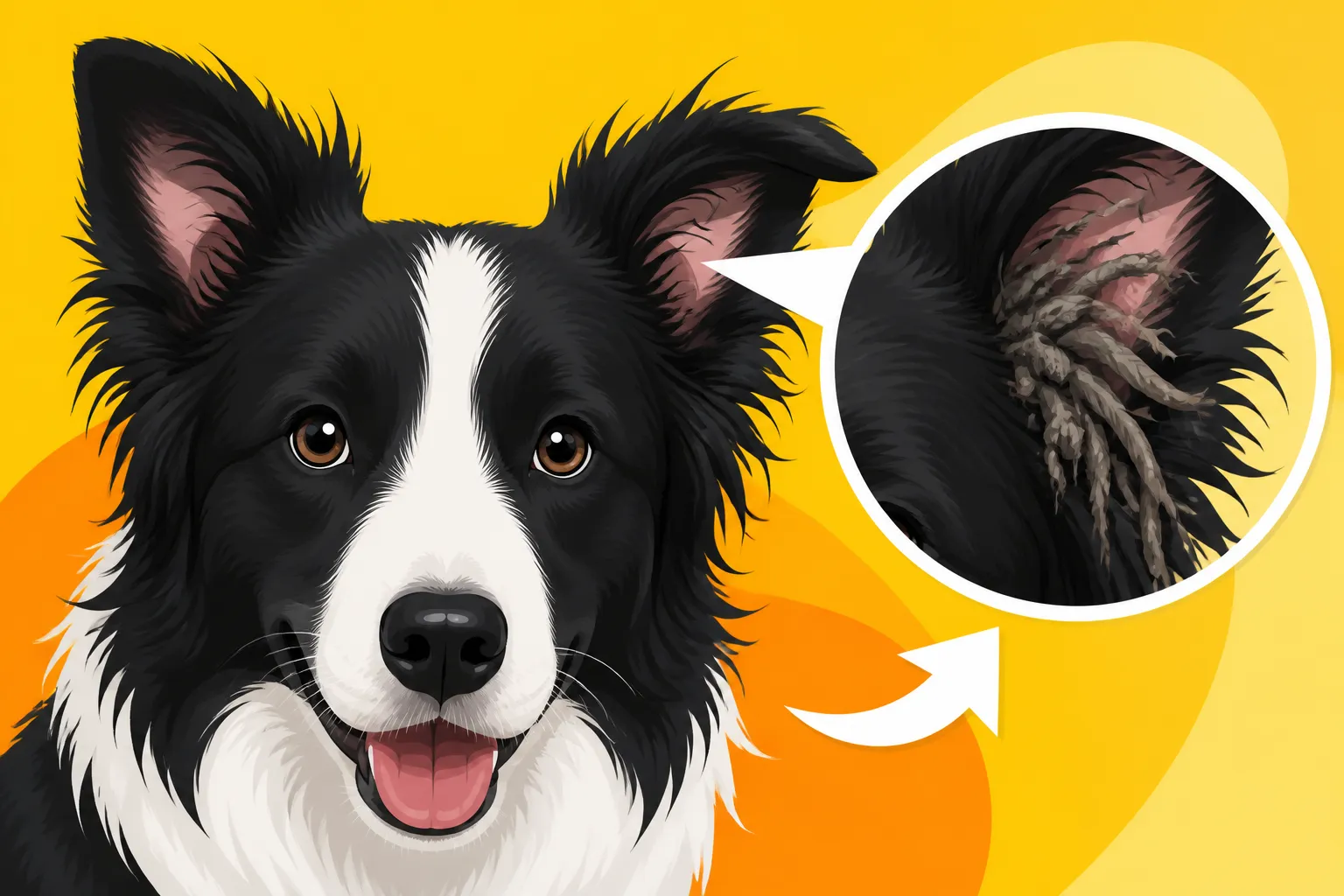
Oh, the dread of running your fingers through that beautiful, feathery Border Collie ear and hitting a solid, stubborn knot. It's a common frustration for so many of us who share our lives with these magnificent, rough-coated dogs. One minute their fur is flowing, the next you've got a tangled mess behind their ears that seems to have appeared out of nowhere. This guide is here to walk you through why those sneaky mats develop in such a sensitive spot, how you can prevent them, and most importantly, how to safely and patiently deal with them when they inevitably pop up.
Understanding Why Mats Form Behind a Border Collie's Ears
It’s not just bad luck that mats seem to gravitate towards a Border Collie's ears. There's a perfect storm of factors at play that makes this area a prime target for tangles and knots. Understanding why these mats form is the first step in tackling them effectively and saving yourself a lot of grief (and your dog a lot of discomfort!).
The Unique Coat Structure of Rough-Coated Border Collies
Let's talk about that gorgeous coat. A rough-coated Border Collie has a double coat, which is truly a marvel of natural engineering. There's a soft, dense undercoat that provides insulation, keeping them warm in winter and helping regulate their temperature in summer. Over this lies a longer, coarser outer coat, sometimes called guard hairs, which repels water and protects against debris. This combination, while beautiful and functional for a working dog, is also a matting magnet, especially in areas where the undercoat is particularly thick and the longer guard hairs are prone to friction.
The fur behind the ears, as well as on the ruff, armpits, and 'trousers' on their hind legs, tends to be finer and softer than the rest of the outer coat, resembling the undercoat more closely. This delicate texture means these hairs are much more susceptible to knotting and felting together. When these fine hairs get intertwined, they grab onto loose shedding undercoat, and before you know it, a tiny knot blossoms into a full-blown mat. It's like trying to comb out wet cotton candy – delicate, sticky, and prone to breaking if not handled with immense care.
High-Movement Areas and Friction Points
Border Collies are not statues. They are dogs of incredible movement, constantly exploring, working, and playing. Their heads are always swiveling, their ears are perking up to catch a distant whistle or the rustle of leaves, and they’re often rubbing their heads against things. All this motion, while a sign of a healthy, engaged dog, creates friction. Friction is the archenemy of a smooth coat, especially behind the ears.
Think about it: every time your Border Collie scratches an itch with a hind paw, shakes its head after a drink, or rubs its head playfully against your leg, that delicate fur behind the ears is being agitated. If there's any moisture (from water, drool, or even just humidity) or dirt in the coat, it exacerbates the problem, making those tiny friction points bind together even more tightly. This is also a major reason why mats form in other high-friction areas like the armpits or where a harness consistently rubs. It's not just the length of the hair, but the constant movement and rubbing that causes those individual hairs to essentially tie themselves into knots.
External Factors That Contribute to Matting
Beyond the inherent characteristics of their coat and their active nature, several external factors can significantly increase the likelihood of mats forming behind your Border Collie's ears. Ignoring these can make your grooming battles much harder than they need to be.
First and foremost is moisture. A wet coat, especially one that isn't thoroughly dried, is a mat waiting to happen. If your Border Collie has been out in the rain, had a bath, or even just dunked their head in their water bowl, the moisture causes the hairs to clump together. If left to air dry, especially in a dense area like behind the ears, these clumps can solidify into tight mats as the water evaporates and the hairs shrink, effectively locking into place. This is particularly true if the coat is already carrying some loose undercoat.
Secondly, dirt and debris play a huge role. Burrs, twigs, sticky seeds, mud, and even just dust from rolling around in the yard can all get caught in the fine hair behind the ears. These foreign objects act like anchors, giving the surrounding hairs something to cling to and knot around. Imagine trying to untangle a necklace with a handful of sand mixed in – it's practically impossible without causing damage. The same principle applies to your dog's coat. A dog that regularly spends time in grassy fields or wooded areas is much more prone to picking up these mat-forming hitchhikers. This is why it’s so important to check their coat, especially sensitive areas, after outdoor adventures. Burrs Caught in a Border Collie's Tail is a good example of how easily debris can lead to matting.
Finally, inadequate or infrequent grooming is a primary culprit. If the loose undercoat isn't regularly brushed out, it gets trapped in the outer coat. This trapped dead hair quickly forms dense clumps, particularly in high-friction areas. These clumps then entangle with the living hair, creating a mat that pulls on the skin and can become very painful. Think of it like a build-up of old hair in a brush—it eventually becomes a solid mass. Regular, thorough brushing, as we’ll discuss next, is your best defense.
Preventing Ear Mats: Daily Habits and Essential Tools
The old adage "an ounce of prevention is worth a pound of cure" certainly holds true when it comes to Border Collie ear mats. Proactive grooming and consistent habits are your best friends in keeping those delicate areas tangle-free. It's far easier to prevent a mat than to painfully pick one out.
The Importance of Regular, Thorough Brushing
Consistent brushing is the cornerstone of mat prevention for any rough-coated Border Collie. And by "regular," I don't just mean a quick once-over with a brush when you remember. We're talking about a dedicated, thorough session that addresses all areas, especially those prone to matting. For a rough-coated Border Collie, aim for at least 3-4 times a week, and ideally daily, especially during shedding seasons. How Often a Rough Border Collie Needs Brushing can give you more insight into this routine.
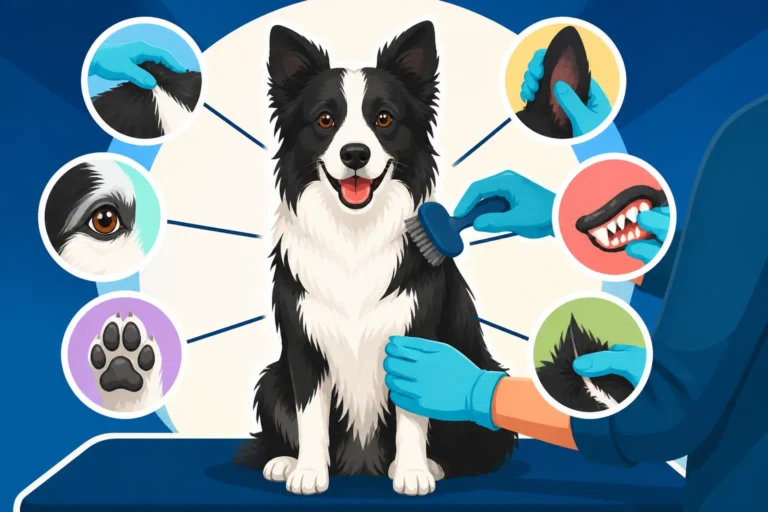
The goal isn't just to make the top coat look neat; it's to get down to the skin and remove any loose undercoat and nascent tangles before they have a chance to solidify. When you brush, ensure you are parting the hair and working in sections. Many owners make the mistake of only skimming the top layer, leaving the undercoat to silently felt and mat underneath, often hidden until it's a significant problem. Pay particular attention to the area right behind and at the base of the ears, where the finer hair grows and friction is common. Use gentle, sweeping strokes, always brushing away from the skin, not dragging against it. This helps to lift the hair and detangle it without pulling on the skin. Building a positive association with grooming from a young age will make these sessions much more pleasant for both of you.
Choosing the Right Grooming Tools
Having the right tools is just as important as the frequency of brushing. Trying to tackle a Border Collie's double coat with a flimsy brush is like trying to chop wood with a butter knife – ineffective and frustrating. You need a small arsenal of specialized tools.
Here’s what I recommend for rough-coated Border Collies:
- Slicker Brush: This is your primary weapon against loose undercoat. Look for one with fine, bent wire pins. It's excellent for removing dead hair and getting into the dense undercoat without damaging the top coat. For areas like behind the ears, a smaller, softer slicker brush might be more comfortable for your dog and easier to maneuver.
- Metal Comb (Greyhound Comb): A good quality metal comb with both wide and fine teeth is crucial for finishing and checking your work. After using the slicker brush, run the comb through the hair, especially behind the ears, starting from the tips and working your way down to the skin. If the comb snags, you know there’s a tangle that needs more attention.
- Undercoat Rake/Deshedding Tool: These tools are designed to pull out the loose, dead undercoat more efficiently, particularly during seasonal shedding. They can be incredibly effective at preventing mats before they even start. Brands like Furminator or similar deshedding rakes work wonders, but use them sparingly and gently, as over-use can irritate the skin or damage the coat.
- Detangling Spray: A good detangling spray can make brushing much easier, especially if you encounter a small knot. It lubricates the hair, allowing tangles to slip apart with less force. There are many excellent options available, and you can often find them on sites like Chewy or Amazon.
A quick table to illustrate the use cases:
| Tool | Primary Purpose | Best For | Caution |
|---|---|---|---|
| Slicker Brush | Removing loose undercoat, general detangling | Body, legs, undercoat, light tangles | Choose smaller size for delicate areas like ears; avoid scratching skin |
| Metal Comb | Finishing, checking for tangles, precise detangling | Ears, feathering, checking for missed spots | Always go slow, especially in sensitive areas; never pull |
| Undercoat Rake | Heavy deshedding, removing dense undercoat | Body, dense areas during shedding season | Use sparingly and gently; can cause irritation if overused or used on mats |
| Detangling Spray | Lubricating hair, easing knot removal | Any area with small tangles, pre-brushing | Choose dog-specific products; test a small area first |
| Mat Splitter/Dematter | Breaking up tight mats | Severe mats that cannot be brushed out | Use with extreme caution; very sharp; can cut skin; professional use preferred |
Which Brush Suits a Rough Border Collie's Coat delves deeper into brush selection. Remember, no single tool does it all, but with this combination, you'll be well-equipped.
Environmental Management to Minimize Matting
Beyond direct grooming, there are steps you can take in your Border Collie's environment to reduce matting risks. These seemingly small changes can make a big difference, especially in those delicate ear areas.
Firstly, consider their bedding. Rough, abrasive bedding can contribute to friction and matting, particularly if your dog is an active sleeper who shifts around a lot. Opt for smoother, softer bedding that reduces static and doesn't snag their coat. Regularly washing their bedding also removes dirt and dander that can otherwise get transferred back onto their coat and contribute to tangles.
Secondly, manage their outdoor exposure. While Border Collies thrive on outdoor activity, being mindful of where they play can prevent many knots. If your dog loves to zoom through tall grass, under bushes, or through wooded areas, be prepared for more frequent grooming check-ups. Burrs, twigs, and sticky seeds are notorious for getting caught in the fine fur behind the ears and quickly creating tight mats. After outdoor adventures, especially through dense vegetation, make it a habit to quickly check their ears, tail, and legs for any hitchhikers. This quick five-minute scan can save you hours of detangling later.
Lastly, be mindful of moisture. As mentioned earlier, a wet coat is a mat magnet. If your Border Collie gets wet, whether from rain, swimming, or a bath, towel-dry them thoroughly, especially behind the ears, and follow up with a gentle blow-dry on a cool setting while brushing to ensure the undercoat is completely dry and tangle-free. This helps prevent the hair from clumping together and hardening into mats as it dries. These simple environmental considerations, coupled with consistent grooming, can significantly reduce your battle against ear mats.
Safely Detangling and Removing Ear Mats
So, you’ve found a mat. Don't panic! The key here is patience and a gentle touch. Rushing in with scissors or pulling aggressively will only cause pain and potentially injure your Border Collie. Remember, their skin is incredibly delicate, especially around the ears.
Assessing the Severity of the Mat
Before you do anything, take a deep breath and assess the situation. Is it a small, loose tangle or a dense, felted mat that’s pulling on the skin? The approach differs significantly based on the severity.
For a small, loose knot, you might be able to gently tease it apart with your fingers or the fine teeth of a metal comb after applying some detangling spray. These are the easiest to manage and often occur due to a missed brushing session or a bit of debris caught in the fur.
A dense, tight mat, however, feels like a solid lump against the skin. These are often painful because they pull on the skin as your dog moves. If the mat is very close to the skin, or if the skin underneath appears red, irritated, or sore, you need to proceed with extreme caution. Never try to brush out a truly felted mat with brute force; this will only cause your dog immense pain, create a negative association with grooming, and can even tear the skin. If you suspect the mat is causing skin irritation or has a foul odor, there might be an underlying infection, and a vet visit is in order. It's about being realistic about what you can safely handle at home.
Step-by-Step Detangling with Patience and Products
Once you've assessed the mat, gather your tools: a slicker brush (perhaps a smaller one for ears), a metal comb, detangling spray, blunt-nosed scissors (if absolutely necessary for cutting into a mat, not off), and plenty of high-value treats to make this a positive experience for your dog.
- Preparation and Comfort: Find a quiet, well-lit space where your dog can be comfortable and still. Place a non-slip mat on your grooming surface. Talk to your Border Collie in a calm, soothing voice. Offer a treat to start.
- Apply Detangling Spray: Liberally spray the mat with a dog-specific detangling spray. Don't be shy. Work the spray into the mat with your fingers, trying to get it to penetrate the core of the tangle. Let it sit for a minute or two to allow the product to work its magic and lubricate the hairs. Some owners swear by a tiny bit of cornstarch on very dry mats to help break them up.
- Finger Teasing: Start by gently trying to pull apart the outermost edges of the mat with your fingers. Work from the outside in, never pulling directly on the mat itself, but rather on the individual strands you can free. This is a slow, tedious process, so be patient. If your dog shows any signs of discomfort, stop, reassure them, and try again after a short break.
- Pinpoint Brushing/Combing: Use the very tips of your slicker brush or the wide teeth of your metal comb. Start at the very end of the mat, working only a few hairs at a time, picking at the tangle. Hold the hair closer to the skin with your other hand to prevent pulling on the skin (this is called "root-guarding"). Work in tiny increments, always brushing away from the skin, gradually loosening the mat.
- Sectioning (Mat Splitting): If the mat is large and dense, but not entirely felted, you can use blunt-nosed scissors or a specialized mat splitter to carefully cut into the mat, creating smaller sections. NEVER cut across a mat, and NEVER point the scissors towards the skin. Instead, make small, vertical snips along the direction of the hair growth, essentially creating channels within the mat. This helps to break it up into more manageable pieces that can then be detangled with the comb and spray. This technique is risky and should only be used if you are confident and can see the skin clearly; if not, it’s best left to a professional.
- Praise and Reward: Throughout the entire process, lavish your Border Collie with praise and small, frequent treats. Make it a positive, albeit necessary, experience. If they get too antsy or uncomfortable, take a break. It's better to do a few short sessions than one long, traumatic one. Many good quality treats can be found on Chewy or even through services like Ollie, which focuses on fresh, healthy dog food that can also be excellent for motivation during grooming.
When to Seek Professional Help
There are definitely times when DIY mat removal is not the best course of action. Knowing when to call in the professionals can save your Border Collie from pain and you from frustration.
If you encounter a mat that is:
- Too close to the skin: If you can't get your fingers between the mat and the skin without feeling pulling, it’s a high-risk area. It’s incredibly easy to cut skin, especially around the delicate ear area, which has many blood vessels.
- Extremely dense and felted: If the mat feels like a solid brick and doesn't respond to detangling spray and gentle teasing, it’s likely too far gone for safe home removal.
- Causing pain or irritation: If your dog yelps, flinches excessively, or if you see redness, swelling, or open sores on the skin under the mat, it’s time for a vet or professional groomer. These mats are often pulling tightly, causing discomfort and potential infection.
- Your dog is too stressed: Some Border Collies simply don't tolerate extensive detangling, especially in sensitive areas. If your dog is showing extreme signs of stress, fear, or aggression during the process, forcing the issue will only make future grooming harder.
A professional groomer has specialized tools, techniques, and experience in dealing with severe matting. They can often remove mats more efficiently and with less stress to your dog. In extreme cases, they might recommend shaving the mat out, which, while not ideal for aesthetics, is often the kindest solution for your dog's comfort and health. Don't feel guilty if you need to call a pro; it means you're prioritizing your dog's well-being.
Beyond the Ears: Comprehensive Grooming for Rough-Coated Border Collies
While ear mats are a particularly vexing problem, they are often a symptom of broader grooming needs for a rough-coated Border Collie. A holistic approach to their coat care will not only prevent ear mats but keep their entire magnificent coat healthy and comfortable. Grooming a Rough-Coated Border Collie offers a broader perspective on this.
Addressing Other Common Matting Spots
The ears are just one of the prime locations for mats. Due to their double coat and high activity levels, rough-coated Border Collies are prone to matting in several other notorious spots:
- Behind the Legs/Armpits: This is another high-friction area. Every step your dog takes causes their legs to rub against their body, creating tangles. These mats can be particularly painful as they restrict movement and pull on the sensitive skin of the armpit.
- The "Feathering" on Legs and Tail: The longer hair on the back of their front and hind legs (often called "trousers") and under their tail is also prone to matting, especially if they pick up debris or get wet. Feathering on a Border Collie's Front Legs and The Trousers on a Rough Border Collie's Hind End are specific areas to keep an eye on.
- The Ruff and Collar Area: Where a collar or harness sits can create friction, leading to mats. It's important to ensure collars aren't too tight or too loose, and that harnesses fit well and don't rub excessively.
- Groin Area: The fine, delicate hair in the groin and belly area can also mat, especially if the dog frequently lies down on rough surfaces or gets wet and muddy.
Just like with the ears, regular, thorough brushing with the right tools, and an immediate check after outdoor excursions, is essential for these areas. Don't forget to lift their legs to get to the armpits and comb through their tail feathering.
The Link Between Coat Health and Overall Well-being
A healthy coat isn't just about looking good; it's a reflection of your Border Collie's overall health and well-being. A matted, unhealthy coat can lead to a host of problems, impacting your dog's comfort and even their mood.
Mats don't just pull on the skin; they can restrict blood flow and air circulation. This creates a moist, warm environment underneath the mat, which is a perfect breeding ground for bacteria and yeast infections. You might not see these infections until the mat is removed, revealing red, inflamed skin, or even open sores. These can be incredibly itchy and painful for your dog. Furthermore, mats can harbor parasites like fleas and ticks, making them harder to detect and remove.
Beyond physical discomfort, chronic matting can lead to behavioral issues. A dog that is constantly uncomfortable or in pain due to mats might become irritable, withdrawn, or even aggressive during grooming sessions. They might avoid certain movements or activities that exacerbate the pulling of the mats. A well-maintained coat, free of tangles and mats, contributes significantly to your Border Collie feeling physically comfortable and mentally content, allowing them to engage fully in their active life. Regular grooming also serves as an opportunity to perform a full-body check for any new lumps, bumps, or skin issues, which can be crucial for early detection of health problems.
Building a Positive Grooming Routine
For a high-drive, intelligent breed like the Border Collie, building a positive association with grooming is paramount. These dogs are smart and sensitive, and a traumatic grooming experience can create lasting fear and resistance.
Start early. Introduce brushes and combs to your Border Collie puppy in short, positive sessions. Let them sniff the tools, offer treats, and praise them for calm behavior. Even if you only brush for a minute, end on a good note. Over time, gradually increase the duration and intensity of the sessions. Use high-value treats and plenty of verbal praise. Make it a bonding experience, not a chore or a punishment.
Consider setting up a dedicated grooming space. This could be a sturdy table with a non-slip mat, or even a specific spot on the floor. Consistency helps your dog understand what's expected. During sessions, use a calm, reassuring voice. If your dog shows signs of stress or fear, take a break. Sometimes, a chew toy or a lick mat covered in peanut butter (if safe for your dog) can distract them during longer sessions. The goal is for your Border Collie to view grooming as a normal, perhaps even pleasant, part of their routine, rather than something to be endured. This will make your life (and theirs!) so much easier in the long run.
Long-Term Care Strategies for a Mat-Free Border Collie
Keeping a rough-coated Border Collie mat-free, especially behind the ears, isn't just about immediate fixes. It's about ongoing, holistic care that considers their diet, hydration, and even seasonal changes. Think of it as investing in their long-term coat health.
Diet and Skin Health
It might seem indirect, but what you feed your Border Collie plays a significant role in the health and quality of their coat, and by extension, its susceptibility to matting. A healthy coat is less prone to breakage, excessive shedding, and dryness, all of which contribute to mat formation.
A high-quality diet rich in essential fatty acids, particularly Omega-3 and Omega-6, is crucial. These fats contribute to skin hydration and elasticity, which in turn supports a strong, healthy hair shaft. Think of it like moisturizing your own skin – healthy skin produces healthy hair. Look for dog foods that list quality protein sources (like real meat) as the first ingredient and contain beneficial oils such as flaxseed oil or fish oil. Many premium dog food brands, including those found on Chewy or personalized meal services like Ollie, focus on ingredients that support skin and coat health.
Conversely, a diet lacking in proper nutrition can lead to a dull, dry, brittle coat that sheds excessively and is more prone to breaking and tangling. Dogs with food sensitivities or allergies might also develop skin irritation, excessive scratching, and a compromised coat, making matting worse. If you notice persistent skin issues or a poor coat despite consistent grooming, it might be worth discussing your dog's diet with your vet. Sometimes, a simple dietary change or the addition of a fish oil supplement can make a world of difference.
Hydration and Its Impact on Coat Quality
Just like diet, adequate hydration is fundamental to overall health, and this extends directly to coat quality. A well-hydrated dog will have healthier skin and a more resilient coat, making it less likely to dry out, become brittle, and tangle.
Imagine a dry, brittle twig versus a supple, green branch – which one is more likely to snap and break? The same principle applies to your dog's hair. When hair is adequately hydrated, it's more flexible and less prone to breaking and splitting, which are precursors to matting. Dry hair creates more friction against itself, making it easier for individual strands to catch and knot together.
Ensure your Border Collie always has access to fresh, clean water. For active dogs, especially those who work hard or participate in sports, monitoring their water intake is even more critical. Consider carrying a portable water bottle and bowl when you're out and about. In warmer weather or after strenuous activity, they might need extra encouragement to drink. Sometimes, adding a little water or low-sodium broth to their food can also boost their fluid intake. A Border Collie's vibrant energy means they are constantly on the go, so keeping them hydrated is key to maintaining not just their internal health but also the external health of their beautiful coat.
Seasonal Considerations for Coat Care
Border Collies, with their double coats, are highly influenced by the changing seasons, and your grooming routine needs to adapt accordingly. Understanding these seasonal shifts can significantly help in preventing mats.
- Spring "Blow-Out": This is arguably the most challenging time for mat prevention. In spring, Border Collies shed their thick winter undercoat in preparation for warmer weather. This "blowing coat" period can be intense, with large amounts of loose hair. If not thoroughly brushed out, this shedding undercoat will quickly form dense mats, especially behind the ears, in the ruff, and in the "trousers." During this time, daily, thorough brushing with an undercoat rake and slicker brush is absolutely essential. You'll be amazed at the sheer volume of hair you can remove. The Two Weeks a Border Collie Blows Its Coat goes into detail about this period.
- Summer: While the heaviest shedding might be over, summer brings its own challenges. Increased humidity can make coats more prone to clumping, and more outdoor activity means more opportunities to pick up burrs, grass seeds, and dirt. Swimming is also common, and a wet coat, especially if not dried properly, is a prime matting risk. Regular checks after outdoor adventures and thorough drying after any water exposure are key.
- Fall: As temperatures drop, your Border Collie will start to grow in their new winter undercoat. While less dramatic than the spring shed, this new growth can also create tangles if the remaining old hair isn't fully removed. Continue with regular brushing to keep the coat healthy and prepare it for winter.
- Winter: In colder climates, wet snow can clump and freeze in a Border Collie's feathering and behind their ears, forming ice balls that can pull and mat. After walks in snowy conditions, it’s vital to remove these ice balls and thoroughly dry the coat. Why a Border Collie's Toe Hair Collects Snow is a related problem. Additionally, dry indoor heat can make coats brittle, so maintaining good hydration and potentially using a moisturizing spray can be helpful.
By understanding these seasonal demands and adjusting your grooming routine, you can proactively tackle the challenges they present and keep your rough-coated Border Collie's ears (and the rest of their coat!) mat-free and comfortable year-round. It’s a commitment, but one that ensures your loyal companion remains happy, healthy, and ready for whatever adventure comes next.
Disclaimer
This article is for general informational purposes only and does not constitute professional advice. Laws, prices and regulations vary by location and change over time. Consult a qualified professional for guidance on your specific situation.