Weather Protection on a Smooth-Coated Border Collie
It's a common misconception that because Border Collies are bred for tough, outdoor work and possess boundless energy, they're automatically impervious to all weather conditions. While their drive is legendary, it doesn't mean their bodies are immune to the elements, especially for our wonderful smooth-coated friends. Many owners fret about keeping their energetic smooth-coated Border Collie comfortable and safe, whether it's battling biting winds, soaking rain, or blistering summer heat. This guide will walk you through everything you need to know to provide proper weather protection, ensuring your dog stays healthy and happy in any season.
The Smooth-Coated Border Collie: Understanding Their Natural Protection
When we talk about Border Collies, many people immediately picture the classic rough-coated dog, with its flowing mane and feathery tail. But a significant portion of the breed carries the smooth coat gene, and these dogs have vastly different needs when it comes to weather protection. It's crucial to understand these distinctions so you can provide the best care.
What Defines a Smooth Coat
A smooth-coated Border Collie boasts a short, sleek, and often dense coat that lies close to the body. Unlike their rough-coated counterparts, they lack the long guard hairs and extensive feathering on their legs, chest, and tail. Their fur might feel coarse to the touch, but it's typically much shorter, making them appear more streamlined. This coat type is perfectly natural and just as "purebred" as the rough coat; it's simply a genetic variation within the breed. Some smooth coats might have a slightly thicker undercoat than others, but generally, it's less pronounced than in rough coats, offering less bulk for insulation. The Smooth-Coated Border Collie and What Its Coat Needs goes into more detail about their specific grooming requirements.
The Pros and Cons of Shorter Fur
While a smooth coat can be a dream for quick-drying after a swim or brushing off mud, it comes with its own set of challenges, particularly concerning weather. On the plus side, smooth coats generally shed less noticeably (though they do shed!), collect fewer burrs and debris from the field, and require less extensive grooming. Whether a Smooth Border Collie Sheds Less is a common question among owners. However, the lack of a long, protective outer layer means less natural insulation against cold temperatures and less barrier against direct sun exposure. They can get wet to the skin much faster in rain or snow, which dramatically increases the risk of chilling, and their skin is more exposed to harmful UV rays. This means you, as their dedicated owner, need to be much more proactive in providing external protection to compensate for their natural limitations.
Battling the Chill: Cold Weather Protection Strategies
Winter brings its own kind of magic, but for a smooth-coated Border Collie, it can also bring serious health risks if not properly managed. Their shorter coat simply doesn't offer the same buffer against dropping temperatures, icy winds, and snow.
Assessing Your Border Collie's Cold Tolerance
It's tempting to think your Border Collie, with all its energy, can just "power through" the cold. But a smooth-coated dog can actually feel the chill much more quickly than you might imagine. Factors like their age, body fat, health, and activity level all play a role in how well they tolerate cold. A young, fit dog might handle a quick dash in freezing temperatures better than an older, leaner, or medically compromised dog. However, even the toughest Border Collie is susceptible to hypothermia, especially when wet. Look for signs of shivering, hunching, reluctance to move, or trying to seek shelter. If you're cold, chances are your smooth-coated Border Collie is, too. Remember, their drive often means they'll keep working even when their body is signaling discomfort, making it essential for you to recognize their limits. Whether a Smooth Border Collie Feels the Cold is something many new owners grapple with.
Choosing the Right Winter Gear
When the mercury drops, a good quality dog coat isn't just a fashion statement for a smooth-coated Border Collie; it's a necessity. You'll want something that provides both insulation and wind protection. Look for coats with a warm fleece lining or synthetic insulation that can trap body heat. A waterproof or highly water-resistant outer shell is also key, as wet fur loses its insulating properties rapidly. Think about the fit: it should cover their back from neck to tail base and offer good coverage around the chest and belly without restricting movement. Brands like Ruffwear, Hurtta, and Kurgo offer excellent options designed for active dogs, which you can often find on Chewy or Amazon. For deep snow or extended outdoor time, consider a full-body suit that protects their legs and belly, preventing snow from packing into their fur and causing discomfort or frostbite. When picking out gear, always consider the specific conditions you'll be facing – a light fleece might be fine for a brisk walk, but a heavily insulated, waterproof coat is essential for a day out in A Border Collie Working in Winter Conditions.
Protecting Paws from Winter's Bite
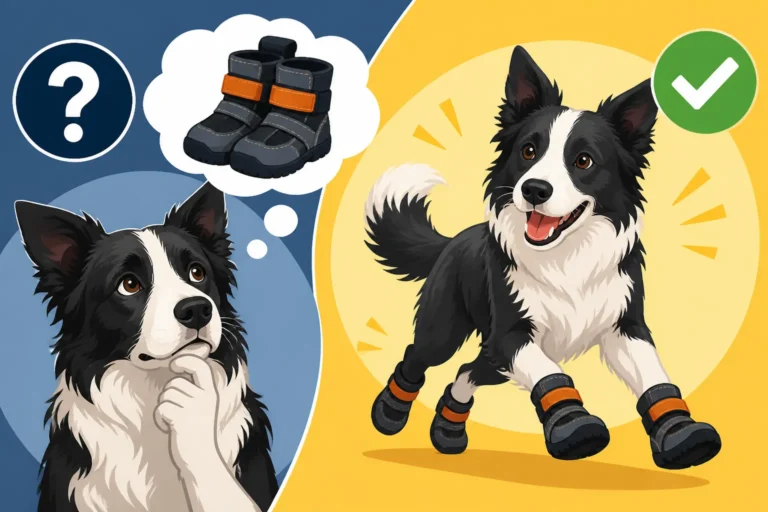
The cold doesn't just affect the body; it impacts paws significantly. Icy ground, sharp ice shards, and especially de-icing chemicals like salt can cause painful cracks, chemical burns, and frostbite on sensitive paw pads. Dog booties are a game-changer here. It takes a little training to get your Border Collie used to them, but the protection they offer is invaluable. Look for durable, waterproof booties with good traction. Even if you don't use booties, a paw balm applied before and after walks can create a protective barrier and help heal chapped pads. Always wipe your dog's paws thoroughly after coming inside, paying special attention to the areas between the pads and toes, to remove any salt or grit. This also helps prevent Ice Balls in a Border Collie's Feathered Feet, though smooth coats are less prone to this than rough coats.
Staying Dry: Rain, Sleet, and Snow Solutions
Getting thoroughly soaked can quickly lead to a dangerously chilled dog, particularly for a smooth-coated Border Collie whose fur doesn't hold much air for insulation. Preventing them from getting wet in the first place, or drying them efficiently afterward, is critical.
The Importance of Water-Resistant Layers
A lightweight, waterproof or highly water-resistant jacket is an absolute must-have for any smooth-coated Border Collie living in a climate with frequent rain, sleet, or wet snow. Unlike a rough coat that might shed some water, a smooth coat allows moisture to penetrate quickly to the skin, chilling your dog rapidly, especially in windy conditions. Look for jackets made from technical fabrics that repel water but are also breathable enough to prevent overheating during active sessions. Features like adjustable closures, reflective strips for visibility, and a design that allows for full range of motion are important. Brands like Hurtta and Ruffwear offer fantastic raincoats that are durable and designed for serious activity. These can be easily found on retailers like Chewy or Amazon, giving you plenty of options to keep your active companion dry during a sudden downpour or a long, misty day out.
Drying Off After Wet Adventures
Even with the best waterproof gear, sometimes your Border Collie is going to get wet. Maybe they found a puddle, dove into a stream, or the rain simply outlasted their gear's efficacy. The key then becomes drying them quickly and thoroughly to prevent a lingering chill. Keep absorbent towels handy, especially in your car or by the door. Microfiber towels are excellent for their fast-drying properties. For dogs that get really soaked, a specialized dog drying robe can be a lifesaver, essentially hugging them dry. If you have a mild, draft-free area, letting them air dry in a warm spot is an option, but never in a cold, damp, or drafty environment. A low-heat blow dryer (specifically designed for pets, or set on a cool/low setting) can speed things up, but be mindful of the noise and temperature. Always ensure they are completely dry, particularly on their belly and chest, before they settle down or go back out into the cold. This fastidious drying routine is paramount to preventing hypothermia after a wet outing.
Beating the Heat: Summer Safeguards
While cold weather might seem like the bigger challenge for a smooth-coated Border Collie, hot weather presents equally, if not more, dangerous risks due to their intense drive and susceptibility to overheating.
Recognizing Overheating Risks
Border Collies, regardless of coat type, are highly prone to overheating because of their relentless work ethic. They often don't self-regulate, pushing themselves past safe limits, especially when engaged in their favorite activities like herding or fetching. For smooth-coated dogs, while they don't have a thick coat to contend with, their short fur offers less protection from direct sun, and black-coated dogs absorb more heat. Signs of overheating include excessive panting (much more than usual, deep and rapid breaths), drooling, bright red gums, staggering, weakness, vomiting, or diarrhea. In severe cases, they might collapse. Heat Stroke in a Border Collie That Kept Working is a very real and serious danger that demands immediate attention. Always keep a close eye on your dog's energy levels and panting patterns. Reading a Border Collie's Panting After Hard Work can give you clues.
Cooling Solutions for Active Days
Preventing overheating is far easier than treating it. On hot days, adjust your schedule to walk or train your smooth-coated Border Collie during the coolest parts of the day – early morning or late evening. Always provide access to fresh, cool water; consider carrying a portable water bottle and bowl on outings. Cooling vests and bandanas are excellent tools. These work by absorbing water and then slowly releasing it through evaporation, drawing heat away from your dog's body. Cooling Coats and Vests for a Border Collie are widely available from brands like Ruffwear and Arctic Cool, which you can easily find at pet retailers or online through sites like Amazon. For short-haired dogs with lighter coats, direct sun can be an issue, so seeking shade is crucial. A light, breathable T-shirt made of technical fabric can offer some sun protection without adding much heat, especially for dogs with light-colored or thin fur.
Sun Protection for Sensitive Skin
Just like humans, dogs can get sunburned, especially those with short, thin fur, light-colored coats, or exposed skin on their noses, ear tips, and bellies. Smooth-coated Border Collies with less dense fur or lighter pigmentation are particularly vulnerable. Sunburn can be painful and increases the risk of skin cancer over time. While you can't slather human sunscreen on your dog (many ingredients are toxic if ingested), there are dog-specific sunscreens available. These are typically zinc oxide-free and formulated to be safe. Alternatively, protective clothing, like lightweight, UV-protective shirts, can offer a physical barrier without trapping too much heat. Most importantly, limit their exposure during peak sun hours (usually 10 AM to 4 PM) and always provide ample shade when they are outdoors. If your Border Collie has very light fur on their nose or ears, discussing safe sun protection options with your vet is a wise step.
Essential Gear and Practical Tips for All Seasons
Having the right gear is only half the battle; knowing how to choose it and use it effectively makes all the difference in providing comprehensive weather protection for your smooth-coated Border Collie.
Material Matters: What to Look For
When investing in weather protection gear for your smooth-coated Border Collie, the materials used are paramount. For cold weather, prioritize insulation. Fleece, wool blends, or synthetic insulated fabrics like Thinsulate are excellent for trapping warmth. The outer shell should ideally be waterproof or at least highly water-resistant to repel rain and snow, often made from nylon or polyester with a DWR (Durable Water Repellent) finish. Breathability is also important to prevent your dog from getting clammy or overheating during activity. For hot weather, look for lightweight, breathable fabrics that wick moisture, such as mesh, light cotton blends, or specialized cooling fabrics that enhance evaporative cooling. When it comes to paw protection, rubber, neoprene, or tough synthetic materials are best for booties, providing grip and a barrier against the elements. Always consider durability, as an active Border Collie will put their gear to the test. Many high-quality options from brands like Ruffwear, Hurtta, and Kurgo can be found on online retailers such as Amazon and Chewy, making it easy to compare features and materials.
Fitting Gear for Comfort and Function
Even the best coat or pair of booties is useless if it doesn't fit properly. An ill-fitting item can restrict movement, cause chafing, or fail to provide adequate protection. When trying on a coat, ensure it covers the majority of your smooth-coated Border Collie's back without being too long that it interferes with their tail. The chest and belly straps should be snug but allow for two fingers to slip underneath comfortably, preventing rubbing. Leg holes, if present, should be generous enough for full range of motion. For booties, a proper fit is crucial. They should be secure enough not to slip off, but not so tight they cut off circulation. Measure your dog's paws carefully and check the manufacturer's sizing guide, as sizes can vary greatly between brands. Always test new gear during a short, low-stakes outing first, rather than on a long hike, to ensure it doesn't cause any discomfort or issues. A well-fitting piece of gear allows your dog to move naturally and focus on their task, whether that's working sheep or enjoying a hike.
Maintenance and Safety Considerations
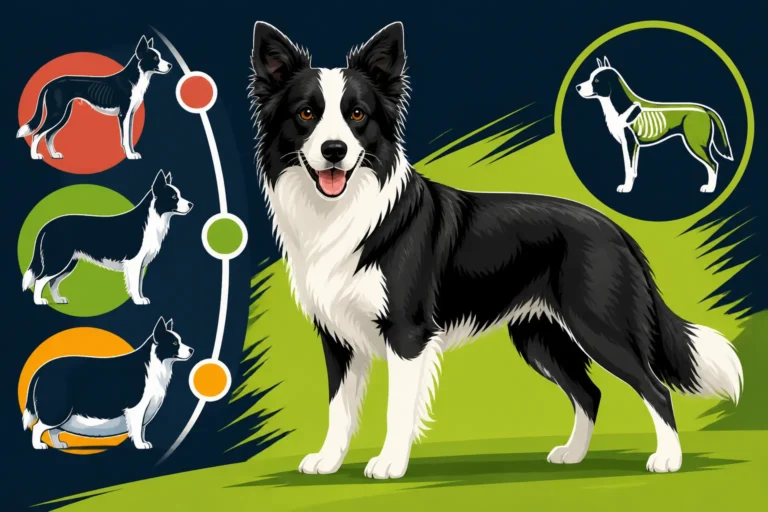
Proper maintenance of your Border Collie's weather gear ensures its longevity and effectiveness. Follow washing instructions carefully; many technical fabrics require specific care to maintain their waterproofing or cooling properties. Regularly inspect all gear for wear and tear, loose straps, or damaged seams that could compromise safety or function. Beyond the gear itself, always prioritize your dog's overall health as a crucial aspect of weather protection. Ensure they are well-hydrated, especially in hot weather, and adequately fed to maintain a healthy body condition. A dog that is too thin will struggle more with cold. After any outdoor activity, especially in extreme weather, perform a thorough check of your Border Collie. Look for cuts, scrapes, pad injuries, or any signs of discomfort. Checking a Border Collie Over After Field Work is a vital routine. Never leave your dog unattended while wearing coats or booties for extended periods, as they can get tangled or cause overheating in changing conditions. For smooth-coated dogs, their inherent drive means they might not show signs of distress until it's severe, making your vigilance and proactive approach to weather protection absolutely essential. Don't forget their overall paw health, including How Often a Border Collie's Nails Need Cutting, as healthy paws are more resilient.
Disclaimer
This article is for general informational purposes only and does not constitute professional advice. Laws, prices and regulations vary by location and change over time. Consult a qualified professional for guidance on your specific situation.