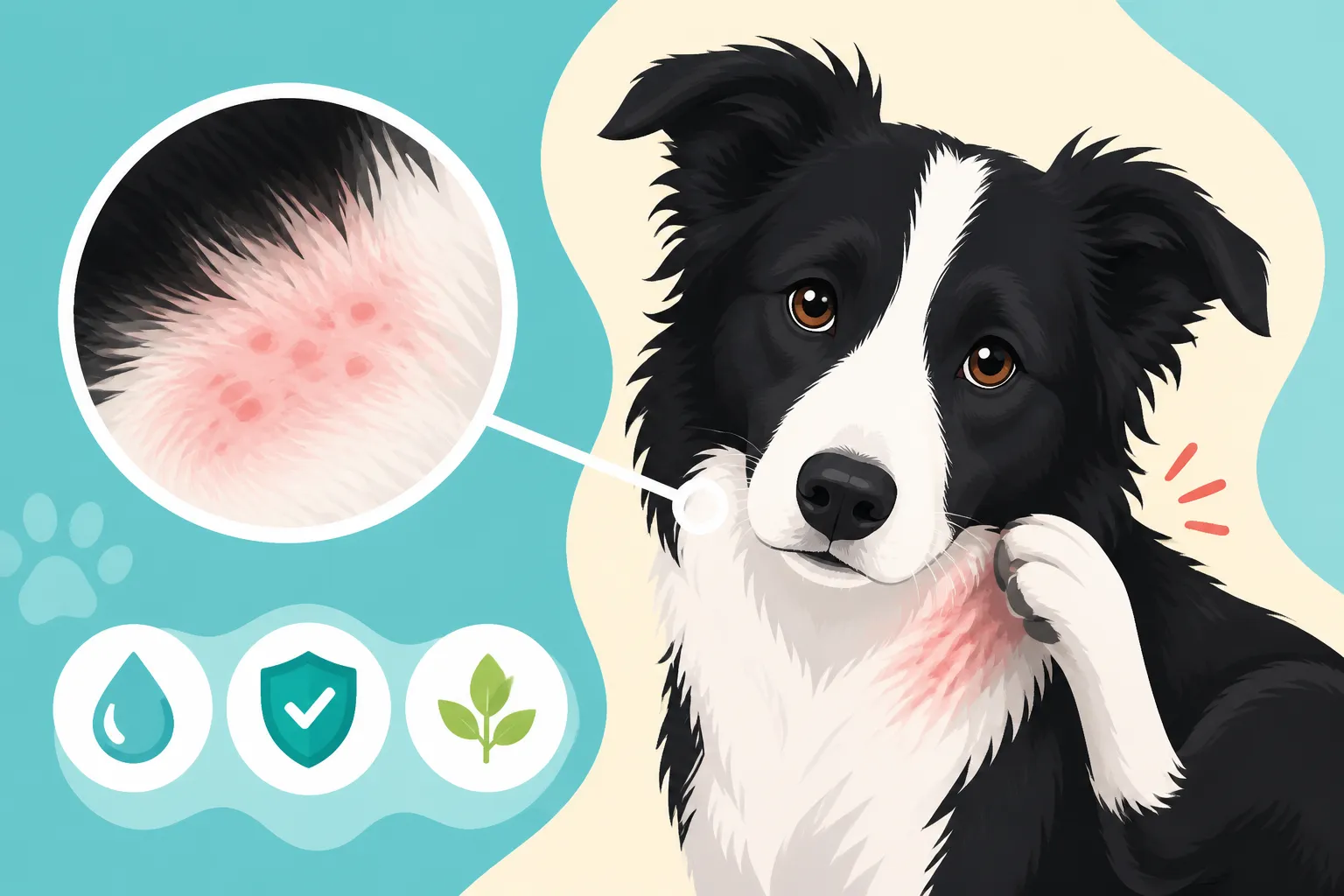
Sensitive Skin in a Border Collie
It's heartbreaking to see your usually vibrant Border Collie constantly scratching, licking, or rubbing themselves raw, isn't it? That intense itch can turn a happy, energetic companion into a miserable pup, leaving you feeling helpless and frustrated. This guide will dive deep into understanding sensitive skin in Border Collies, exploring common causes, practical management strategies, and when it’s time to call in the professionals to bring your furry friend relief.
Understanding Why Border Collies Get Sensitive Skin
Border Collies are renowned for their intelligence, athleticism, and beautiful coats, but sometimes, those very traits can contribute to skin sensitivities. Owners often wonder why their otherwise healthy, active dog suddenly develops an incessant itch or angry red patches. It's not uncommon, and it can stem from a complex interplay of genetic predispositions, their environment, and what they consume daily. Unraveling these factors is the first step toward finding relief for your beloved companion.
Genetic Predispositions and Breed Traits
While Border Collies are generally robust dogs, like any breed, they have certain genetic leanings that can make them more prone to specific issues, including skin conditions. Their dense double coat, designed for working in harsh conditions, can, paradoxically, become a breeding ground for problems if not properly maintained. This thick fur can trap allergens, moisture, and parasites close to the skin, exacerbating irritation. Think about a hot, humid summer day; that thick coat that keeps them warm in winter can easily lead to dampness and heat trapping, which is a perfect recipe for skin inflammation and secondary infections. Furthermore, there's a growing understanding that certain lines might carry a higher genetic susceptibility to allergies or autoimmune skin conditions. It's always a good idea to know your dog's lineage and to talk to your breeder about any known health issues in their lines. This kind of transparency helps prepare you, the owner, for potential challenges and underscores the importance of a comprehensive The Border Collie Genetic Panel and What It Screens for breeders.
Environmental Factors and Seasonal Irritants
Our Border Collies spend a lot of time outside, whether it's working stock, tearing around an agility course, or just enjoying a long walk through the park. This exposure means they're constantly encountering environmental allergens and irritants. Pollen from trees, grasses, and weeds is a huge culprit, often leading to seasonal allergies that manifest as itchy skin rather than sneezing eyes in dogs. Dust mites, mold spores, and even certain household cleaning products or air fresheners can also trigger reactions. Imagine your dog rolling around in freshly mowed grass, only to come inside and start frantically licking their paws and belly. That's a classic sign of contact dermatitis or environmental allergies kicking in. The ground they walk on, the fields they run through, and even the carpet in your home can all harbor microscopic invaders that turn your dog's world into an itchy nightmare. This isn't just about comfort; prolonged exposure can lead to chronic skin damage, thickening, and darkening of the skin, and a dull, unhealthy coat.
Dietary Influences and Sensitivities
What goes into your Border Collie's bowl plays a monumental role in their overall health, including their skin and coat. It's a common misconception that all dog food is created equal. Poor-quality ingredients, common allergens like chicken, beef, dairy, wheat, and soy, or even just an imbalance of nutrients can contribute significantly to sensitive skin. You might be feeding a large quantity to a highly active dog, perhaps following a guide like Feeding a Border Collie That Works Two Hours a Day, but if the ingredients themselves are problematic, the skin will suffer. Sometimes, it's not a full-blown allergy but rather a sensitivity that causes a low-grade inflammatory response, leading to a dull coat, dry flaky skin, and persistent itching. A diet lacking in essential fatty acids, particularly Omega-3s, can also leave the skin barrier compromised and less able to fend off environmental threats. Owners often spend a fortune on topical treatments when the real solution might be as simple as changing the food in their dog's bowl.
Identifying the Specific Triggers
Pinpointing the exact cause of your Border Collie's sensitive skin can feel like detective work. Is it something they ate? Something they touched? Or something in the air? This crucial step requires careful observation and, often, a partnership with your veterinarian to conduct diagnostic tests. Without identifying the specific trigger, you might find yourself constantly putting out fires instead of preventing them.
Food Allergies Versus Sensitivities
Distinguishing between a food allergy and a food sensitivity is critical. A true food allergy involves an immune system response, often causing immediate and severe symptoms like hives, facial swelling, or gastrointestinal upset, in addition to skin issues. A food sensitivity, on the other hand, is usually a more gradual, non-immune response that often manifests primarily as chronic itching, ear infections, or paw chewing. For Border Collies, common food allergens include certain proteins and grains. The most reliable way to diagnose a food allergy or sensitivity is through an elimination diet. This involves feeding a novel protein (one your dog has never eaten before, like duck or venison) and a novel carbohydrate source for at least 8-12 weeks, strictly avoiding all other foods, treats, and flavored medications. During this period, if symptoms resolve, you then reintroduce ingredients one by one to identify the culprit. This process requires immense patience and diligence, but it's often the most effective method to understand exactly what your dog can and cannot tolerate in their diet.
Environmental Allergies Atopy
Environmental allergies, medically known as atopy or atopic dermatitis, are incredibly common in Border Collies and can be a huge source of discomfort. Unlike food allergies, atopy is typically triggered by airborne particles like pollen, dust mites, and mold spores, which are absorbed through the skin. Symptoms often include generalized itching, particularly around the paws, face, ears, and belly. If your Border Collie is constantly chewing their paws or scratching their ears, even when there are no fleas in sight, atopy is a strong suspect. These allergies can be seasonal, flaring up in spring or fall when pollen counts are high, or perennial if the trigger is something like dust mites. The persistent itching can lead to secondary bacterial or yeast infections, making the problem even worse. While you can't eliminate all allergens from the environment, understanding these triggers can help you implement strategies to minimize exposure and manage symptoms. This often requires a multi-faceted approach, combining environmental control with veterinary treatments. If left unmanaged, chronic atopy can significantly impact your dog's quality of life and lead to a host of other skin issues, including a higher incidence of Hot Spots on a Border Collie.
Other Common Irritants and Infections
Beyond allergies, several other factors can cause sensitive skin and discomfort in Border Collies. Fleas are a huge one; even a single flea bite can trigger a severe allergic reaction in dogs with flea allergy dermatitis (FAD), leading to intense itching, especially at the base of the tail. Regular flea and tick prevention is absolutely essential, particularly for active dogs who spend a lot of time outdoors in varied terrains. Mites, like scabies or demodex, can also cause intense itching and hair loss. Then there are bacterial and yeast infections, which often occur as secondary issues when the skin barrier is compromised by allergies or excessive licking. These infections can cause redness, scabbing, a greasy coat, and a distinct odor. A Border Collie with Ear Infections Under a Border Collie's Folded Ear might also have underlying skin allergies. Contact dermatitis, as mentioned, can result from exposure to irritating substances like certain chemicals in cleaning products, fertilizers, or even some types of bedding. Regular, thorough checks, perhaps as part of The Weekly Once-Over a Working Border Collie Gets, can help catch these issues early before they escalate into more significant problems.
Effective Management Strategies
Once you have a better understanding of what might be causing your Border Collie's sensitive skin, the next step is implementing a proactive management plan. This isn't usually a one-and-done solution; rather, it's an ongoing commitment to a holistic approach that often involves diet, grooming, environmental adjustments, and sometimes, medical intervention. The goal is to reduce discomfort, prevent flare-ups, and improve your dog's overall skin health.
Dietary Adjustments and Supplements
If food allergies or sensitivities are suspected, a carefully chosen diet is paramount. Working with your vet, you might explore prescription hypoallergenic diets, which use hydrolyzed proteins (proteins broken down into molecules too small to trigger an immune response) or novel protein diets. Many over-the-counter "sensitive skin" formulas exist, but it's crucial to ensure they truly contain ingredients your dog hasn't been exposed to if you're trying to rule out allergens. Beyond eliminating triggers, supplementing with essential fatty acids, particularly Omega-3s (EPA and DHA), can significantly bolster skin health. These fatty acids have anti-inflammatory properties, help maintain skin barrier integrity, and promote a healthy, shiny coat. You can find them in fish oil supplements or diets enriched with sources like salmon, flaxseed, or anchovies. Probiotics can also be beneficial, as gut health is intricately linked to skin health and immune function. Always introduce new supplements gradually and discuss them with your vet to ensure they're appropriate for your individual Border Collie, especially if they are on any other medications.
Grooming and Coat Care
Proper grooming is an indispensable part of managing sensitive skin, especially for a breed with a dense double coat. Regular bathing with a veterinarian-recommended medicated or hypoallergenic shampoo can help remove allergens, soothe irritated skin, and treat secondary infections. However, bathing too frequently or using harsh shampoos can strip the skin of its natural oils, worsening dryness and irritation. Your vet can advise on the right frequency and product for your dog's specific condition. For rough-coated Border Collies, consistent brushing, as detailed in guides like Grooming a Rough-Coated Border Collie, is vital to remove loose undercoat, prevent matting (which can trap moisture and debris), and stimulate circulation. Even smooth-coated Border Collies benefit from regular brushing to distribute natural oils and remove dead hair. After walks or outdoor activities, especially during allergy season, wiping down your dog's paws and belly with a damp cloth or pet-safe wipe can remove pollen and other irritants before they have a chance to settle on the skin. This simple step can make a world of difference in reducing their allergen load.
Environmental Control and Lifestyle Tweaks
Minimizing exposure to environmental triggers is key. If your Border Collie is allergic to dust mites, regular vacuuming (with a HEPA filter) and washing bedding in hot water can help. Investing in an air purifier for rooms where your dog spends a lot of time can also reduce airborne allergens. For pollen allergies, try to walk your dog in the early morning or late evening when pollen counts are typically lower. Keep windows closed and use air conditioning during peak pollen times. Be mindful of chemicals used in your home or yard; switch to pet-safe cleaning products and avoid walking your dog in areas recently treated with pesticides or herbicides. If your dog loves to swim, ensure they are thoroughly dried, especially in their dense undercoat, to prevent moisture-related skin issues. Some Border Collies might even find relief from wearing a light t-shirt or vest during walks to create a barrier against direct contact with grass or pollen, which can also help prevent issues that lead to Allergies in a Border Collie. These small, consistent changes in routine can significantly reduce the burden on your dog's sensitive skin.
Medical Interventions and Veterinary Care
Sometimes, despite your best efforts with diet and environmental control, your Border Collie's sensitive skin still requires medical attention. Your veterinarian might prescribe medications to control itching, such as antihistamines, corticosteroids, or newer targeted therapies like Apoquel or Cytopoint. These medications can provide much-needed relief from severe itching, allowing the skin to heal and preventing self-trauma. If a secondary bacterial or yeast infection is present, oral antibiotics or antifungals, along with medicated shampoos, will be necessary. Allergy testing (blood tests or intradermal skin testing) might be recommended to identify specific environmental allergens, which can then inform immunotherapy – a series of allergy shots or oral drops designed to desensitize your dog to those allergens over time. This can be a long-term solution that significantly reduces the need for other medications. When dealing with chronic skin issues, the costs for diagnostics, special diets, and long-term medications can quickly add up. This is where a robust pet insurance plan can be invaluable. Many Border Collie owners find comfort in knowing that a good policy, perhaps from providers like Healthy Paws, can help alleviate the financial burden of managing ongoing health challenges, allowing you to focus on your dog's well-being without constant worry about the vet bill. It’s also important to remember that skin issues can sometimes be a symptom of a larger internal problem, such as hormonal imbalances. For instance, Coat Loss in a Border Collie With Thyroid Trouble can be a sign that a thyroid check is in order, as this condition can directly impact skin and coat health.
Here's a quick overview of common symptoms and their potential causes:
| Symptom | Common Causes (Border Collie Specific) | What to Look For |
|---|---|---|
| Persistent Scratching/Licking | Allergies (food, environmental), Fleas, Mites | Redness, hot spots, hair loss, scabs |
| Red, Inflamed Skin | Allergies, Yeast Infections, Contact Dermatitis | Moist skin, strong odor, scaling |
| Hair Loss/Thinning Coat | Allergies, Hormonal Imbalance (e.g., thyroid) | Patchy hair loss, dull coat, dry skin |
| Chewing Paws | Environmental Allergies, Yeast Infections, Pain | Red paws, swelling, brown staining (from saliva) |
| Ear Infections | Allergies, Yeast Overgrowth | Head shaking, ear discharge, odor, redness in ear canal |
| "Hot Spots" (Acute Moist Dermatitis) | Fleas, Allergies, Self-Trauma from scratching | Rapidly developing red, wet, painful lesions |
| Dry, Flaky Skin | Environmental factors, Nutritional Deficiencies | Dandruff, dull coat, overall dryness |
When to Consult Your Veterinarian
While many mild skin irritations can be managed with at-home care, there are definite signs that indicate it’s time to bring in the professionals. Ignoring persistent skin problems can lead to more severe infections, chronic discomfort for your dog, and more complicated, expensive treatments down the road. Your vet is your best partner in navigating the complexities of canine dermatology.
Recognizing Red Flags
It can be tempting to wait and see if a skin issue resolves on its own, but certain symptoms should prompt an immediate call to your vet. If your Border Collie is scratching, licking, or chewing themselves raw to the point of causing open sores, bleeding, or significant hair loss, that's a red flag. Any signs of pain, such as whining when touched, limping, or lethargy accompanying the skin issues, warrant prompt attention. A strong, foul odor emanating from the skin, a greasy or extremely dry coat, or the presence of pus or discharge are all indicators of a potential infection that requires medical treatment. Swelling of the face, hives, or difficulty breathing (though less common for skin issues, it can happen with acute allergic reactions) are emergencies. Also, if your dog's behavior has significantly changed—they're irritable, withdrawn, or obsessive about licking—it could be a sign of chronic pain and discomfort from their skin condition. Remember, your Border Collie can’t tell you how bad it feels, so it’s up to us to recognize the signs of their distress. Ensuring that you have a The Border Collie Genetic Panel and What It Screens performed can also offer insights into potential underlying predispositions.
Diagnostic Processes and Long-Term Care
When you visit the vet for sensitive skin, expect a thorough examination and potentially several diagnostic tests. They will likely start with a full physical exam, looking for fleas, mites, and any visible skin lesions. They might perform a skin scraping to check for microscopic mites, a fungal culture to rule out ringworm, or cytology (taking a sample of skin cells with tape or a swab) to identify bacterial or yeast overgrowth. Blood tests might be recommended to check for underlying systemic issues, such as thyroid imbalances, as discussed with Why a Border Collie's Drive Drops With Its Thyroid, which can manifest as skin problems. If allergies are suspected, your vet might recommend an elimination diet or allergy testing. The initial diagnosis can take time and multiple visits, which highlights why having pet insurance from a reputable provider, such as Healthy Paws, can be incredibly beneficial. It helps cover the costs of these crucial diagnostic tests and the ongoing management of chronic conditions. Even after a diagnosis, managing sensitive skin is often a long-term commitment. This might involve a combination of prescription medications, specialized diets, medicated shampoos, and consistent home care. Regular follow-up appointments are essential to monitor your dog's progress, adjust treatments as needed, and ensure they remain as comfortable and itch-free as possible. Don't be afraid to ask questions and advocate for your Border Collie; you are their voice and their biggest champion.
Disclaimer
Please remember that the information provided in this guide is for informational purposes only and does not constitute veterinary advice. Always consult with a qualified veterinarian for any health concerns or before making any decisions about your Border Collie's medical care or treatment plan.