Border Collie Collapse and What Sets It Off
It's an utterly terrifying moment for any Border Collie owner: your normally tireless dog, full of boundless energy, suddenly falters during a game of fetch or a herding session. They start to wobble, their hind legs give out, and they collapse, often looking distressed but fully aware of what's happening. This bewildering and frightening condition is known as Border Collie Collapse (BCC), and it leaves many owners feeling helpless and confused. This comprehensive guide will help you understand precisely what Border Collie Collapse is, what sets it off, how to manage an episode, and crucial steps to take for your dog's long-term well-being.
Demystifying Border Collie Collapse
When your Border Collie, a breed renowned for its endurance and drive, suddenly loses control of its limbs and collapses, it's natural to assume the worst. However, Border Collie Collapse is a specific neurological condition that, while alarming, has distinct characteristics that differentiate it from other serious health crises. It’s a temporary loss of muscle coordination, primarily affecting the hind limbs, but can sometimes extend to all four.
What Exactly Happens During an Episode?
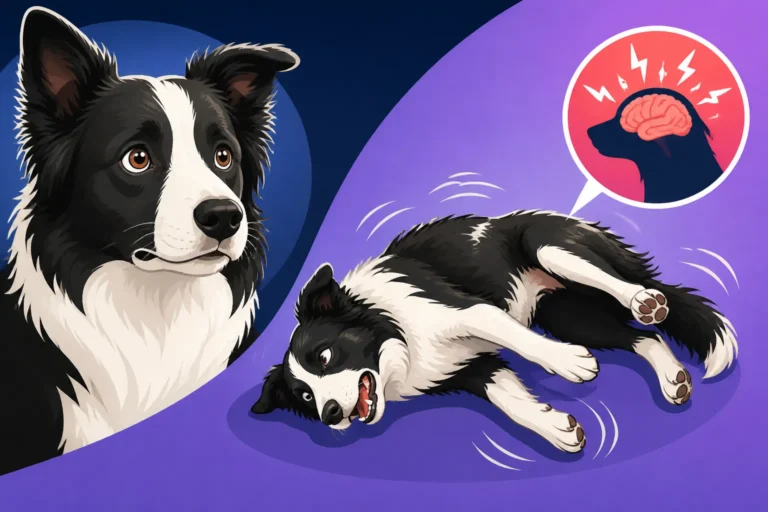
A typical Border Collie Collapse episode unfolds in a predictable, albeit distressing, sequence. It usually begins during or shortly after a period of intense exercise, particularly high-excitement activities. Your dog might first show a subtle change in gait, almost as if they're stumbling or dragging their hind feet. This quickly progresses to noticeable weakness in the back legs, a distinct "wobbling gait" where they struggle to maintain balance. The hindquarters might appear to "give out" completely, leading to a collapse.
During this time, the dog is typically conscious and alert, often trying to right themselves or look at you with an expression of confusion or mild panic. They are not fainting; their brain is still functioning, but the neural pathways controlling their movement temporarily fail. Their body temperature and heart rate generally remain normal, though they might pant excessively due to anxiety or residual exertion. The duration can vary, from a few minutes to half an hour, and then, as suddenly as it began, the dog starts to recover, usually able to walk again after a period of rest. It's a surreal experience to witness, leaving owners bewildered by the sudden transformation from an energetic athlete to a helpless, struggling companion. Understanding precisely What a Border Collie Collapse Episode Looks Like can help owners recognize it swiftly.
Distinguishing BCC from Other Conditions
One of the biggest challenges for owners and veterinarians alike is differentiating Border Collie Collapse from other, often more serious, medical conditions that present with similar symptoms. The initial signs can mimic several other health issues, making accurate diagnosis critical.
Heatstroke: This is a common misconception. While BCC episodes can be exacerbated by heat, they are not caused by heatstroke. Dogs suffering from heatstroke will have a dangerously elevated body temperature (often above 105°F or 40.5°C), bright red gums, excessive drooling, and often disorientation or loss of consciousness. A Border Collie with BCC, conversely, usually maintains a normal or only slightly elevated body temperature, remains conscious, and recovers relatively quickly with rest, even if not aggressively cooled. This distinction is crucial, as highlighted in discussions around Ruling Out Heat Before Calling It Border Collie Collapse.
Seizures/Epilepsy: Another condition often confused with BCC is epilepsy. A seizure involves uncontrolled electrical activity in the brain, leading to involuntary muscle contractions, paddling of limbs, drooling, vocalization, and often a loss of consciousness. Dogs typically enter a "post-ictal" phase after a seizure, characterized by disorientation, aimless wandering, and sometimes temporary blindness. A Border Collie experiencing collapse remains mentally aware throughout the episode and does not typically exhibit the violent, uncontrolled thrashing or loss of awareness associated with a true seizure. You can delve deeper into the differences by reading about Telling Border Collie Collapse From a Seizure.
Hypoglycemia (Low Blood Sugar): While intense exercise can sometimes lead to low blood sugar, it is rarely the cause of BCC. Dogs with hypoglycemia might appear weak, disoriented, or even collapse, but they typically respond quickly to sugar administration. Blood tests during or immediately after a BCC episode typically show normal blood glucose levels, confirming it's not a metabolic issue related to sugar, as discussed in Blood Sugar and Electrolytes in Border Collie Collapse.
Other Neurological or Orthopedic Issues: Conditions like hip dysplasia, disc disease, or even certain cardiac issues can cause exercise intolerance or hind limb weakness. However, these conditions generally manifest with consistent lameness, pain, or exercise limitation that doesn't resolve as quickly or completely as a BCC episode. The episodic, collapse-and-recover nature of BCC is quite distinctive.
To help illustrate these differences, here's a quick comparison:
| Symptom / Condition | Border Collie Collapse (BCC) | Heatstroke | Seizure | Hypoglycemia |
|---|---|---|---|---|
| Trigger | Intense/Exciting Exercise | High Temp/Humidity, Overexertion | Various (Epilepsy, toxins, etc.) | Lack of food, metabolic issues |
| Consciousness | Conscious, Alert | Disoriented, Unconscious | Unconscious | Disoriented, Weak, Unconscious |
| Body Temp. | Normal to Mildly Elevated | Severely Elevated (>105°F) | Normal to Mildly Elevated | Normal |
| Recovery | Quick (minutes to 30 mins) with rest | Protracted, potentially fatal, requires aggressive cooling | Minutes, followed by post-ictal confusion | Rapid with sugar administration |
| Gait | Wobbly, hind limb weakness, collapse | Stumbling, collapse, uncoordinated | Violent paddling, rigid | Weak, unsteady, collapse |
| Key Differentiator | Mental awareness, normal blood work (glucose, electrolytes) during collapse, rapid return to normal | Extreme hyperthermia, red gums, usually prolonged recovery | Loss of consciousness, uncontrolled muscle activity, post-ictal phase | Low blood glucose on test, rapid response to sugar |
Common Triggers and Activities
Understanding what precipitates a Border Collie Collapse episode is paramount for managing the condition and ensuring your dog can still lead a fulfilling, active life, albeit with some modifications. While the underlying cause is genetic, the expression of the condition is directly linked to specific types of activity and environmental factors.
The Role of Intense Exercise and High Excitement
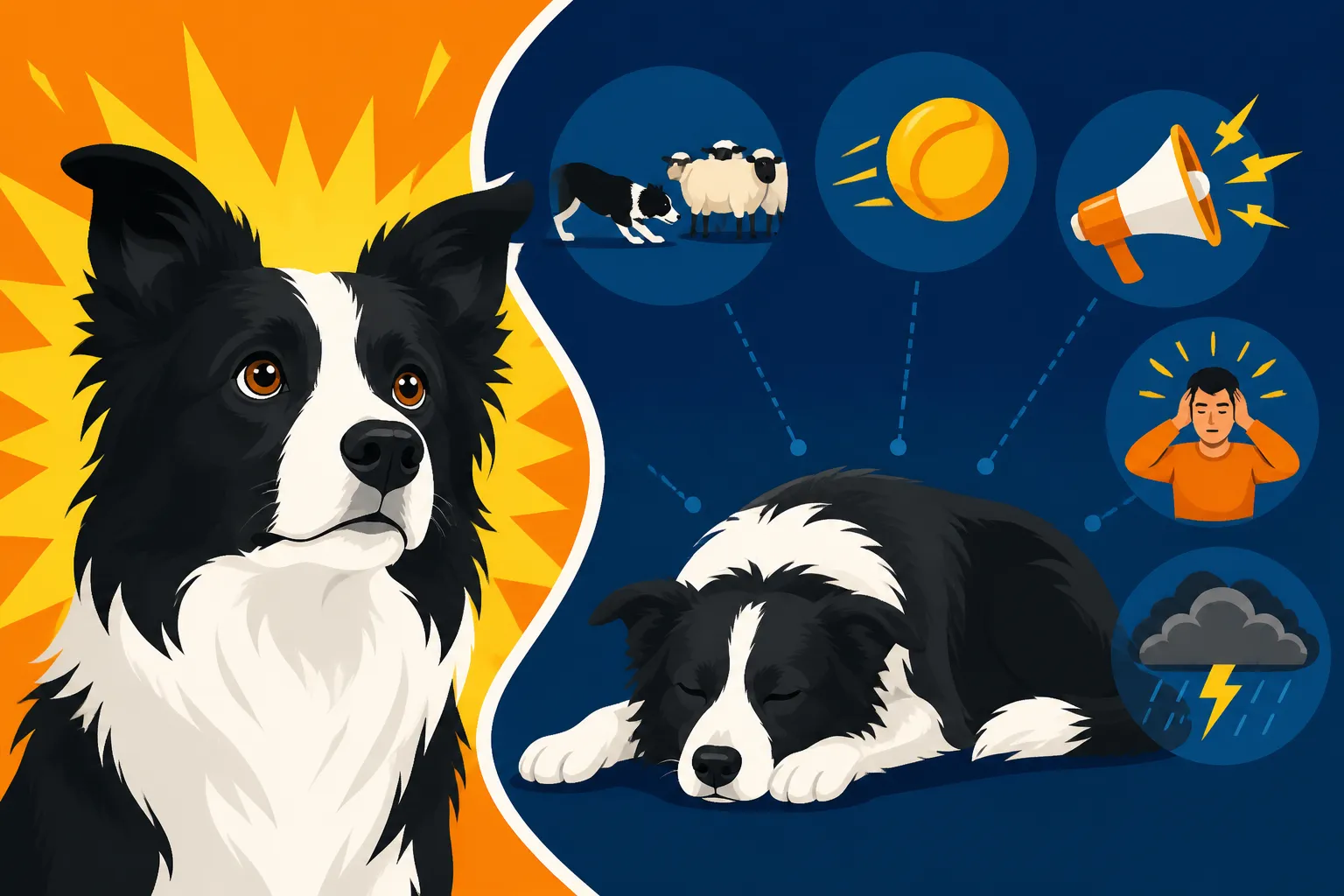
The most prominent and consistent trigger for Border Collie Collapse is intense physical activity, especially when combined with high levels of excitement or adrenaline. It's not just any exercise; it's the kind that really revs up their engine. For many Border Collies, this means their favorite sports or working tasks.
Think about the sheer drive of a Border Collie. They live for work, for movement, for the chase. Activities like repetitive ball retrieving, chasing a frisbee, high-speed agility courses, or demanding herding trials are precisely the scenarios where BCC tends to rear its head. Owners often report that episodes occur within How Soon After Starting Work a Border Collie Collapses, sometimes as quickly as five to fifteen minutes into the activity. This phenomenon, where a dog collapses seemingly "five minutes in," is a classic indicator that you're dealing with BCC, a topic explored in depth in Why a Border Collie Collapses Five Minutes In.
The key isn't just the physical exertion but the emotional and mental intensity that accompanies it. The adrenaline surge, the laser focus, and the high-octane drive to perform push the dog's neuromuscular system to its limit, triggering the collapse. A Border Collie might be able to run for miles at a steady pace without an issue, but a short, explosive game of fetch could send them into a collapse. This is why Repeated Ball Retrieving and Border Collie Collapse is often cited as a specific trigger. It's frustrating for owners because these are often the very activities their dogs love most.
Environmental Factors and Stressors
While intense exercise is the primary culprit, environmental factors and stress can significantly lower the threshold at which an episode occurs. They don't necessarily cause BCC, but they make it more likely.
Heat and Humidity: We've already established that BCC is not heatstroke, but heat and humidity certainly don't help. When a Border Collie exercises in hot, humid conditions, their body has to work harder to regulate its temperature. This added physiological stress can make them more susceptible to an episode, even during activities they might otherwise tolerate on a cooler day. It's like having an underlying vulnerability that's brought to the forefront by challenging weather.
High-Pressure Situations and Competitive Environments: Border Collies thrive on work and competition, but the intense mental and emotional pressure of a sheepdog trial, an agility competition, or even a dog park full of new dogs can be a significant stressor. The heightened state of arousal, coupled with the physical demands, can trigger an episode. The anxiety and excitement from simply being at a trial, even before they step onto the field, can contribute. Topics such as Excitement as a Trigger for Border Collie Collapse highlight how crucial this emotional component is.
Changes in Routine or Travel: For some sensitive dogs, any deviation from their normal routine or the stress of travel can contribute to an episode. A long car ride to a trial, an unfamiliar environment, or even just being away from home can elevate their stress hormones, making them more vulnerable to collapse once activity begins. Understanding these subtle stressors allows owners to better prepare and manage their dog's environment.
The Science Behind the Spooky Syndrome
For years, Border Collie Collapse was a mystery, often misdiagnosed as heatstroke or simply extreme exhaustion. Thanks to dedicated research, we now have a much clearer picture of the genetic and physiological mechanisms at play, helping us move beyond guesswork to informed management.
Delving into the Genetic Predisposition
The most significant breakthrough in understanding BCC came with the identification of a specific genetic mutation. Research, particularly out of the University of Minnesota, identified a mutation in the dynamin 1 (DNM1) gene as the primary cause of exercise-induced collapse (EIC) in Labrador Retrievers, and it turns out this same gene mutation is responsible for Border Collie Collapse.
This means BCC is an inherited condition. Dogs must inherit two copies of the mutated gene (one from each parent) to be affected by the condition. Dogs with one copy of the mutated gene are carriers and typically do not show symptoms, but they can pass the gene on to their offspring. Dogs with two normal copies of the gene are clear and cannot develop BCC or pass on the gene.
The existence of a definitive genetic marker has revolutionized diagnosis and breeding practices. Responsible breeders now routinely screen their breeding stock for the DNM1 mutation. This allows them to make informed decisions to avoid producing affected puppies, significantly reducing the prevalence of BCC in the breed. This highlights the immense value of comprehensive genetic screening, as outlined in guides like The Border Collie Genetic Panel and What It Screens. Knowing a dog's genetic status is vital, not just for breeders but for pet owners who want to understand their dog's health predispositions.
Neuromuscular Dysfunction, Not Heart or Heat
It's tempting to think of collapse as a heart problem or extreme exhaustion, but the science points to a transient dysfunction in the neuromuscular system. Essentially, the nerves responsible for telling the muscles what to do temporarily fail to transmit signals correctly, particularly during high-intensity, high-excitement activities.
Here's a simplified breakdown of what researchers believe happens:
- Normal Function: When a dog exercises intensely, nerve impulses travel from the brain and spinal cord to the muscles, causing them to contract. This requires a complex biochemical process.
- The DNM1 Gene's Role: The dynamin 1 protein, encoded by the DNM1 gene, is critical for recycling neurotransmitters (chemical messengers) at the nerve synapses (the junctions where nerve cells communicate with each other or with muscle cells). This recycling is essential for sustained, rapid nerve signaling.
- The Mutation's Impact: In dogs with the DNM1 mutation, this recycling process becomes inefficient under stress, particularly during the high-demand state of intense, excited exercise. The nerve cells can't keep up with the rapid signaling needed to maintain muscle function.
- The Result: Without proper neurotransmitter recycling, the nerve signals to the muscles become weaker or even stop entirely. This leads to the sudden, temporary loss of muscle control, especially in the hind limbs, resulting in collapse. The muscles themselves are fine; it's the communication to them that's disrupted.
This explains why affected Border Collies appear conscious and are not in pain during an episode – their brain is still functioning, but the connection to their muscles is temporarily offline. It also clarifies why standard blood tests (checking blood sugar, electrolytes, etc.) often come back normal during an episode, as the core problem isn't metabolic imbalance but a neurochemical one. This crucial insight is why we know Why Overheating Does Not Explain Border Collie Collapse, even if heat makes it worse. The issue lies within the complex dance of nerve impulses and neurotransmitters, a subtle but profound malfunction.
Recognizing the Early Warning Signs
The onset of Border Collie Collapse can be quite sudden, but many owners learn to spot subtle cues that precede a full-blown episode. Catching these early signs can allow you to intervene, stop the activity, and potentially prevent a more severe collapse, thereby making it easier to manage the condition.
Subtle Changes in Gait and Coordination
One of the most telling early indicators is a change in your Border Collie's movement, particularly in their hindquarters. They might start to move differently, not necessarily with pain, but with a noticeable lack of their usual fluid coordination.
- Hind Limb Weakness: You might observe a subtle weakness in the back legs. It’s not a limp, but more like a general instability or a decreased drive from the rear. They might appear to be working harder than usual to maintain speed or power.
- Scuffing Paws: As the hind limb weakness progresses, your dog might start scuffing their back paws on the ground, particularly the tops of their nails or knuckles. This is a sign that they're not lifting their feet high enough due to compromised muscle control. This aligns with descriptions of The Wobbling Gait a Collapsing Border Collie Shows.
- Unusual Gait: Instead of their characteristic agile, ground-covering stride, their gait might become more high-stepping or stiff in the rear. They might bunny-hop with their hind legs, or their normal smooth transitions might look choppy.
- Stumbling or Tripping: They might stumble unexpectedly, particularly when changing direction quickly, turning, or navigating uneven terrain. This isn't just clumsiness; it's a transient loss of fine motor control.
These changes are often fleeting and might only be visible to a highly observant owner who knows their dog’s normal movement patterns intimately. The key is to notice any deviation from their usual powerful, coordinated locomotion, especially during or after intense activity.
Behavioral Cues and Energy Fluctuations
Beyond physical changes, a Border Collie prone to collapse might also exhibit subtle shifts in behavior or energy that signal an impending episode. These cues are often a departure from their typical high-drive personality.
- Excessive Panting or Drooling: While all dogs pant during exercise, a Border Collie with BCC might pant disproportionately to the level of exertion or the environmental temperature. This panting might seem more frantic or distressed, even in relatively cool conditions. They might also drool more excessively than usual.
- Loss of Drive or Focus: This is a significant red flag for a Border Collie. These dogs are renowned for their unwavering focus and tireless drive. If your dog suddenly loses interest in the game, stops chasing the ball, or shows a marked decrease in their characteristic intensity and desire to work, it's a strong indicator that something is physiologically wrong. They might look confused or disoriented, momentarily breaking their concentration.
- Seeking Shade or Solitude: Some dogs might instinctively try to remove themselves from the stimulating environment. They might stop playing and seek out a quiet, shaded spot, almost as if trying to self-regulate and prevent the full collapse.
- Apparent Disorientation or "Zoning Out": Occasionally, a dog might appear momentarily disoriented or "zone out" for a few seconds before the physical symptoms become apparent. Their eyes might seem distant, or they might not respond to commands as readily.
Learning to read these subtle signs is crucial for managing a Border Collie with BCC. It allows you to intervene before a complete collapse, which can be less stressful for your dog and for you. The goal is to catch them early, give them a break, and prevent the situation from escalating. This proactive approach is fundamental to Stopping a Border Collie Before an Episode Starts.
Navigating an Episode: Immediate Actions
Witnessing your Border Collie collapse is undeniably frightening. However, knowing exactly what to do can significantly mitigate the distress for your dog and ensure their safety during and after an episode. Panic is understandable, but swift, calm action is vital.
The Critical First Steps: Stop, Cool, Rest
When you see the early signs or a full collapse, your immediate response can make all the difference. The primary goals are to cease the activity, move to a safer, cooler location, and facilitate a calm recovery.
- Stop All Activity Immediately: This is non-negotiable. As soon as you notice your dog faltering, wobbling, or showing any of the early signs, end the exercise session. Do not try to push them to "finish" or even to walk back to the car. The collapse is a sign that their neuromuscular system is overwhelmed, and continuing the activity will only worsen the episode and prolong recovery.
- Move to a Cool, Quiet Area: Gently guide or carry your dog to the nearest shaded, quiet, and ideally cool spot. If you're on a sunny field, find a tree. If you're indoors, move away from loud noises or bright lights. Reducing external stimuli helps to lower their excitement and stress levels, which are significant contributors to BCC.
- Offer Water, But Don't Force It: Once settled, offer fresh, cool water. Many dogs will be thirsty. However, do not force them to drink if they are struggling or unable to swallow easily. Let them take it at their own pace. If they are very hot (though true heatstroke is rare with BCC, some body temperature elevation can occur), you can wet their paws, ears, and belly with cool water (not icy cold, which can cause shock), but focus more on cooling the environment around them.
- Calm Reassurance: Speak to your dog in a soothing, reassuring voice. Pet them gently if they respond positively, but avoid overstimulating them. The goal is to help them relax and allow their nervous system to reset. They are conscious and likely confused or anxious, so your calm presence is paramount.
Remember, the emphasis is on immediate cessation of activity and creating a low-stress environment. These first steps are crucial for effective management.
Monitoring and Recovery
Once the initial steps are taken, the focus shifts to monitoring your dog and understanding the typical recovery process. Knowing what to expect can help ease your anxiety.
- Observe Vital Signs (If Possible): While you don't need to be a vet, a quick assessment can be helpful. Check their breathing: is it less frantic? Are their gums pink? Is their body temperature feeling relatively normal to the touch? As mentioned earlier, true BCC typically doesn't involve dangerously high body temperatures or severe cardiac distress, but observing these can help confirm it's not another issue.
- Typical Recovery Time: Most Border Collies with BCC will start to show signs of recovery within 5 to 30 minutes. The wobbliness will gradually subside, and they'll slowly regain coordination and strength, starting with their front legs, then their hind legs. They might stand up tentatively at first, then take a few wobbly steps. The recovery can sometimes feel like a slow re-boot. This is a crucial phase, and understanding How Long a Border Collie Takes to Come Right Again is reassuring.
- Post-Episode Behavior: After an episode, your Border Collie might appear tired, subdued, or a bit disoriented for a short while. They might want to rest for an hour or two. It's important to allow them this quiet recovery time and avoid any further strenuous activity for the rest of the day. Some dogs might be a little sensitive to touch or movement as they regain full control.
- When to Seek Emergency Vet Care: While most BCC episodes resolve on their own, there are times when veterinary attention is necessary.
- If your dog loses consciousness or has a full-blown seizure.
- If their body temperature is dangerously high (e.g., above 104°F/40°C), suggesting heatstroke might also be occurring.
- If recovery is unusually slow or incomplete after an hour.
- If breathing becomes severely labored, or their gums turn blue/grey.
- If you are unsure whether it's BCC or another condition.
In these emergency situations, don't hesitate to contact your vet or an emergency animal hospital. A quick call can provide guidance, and having a good pet insurance plan, such as one from Healthy Paws, can provide peace of mind regarding unexpected emergency costs.
Proactive Management for Affected Dogs
Living with a Border Collie diagnosed with BCC means making adjustments, but it doesn't mean the end of an active life. The key is intelligent management, understanding their limits, and finding alternative outlets for their incredible drive and intelligence.
Modifying Exercise Regimens
This is perhaps the most significant change you'll need to implement. The traditional Border Collie exercise routine of endless fetch or high-intensity bursts often needs to be re-evaluated.
- Structured, Shorter Bursts: Instead of continuous, high-intensity work, break up exercise into shorter, more controlled sessions. Think 5-10 minute playtimes followed by mandatory rest periods. This allows their neuromuscular system to recover before it gets overwhelmed.
- Avoiding Repetitive, High-Intensity Games: Activities like retrieving a ball or frisbee over and over again, or high-speed weaving in agility, are often the biggest triggers. These specific actions induce the high-excitement, high-adrenaline state that leads to collapse. It can be heartbreaking to stop these activities, as dogs often love them, but it's essential for their well-being.
- Prioritizing Mental Stimulation: Border Collies are brilliant, and their minds need as much, if not more, exercise than their bodies. Focus on activities that engage their brain without over-taxing their physical system. Scent work, puzzle toys, advanced obedience training, trick training, and even learning the names of dozens of toys (like the famous Border Collie, Chaser) are fantastic alternatives. These activities can be incredibly tiring for a Border Collie, fulfilling their need to "work" without the risk of collapse.
- Varying Activities and Surfaces: Mix up the types of exercise. Instead of just running, try swimming (supervised), leisurely hikes on varied terrain, or shorter, controlled off-leash walks where they explore rather than sprint. Avoid running on very hard surfaces for extended periods, which can be tougher on their joints even without BCC.
- Walking vs. Running: Many BCC dogs can tolerate long walks or light jogs, as long as the intensity and excitement levels remain low. The difference is often between a steady, enjoyable pace and an all-out, adrenaline-fueled sprint.
The goal is not to stop them from being a Border Collie, but to help them find appropriate, safe ways to channel their energy. For working dogs, this means finding strategies for Keeping a Border Collie With BCC in Work by carefully managing their time on stock and intensity levels.
Environmental Control and Stress Reduction
Beyond physical exercise, creating a low-stress environment and being mindful of external stimuli can also help prevent episodes.
- Training in Cooler Times of Day: During warmer months, shift exercise sessions to early mornings or late evenings when temperatures are lower. Avoid the midday heat altogether. This reduces the physiological stress on their body.
- Managing Excitement Levels: This is often easier said than done with a Border Collie! Before a potentially exciting activity, try to engage them in a calming activity first, like a short training session or a puzzle toy, to bring their arousal level down. Teach them a "settle" command. If you're going to a trial or a busy park, ensure they have a quiet space in your car or a crate where they can decompress before and after their activity. The role of Excitement as a Trigger for Border Collie Collapse cannot be overstated.
- Predictable Routines: For some dogs, a predictable daily routine can reduce overall stress. Knowing what to expect can make them feel more secure and less anxious.
- Quiet Retreats: Ensure your Border Collie has a designated quiet space in your home where they can retreat when feeling overstimulated or tired. A comfortable crate or a specific bed in a low-traffic area can be invaluable.
- Avoiding Overstimulation: While socialization is important, be mindful of environments that might be overly stimulating, such as very crowded dog parks, large dog events, or places with unpredictable loud noises. Gradually expose them to new situations in a controlled manner, always observing their stress signals.
By proactively managing both physical activity and environmental stressors, you can significantly reduce the frequency and severity of BCC episodes, allowing your Border Collie to enjoy a happy, active, and safe life.
The Veterinary Journey: Diagnosis and Support
Navigating a diagnosis of Border Collie Collapse can be a confusing journey, especially since the condition is still relatively unknown to some general practice veterinarians. A thorough diagnostic process is essential to confirm BCC and rule out other potentially serious issues.
Ruling Out Mimicking Conditions
When you first bring your collapsing Border Collie to the vet, their initial approach will involve a comprehensive examination and a series of diagnostic tests. This is not because they doubt your observations, but because they need to systematically exclude other conditions that present similarly.
- Full Physical Examination: The vet will assess your dog's overall health, looking for signs of injury, heart murmurs, respiratory issues, or neurological deficits. They'll check reflexes and gait, though a dog usually appears normal between episodes.
- Blood Work: Comprehensive blood panels, including a complete blood count (CBC) and a biochemistry profile, are standard. These tests look for underlying infections, organ dysfunction, and metabolic imbalances such as anemia, electrolyte abnormalities, or low blood sugar (hypoglycemia). As discussed, in BCC cases, these tests typically come back normal during or immediately after an episode, which helps to rule out conditions like severe hypoglycemia or metabolic disorders.
- Urinalysis: This can provide further clues about kidney function and metabolic health.
- Cardiac Work-up: Depending on clinical signs, the vet might recommend an electrocardiogram (ECG) to check heart rhythm or even an echocardiogram (ultrasound of the heart) to assess cardiac structure and function. This is important to rule out heart conditions that could cause exercise intolerance or collapse.
- Neurological Examination: A detailed neurological exam can help identify specific nerve or spinal cord issues. However, since BCC is episodic and dogs appear normal between episodes, these exams might not reveal abnormalities unless performed during an actual collapse, which is often impractical.
- Imaging (X-rays, MRI): X-rays of the spine or hips might be taken to rule out orthopedic issues like severe hip dysplasia or intervertebral disc disease. In complex cases, an MRI might be considered to rule out brain or spinal cord lesions, especially if seizures or other severe neurological signs are present. These tests can be expensive, and this is where a reliable pet insurance plan, such as one from Healthy Paws, can be incredibly beneficial, helping owners manage the financial burden of extensive diagnostics.
The goal of this process is rigorous exclusion. Only after ruling out other possibilities does the picture of BCC become clearer, often supported by the characteristic presentation and history provided by the owner.
Genetic Testing and Breed-Specific Awareness
Once other conditions have been excluded, the definitive diagnosis of Border Collie Collapse often hinges on genetic testing.
- The DNM1 Gene Test: A simple DNA test, usually performed via a cheek swab or blood sample, can confirm whether your Border Collie carries two copies of the DNM1 mutation, which makes them affected by BCC. This test is highly accurate and provides a clear "Affected," "Carrier," or "Clear" result. This test is invaluable because it removes all doubt and provides concrete answers. Many labs offer this test, often as part of a larger panel that screens for other breed-specific genetic conditions.
- Educating Your Veterinarian: It's a harsh truth that not all veterinarians are intimately familiar with every breed-specific condition, especially relatively newer discoveries like BCC. You might find yourself in the position of needing to educate your vet, gently providing information from reputable sources (like university veterinary medicine sites or breed club health pages). Bringing research papers or information about the DNM1 gene to your appointment can be very helpful. Remember, you and your vet are a team working for your dog's best interest.
- Importance of Owner Observation: Your detailed observations of your dog's episodes (when they happen, what they look like, how long they last, recovery time) are critical. Video recordings of an episode can be incredibly valuable to your vet, providing insights that a physical exam alone cannot.
- Genetic Screening for All Border Collies: The existence of a reliable genetic test means that ideally, all Border Collies, especially those intended for breeding, should be screened. This knowledge allows breeders to make ethical decisions to prevent passing on the gene. Even for pet owners, knowing your dog's status allows for proactive management and can save you from costly and unnecessary diagnostic procedures down the line if an episode occurs.
Understanding your Border Collie's genetic predisposition for BCC through testing is empowering. It transforms a frightening unknown into a manageable condition, allowing you to tailor their care and activities for a happy, healthy life.
Long-Term Outlook and Responsible Breeding
Receiving a diagnosis of Border Collie Collapse can feel devastating, but it's crucial to understand that it is a manageable condition. It doesn't mean your dog can't live a full, happy life, but it does require commitment to long-term management and, for breeders, a deep sense of responsibility.
Living a Full Life with BCC
One of the most important messages for owners is that BCC is not a death sentence. It is a neurological condition that causes temporary dysfunction, but it does not shorten a Border Collie's lifespan or cause chronic pain. With proper management, affected dogs can still enjoy a very high quality of life.
- Focus on Quality of Life: The priority shifts from high-intensity performance to sustained well-being. This means embracing the modified exercise regimens and stress reduction techniques discussed earlier. It might involve finding new hobbies for your dog that are less physically demanding but equally mentally stimulating. Maybe it's advanced trick training, scent detection games, or even becoming a therapy dog.
- Regular Veterinary Check-ups: Maintaining regular veterinary visits is important for overall health. While there isn't a specific medication to "cure" BCC, your vet can help monitor your dog's general condition and address any secondary issues that might arise from changes in activity or age. Discussing any potential Sport Injuries a Border Collie Picks Up with your vet is also important, as you want to ensure any lameness isn't confused with BCC.
- Understanding Ongoing Research: The scientific community is continually learning more about BCC and similar exercise-induced collapse conditions. Stay informed about new research findings, as insights could lead to even better management strategies in the future. Organizations and universities are actively investigating this condition, and you can learn more about Where Border Collie Collapse Is Being Researched to stay up-to-date.
- Financial Planning for Chronic Conditions: While BCC itself may not require constant medication, the diagnostic process and potential need for specialized care (like a veterinary neurologist consultation) can be costly. Having a pet insurance plan, such as Healthy Paws, in place before a diagnosis is made can be invaluable. It ensures that you're able to make care decisions based on your dog's needs, not solely on your wallet. For any Border Collie owner, particularly one with a dog prone to genetic conditions like Epilepsy in a Border Collie Between One and Five, proactive insurance coverage is a smart move.
Ultimately, living with a Border Collie with BCC means becoming an even more attentive and informed owner. It’s about adapting, innovating, and cherishing the unique bond you share, ensuring your canine companion can thrive within their individual limitations.
Ethical Breeding Practices
The discovery of the DNM1 gene mutation places a clear responsibility on Border Collie breeders. Ethical breeding is about improving the health and welfare of the breed, and that includes actively working to reduce the incidence of inherited conditions like BCC.
- Mandatory Genetic Testing for Breeding Stock: All Border Collies intended for breeding should be genetically tested for the DNM1 mutation. This simple step can prevent the inadvertent breeding of affected puppies. Reputable breeders will be transparent about their dogs' genetic test results and will gladly share them with prospective puppy buyers.
- Informed Breeding Decisions:
- Clear x Clear: This pairing will produce 100% clear puppies, with no risk of BCC.
- Clear x Carrier: This pairing will produce approximately 50% clear and 50% carrier puppies. While no affected puppies will be produced, the carrier puppies could pass on the gene if bred themselves without testing.
- Carrier x Carrier: This pairing is strongly discouraged, as it has a 25% chance of producing affected puppies (with two copies of the mutated gene), 50% chance of producing carriers, and 25% chance of producing clear puppies.
- Affected x Any: Breeding an affected dog is highly unethical, as it will pass on at least one copy of the mutated gene to all offspring, and will produce affected puppies if bred to a carrier or another affected dog.
- Understanding Breeding Decisions Around Border Collie Collapse is a critical aspect of responsible dog ownership and stewardship of the breed.
- Transparency with Puppy Buyers: Responsible breeders are transparent about the genetic status of their breeding dogs and the potential risks for puppies. They will educate buyers about BCC, even for clear-to-clear breedings, as general knowledge of the condition is vital for the breed.
- Preserving Working Lines Responsibly: Border Collies are renowned for their working ability. Ethical breeders recognize the importance of preserving these valuable traits while simultaneously improving genetic health. Genetic testing allows them to make breeding choices that maintain strong working characteristics without sacrificing health. This long-term vision ensures the Border Collie remains a healthy, capable breed for generations to come. Discussions about Whether Border Collie Collapse Runs in Families underscores the genetic nature and the importance of responsible breeding.
By embracing genetic testing and making informed, ethical breeding decisions, the Border Collie community can work together to significantly reduce the impact of Border Collie Collapse, ensuring that these incredible dogs continue to thrive.
Disclaimer
The information provided in this article is for general informational purposes only and does not constitute veterinary advice. Always consult with a qualified veterinarian for any health concerns or before making any decisions about your pet's health or treatment.