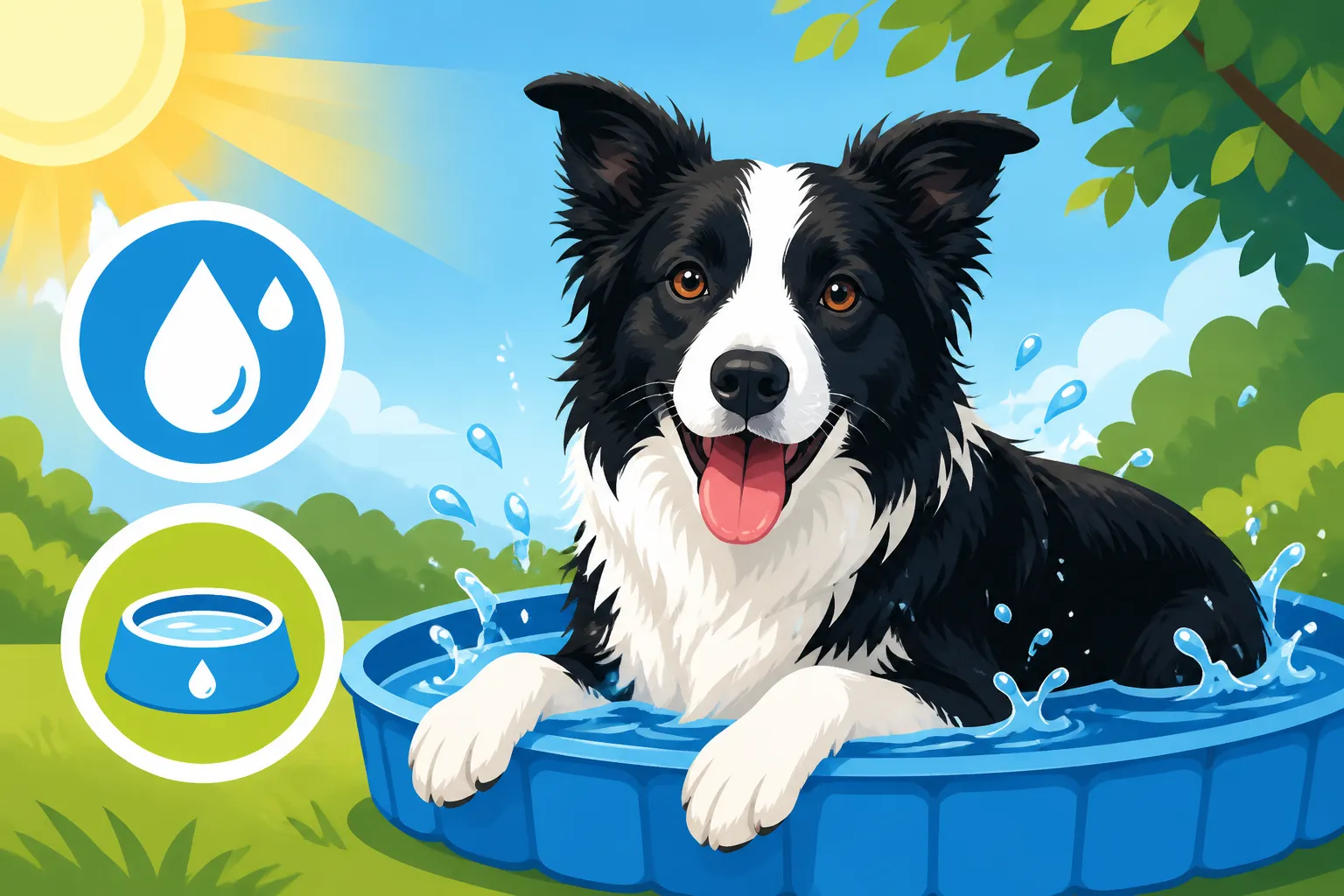
Cooling and Watering a Border Collie in Summer
Summertime can be a real double-edged sword when you share your life with a Border Collie. On one hand, the longer days mean more opportunities for adventures; on the other, their boundless energy and thick coats can turn a fun outing into a serious health risk faster than you can say "fetch." It’s a constant worry for us Border Collie parents, isn't it? That deep-seated instinct to work and run often makes them push through discomfort, leading to dangerous overheating. This comprehensive guide is all about equipping you with practical, realistic strategies to keep your beloved Border Collie cool, hydrated, and safe throughout those warmer months.
Understanding Your Border Collie's Heat Tolerance (or Lack Thereof!)
It’s easy to look at our dogs panting after a walk and think, "Well, they're just hot, like me." But for a Border Collie, it's a much more complex equation, and their bodies just aren't designed to shed heat as efficiently as ours. Their incredible drive, combined with certain physiological traits, means they're always teetering on the edge of overheating in the summer sun, often without even realizing it themselves.
Why Border Collies Are Prone to Overheating
Border Collies are magnificent athletes, bred for endurance and intense bursts of activity, often in wide-open, unsheltered fields. This means they naturally have a high metabolism, generating a lot of internal heat when active. Add to that their dense double coats – whether rough or smooth – which, while offering insulation against both cold and sun, can also trap heat against their bodies. Unlike humans, who sweat efficiently across their skin, dogs primarily cool themselves through panting and through limited sweat glands in their paw pads. When the air itself is hot and humid, panting becomes far less effective at dissipating heat.
Imagine your dog, even on a moderately warm day, still wanting to run full-tilt after a ball, or round up your kids in the yard, despite the rising temperature. This relentless desire to "work" or engage often overrides their natural self-preservation instincts. They're wired to keep going until they literally can't, which is why we, as their guardians, have to be extra vigilant. It's not just about stopping them when they seem tired; it's about proactively preventing them from ever reaching that critical point where their body temperature becomes dangerously high. Trying to rein in that drive can be frustrating, especially when they look at you with those intense eyes, practically begging for more, but it's vital for their well-being.
Recognizing the Early Signs of Heat Stress
Catching heat stress early can be the difference between a quick cool-down and a trip to the emergency vet. It's not always obvious, especially with a dog that hides discomfort well, but there are distinct cues if you know what to look for. Normal panting, where the breaths are regular and relatively shallow, is your dog's way of cooling down. However, when panting becomes excessive – very rapid, shallow breaths that seem forced, or a change in the sound, becoming louder and almost guttural – that's a red flag. Their tongue might also appear wider and longer than usual, and their gums might turn a brighter red or even bluish as their circulation struggles.
Beyond changes in breathing, watch for behavioral shifts. Your typically energetic Border Collie might seem lethargic, stumbling, or disoriented. They might start seeking shade intensely, refuse to move, or even collapse. Drooling heavily, vomiting, or diarrhea can also be signs of advanced heat stress. Sometimes, you'll notice their eyes appear glassy, or they seem confused. If you suspect heat stress, act immediately. Don't wait for them to recover on their own, because by the time these signs are apparent, their internal temperature could already be dangerously high. Even a quick check can tell you a lot about How Hot a Border Collie Gets After Ten Minutes, and knowing these subtle indicators is paramount to keeping them safe.
Strategic Hydration: More Than Just a Bowl of Water
Hydration is often overlooked until it becomes an emergency. For a Border Collie, especially one that insists on being active no matter the thermometer reading, consistent access to water isn't just a nicety; it's a lifeline. Simply putting down a bowl isn't always enough; we need to make sure they're actually drinking enough and that the water is appealing and readily available.
Encouraging Consistent Water Intake
Our dogs don't always self-regulate their water intake as well as we'd like them to, particularly when they're focused on a task or just having too much fun. To encourage consistent drinking, consider the placement of water bowls. Having multiple bowls around the house and yard, in easily accessible spots, means they don't have to go far to find a drink. For indoor use, ceramic or stainless steel bowls are great because they keep the water cooler longer and are easy to clean. You might even find that adding a few ice cubes makes the water more enticing on a hot day.
Some Border Collies are finicky, or simply get bored with plain water. You can try adding a splash of low-sodium chicken or beef broth (check the ingredients carefully for anything harmful like onion or garlic) to their water to make it more appealing. Another strategy is a pet drinking fountain; the running water often piques their curiosity and encourages them to drink more frequently. For those inevitable adventures away from home, a portable water bottle with an attached bowl is a lifesaver. Brands like Hydro Flask or Petlibro offer excellent portable solutions available on Amazon or Chewy, ensuring you always have fresh water on hand whether you're at the park or on a trail. Understanding How Much a Border Collie Drinks on a Working Day will help you gauge if your efforts are paying off.
The Importance of Water Quality and Availability
It goes without saying that the water your Border Collie drinks should be fresh and clean. Stagnant, warm water is not only unappetizing but can also harbor bacteria and algae, which can lead to stomach upsets. Change their water multiple times a day during summer, and give their bowls a good scrub with soap and hot water daily to keep them hygienic. If you wouldn't drink it, your dog shouldn't either.
While you might filter your own tap water, it's a good idea to consider the water quality your dog is getting. If your tap water has a strong chemical taste or odor, your dog might be less inclined to drink it. A simple carbon filter in a drinking fountain can make a huge difference. Outside, be particularly wary of puddles, ponds, or standing water that could contain parasites like Giardia or leptospirosis, or even toxic algae blooms. Always carry your own water when you're out and about, and discourage them from drinking from unfamiliar sources. Many reliable pet suppliers offer portable water filtration bottles designed for dogs, giving you peace of mind that your Border Collie is always hydrated with safe water.
Creating a Cool Environment for Your Energetic Dog
Preventing overheating isn't just about managing exercise; it's about providing a genuinely cool and comfortable space for your Border Collie to recover and relax, especially when they've been working hard or simply enduring a hot day. Their desire to be with you, or to watch over their "flock" (be it family members or toys), means they often won't seek out coolness on their own if it means leaving your side.
Shade, Airflow, and Cooling Products
Shade is your first line of defense against the sun's relentless heat. Natural shade from trees is ideal, but if you don't have it, create it. Simple solutions like tarps, shade cloths, or even pop-up canopies can provide essential relief in the yard or at events. Just ensure the shade moves with the sun throughout the day. Beyond shade, good airflow is crucial. On a still, hot day, even in the shade, the air can be stifling. Fans, whether oscillating indoors or sturdy outdoor utility fans, can make a huge difference by moving air around their bodies. Misters, especially those that create a fine, cooling spray, can also be effective in outdoor kennels or shaded patios.
When it comes to direct cooling, the market is full of options. Cooling mats work by absorbing body heat or containing a gel that stays cool without refrigeration. Vests and bandanas designed to be soaked in water and then worn can provide evaporative cooling as your dog moves. Brands like Ruffwear and The Chill Factor make effective Cooling Coats and Vests for a Border Collie that can be invaluable for active dogs. While these products can be fantastic, remember they're aids, not complete solutions. Always combine them with other cooling strategies and supervision. For instance, a quality cooling mat purchased from Chewy might make their crate a much more appealing resting spot indoors.
Indoor vs. Outdoor Management in Summer
Deciding when your Border Collie needs to come inside is perhaps the most critical management decision during summer. On really hot or humid days, especially when the temperatures climb into the 80s Fahrenheit and beyond, keeping them indoors during the peak heat hours (typically 10 AM to 4 PM) isn't an option; it's a necessity. Your air-conditioned home is their safest refuge. Even if they love lounging in the sun, that intense heat can become dangerous quickly.
Inside, set up a cool, quiet retreat for them. This could be a crate with a cooling mat, a spot on a tiled floor, or simply a room where the air conditioning is strongest. They might resist at first, especially if they're used to outdoor freedom, but establishing this routine is important. Many Border Collies, even pet ones, still retain a strong territorial instinct and want to keep an eye on things. This can lead to them choosing a hot spot to "guard" rather than a cool one. Encouraging them to settle in a designated cool zone with a favorite chew or toy can help. Remember, even short bursts of activity outside in the heat can elevate their core temperature, so always consider the trade-off between their desire for fresh air and the risk of overheating.
Adjusting Exercise Routines for Summer Safety
It's a truth universally acknowledged among Border Collie owners that "exercise" isn't just a suggestion; it's a fundamental pillar of their existence. But in summer, that need for activity can clash dangerously with rising temperatures. Simply doing what you always do is a recipe for disaster. We have to be smarter, more creative, and sometimes, a little more ruthless with ourselves when it comes to saying "no" to that eager face.
Timing Your Walks and Work Sessions
The most straightforward way to keep your Border Collie safe during summer exercise is to adjust when you do it. The midday sun is a no-go zone. Full stop. Those precious hours from late morning to late afternoon, when the sun is highest and the air is warmest, should be reserved for rest and indoor activities. Instead, embrace the dawn and dusk. Early morning, as the sun is just rising, often offers the coolest temperatures and the freshest air. Working a Border Collie in the Early Morning isn't just practical, it's often the safest window for any high-intensity activity.
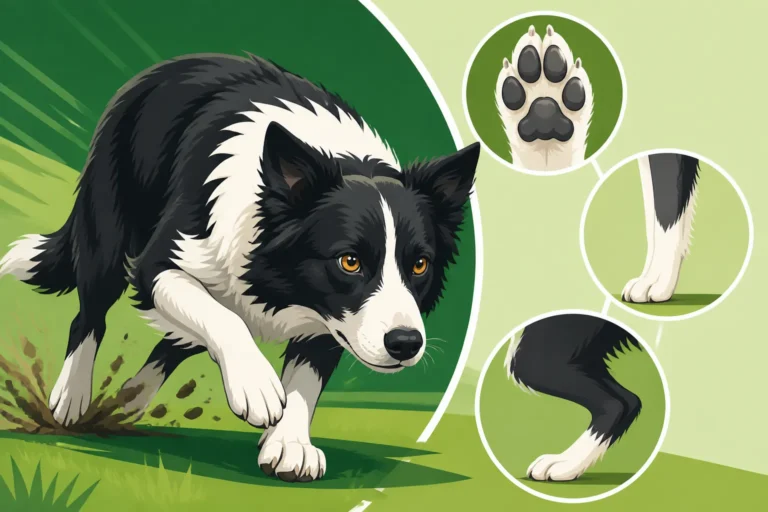
Similarly, late evening, after the sun has dipped below the horizon and the day's heat begins to dissipate, provides another opportunity. Before you head out, always check the pavement temperature with your hand. If it's too hot for your bare palm for more than a few seconds, it's too hot for your dog's paw pads. Remember, their pads can burn quickly, causing painful blisters and injuries. Also, factor in humidity. High humidity makes it much harder for dogs to cool down through panting, so even if the temperature seems okay, oppressive humidity warrants extra caution and reduced activity.
Alternative Mental and Physical Activities
Just because it's hot doesn't mean your Border Collie's brain turns off – quite the opposite! Their minds are still buzzing, and channeling that energy into appropriate activities is key to preventing boredom-induced destructive behaviors. Instead of physical exertion, shift your focus to mental stimulation. Scent work is fantastic for this: hide treats or toys around the house or yard and let them use their incredible noses to find them. Puzzle toys, especially those that dispense food, can keep them engaged for significant periods. Many dog owners find great enrichment ideas from brands like Ollie, who often feature ways to keep dogs stimulated even when outdoor activities are limited.
Trick training is another excellent option. Border Collies notoriously love to learn, and teaching them new tricks or refining old ones provides mental exercise without raising their body temperature. Indoors, try short bursts of retrieving or tug-of-war, but always monitor for signs of overheating and stop before they get too warm. If you have access to safe, clean water, swimming can be a wonderful, low-impact way to exercise. Ensure the water is free of strong currents, sharp objects, and toxic algae. Always supervise closely, and rinse them off afterward to remove any chlorine or lake residue. Breaking up their activity into several shorter, less intense sessions throughout the coolest parts of the day can also be more effective than one long, grueling session.
Nutrition and Hydration Considerations
It might not be the first thing you think of when planning for summer safety, but your Border Collie's diet and how you manage feeding can play a subtle yet significant role in their ability to cope with heat and stay properly hydrated. It’s all part of the holistic picture of keeping them healthy when the mercury rises.
Impact of Diet on Hydration and Body Temperature
The type of food your Border Collie eats can contribute to their overall hydration. While dry kibble is convenient, it contains very little moisture. Incorporating some wet food or adding water/broth to their kibble can boost their fluid intake, which is especially beneficial in warmer weather. This isn't to say you need to overhaul their entire diet, but small adjustments can make a difference.
Another important consideration is the timing of meals, particularly in relation to exercise. A heavy meal right before or immediately after intense physical activity can put extra strain on their digestive system and potentially contribute to overheating. The body diverts blood to the stomach for digestion, which can interfere with the body's natural cooling mechanisms. It's generally a good practice to feed them at least an hour or two before strenuous exercise, and wait until they are fully cooled down and rested after activity before offering their main meal. This is crucial for avoiding issues like bloat, and it’s why understanding How Long to Wait Before Feeding a Border Collie After Work is so important. Some performance dog foods are formulated with specific nutrient profiles that might help maintain energy without overtaxing their system, but always discuss significant dietary changes with your vet.
Managing Treats and Rewards in Hot Weather
Treats are an integral part of training and bonding for many Border Collie owners, but in summer, it's smart to think about what you're offering. Ditch the heavy, calorie-dense treats that might warm them up or make them feel sluggish. Instead, opt for lighter, refreshing options. Frozen treats are a fantastic solution! Simple ice cubes can be a delightful, low-calorie reward. You can also freeze low-sodium broth in ice cube trays or use a Kong toy filled with diluted peanut butter (check for xylitol!), plain yogurt, or pureed pumpkin, then frozen solid. These not only provide a cool snack but also keep them occupied for a while.
When you're out and about, consider bringing along fresh fruit or vegetable pieces like apple slices (seeds removed!), carrot sticks, or blueberries. These are hydrating and healthy alternatives to traditional biscuits. Just be mindful of portion sizes to avoid stomach upset. For training sessions, use smaller, soft treats that are easy to swallow quickly, minimizing the need for chewing and avoiding excessive thirst. The goal is to provide positive reinforcement without adding to their heat load or contributing to dehydration.
Emergency Preparedness and Vet Care
Even with the best intentions and the most careful planning, sometimes things go wrong. A Border Collie's powerful drive can push them past safe limits faster than you anticipate, or an unforeseen change in conditions can lead to trouble. Knowing what to do in an emergency and maintaining open communication with your veterinarian are non-negotiable aspects of summer safety.
What to Do in a Heat Emergency
If you suspect your Border Collie is suffering from heatstroke, immediate action is critical. Time is of the essence. First and foremost, remove them from the heat source immediately. Get them into the shade, an air-conditioned car, or even a cool bathroom. Begin active cooling as quickly as possible. Wet them thoroughly with cool (not ice-cold) water, especially their paws, belly, inner thighs, and neck. Wetting a Border Collie Down Between Runs can be part of prevention, but in an emergency, it's life-saving. You can use a hose on a gentle setting, wet towels, or even a sponge. Place a fan near them to help evaporate the water, which aids in cooling.
Offer small amounts of water, but don't force them to drink if they are unresponsive or vomiting, as they could aspirate it. Do not use ice baths or very cold water, as this can cause the blood vessels to constrict, trapping heat inside their body, and can also lead to shock. While you are actively cooling them, call your veterinarian or the nearest emergency animal clinic immediately to let them know you are on your way. Provide them with an estimated arrival time and a brief description of the situation. Continue cooling measures during transport. Even if your dog seems to improve, a vet visit is essential to check for internal organ damage, which can sometimes be delayed or not immediately apparent. Understanding Whether a Border Collie Recovers From Heat Stroke depends heavily on rapid intervention.
Discussing Summer Safety with Your Vet
Your veterinarian is your most valuable partner in keeping your Border Collie healthy, especially during challenging seasons like summer. Don't hesitate to have an open conversation with them about your dog's specific needs and risks. This is particularly important if your Border Collie has any pre-existing health conditions, such as heart disease, respiratory issues, or neurological conditions like epilepsy, which can make them more susceptible to heat stress. Certain medications, too, can affect a dog's ability to regulate their body temperature or increase their sensitivity to the sun.
During your Border Collie's annual check-up, ask your vet about a personalized summer safety plan. They can advise you on safe exercise limits, identify any underlying issues, and recommend specific cooling strategies tailored to your dog's age, breed, and activity level. This is also a good opportunity to discuss preventative measures for things like parasites (fleas, ticks, heartworm), which are often more prevalent in warmer months. Regular wellness checks and Yearly Bloodwork for a Border Collie can help catch potential problems early, ensuring your active companion is as robust as possible to face the summer heat.
Table of Common Border Collie Cooling Strategies
Here's a quick look at various cooling methods and their best applications for your Border Collie:
| Cooling Method | Pros | Cons | Best Use Case |
|---|---|---|---|
| Shade (Natural/Artificial) | Simple, effective, no ongoing cost (natural) | Limited availability, needs setup (artificial) | Resting between activities, backyard lounging, trials |
| Cooling Mats | Portable, no electricity, provides localized cool | Can be punctured, may not stay cool indefinitely | Crates, indoor resting spots, car travel |
| Cooling Vests/Bandanas | Targeted cooling, allows for light activity | Can be heavy when wet, requires wetting, may chafe | Short walks, light outdoor training, waiting for runs |
| Fans/Misters | Good for stationary cooling, improves air circulation | Requires power, can make some dogs anxious | Kennel runs, shaded patios, indoor recovery zones |
| Water/Paddling Pool | Fun, full-body cooling, mental stimulation | Messy, dog must enjoy water, requires cleanup | Backyard play, active cooling post-exercise |
| Frozen Treats | Hydrating, provides mental stimulation, refreshing | Can be messy, must be digestible and safe | Boredom buster, quick cool-down snack |
| Air Conditioning | Most effective full-body cooling, provides relief | Requires electricity, not portable | Indoor safety, post-emergency cool-down |
Disclaimer
This article is for general informational purposes only and does not constitute professional advice. Laws, prices and regulations vary by location and change over time. Consult a qualified professional for guidance on your specific situation.